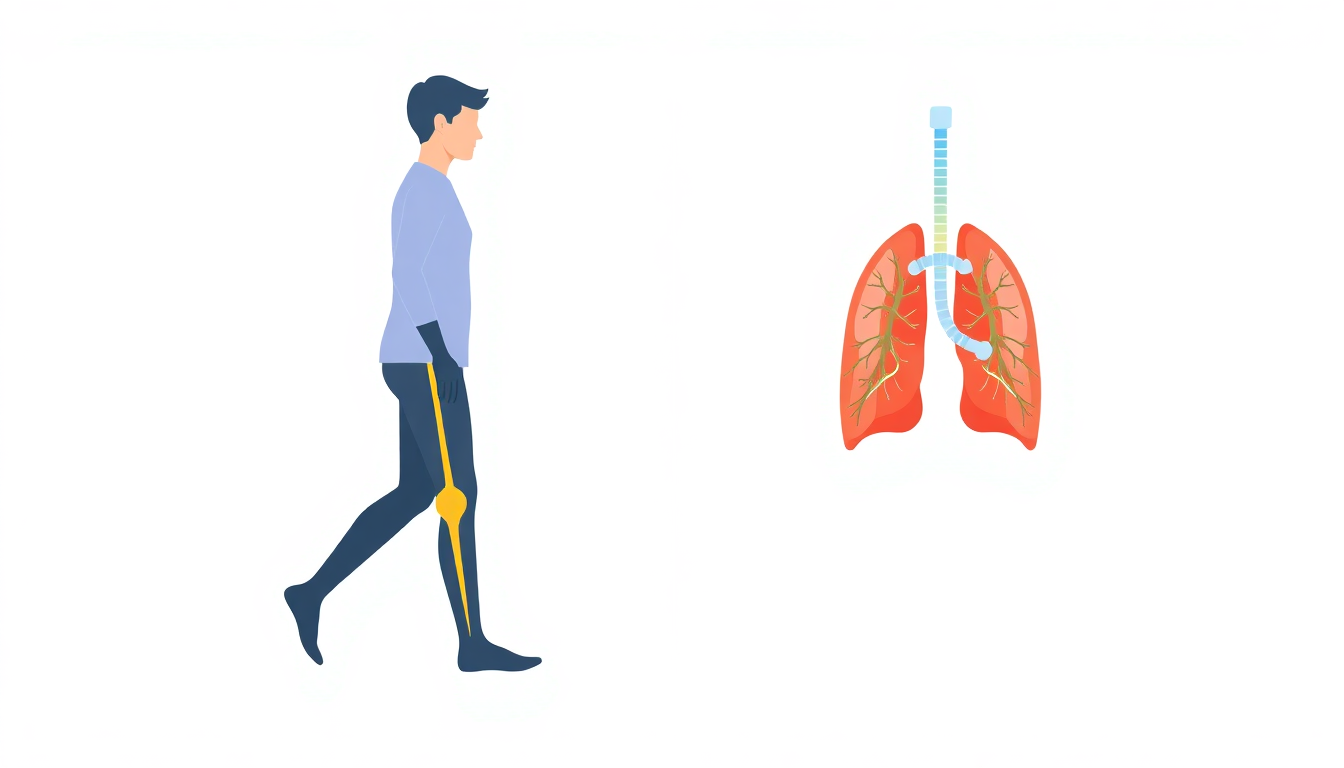
When One Part Fails: Effects Across the Body

📑 5 slides 👁 12 views 📅 11/8/2026 📺 YouTube
0.0 (0 ratings)

One Injury, Many Effects

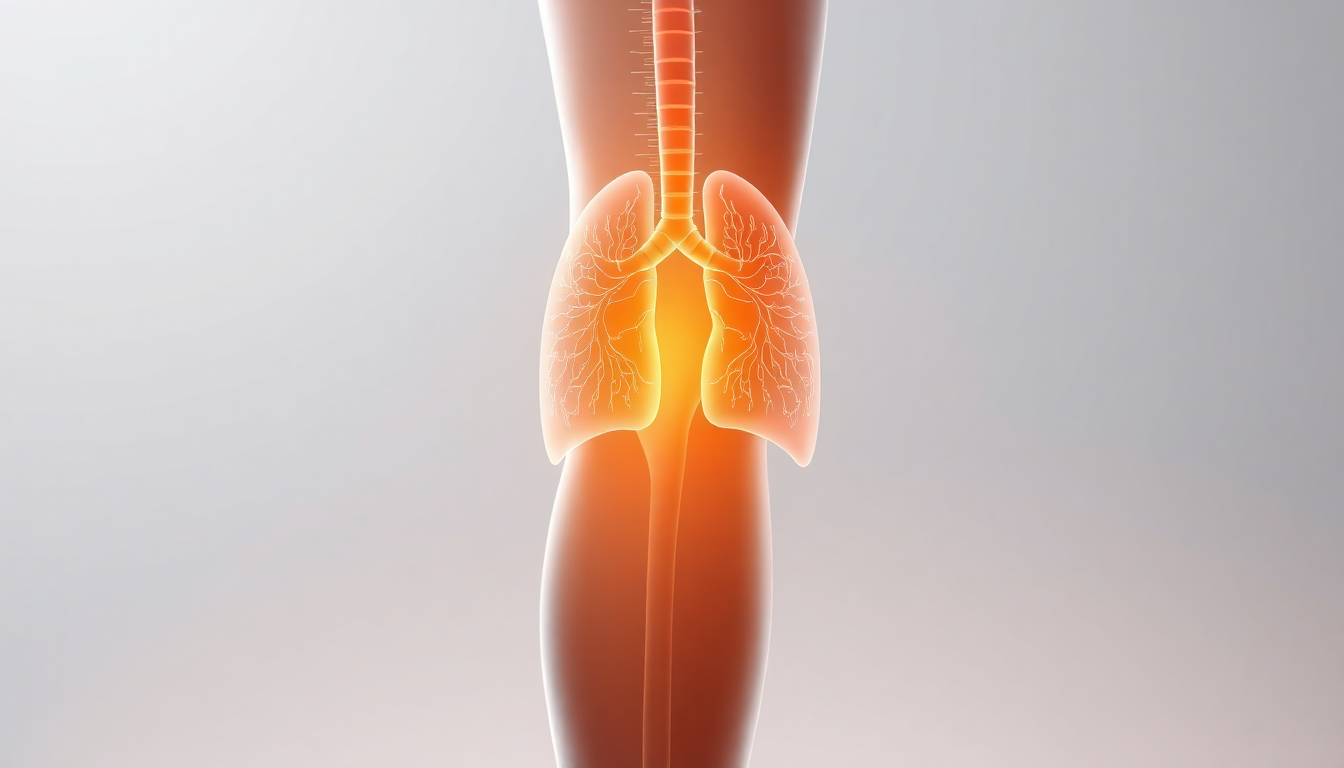
Living things depend on organs, tissues, and cells working together for movement, breathing, and daily activities.

One Injury, Many Effects
2

Case 1: A Torn ACL

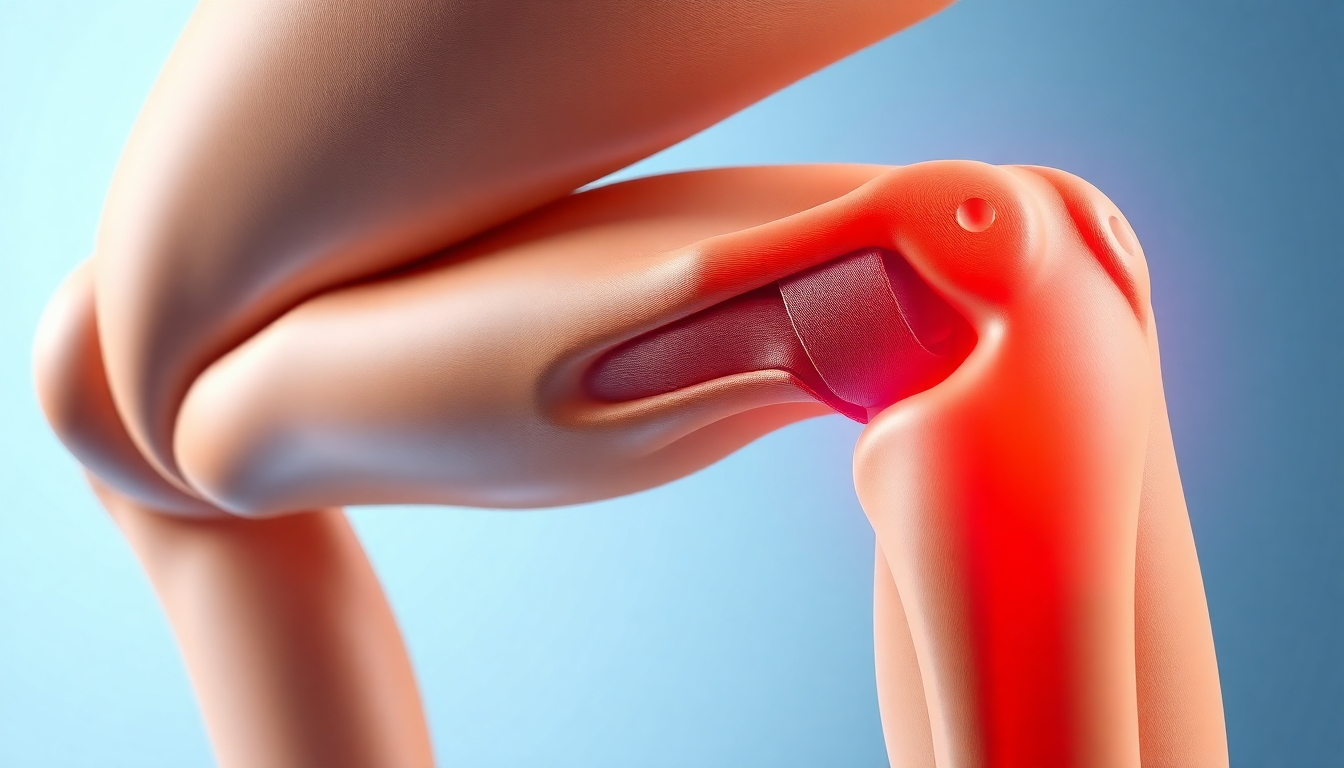
  • The ACL connects the femur to the tibia inside the knee and helps limit forward sliding and rotation.
  • Pivoting, sudden stops, awkward landings, or impact can tear the ligament, often causing pain and swelling.
  • Without ACL stability, the knee may give way during turns or landings, placing cartilage and menisci under stress.
  • Muscles can compensate only partly; unstable movement can make walking, running, and sports difficult or unsafe.
Case 1: A Torn ACL
3

How Movement Systems Work Together

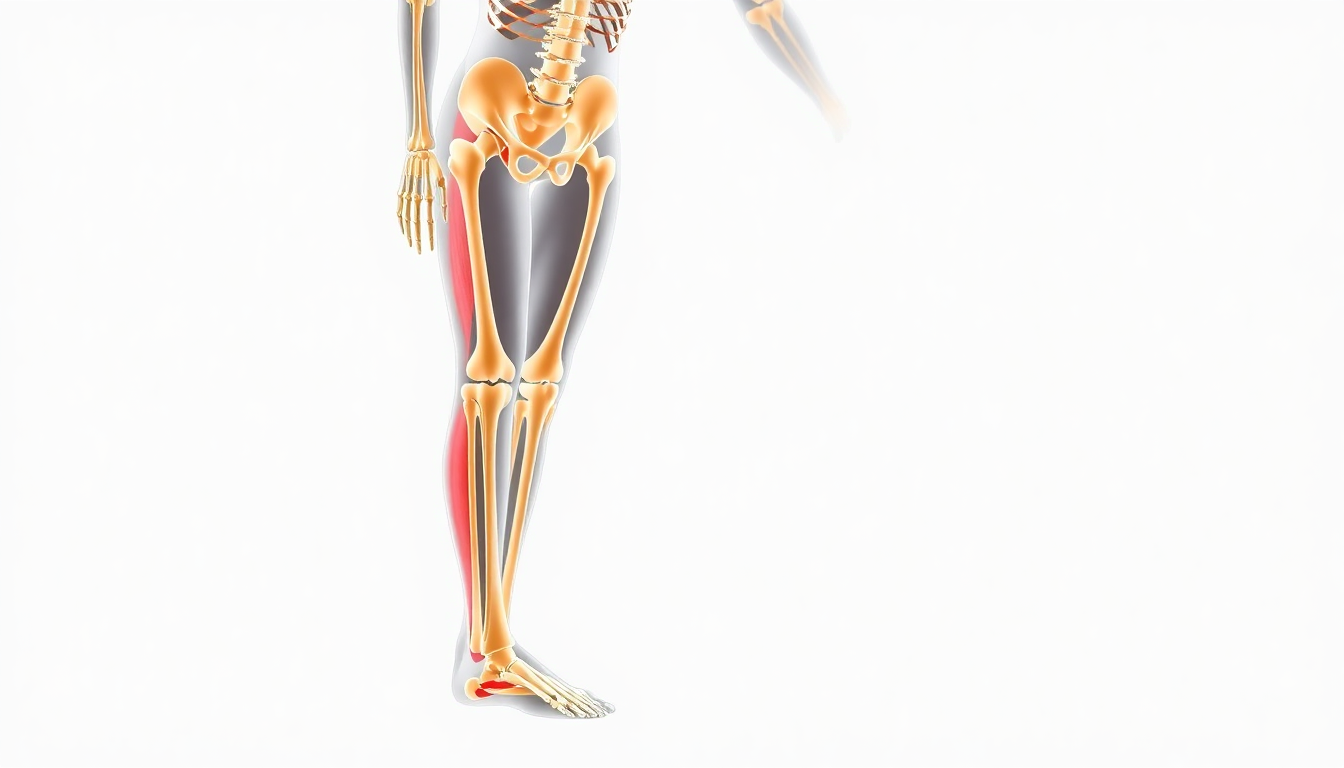
  • Bones provide support and act as levers; joints allow motion, while ligaments help keep those joints stable.
  • Tendons attach muscles to bones, transmitting contraction force; muscles pull rather than push and often work in pairs.
  • At the knee, quadriceps extend the leg and hamstrings bend it, while ligaments help control joint movement.
  • After an ACL tear, the skeletal joint loses a stabilizer and surrounding muscles work harder without fully replacing it.
How Movement Systems Work Together
4

Case 2: Asthma and Oxygen Delivery

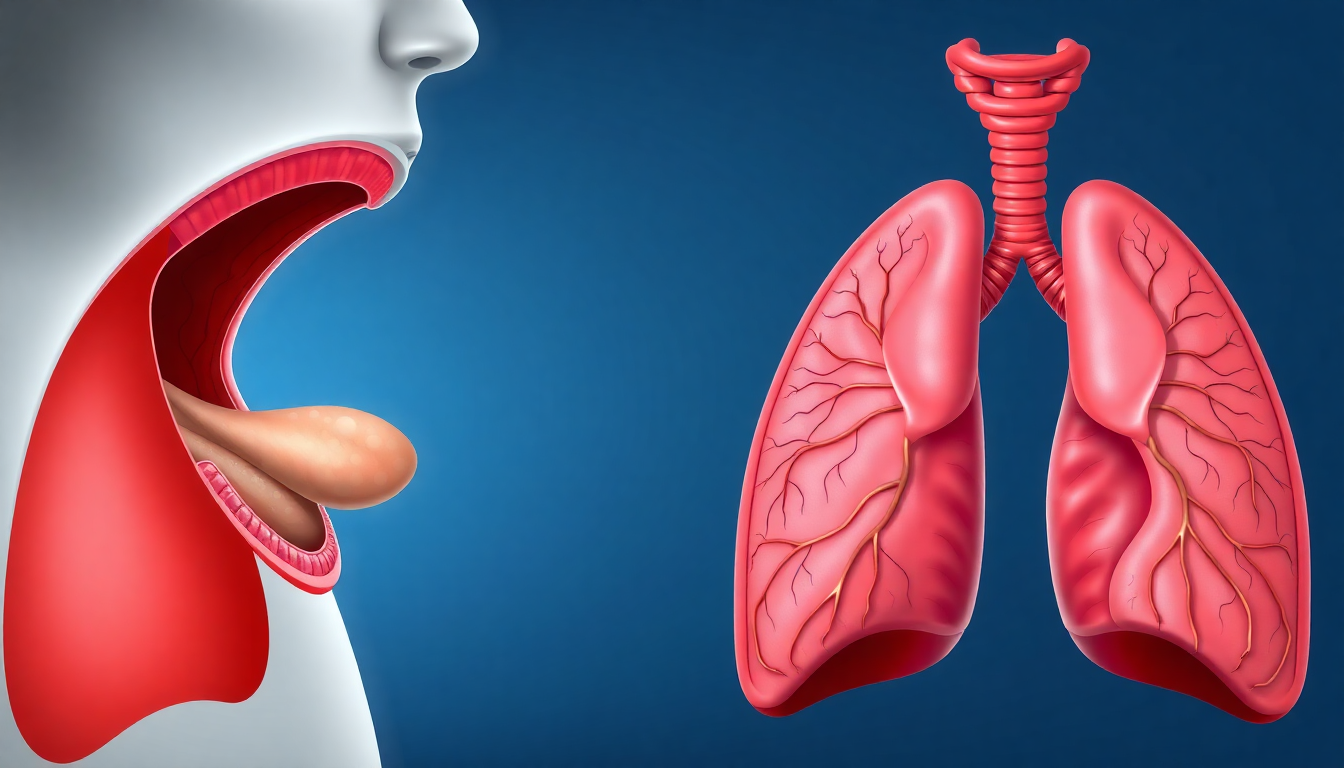
  • Asthma causes sensitive, inflamed airways; triggers can include pollen, smoke, exercise, cold air, or infection.
  • During an attack, airway swelling, tightened smooth muscle, and extra mucus narrow the passage for air.
  • Less air reaches the alveoli, reducing oxygen entering the blood and limiting delivery to tissues throughout the body.
  • Shortness of breath, chest tightness, wheezing, and fatigue may occur; the heart may beat faster to compensate.
Case 2: Asthma and Oxygen Delivery
5

The Ripple Effect Across the Organism

  • In an ACL tear, ligament damage disrupts knee stability, strains coordination between systems, and limits safe movement.
  • In asthma, narrowed airways impair oxygen loading, affecting the respiratory system, circulation, and oxygen-dependent cells.
  • Both cases follow a pattern: damage to one key part disrupts system function and creates whole-body limitations.
  • Understanding how structures normally cooperate helps explain symptoms, consequences, and why biological systems are vulnerable.
The Ripple Effect Across the Organism
1 / 5