IoT Visibility for Product Development
📑 10 slides
👁 31 views
📅 1/30/2026
Introduction to IoT in Product Dev
IoT connects physical devices to collect and exchange data in real-time.
2
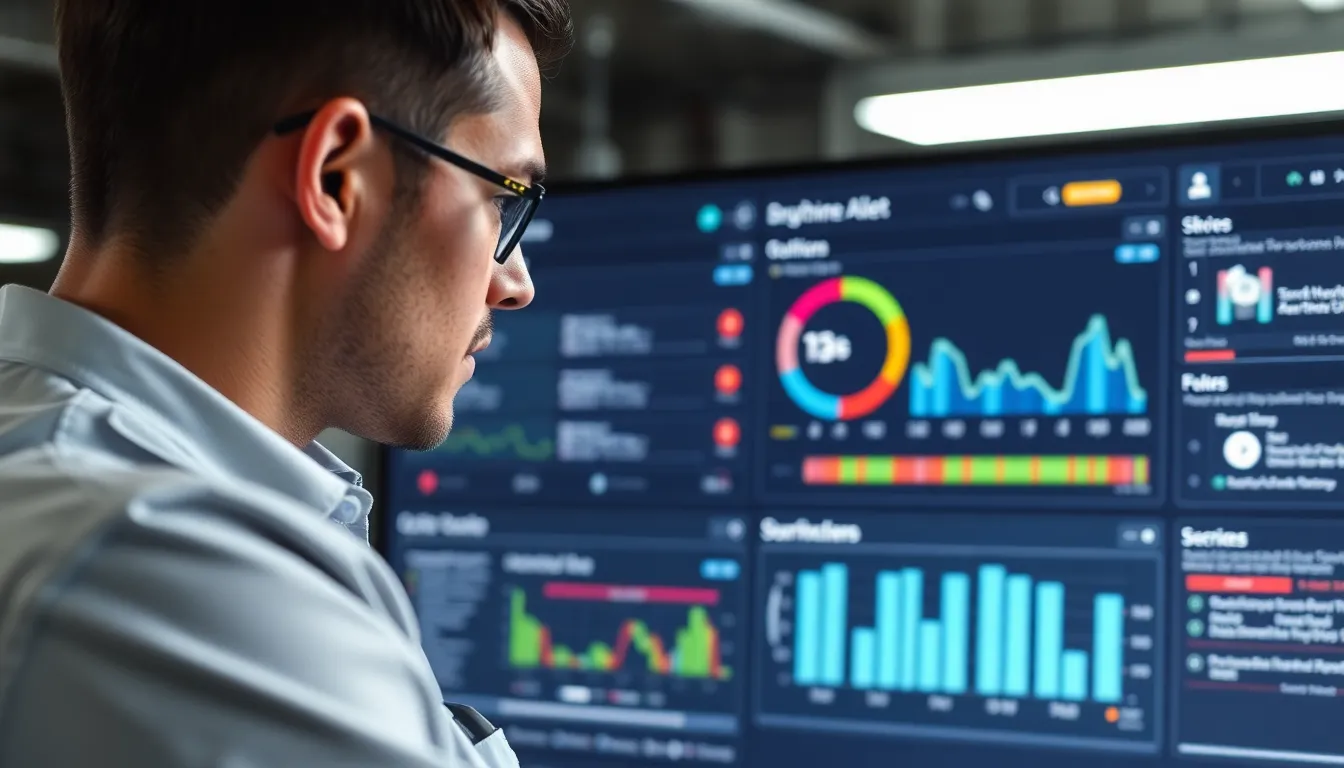
Real-Time Data Collection
- IoT sensors track product performance metrics like temperature and usage.
- Enables immediate feedback loops during the development phase.
- Reduces time-to-market by identifying issues early.
3
Enhanced User Behavior Insights
- IoT data reveals how users interact with products in real-world conditions.
- Helps identify pain points and areas for improvement.
- Supports data-driven decision-making for feature enhancements.
4
Predictive Maintenance
- IoT enables predicting failures before they occur using historical data.
- Reduces downtime and improves product reliability.
- Integrates with development to refine durability testing.
5
Remote Monitoring Capabilities
- Developers can monitor deployed products remotely via IoT networks.
- Facilitates continuous improvement post-launch.
- Reduces need for physical recalls by enabling software updates.
6
Integration with Development Tools
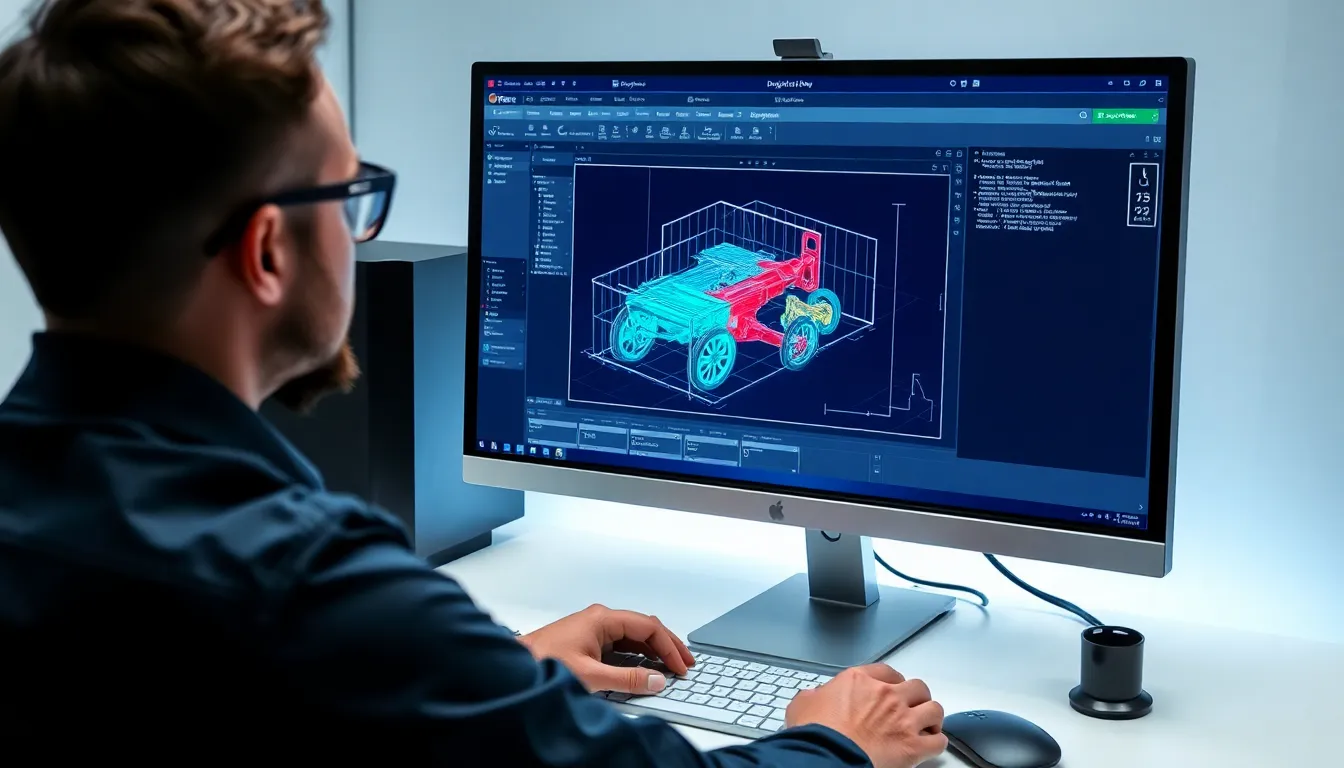
- IoT data feeds directly into CAD and simulation software.
- Enables virtual testing based on real-world conditions.
- Accelerates prototyping and reduces physical testing costs.
7
Cost Efficiency
- IoT reduces development costs by minimizing physical prototypes.
- Lowers post-launch support costs through remote diagnostics.
- Optimizes supply chain by predicting component needs accurately.
8
Security Considerations
- IoT devices must be secured to prevent data breaches.
- Encryption and authentication are critical in product design.
- Compliance with regulations like GDPR ensures user trust.
9
Future Trends
- AI integration with IoT will enable autonomous product improvements.
- 5G will enhance real-time data processing capabilities.
- Edge computing will reduce latency in IoT-enabled development.
10
Conclusion & Key Takeaways
- IoT provides unparalleled visibility into product performance and usage.
- Drives innovation by enabling data-driven development cycles.
- Essential for staying competitive in modern product markets.
1 / 10