Inverter PM: Understanding Power Management
📑 10 slides
👁 21 views
📅 1/28/2026
Introduction to Inverter PM
Inverter PM systems regulate power conversion between DC and AC.
2
How Inverter PM Works
- Converts DC power from batteries or solar panels to AC for appliances.
- Uses pulse-width modulation (PWM) to control output voltage.
- Includes safety features like overload and short-circuit protection.
3
Types of Inverters
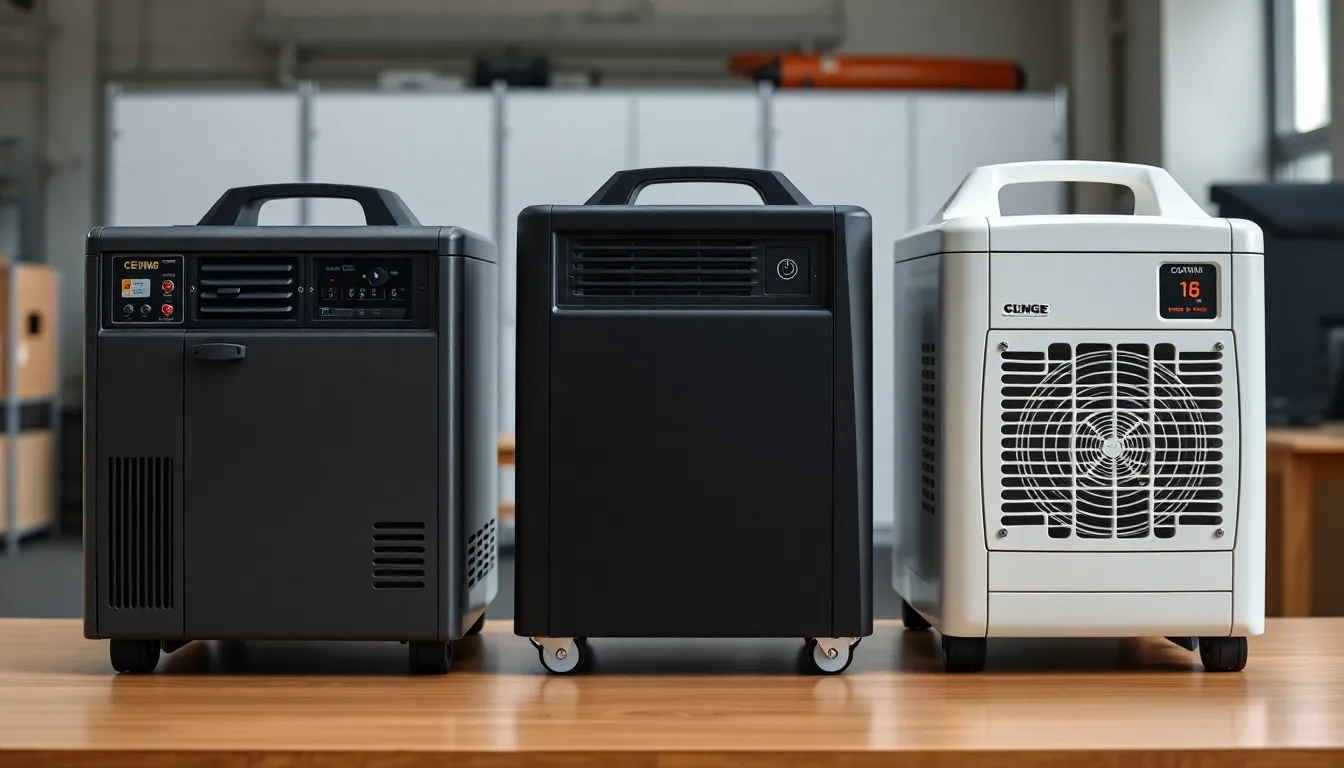
- Square wave inverters: Basic, low-cost but inefficient.
- Modified sine wave: Better efficiency for common devices.
- Pure sine wave: High efficiency, suitable for sensitive electronics.
4
Key Components
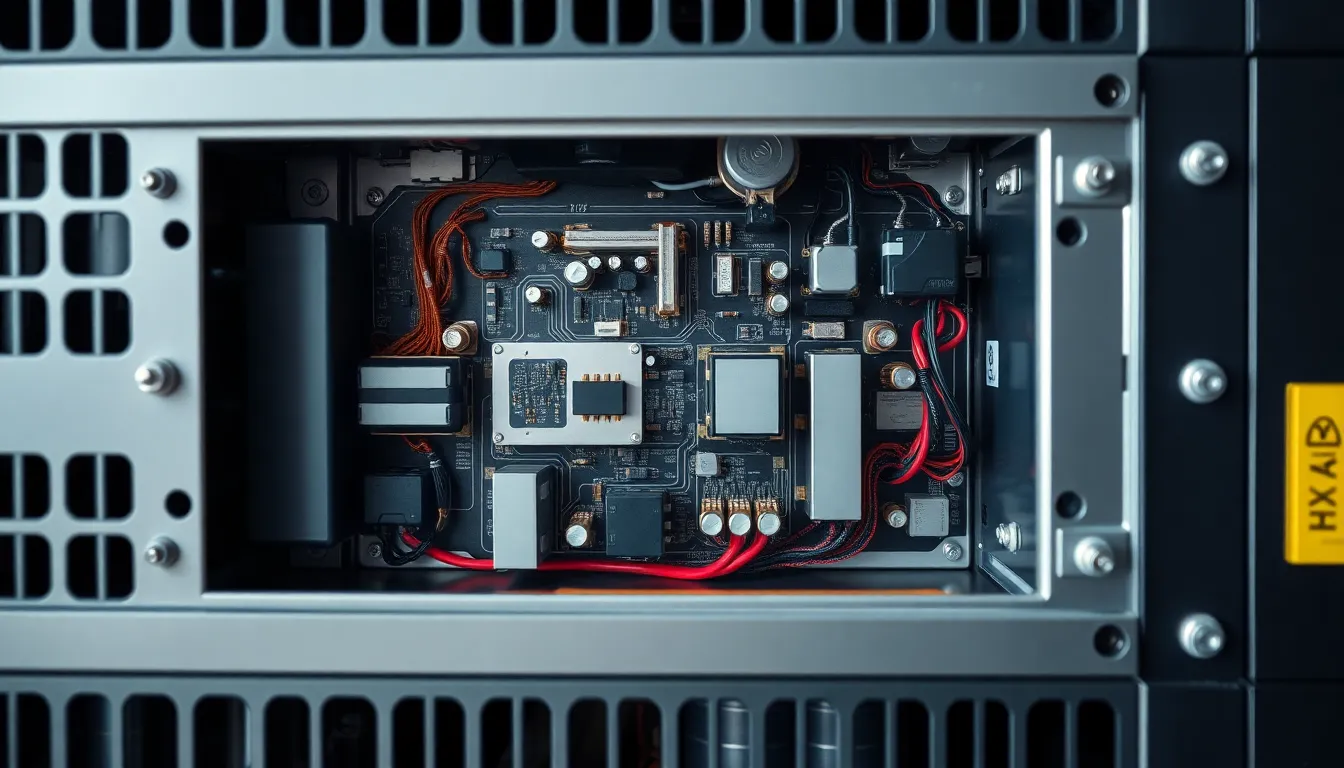
- Transformer: Steps up or down the voltage as needed.
- Capacitors: Store and regulate electrical energy.
- Microcontroller: Manages power conversion and safety protocols.
5
Applications in Renewable Energy
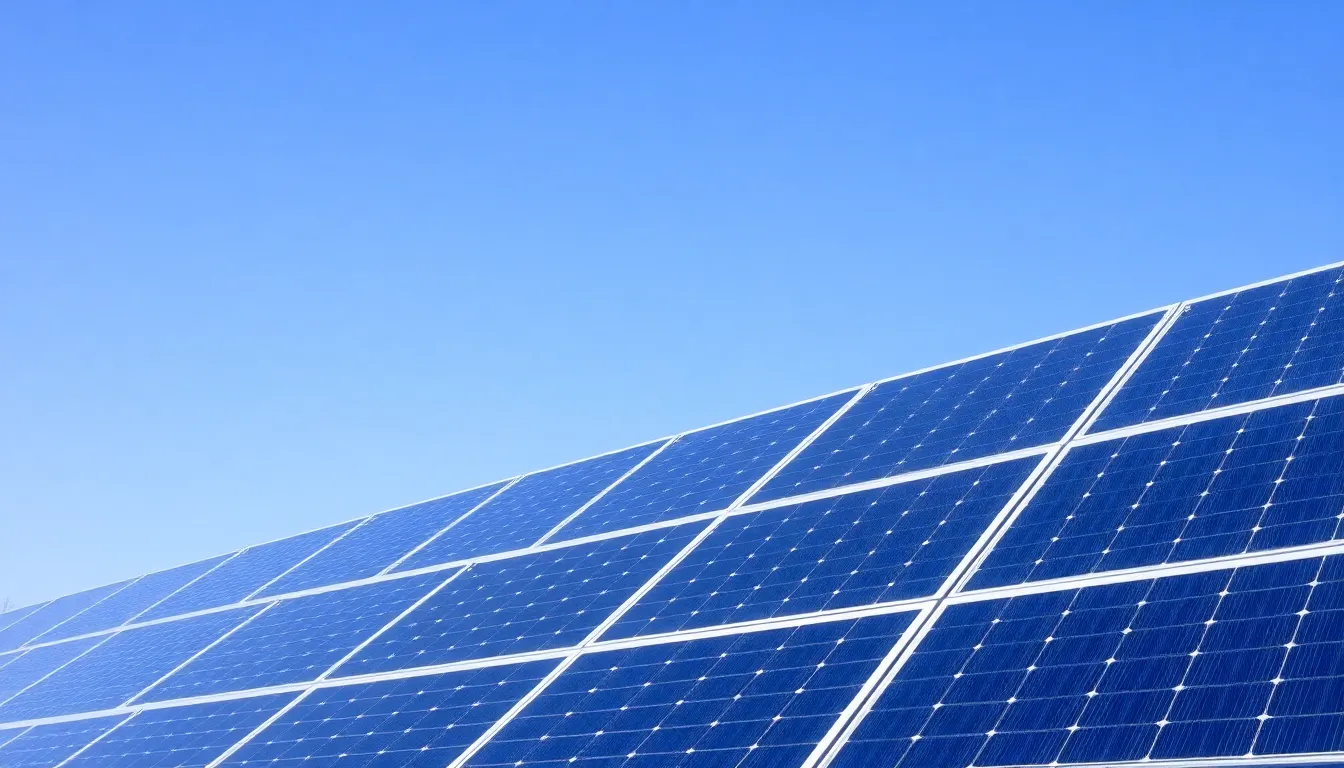
- Solar power systems: Converts solar DC to household AC.
- Wind turbines: Manages variable wind-generated power.
- Hybrid systems: Combines multiple renewable sources efficiently.
6
Energy Efficiency Benefits
- Reduces energy waste by optimizing power conversion.
- Smart inverters adjust output based on real-time demand.
- Can increase overall system efficiency by 10-15%.
7
Maintenance and Safety
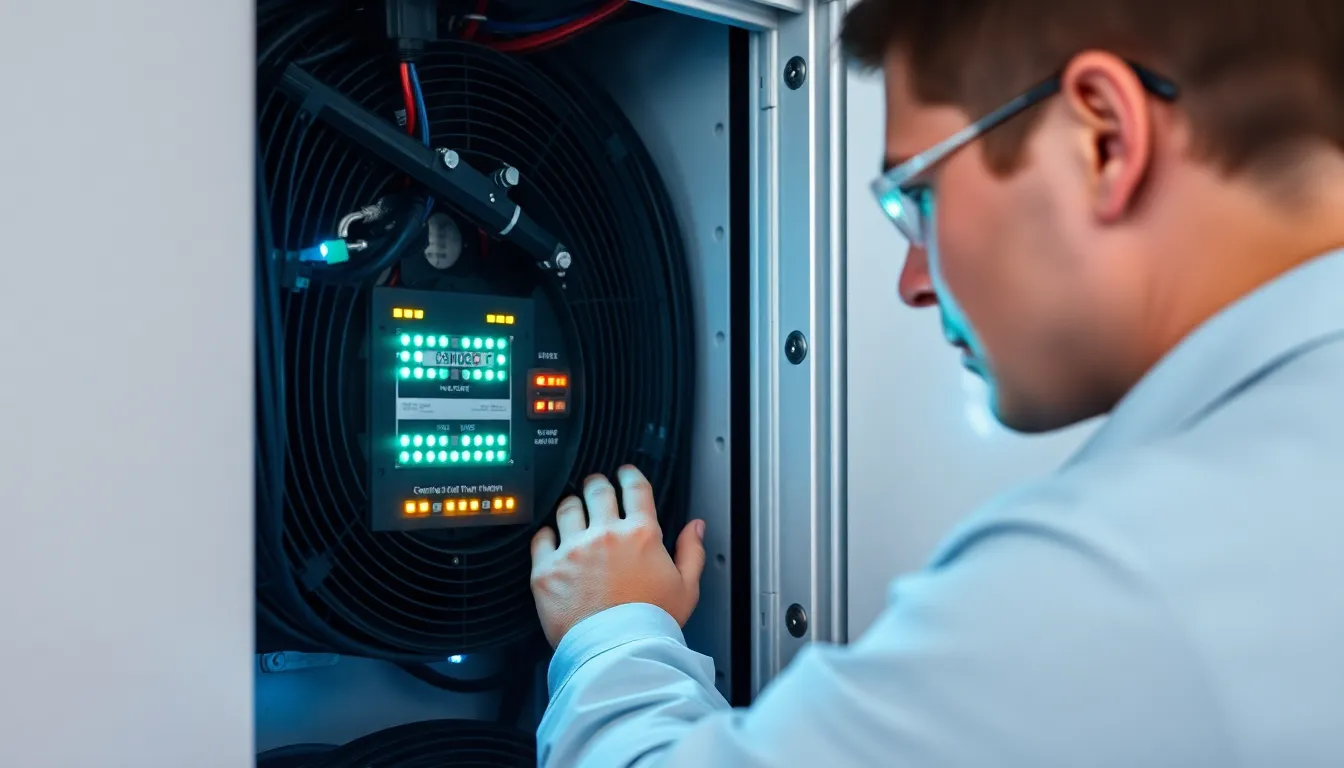
- Regular cooling system checks prevent overheating.
- Dust and moisture protection extends component life.
- Proper grounding and insulation prevent electrical hazards.
8
Industry Trends
- Growing demand for smart grid-compatible inverters.
- Integration with IoT for remote monitoring and control.
- Development of more compact and lightweight designs.
9
Choosing the Right Inverter
- Match wattage capacity to your power requirements.
- Consider efficiency ratings and warranty periods.
- Evaluate additional features like USB ports or WiFi connectivity.
10
Conclusion and Future Outlook
- Inverter PM is crucial for modern energy systems.
- Technological advancements continue to improve performance.
- Will play key role in global transition to renewable energy.
1 / 10