Introduction to Biomedical Technology

📑 5 slides 👁 20 views 📅 3/12/2026
0.0 (0 ratings)

What is Biomedical Technology?

Biomedical technology combines biology and engineering to develop medical solutions.

What is Biomedical Technology?
2

Key Applications in Medicine

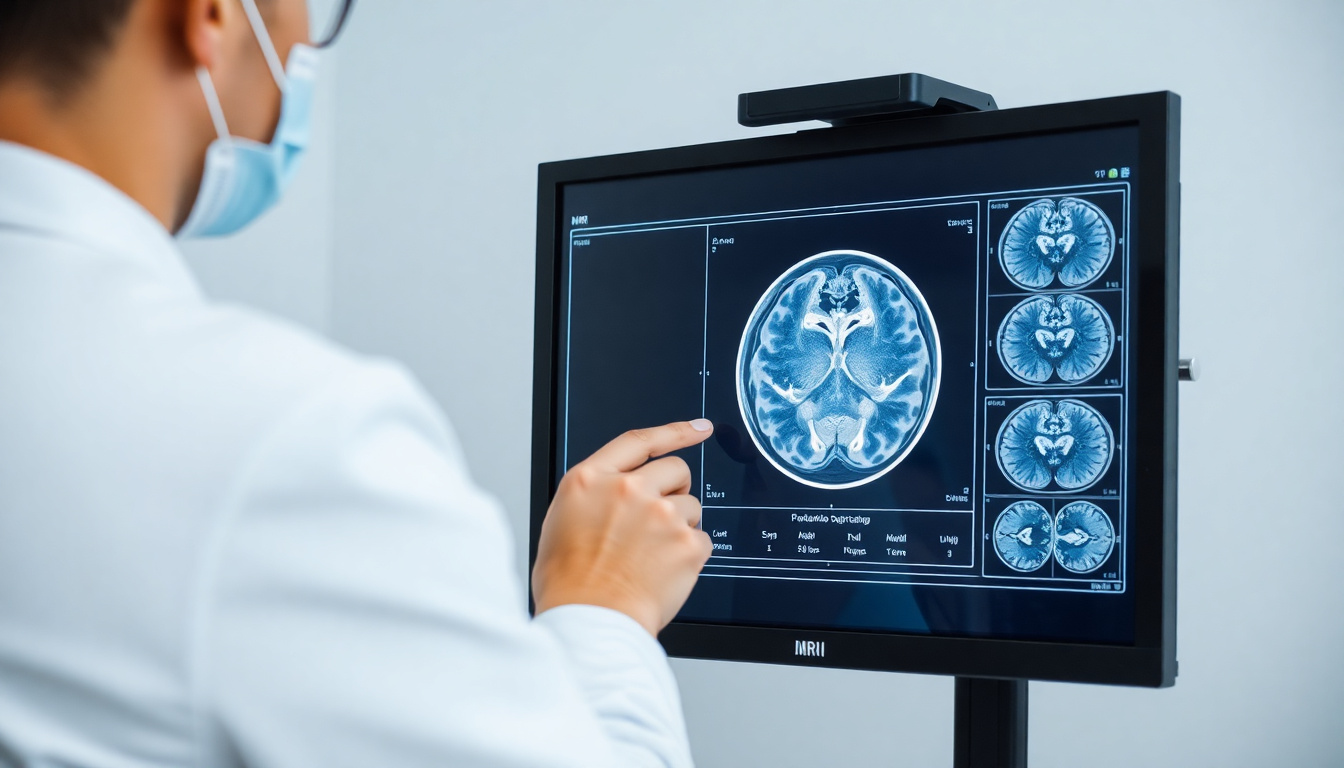
  • Medical imaging: MRI, CT scans, and ultrasound for non-invasive diagnosis.
  • Prosthetics and implants: Advanced materials for mobility and organ support.
  • Biotech drugs: Genetically engineered medications for targeted therapy.
  • Telemedicine: Remote monitoring and diagnostics via wearable devices.
Key Applications in Medicine
3

Innovations Shaping the Future

  • AI in diagnostics: Machine learning improves accuracy in detecting diseases.
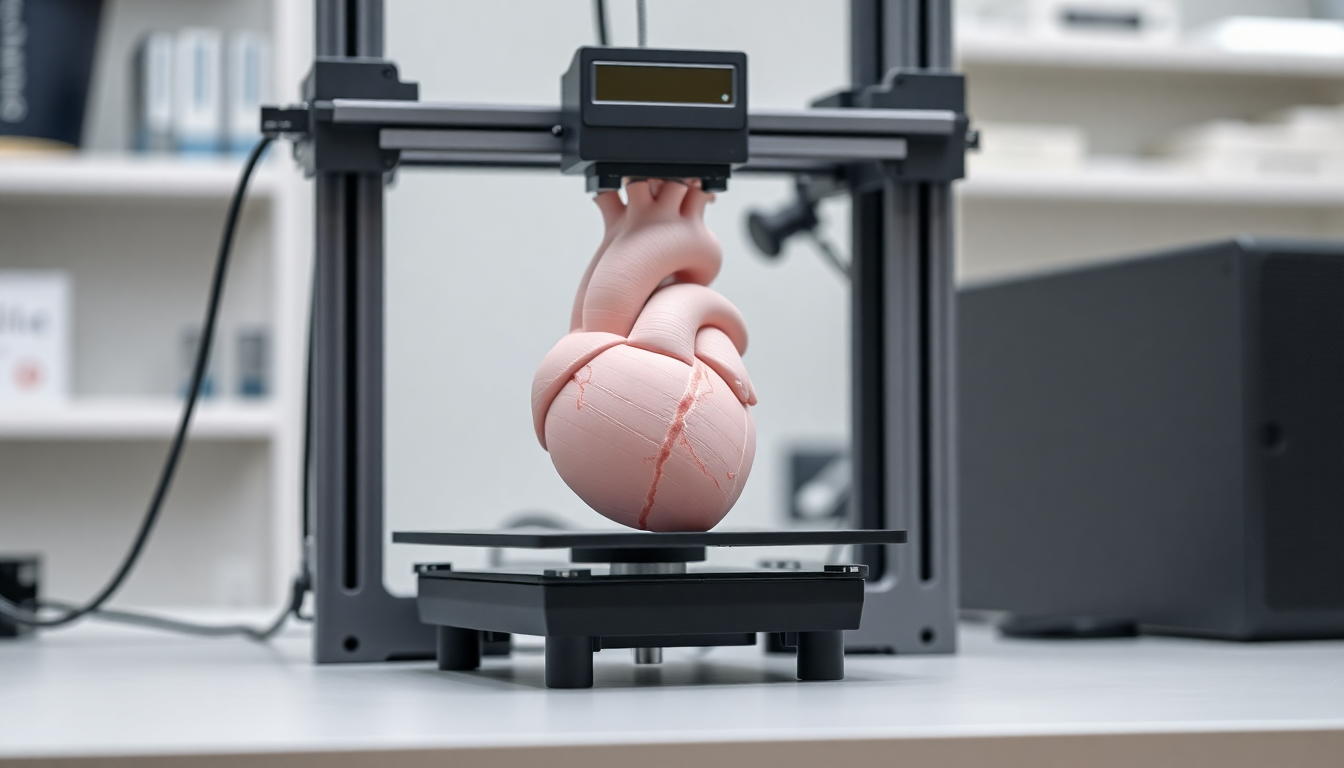
  • 3D bioprinting: Creating tissues and organs for transplants and research.
  • Nanomedicine: Tiny particles deliver drugs precisely to affected areas.
  • CRISPR: Gene editing for treating genetic disorders and cancers.
Innovations Shaping the Future
4

Challenges and Ethical Considerations

  • High costs limit accessibility in developing regions.
  • Data privacy concerns with AI and wearable health trackers.
  • Ethical debates over gene editing and artificial organs.
  • Regulatory hurdles slow down the approval of new technologies.
Challenges and Ethical Considerations
5

Summary and Future Outlook

  • Biomedical tech revolutionizes healthcare with cutting-edge tools.
  • Ongoing research promises breakthroughs in personalized medicine.
  • Collaboration between scientists, engineers, and doctors is key.
  • The future holds potential for longer, healthier lives globally.
Summary and Future Outlook
1 / 5