Introduction to AI in Travel & Tourism

📑 10 slides 👁 33 views 📅 1/29/2026 📄 PDF
0.0 (0 ratings)

Introduction to AI

AI has gained global attention in 2023 with leaders like King Charles III and the UN praising its potential.

Introduction to AI
2

Brief History of AI

  • Origins trace back to 1950s with Alan Turing's work on machine intelligence.
  • Key milestones: IBM Deep Blue (1997) and Watson (2011) demonstrated AI capabilities.
  • 2018 saw first AI-generated artwork sold at Christie's for $432,500.
Brief History of AI
3

AI Components

  • Algorithms: The 'brains' that process information and make decisions.
  • Data: The fuel that powers AI learning, with global data estimated at 175ZB by 2025.
  • Compute: Specialized GPU/TPU chips enable complex AI processing.
AI Components
4

Types of AI Learning

  • Supervised Learning: AI trained with labeled data (e.g. animal recognition).
  • Unsupervised Learning: Finds patterns in unlabeled data.
  • Reinforcement Learning: Learns through trial-and-error feedback.
Types of AI Learning
5

AI in Healthcare

  • Google's AlphaFold predicts protein structures for medical research.
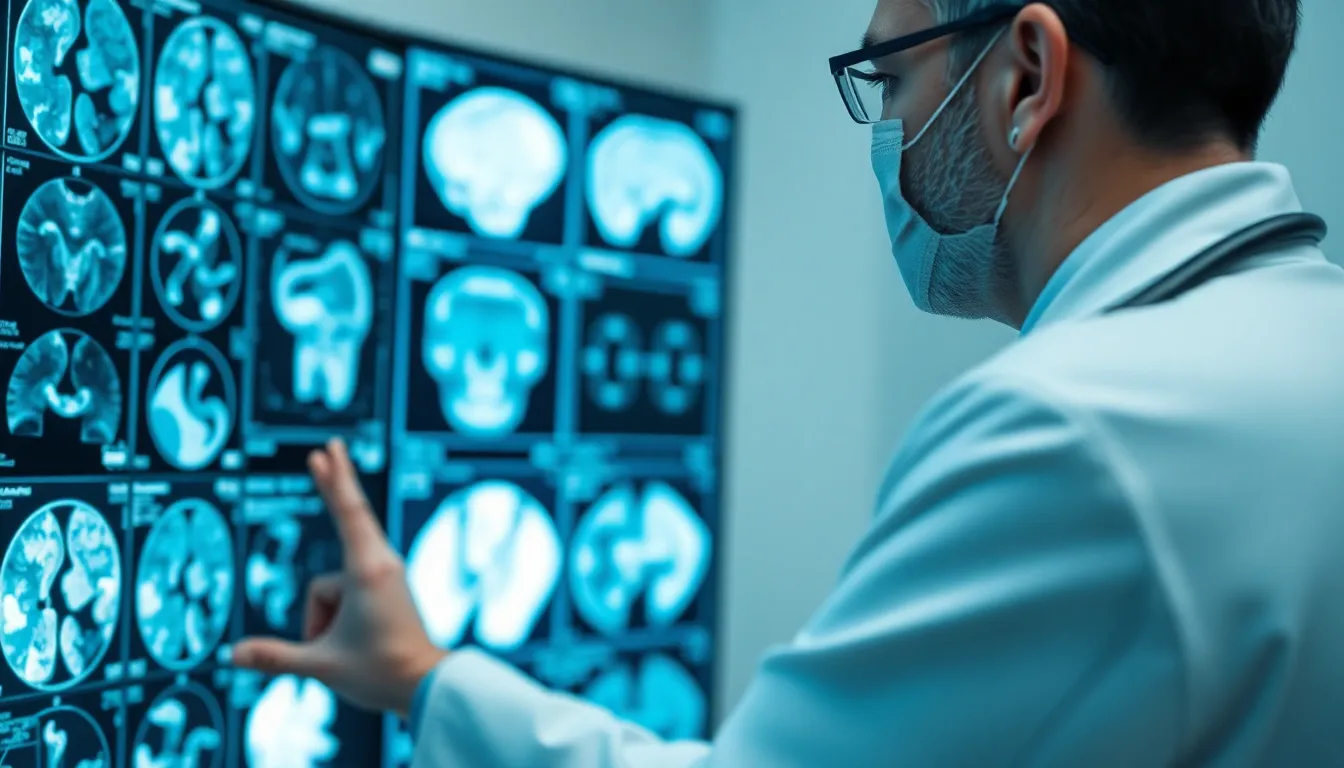
  • AI detects breast cancer as accurately as 2 radiologists combined.
  • Reduces workload by 50% while increasing detection rates by 20%.
AI in Healthcare
6

Creative AI Applications

  • AI-generated art: From $432K portrait (2018) to photorealistic images (2023).
  • Music: Beatles' final song used AI to extract Lennon's voice from old tapes.
  • Video: Potential for AI-generated marketing content and films.
Creative AI Applications
7

Data Infrastructure

  • Data Warehouses: Structured storage for booking info, pricing, etc.
  • Data Lakes: Unstructured storage for social media, images, reviews.
  • Combined as 'Data Lakehouses' for comprehensive insights.
Data Infrastructure
8

Computing Power

  • NVIDIA GPUs: Originally for gaming, now power AI processing.
  • Google TPUs: Specialized AI chips doing 400T calculations/second.
  • UK investing £900M in 'Isambard AI' exascale supercomputer.
Computing Power
9

AI Challenges

  • Deepfakes: Realistic but fake media raises disinformation concerns.
  • Job impacts: Hollywood strikes over AI scriptwriting and digital actors.
  • Governance needed for ethical AI use in society.
AI Challenges
10

Conclusion

  • AI offers transformative potential for personalized travel experiences.
  • Requires understanding of algorithms, data, and computing power.
  • Balancing innovation with governance will shape tourism's AI future.
Conclusion
1 / 10