Importance of Financial Skills among Youth for Financial Inclusion

📑 10 slides 👁 35 views 📅 1/28/2026
0.0 (0 ratings)

Introduction

Financial skills are essential for youth to navigate modern economies.

Introduction
2

Current Financial Literacy Gaps

  • Only 33% of youth globally demonstrate basic financial literacy.
  • 62% of young adults struggle with budget management skills.
  • Gender gap exists with 7% fewer females financially literate.
  • Urban youth score 15% higher than rural counterparts.
Current Financial Literacy Gaps
3

Key Financial Skills Needed

  • Budgeting: 78% of youth lack monthly expense tracking habits.
  • Saving: Critical for emergency funds and future investments.
  • Digital payments: Essential in increasingly cashless societies.
  • Credit awareness: Prevents debt traps in early adulthood.
Key Financial Skills Needed
4

Benefits of Early Education

  • Youth with financial training save 23% more by age 25.
  • Reduces likelihood of payday loan usage by 42%.
  • Increases likelihood of opening bank accounts by 3.5x.
  • Leads to 18% higher average credit scores in adulthood.
Benefits of Early Education
5

Digital Financial Inclusion

  • Mobile banking reaches 57% of unbanked youth populations.
  • Digital wallets increase savings participation by 31%.
  • Fintech apps make learning interactive for digital natives.
  • Blockchain enables secure cross-border youth transactions.
Digital Financial Inclusion
6

Entrepreneurship Connection

  • Financially literate youth are 2x more likely to start businesses.
  • Proper bookkeeping increases small business survival by 67%.
  • Understanding loans helps access startup capital.
  • Cash flow management critical for business sustainability.
Entrepreneurship Connection
7

Policy & Program Solutions

  • School curriculum integration in 47 countries shows success.
  • Mobile learning platforms reach rural areas effectively.
  • Public-private partnerships increase program funding.
  • Peer-to-peer education models show 89% engagement rates.
Policy & Program Solutions
8

Overcoming Barriers

  • Cultural taboos about money discussions in 28% of communities.
  • Limited parental financial knowledge in low-income households.
  • Regulatory challenges for youth banking products.
  • Digital divide affects 39% of developing world youth.
Overcoming Barriers
9

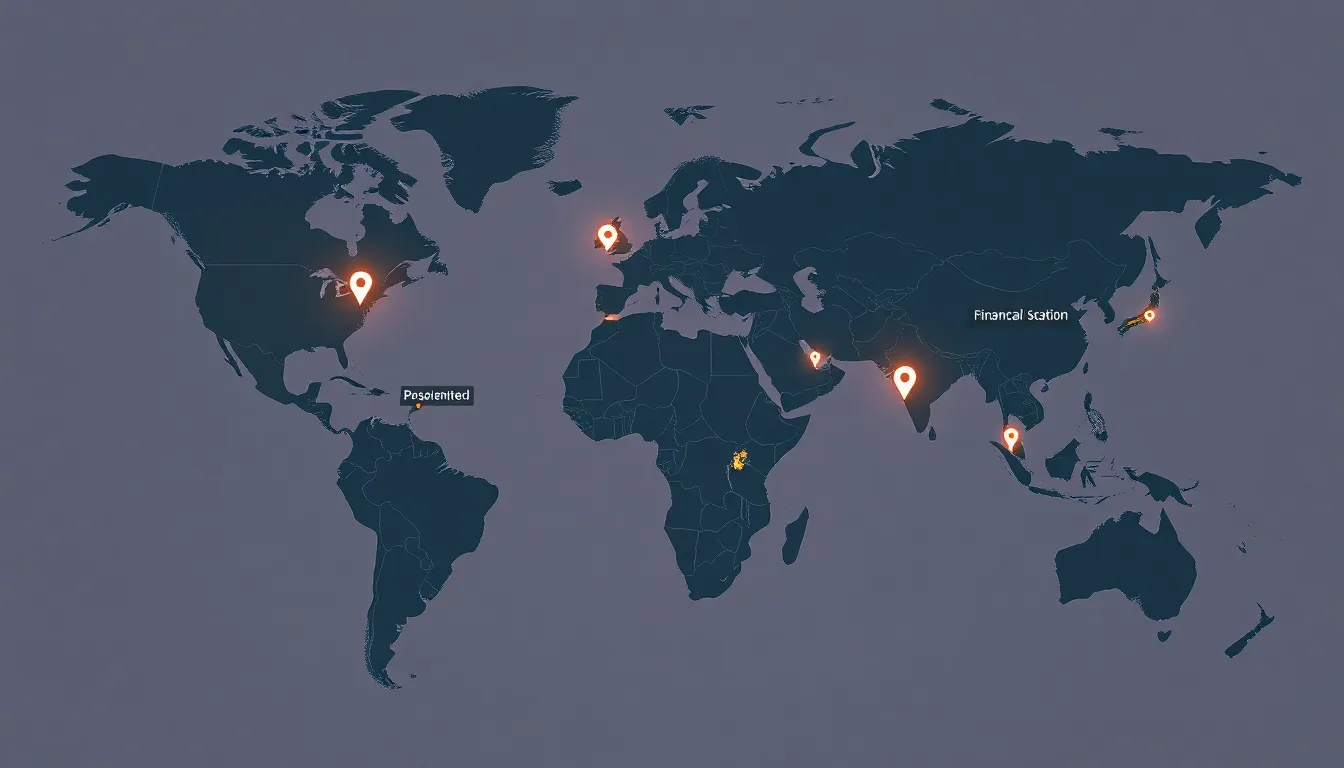
Global Best Practices

  • Brazil's school banking program reaches 12 million students.
  • Kenya's mobile money system adopted by 83% of youth.
  • EU's financial competency framework standardizes education.
  • Singapore's national financial literacy program since 2003.
Global Best Practices
10

Conclusion & Call to Action

  • Financial skills are fundamental life skills for all youth.
  • Investment in education yields 7x economic return long-term.
  • Requires collaboration between schools, governments & fintech.
  • Empowered youth drive more inclusive financial systems.
Conclusion & Call to Action
1 / 10