Importance of AI

📑 10 slides 👁 23 views 📅 2/2/2026
0.0 (0 ratings)

Introduction to AI

AI refers to machines mimicking human intelligence to perform tasks.

Introduction to AI
2

AI in Healthcare

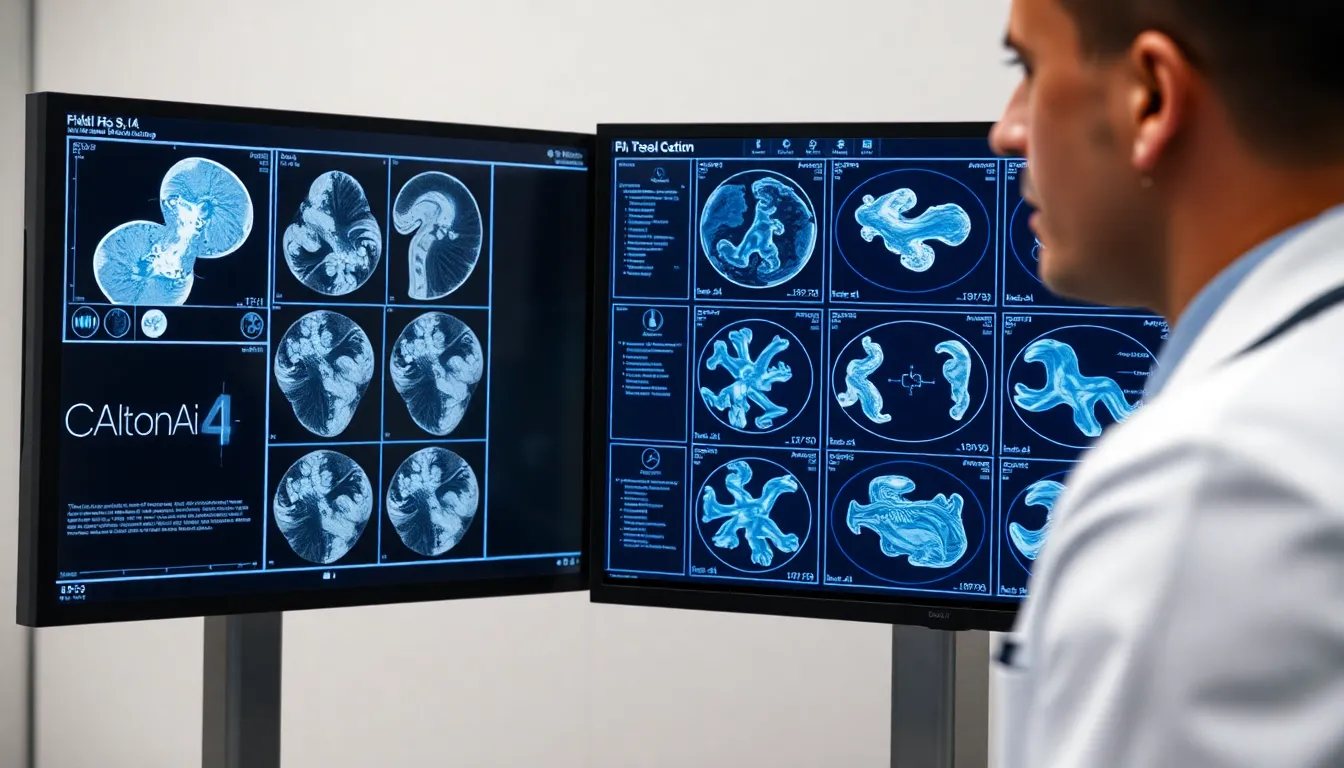
  • AI improves diagnostics with 90% accuracy in detecting diseases like cancer.
  • Predictive analytics help in personalized treatment plans for patients.
  • Robotic surgeries reduce human error and improve precision.
AI in Healthcare
3

AI in Business

  • AI automates repetitive tasks, saving up to 30% of operational costs.
  • Chatbots enhance customer service with 24/7 availability and quick responses.
  • Data analytics powered by AI optimize marketing strategies and sales.
AI in Business
4

AI in Education

  • AI personalizes learning by adapting to individual student needs and pace.
  • Virtual tutors provide instant feedback, improving student engagement.
  • Automated grading systems save teachers time and reduce biases.
AI in Education
5

AI in Finance

  • AI detects fraudulent transactions with 95% accuracy, reducing losses.
  • Algorithmic trading executes trades at optimal times for maximum profit.
  • Credit scoring models assess risk more accurately using AI.
AI in Finance
6

AI in Transportation

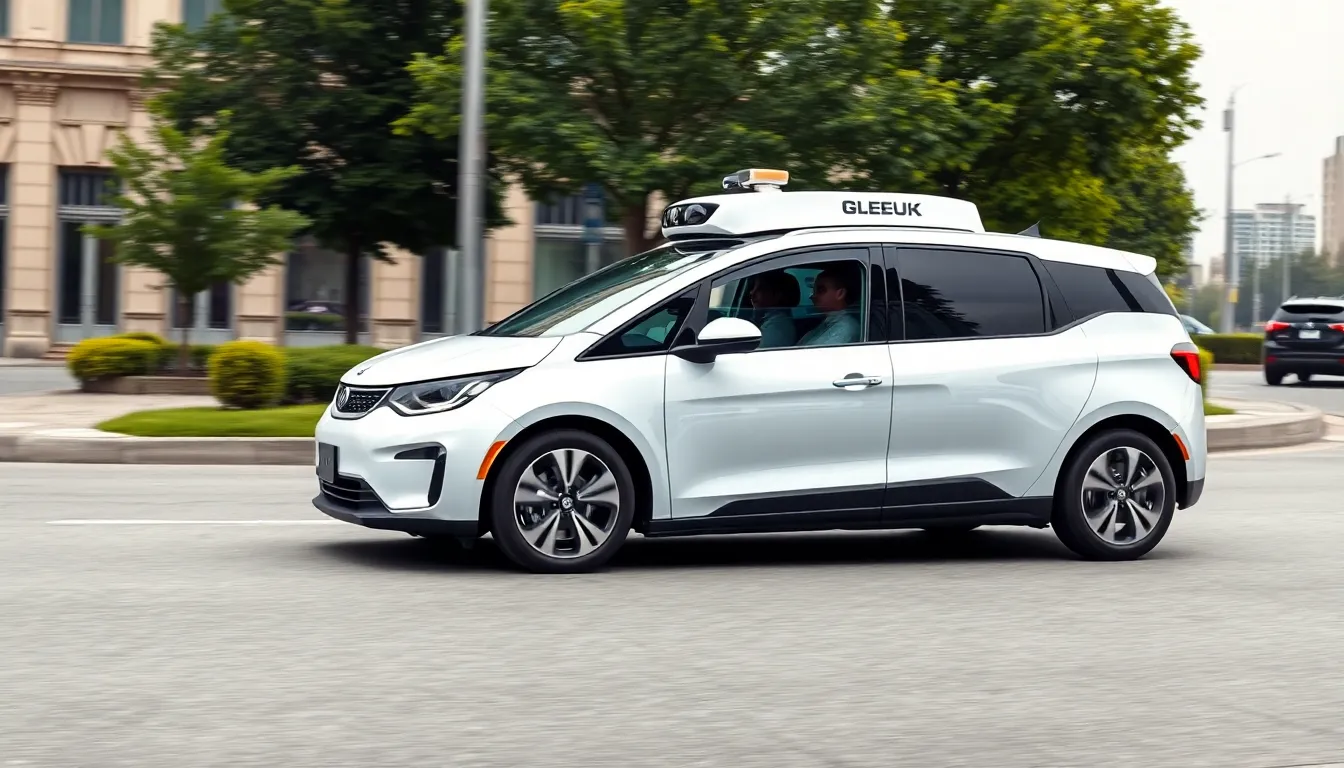
  • Self-driving cars reduce accidents by up to 90% with AI sensors.
  • AI optimizes traffic flow, cutting commute times by 20% in smart cities.
  • Predictive maintenance prevents breakdowns in public transport systems.
AI in Transportation
7

AI in Marketing

  • AI analyzes consumer behavior to create targeted advertising campaigns.
  • Sentiment analysis tracks brand perception across social media platforms.
  • Dynamic pricing adjusts in real-time based on demand and competition.
AI in Marketing
8

AI in Science

  • AI accelerates drug discovery, reducing development time by 50%.
  • Climate models powered by AI predict environmental changes more accurately.
  • AI helps in analyzing vast amounts of data from space explorations.
AI in Science
9

Ethical Considerations

  • AI bias can perpetuate discrimination if not properly addressed.
  • Privacy concerns arise with AI's ability to collect and analyze personal data.
  • Job displacement requires policies for workforce reskilling and adaptation.
Ethical Considerations
10

Conclusion

  • AI is revolutionizing multiple sectors with its efficiency and innovation.
  • Balancing benefits and ethical challenges is crucial for sustainable AI growth.
  • The future of AI promises smarter solutions for global problems.
Conclusion
1 / 10