Immunity: Defense Mechanisms of the Body

๐Ÿ“‘ 5 slides ๐Ÿ‘ 10 views ๐Ÿ“… 2/24/2026 ๐Ÿ“„ PDF
0.0 (0 ratings)

Introduction to Immunity

Immunity is the body's ability to resist and defend against infections and diseases.

Introduction to Immunity
2

Types of Immunity

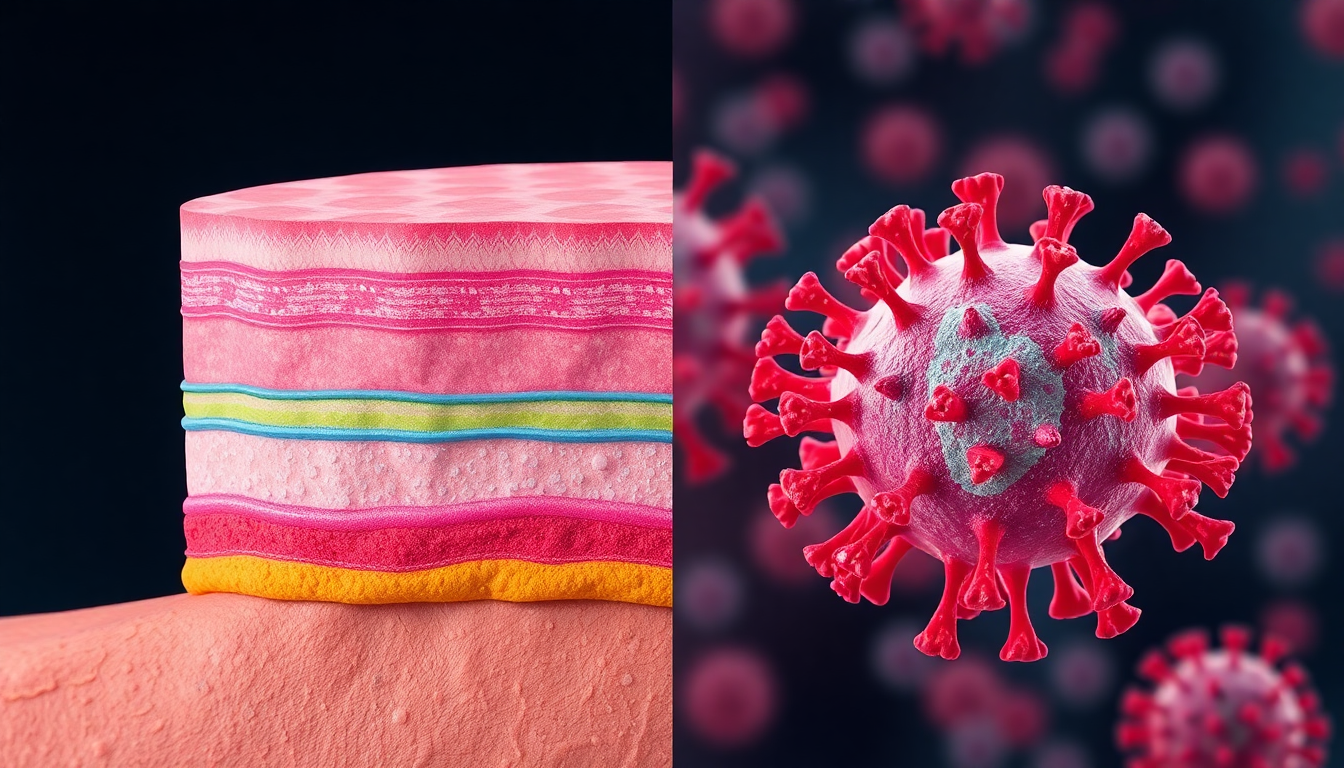
  • Innate Immunity: Present at birth, non-specific, includes skin, mucous membranes, and phagocytic cells.
  • Adaptive Immunity: Develops post-exposure, highly specific, and forms memory for long-term protection.
  • Interesting Fact: Neutrophils die after engulfing bacteria, forming pus.
  • Counter Question: Why does fever aid in fighting infections?
Types of Immunity
3

Humoral Immunity

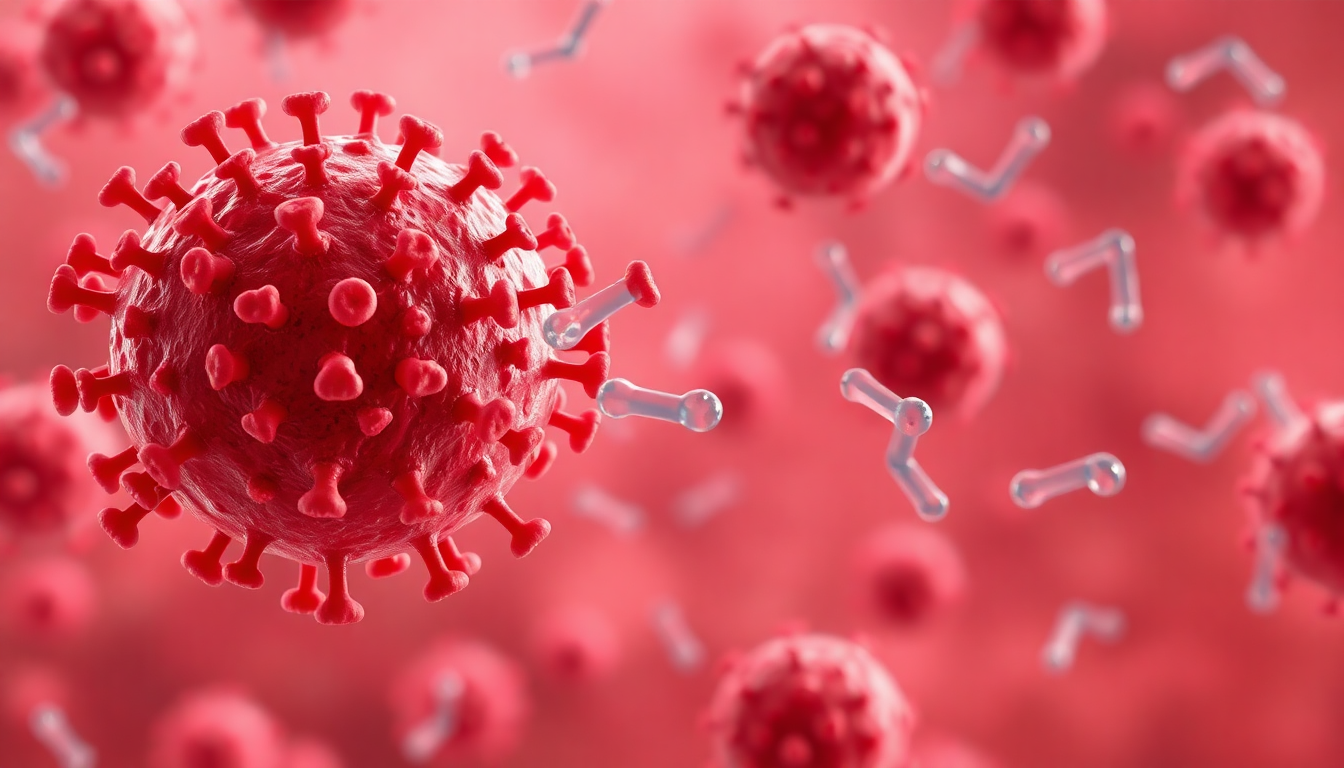
  • Mediated by B lymphocytes, producing antibodies (IgG, IgA, IgM, IgE, IgD) to neutralize pathogens.
  • Process: Antigen recognition โ†’ B-cell activation โ†’ Plasma cells โ†’ Memory B-cells.
  • Interesting Fact: IgG crosses the placenta, providing newborns with temporary immunity.
  • Counter Question: Why do vaccinated individuals sometimes still get mild disease?
Humoral Immunity
4

Cell-Mediated Immunity

  • Mediated by T lymphocytes (Helper T, Cytotoxic T, Regulatory T cells).
  • Functions: Destroy infected cells, activate macrophages, and regulate immune responses.
  • Interesting Fact: HIV specifically targets CD4 helper T cells, weakening immunity.
  • Counter Question: Why are viral infections more dependent on cell-mediated immunity?
Cell-Mediated Immunity
5

Active vs Passive Immunity

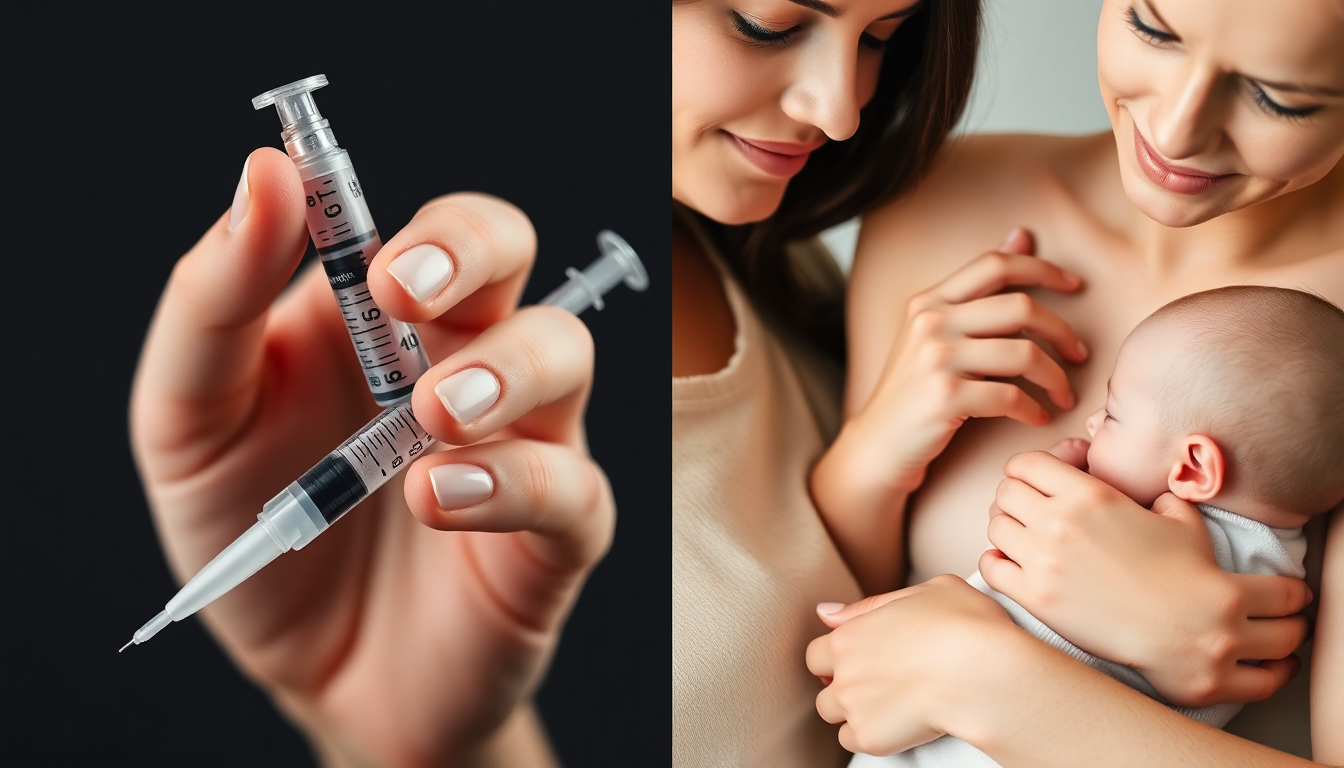
  • Active Immunity: Body produces antibodies (long-lasting, via infection or vaccination).
  • Passive Immunity: Receives ready-made antibodies (immediate but temporary, e.g., antivenom).
  • Interesting Fact: Passive immunity lacks memory cell formation.
  • Counter Question: Why doesnโ€™t antivenom provide long-term protection?
Active vs Passive Immunity
1 / 5