Card Readers: Small Devices, Big Convenience
๐ 5 slides
๐ 2 views
๐
10/8/2026
What Is a Card Reader?
A card reader captures data from a payment card so a terminal or computer can process a transaction.
2
How Card Payments Work
- For chip payments, the reader communicates with the cardโs embedded microchip during the transaction.
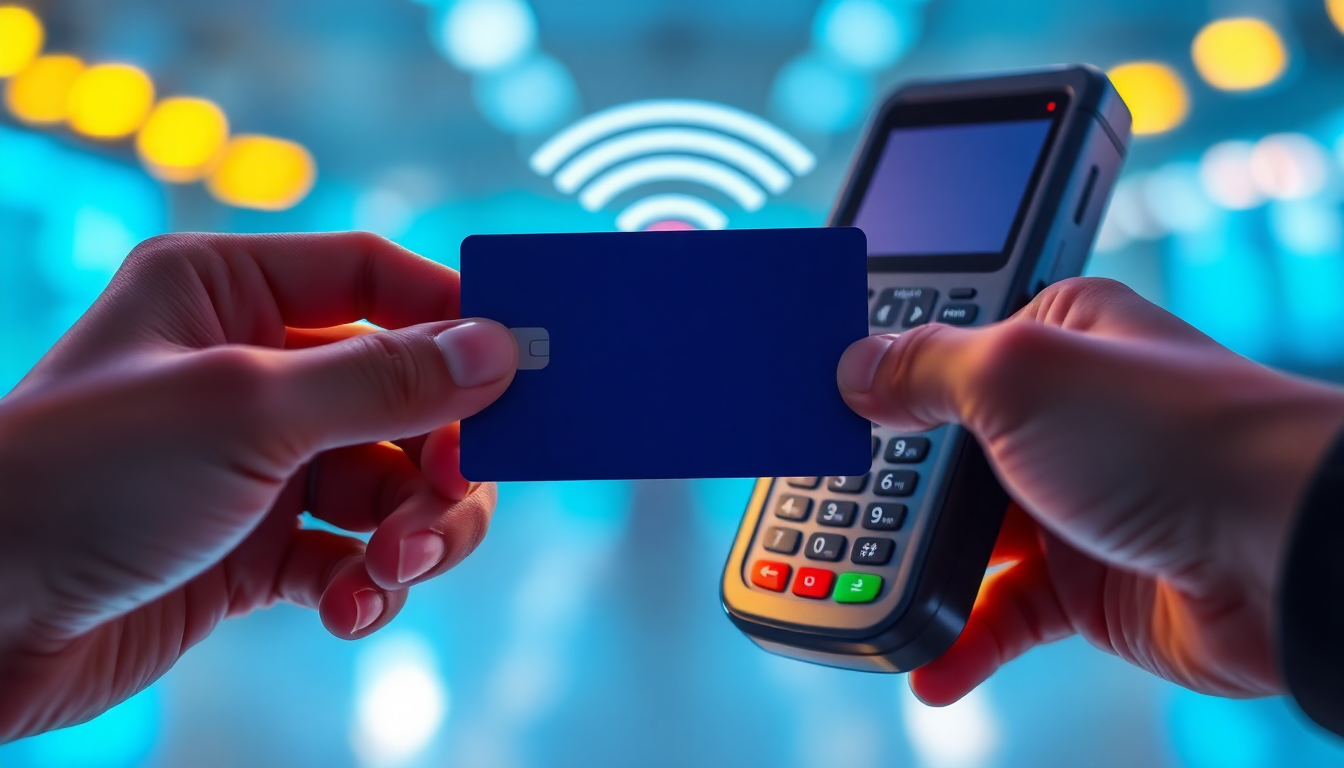
- Contactless readers use near-field communication, typically requiring the card to be within a few centimeters.
- Payment data travels securely to a processor, which checks the transaction with the card issuer.
- Approval usually returns within seconds, though network outages can delay or interrupt checkout.
3
Main Types and Uses
- Chip-and-PIN terminals read inserted cards and ask customers to verify some purchases with a PIN.
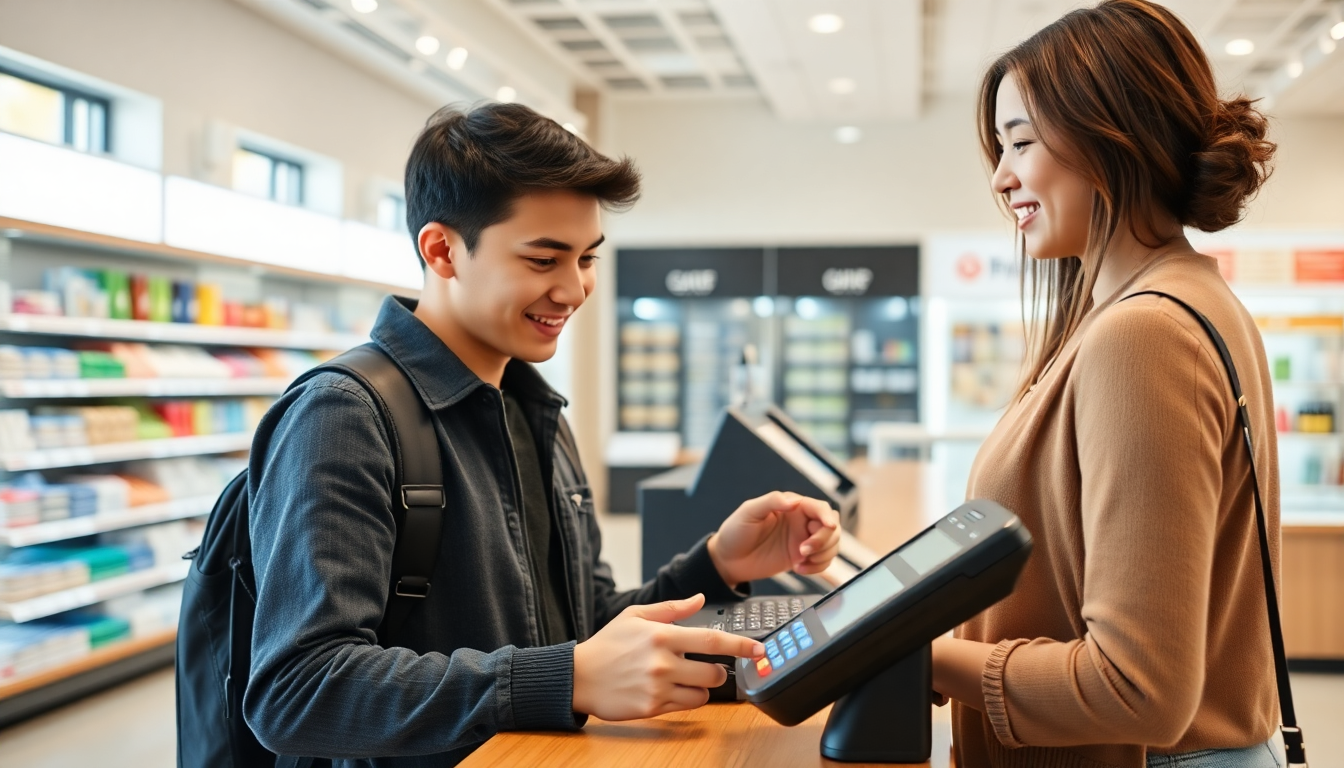
- Tap-to-pay readers make small everyday purchases quick and support compatible cards and mobile wallets.
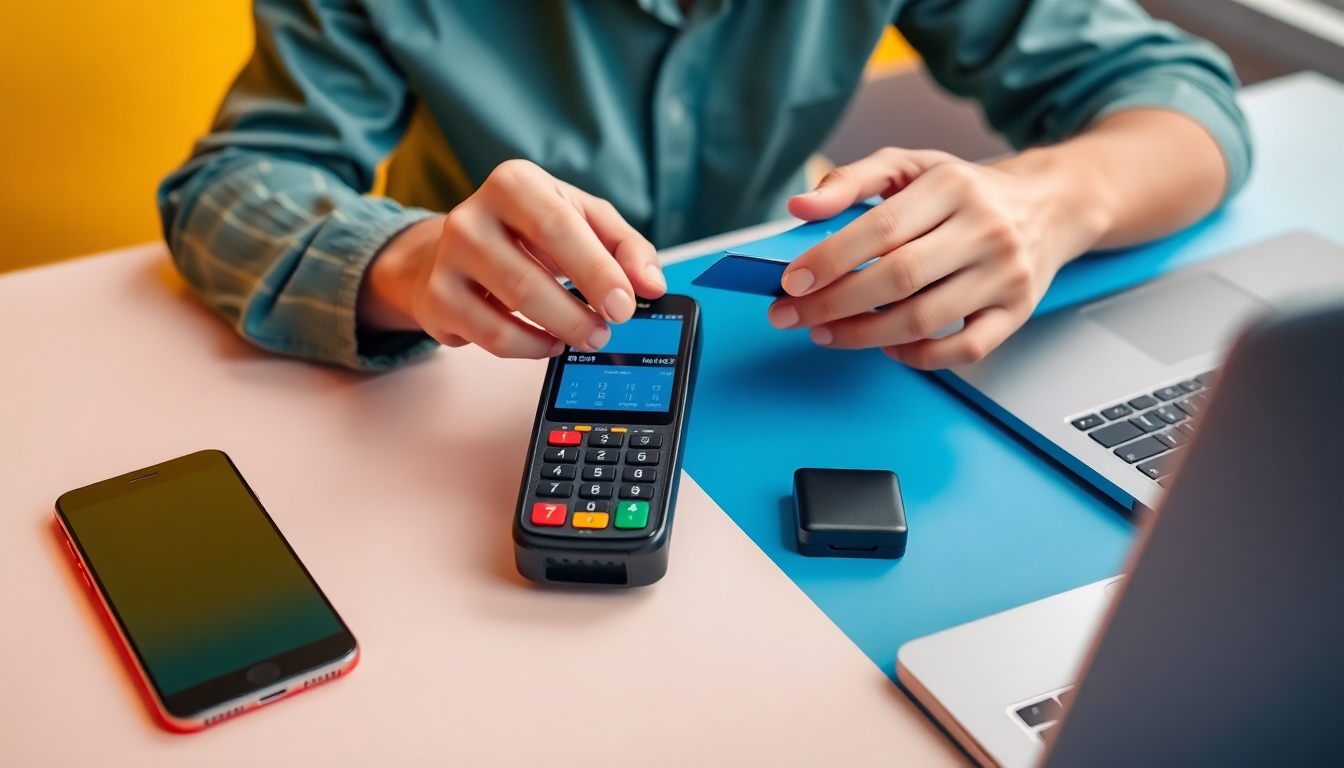
- Mobile card readers plug into or connect wirelessly with phones, helping small businesses accept payments.
- Computer card readers can transfer files from memory cards, such as photos from a camera to a laptop.
4
Security and Smart Use
- Chip technology creates transaction-specific data, making copied chip details less useful for later purchases.
- Check that a reader looks securely attached and avoid terminals with loose parts or unusual overlays.
- Shield the keypad when entering a PIN, and never share it with a cashier or anyone nearby.
- Review account alerts and statements regularly to spot unfamiliar charges and report them promptly.
5
Choosing the Right Reader
- Match the reader to its purpose: payment terminals handle purchases, while memory readers transfer digital files.
- For a business, compare supported payment methods, connection options, fees, and compatibility with checkout software.
- Look for clear security practices, reliable customer support, and software updates from the device provider.
- Card readers make transactions and file transfers easier when users choose suitable devices and follow safe habits.
1 / 5