Emergency Conditions in Primary Healthcare


📑 40 slides 👁 19 views 📅 2/9/2026
0.0 (0 ratings)

Introduction to Emergency Conditions

Overview of common emergencies in primary healthcare

Introduction to Emergency Conditions
2

Snake Bites: General Overview

  • Globally, 5 million snake bites occur annually
  • Venomous snakes cause 138,000 deaths yearly
  • Key symptoms: pain, swelling, necrosis
Snake Bites: General Overview
3

Types of Snake Venom

  • Neurotoxic: affects nervous system (cobras, kraits)
  • Hemotoxic: damages blood vessels (vipers)
  • Cytotoxic: tissue destruction (some vipers)
Types of Snake Venom
4

Snake Bite First Aid

  • Immobilize limb and keep below heart level
  • Remove constrictive items (rings, watches)
  • Avoid cutting, sucking, or tourniquets
Snake Bite First Aid
5

Antivenom Administration

  • Give only for systemic envenomation signs
  • Start with 10 vials for severe envenomation
  • Monitor for anaphylaxis (occurs in 10% cases)
Antivenom Administration
6

Scorpion Stings Overview

  • 3000+ species, 50 dangerous to humans
  • Most deaths occur in children under 10
  • Primary toxins: neurotoxins affecting Na+ channels
Scorpion Stings Overview
7

Scorpion Sting Symptoms

  • Local: intense pain, swelling, paresthesia
  • Systemic: hypertension, tachycardia
  • Severe: pulmonary edema, cardiogenic shock
Scorpion Sting Symptoms
8

Scorpion Sting Management

  • Local wound care and analgesia
  • Prazosin for autonomic storm symptoms
  • Antivenom for severe systemic reactions
Scorpion Sting Management
9

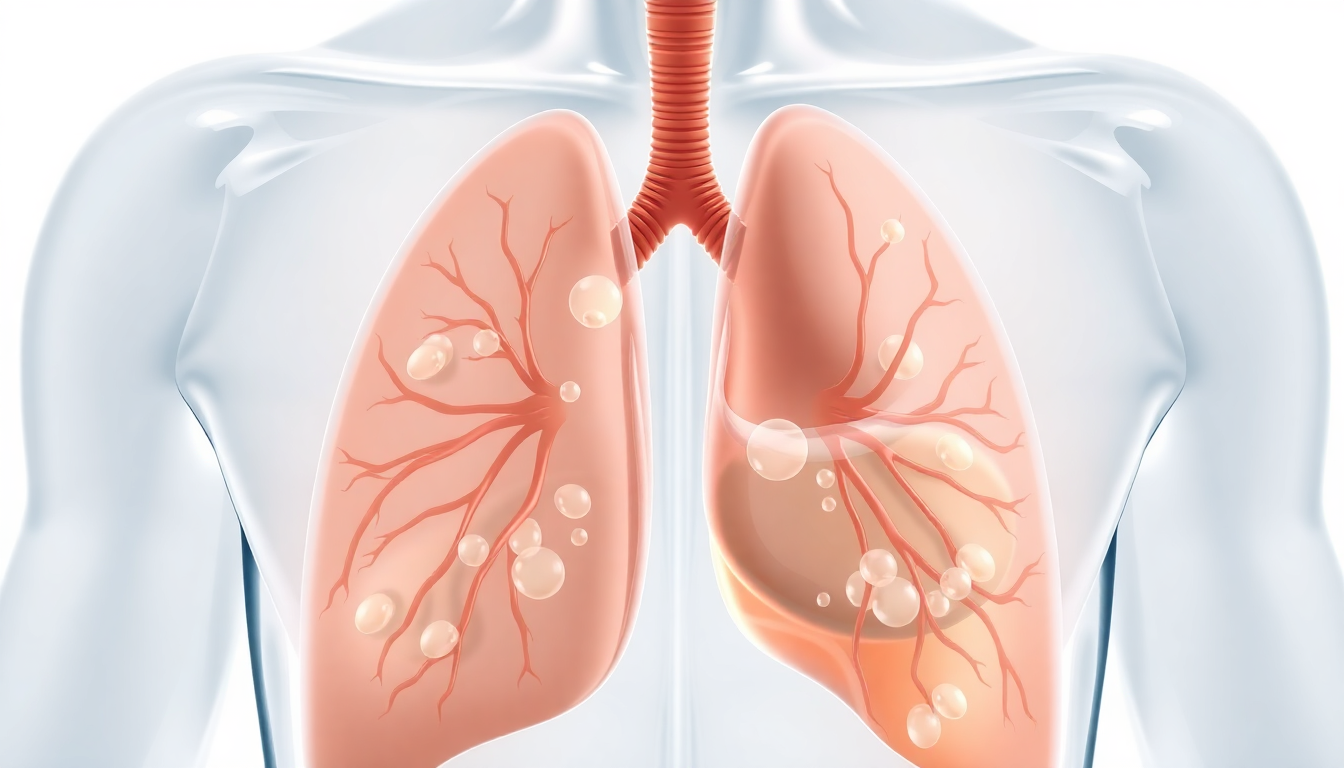
Pleural Effusion: Definition

  • Accumulation of fluid in pleural space
  • Transudate vs exudate (Light's criteria)
  • Common causes: CHF, pneumonia, malignancy
Pleural Effusion: Definition
10

Pleural Effusion Diagnosis

  • CXR: blunted costophrenic angle (200ml+)
  • Ultrasound: most sensitive bedside tool
  • Diagnostic thoracentesis for fluid analysis
Pleural Effusion Diagnosis
11

Pleural Effusion Management

  • Treat underlying cause (diuretics for CHF)
  • Therapeutic thoracentesis for dyspnea
  • Chest tube for empyema (>7.2 pH)
Pleural Effusion Management
12

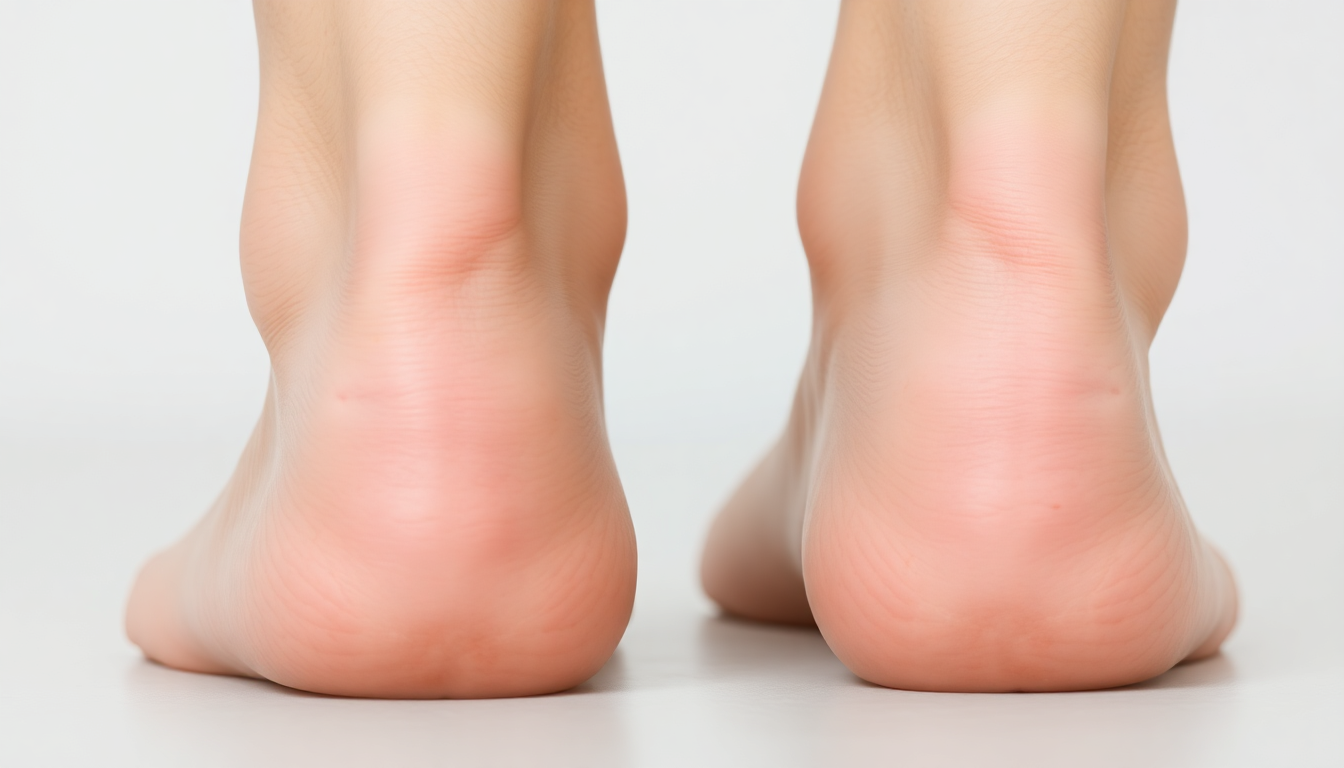
Lower Limb Edema Causes

  • Venous insufficiency (most common)
  • DVT, CHF, renal failure, liver cirrhosis
  • Lymphatic obstruction (filariasis)
Lower Limb Edema Causes
13

Lower Limb Edema Evaluation

  • Unilateral vs bilateral presentation
  • Check for warmth, redness (DVT signs)
  • Assess JVP, heart/lung exam for CHF
Lower Limb Edema Evaluation
14

Lower Limb Edema Treatment

  • Compression stockings for venous disease
  • Diuretics for cardiogenic edema
  • LMWH for DVT (after confirmation)
Lower Limb Edema Treatment
15

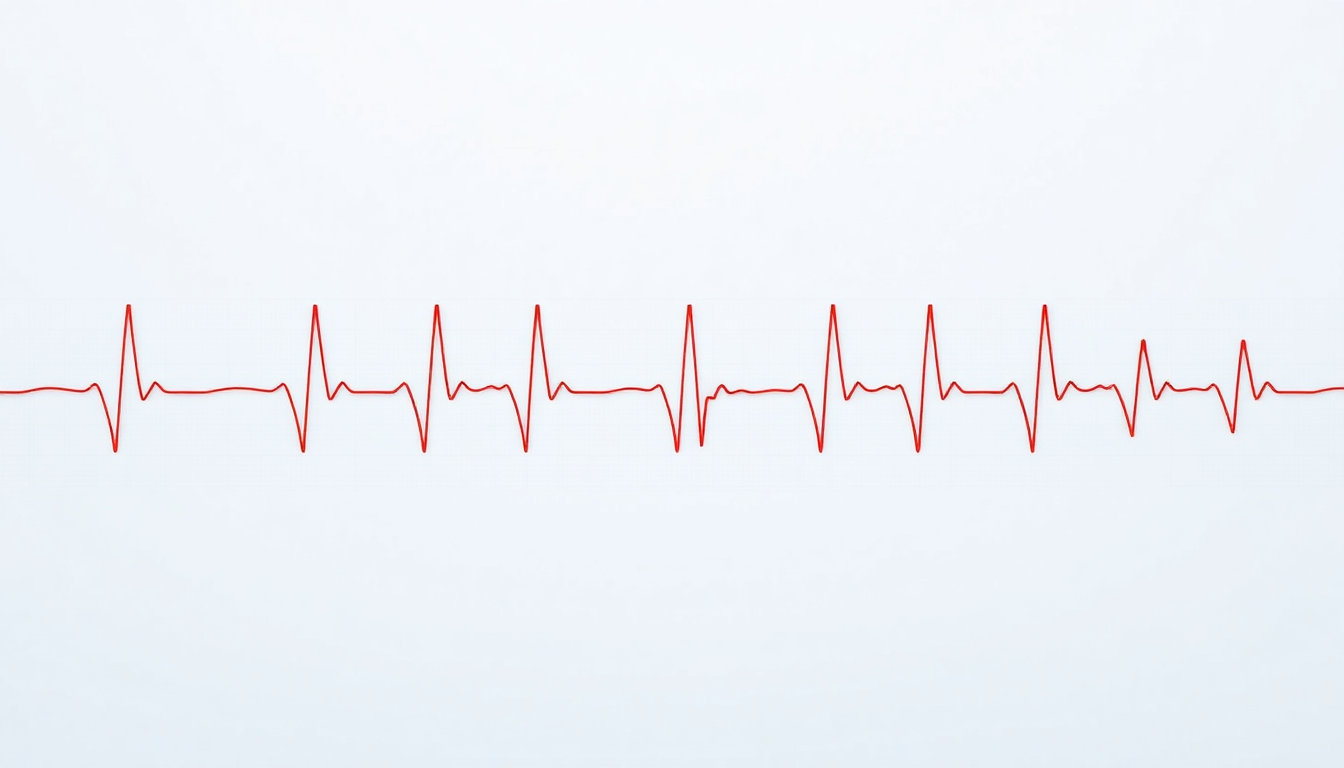
Atrial Fibrillation Basics

  • Most common sustained arrhythmia
  • Prevalence: 3% adults >20 years
  • Key risks: stroke (5-fold increase)
Atrial Fibrillation Basics
16

AFib Classification

  • Paroxysmal (<7 days, self-terminating)
  • Persistent (>7 days, needs intervention)
  • Permanent (accepted as chronic)
AFib Classification
17

AFib Acute Management

  • Rate control (beta-blockers, CCBs)
  • Rhythm control (cardioversion)
  • Anticoagulation based on CHA2DS2-VASc
AFib Acute Management
18

AFib Stroke Prevention

  • Warfarin (INR 2-3) or DOACs
  • LAA occlusion for high-bleeding risk
  • Avoid aspirin monotherapy
AFib Stroke Prevention
19

Chest Pain Differential

  • Cardiac: ACS, pericarditis, dissection
  • Pulmonary: PE, pneumothorax
  • GI: GERD, esophageal spasm
Chest Pain Differential
20

ACS Recognition

  • Typical pain: substernal, radiating
  • Atypical presentations in women, diabetics
  • ECG changes (ST elevation/depression)
ACS Recognition
21

PE Diagnostic Approach

  • Wells score to assess probability
  • D-dimer for low probability cases
  • CTPA for high probability or +D-dimer
PE Diagnostic Approach
22

Aortic Dissection Signs

  • Tearing pain radiating to back
  • Pulse deficits (30% cases)
  • CXR: widened mediastinum (60%)
Aortic Dissection Signs
23

Diabetic Ketoacidosis

  • Defined by: glucose >250, pH <7.3, ketones
  • Mortality: 1-5% in developed countries
  • Precipitants: infection, non-compliance
Diabetic Ketoacidosis
24

DKA Pathophysiology

  • Absolute insulin deficiency
  • Counterregulatory hormone excess
  • Resultant hyperglycemia, ketosis, acidosis
DKA Pathophysiology
25

DKA Clinical Presentation

  • Polyuria, polydipsia, weight loss
  • Kussmaul respirations (compensatory)
  • Fruity breath odor (acetone)
DKA Clinical Presentation
26

DKA Laboratory Findings

  • Glucose typically 350-600 mg/dL
  • Serum ketones positive at 1:2 dilution
  • Anion gap >12 (often 20-30)
DKA Laboratory Findings
27

DKA Initial Management

  • Fluids: 1-2L NS first hour
  • Insulin drip at 0.1 unit/kg/hr
  • K+ replacement when K+ <5.3
DKA Initial Management
28

DKA Monitoring

  • Check glucose hourly initially
  • Monitor electrolytes q2-4h
  • Transition to SC insulin when pH >7.3
DKA Monitoring
29

DKA Complications

  • Cerebral edema (pediatric cases)
  • Hypokalemia from overcorrection
  • Pre-renal AKI from dehydration
DKA Complications
30

Toxicology Emergencies

  • Consider in altered mental status
  • Key toxidromes: anticholinergic, opioid
  • Naloxone for respiratory depression
Toxicology Emergencies
31

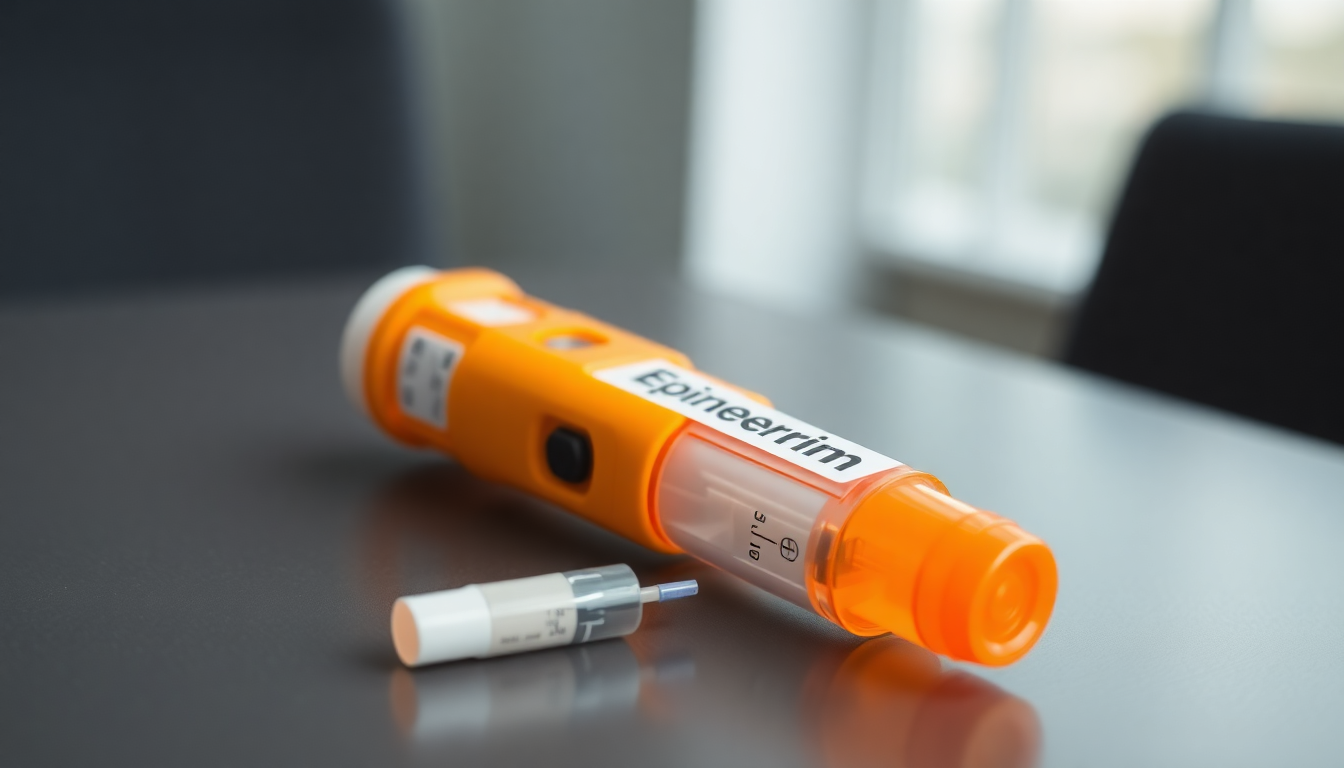
Anaphylaxis Management

  • Epinephrine IM (0.3-0.5mg adults)
  • Second-line: antihistamines, steroids
  • Observe for biphasic reactions (20%)
Anaphylaxis Management
32

Seizure Emergency Care

  • Protect airway (recovery position)
  • Benzodiazepines for active seizures
  • Rule out reversible causes (e.g., hypoglycemia)
Seizure Emergency Care
33

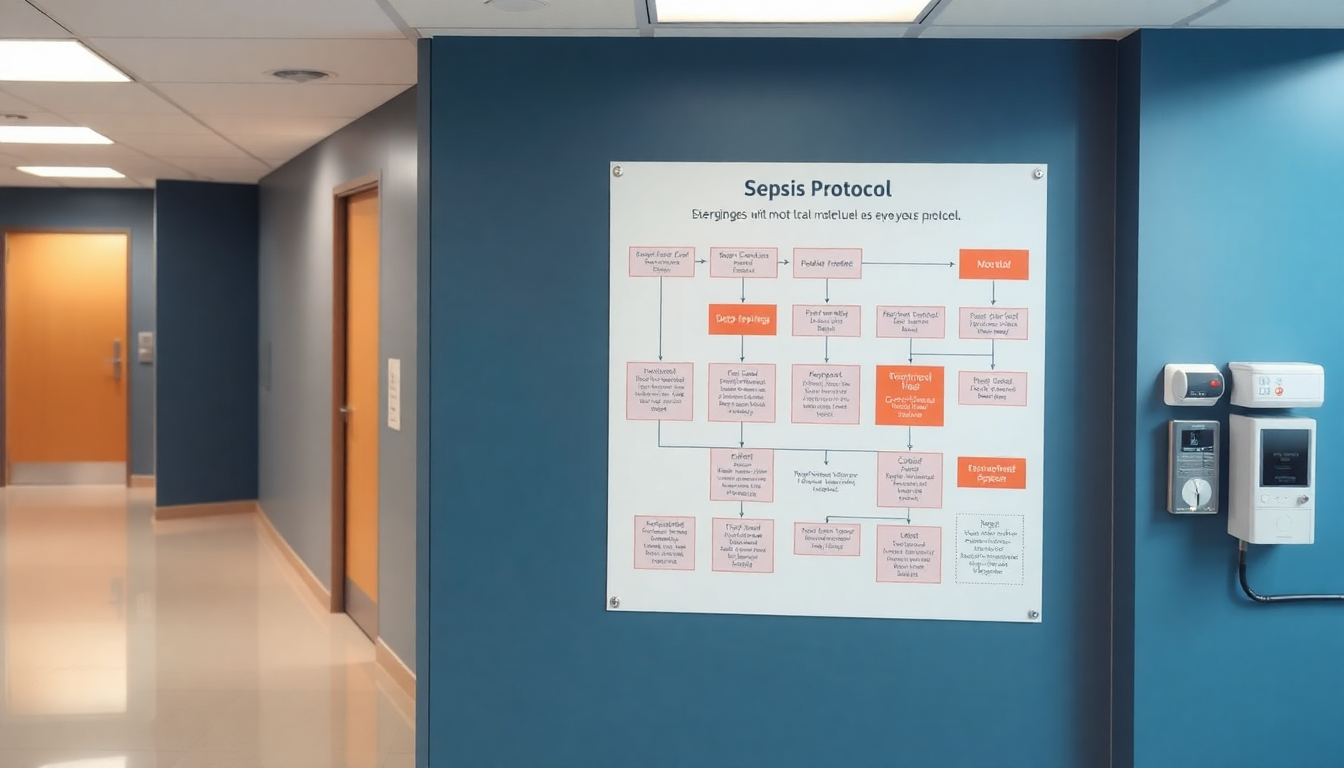
Sepsis Recognition

  • SOFA score for organ dysfunction
  • qSOFA: RR ≥22, SBP ≤100, AMS
  • Time to antibiotics critical (hour-1 bundle)
Sepsis Recognition
34

Trauma Primary Survey

  • ABCDE approach (Airway first)
  • Control hemorrhage (tourniquets)
  • C-spine immobilization if indicated
Trauma Primary Survey
35

Pediatric Emergencies

  • Different normal vital sign ranges
  • Dehydration assessment (cap refill)
  • Broselow tape for medication dosing
Pediatric Emergencies
36

OB Emergencies

  • Ectopic pregnancy rupture risk
  • Pre-eclampsia (BP >140/90 + proteinuria)
  • Postpartum hemorrhage management
OB Emergencies
37

Psychiatric Emergencies

  • Suicide risk assessment (SAD PERSONS)
  • Acute psychosis management
  • Medical clearance before psych eval
Psychiatric Emergencies
38

Environmental Emergencies

  • Heat stroke (core temp >40°C)
  • Hypothermia (active rewarming)
  • Drowning (ventilate even after prolonged submersion)
Environmental Emergencies
39

Key Highlights

  • Important aspects of Emergency Conditions in Primary Healthcare
  • Key points worth noting
  • Considerations for the future
Key Highlights
40

Conclusion & Key Takeaways

  • Early recognition saves lives in emergencies
  • Systematic approach to assessment
  • Know when to refer to higher care
Conclusion & Key Takeaways
1 / 40