How Cholesterol is Made in Your Body
📑 10 slides
👁 35 views
📅 1/23/2026
Introduction to Cholesterol
Cholesterol is a waxy substance essential for building cells and hormones.
2
Sources of Cholesterol
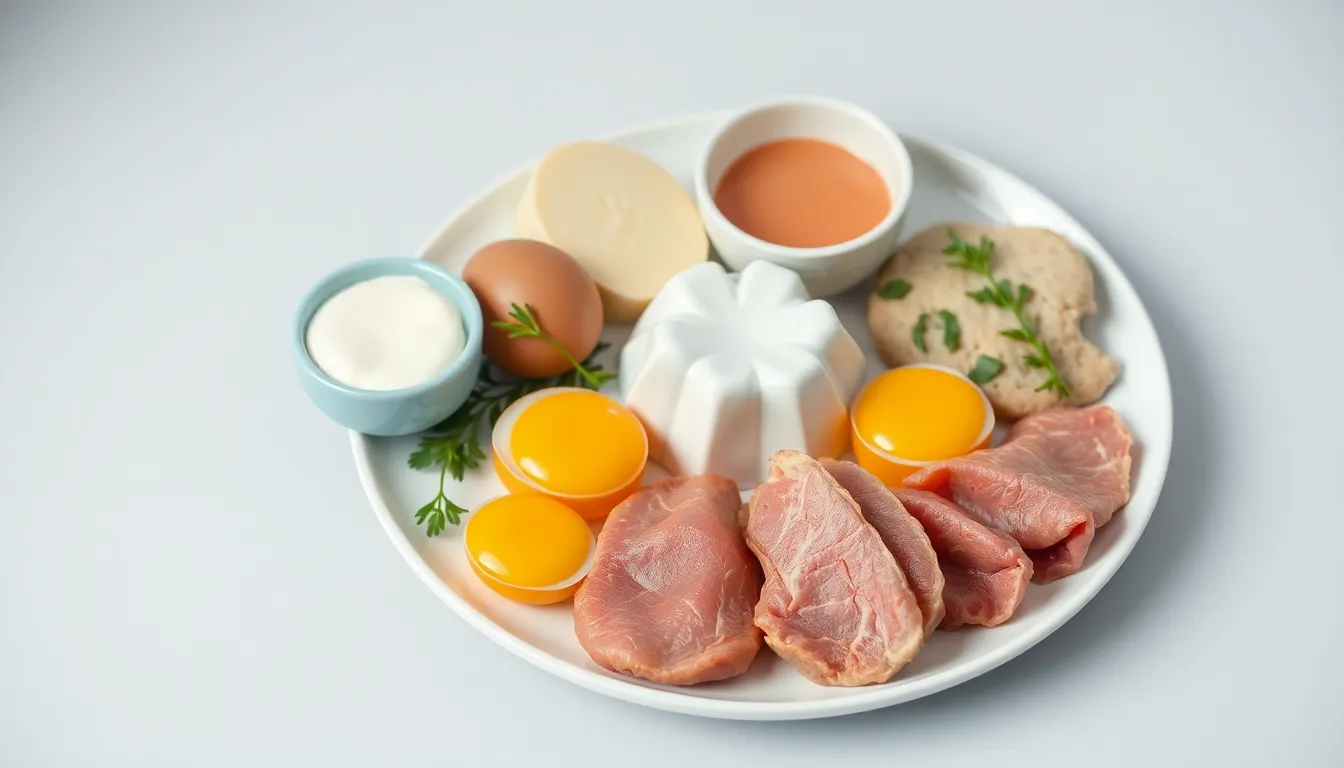
- Dietary cholesterol comes from animal products like meat, eggs, and dairy.
- Plant-based foods contain no cholesterol but may affect its absorption.
- The body regulates cholesterol production based on dietary intake.
3
Liver's Role in Cholesterol
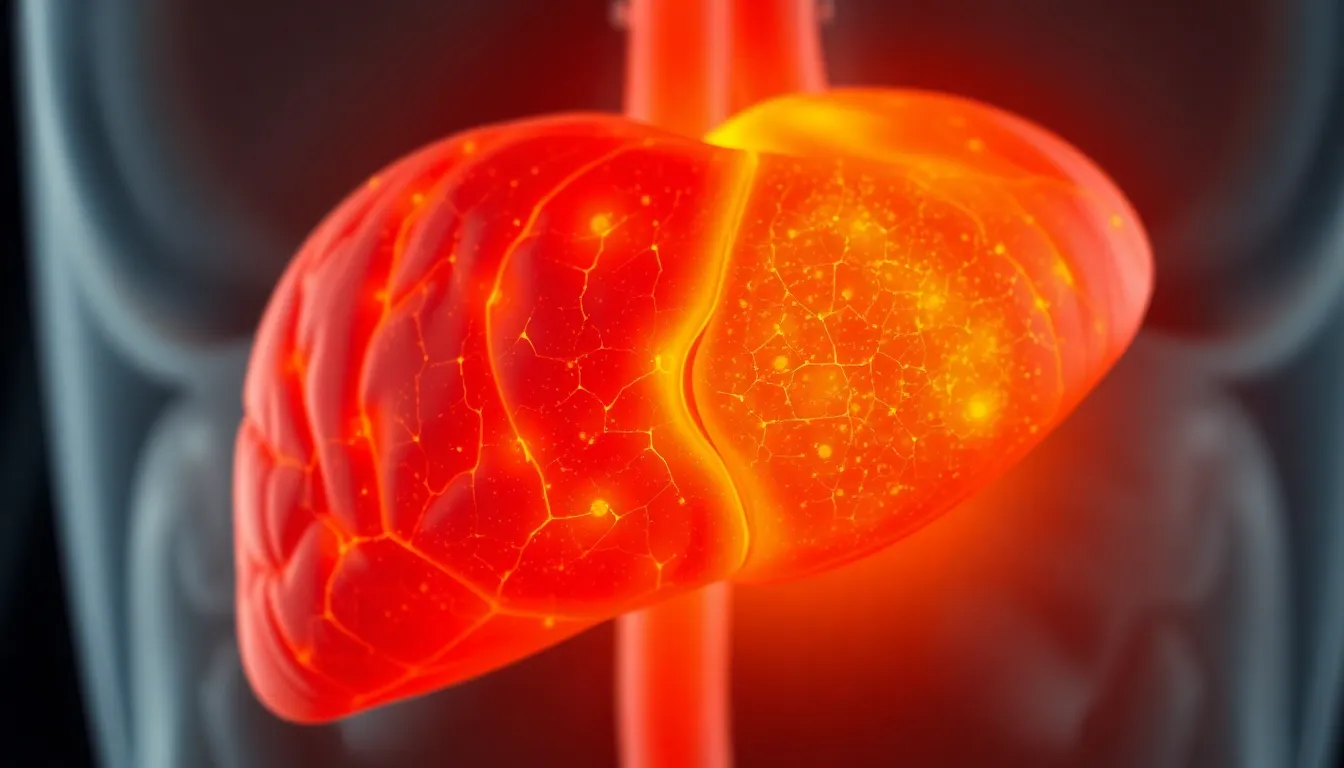
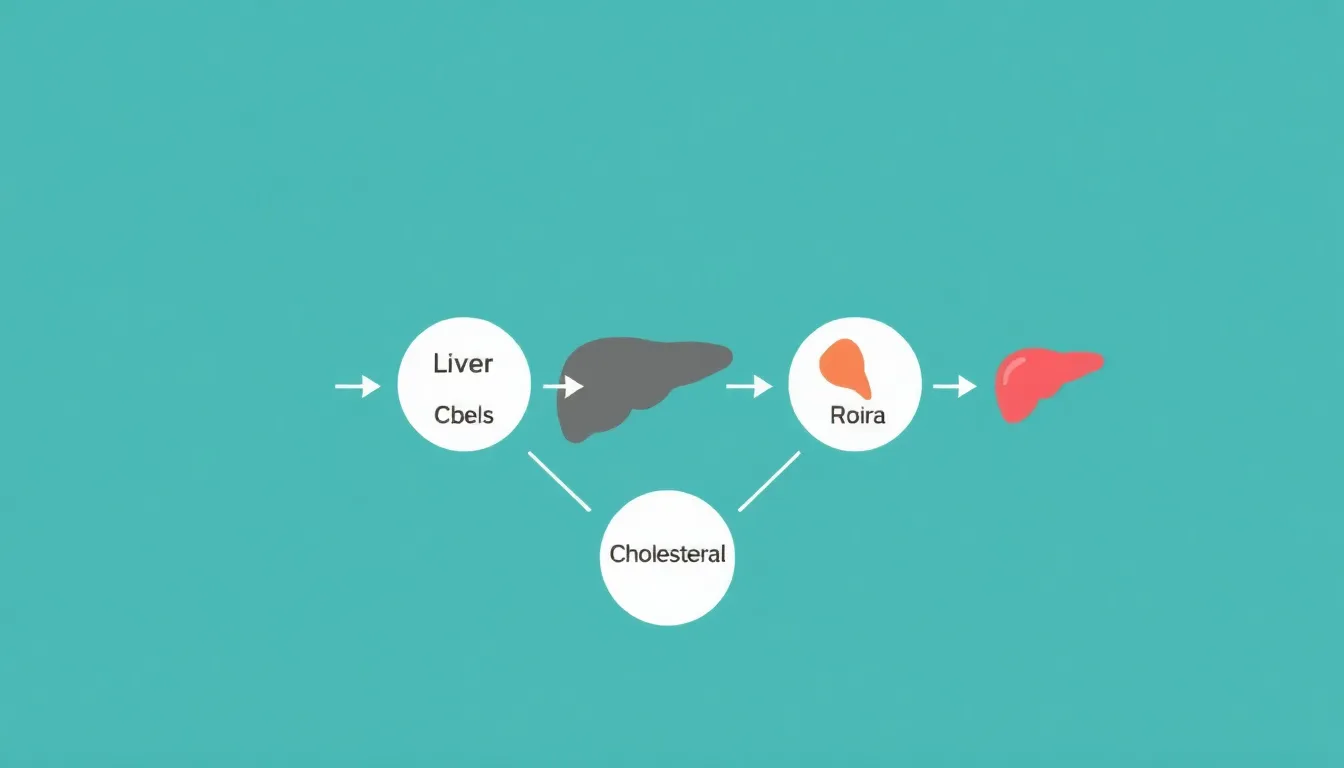
- The liver synthesizes cholesterol from acetyl-CoA molecules.
- It produces about 1,000 mg of cholesterol daily to meet bodily needs.
- The liver also removes excess cholesterol from the bloodstream.
4
Cholesterol Transport
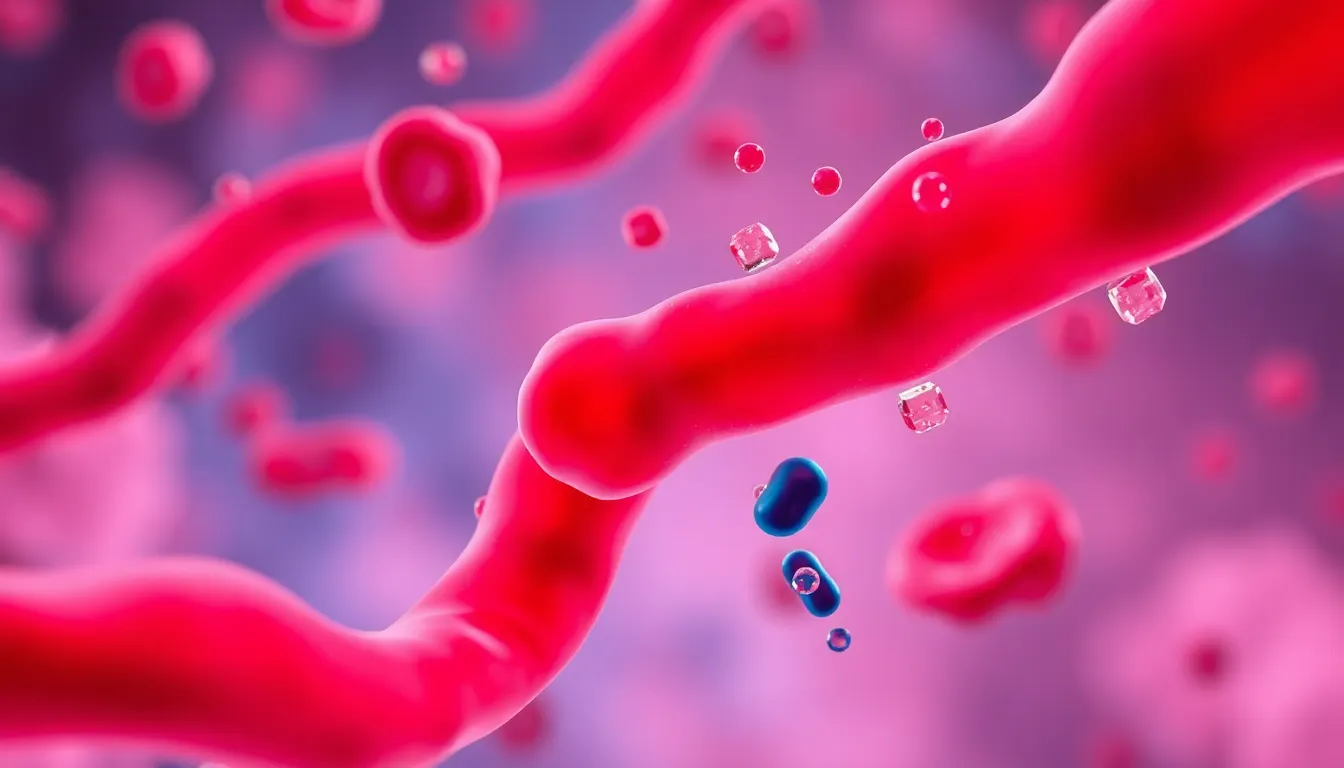
- Lipoproteins carry cholesterol through the bloodstream.
- LDL (low-density lipoprotein) is 'bad' cholesterol that can clog arteries.
- HDL (high-density lipoprotein) is 'good' cholesterol that removes excess.
5
Cholesterol and Cell Membranes
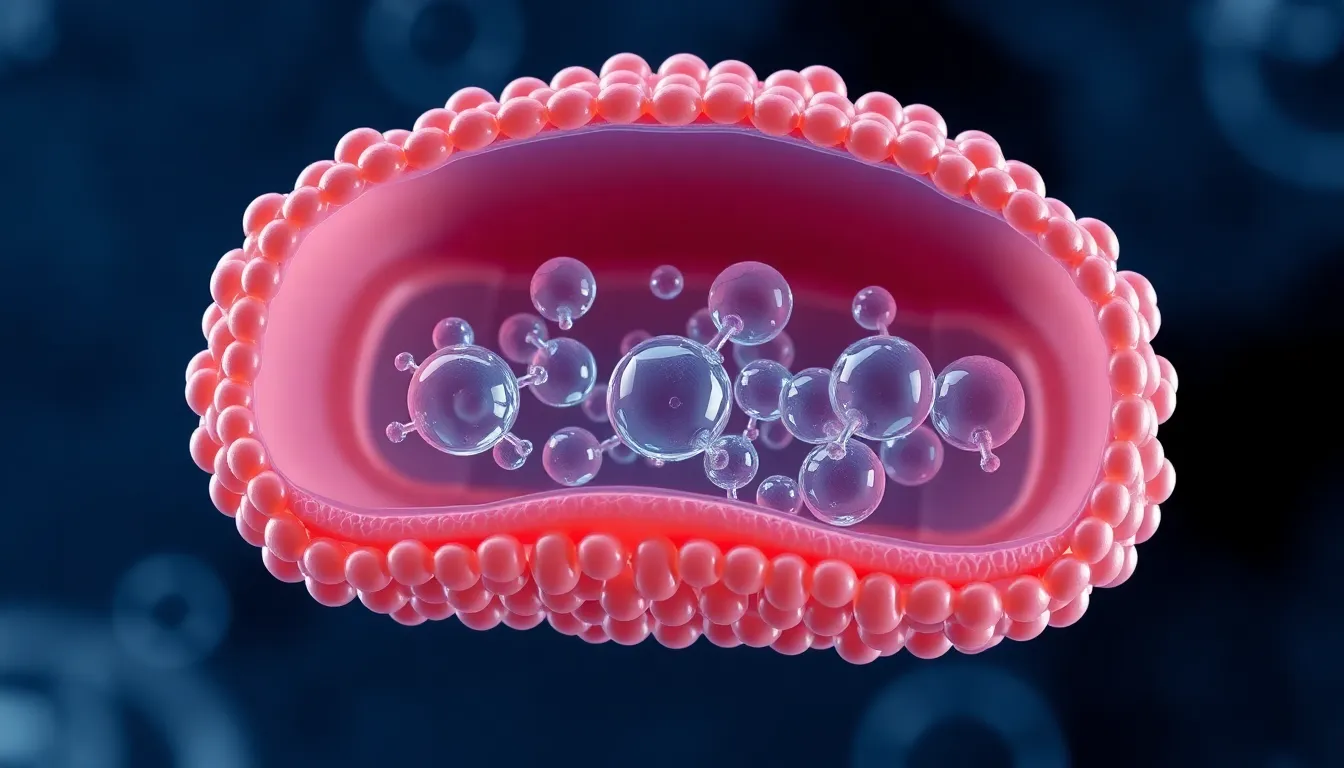
- Cholesterol stabilizes cell membranes and maintains their fluidity.
- It accounts for about 30% of animal cell membrane lipids.
- Without cholesterol, cells would be too rigid or too permeable.
6
Cholesterol in Hormone Production
- Cholesterol is the precursor for steroid hormones like estrogen and testosterone.
- The adrenal glands use cholesterol to produce cortisol and aldosterone.
- Vitamin D synthesis also begins with cholesterol in the skin.
7
Regulation of Cholesterol
- The body maintains cholesterol balance through feedback mechanisms.
- When dietary cholesterol is high, the liver reduces its own production.
- Statins work by inhibiting an enzyme in cholesterol synthesis.
8
Cholesterol and Heart Health
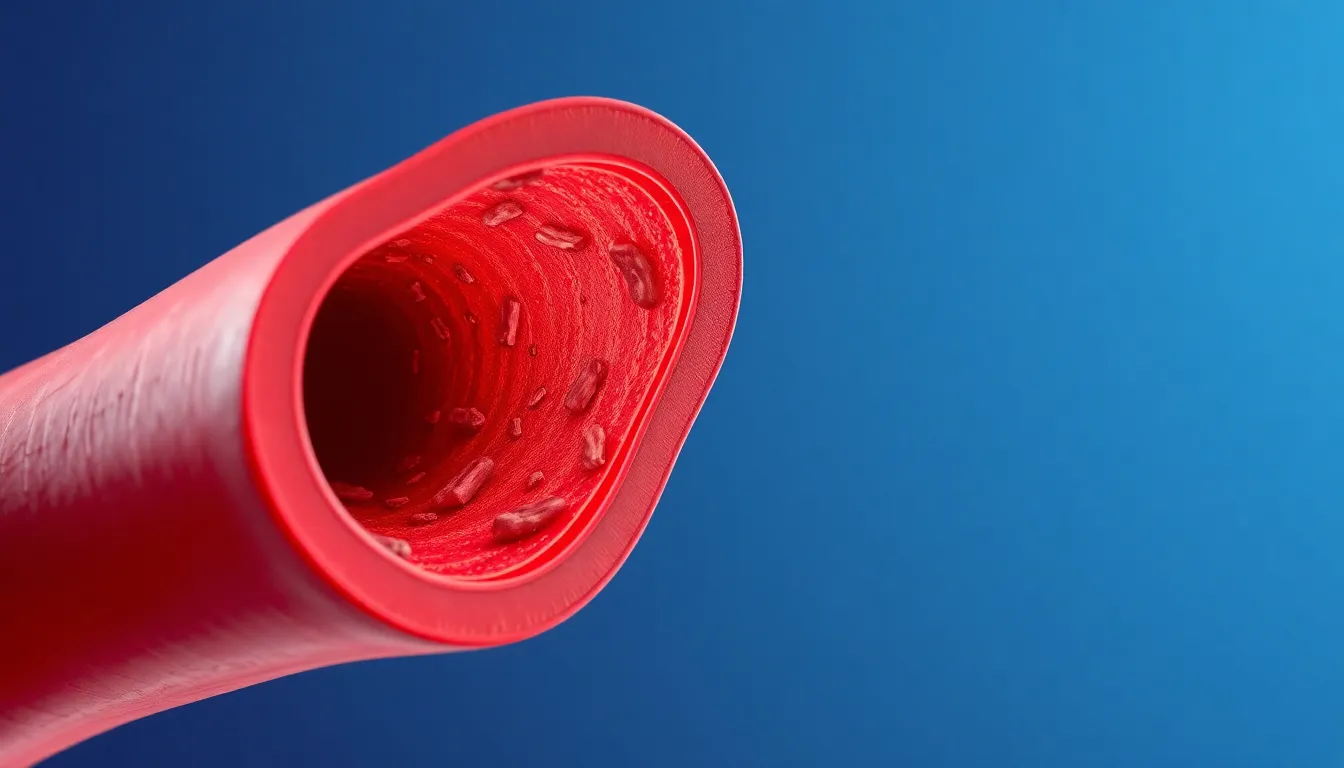
- Excess LDL cholesterol can form plaques in artery walls.
- These plaques narrow arteries and increase heart attack risk.
- Optimal total cholesterol should be under 200 mg/dL.
9
Managing Cholesterol Levels
- Exercise increases HDL while reducing LDL and triglycerides.
- Soluble fiber helps remove cholesterol through digestion.
- Replacing saturated with unsaturated fats improves cholesterol profile.
10
Summary and Key Takeaways
- Cholesterol is essential but must be balanced for good health.
- The liver produces most cholesterol, influenced by diet and genetics.
- Regular check-ups and lifestyle changes can maintain healthy levels.
1 / 10