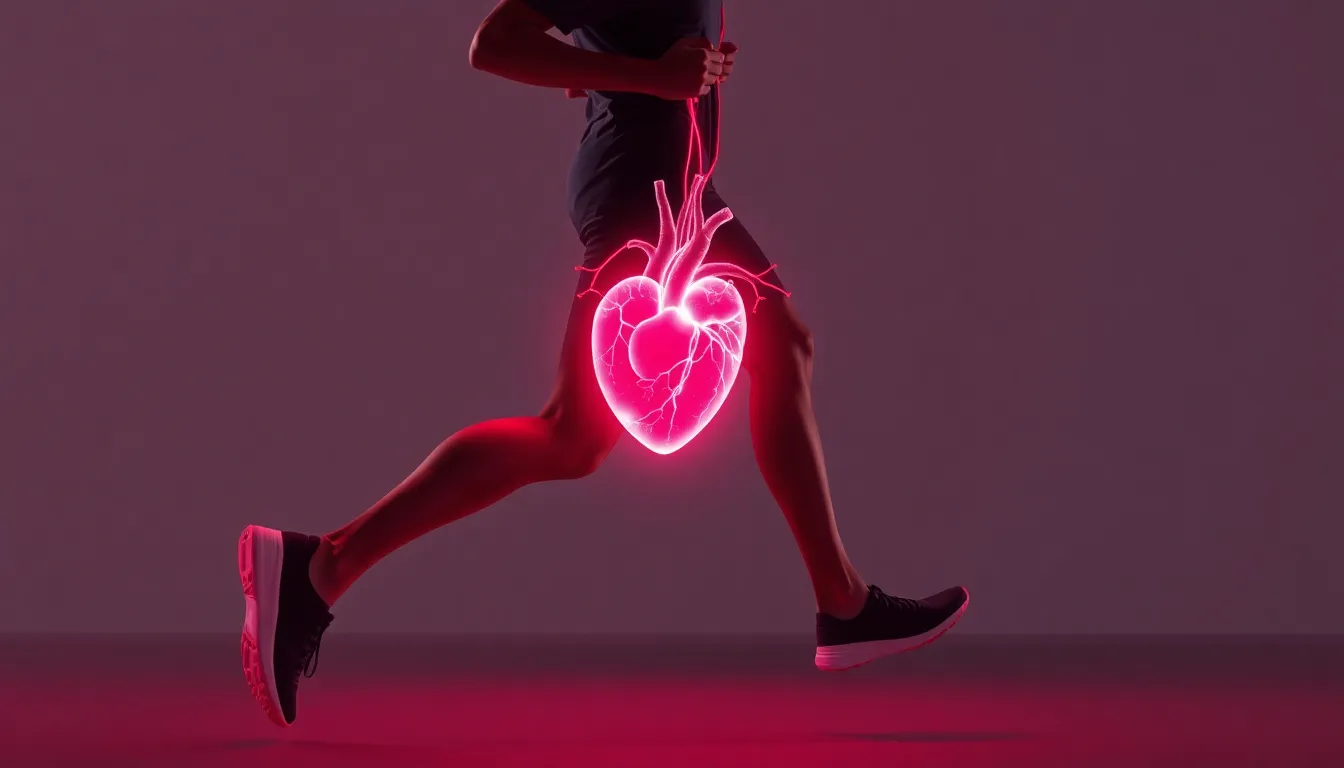
How Your Body Makes Cholesterol
📑 10 slides
👁 48 views
📅 1/23/2026
Introduction to Cholesterol
Cholesterol is a vital lipid for cell membranes and hormones.
2
Cholesterol's Role in the Body
- Essential for building cell membranes and maintaining fluidity.
- Precursor for vitamin D, bile acids, and steroid hormones.
- Too much can lead to plaque buildup in arteries.
3
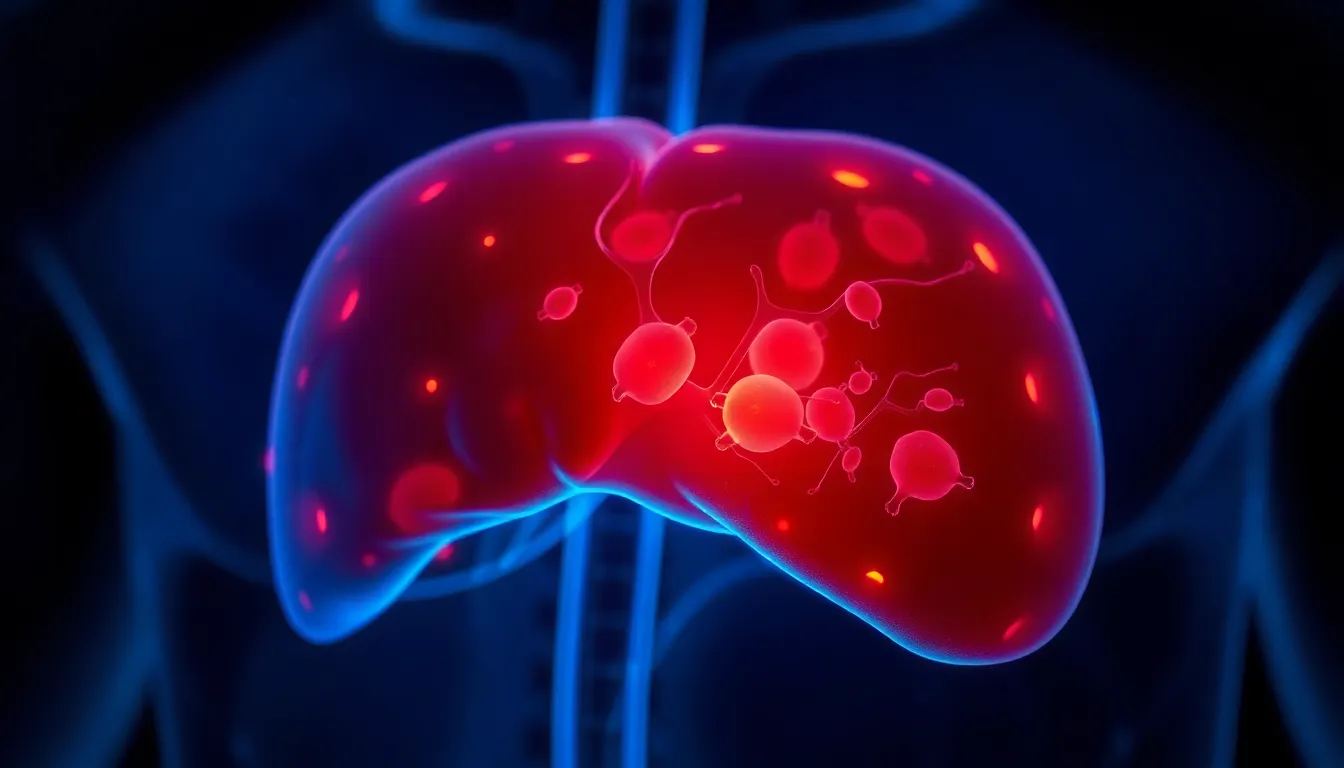
Liver: The Cholesterol Factory
- Liver synthesizes cholesterol from acetyl-CoA molecules.
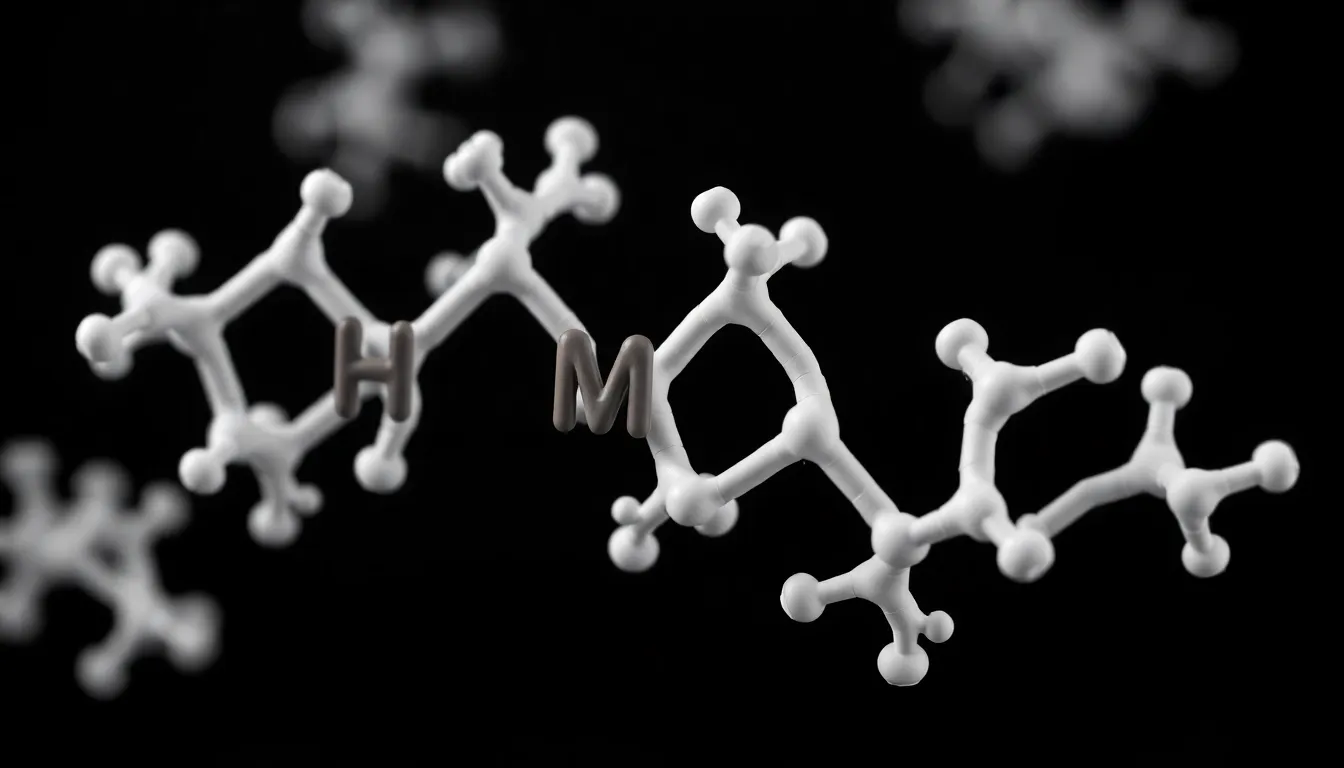
- Enzyme HMG-CoA reductase controls production rate.
- Process occurs in the endoplasmic reticulum of liver cells.
4
The Cholesterol Synthesis Pathway
- 30+ enzymatic steps convert acetyl-CoA to cholesterol.
- Key intermediates include mevalonate and squalene.
- Process consumes 18 ATP molecules per cholesterol molecule.
5
Dietary Cholesterol Absorption
- Occurs in the small intestine via specialized transporters.
- Only about 50% of dietary cholesterol gets absorbed.
- Plant sterols can block absorption by competing.
6
Cholesterol Transport System
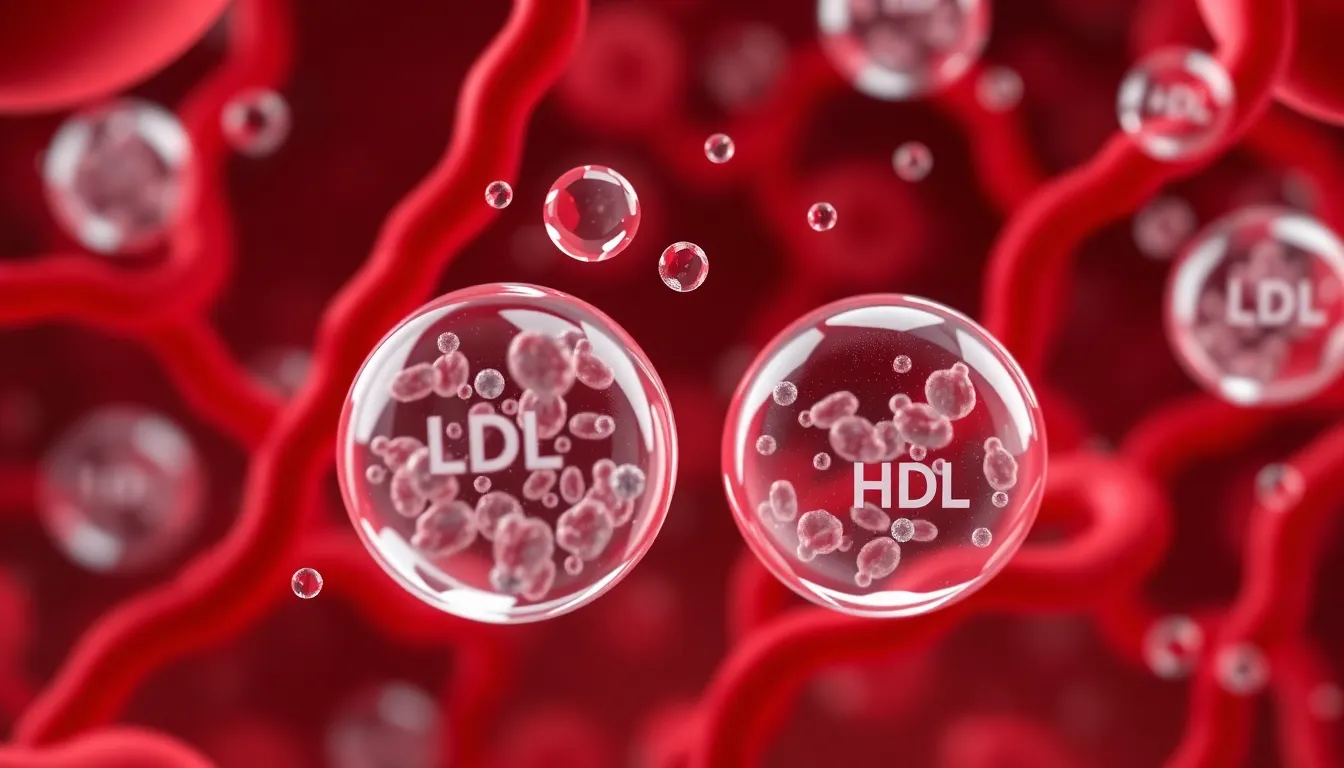
- Lipoproteins carry cholesterol through bloodstream.
- LDL delivers cholesterol to tissues (bad cholesterol).
- HDL removes excess cholesterol from tissues (good).
7
Factors Affecting Production
- Insulin stimulates HMG-CoA reductase activity.
- Fasting or starvation reduces cholesterol synthesis.
- Genetic factors can cause overproduction.
8
Regulation of Cholesterol Levels
- Liver adjusts production based on dietary intake.
- Negative feedback inhibits HMG-CoA reductase.
- Statins work by blocking this enzyme.
9
When Cholesterol Goes Wrong
- Hypercholesterolemia affects 1 in 200 people.
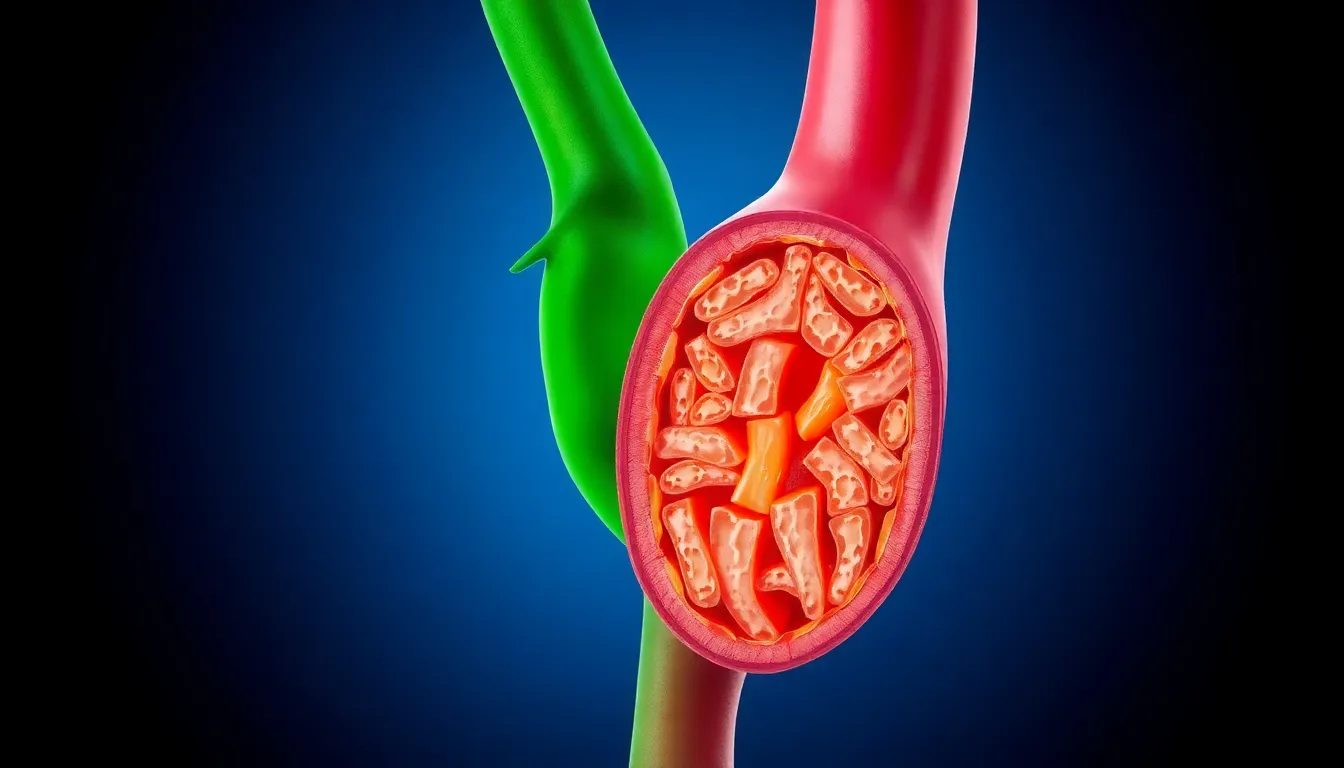
- Plaque buildup can reduce blood flow by 75%.
- Leads to 2.6 million deaths annually worldwide.
10
Maintaining Healthy Levels
- Regular exercise boosts HDL and lowers LDL.
- Soluble fiber binds bile acids, reducing cholesterol.
- Monounsaturated fats improve cholesterol profile.
1 / 10