How to Make a Popular AI Speaker

📑 10 slides 👁 33 views 📅 1/21/2026
0.0 (0 ratings)

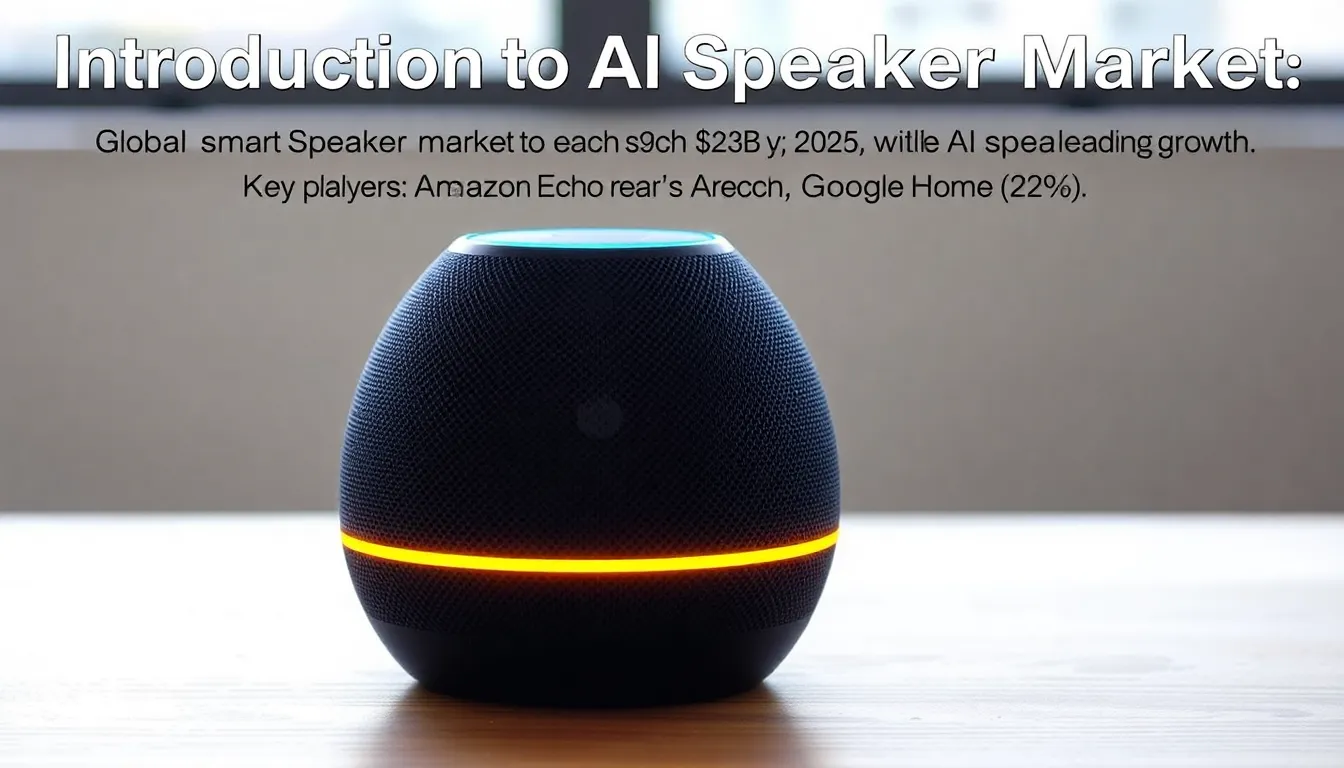
Introduction to AI Speaker Market

Global smart speaker market to reach $23B by 2025, with AI speakers leading growth.

Introduction to AI Speaker Market
2

Define Your Unique Value Proposition

  • Identify gaps: 68% users want better contextual understanding in conversations.
  • Specialize: education (Duolingo), healthcare (Woebot), or productivity (Notion AI).
  • Differentiate with personality: 42% prefer humorous responses over robotic tones.
Define Your Unique Value Proposition
3

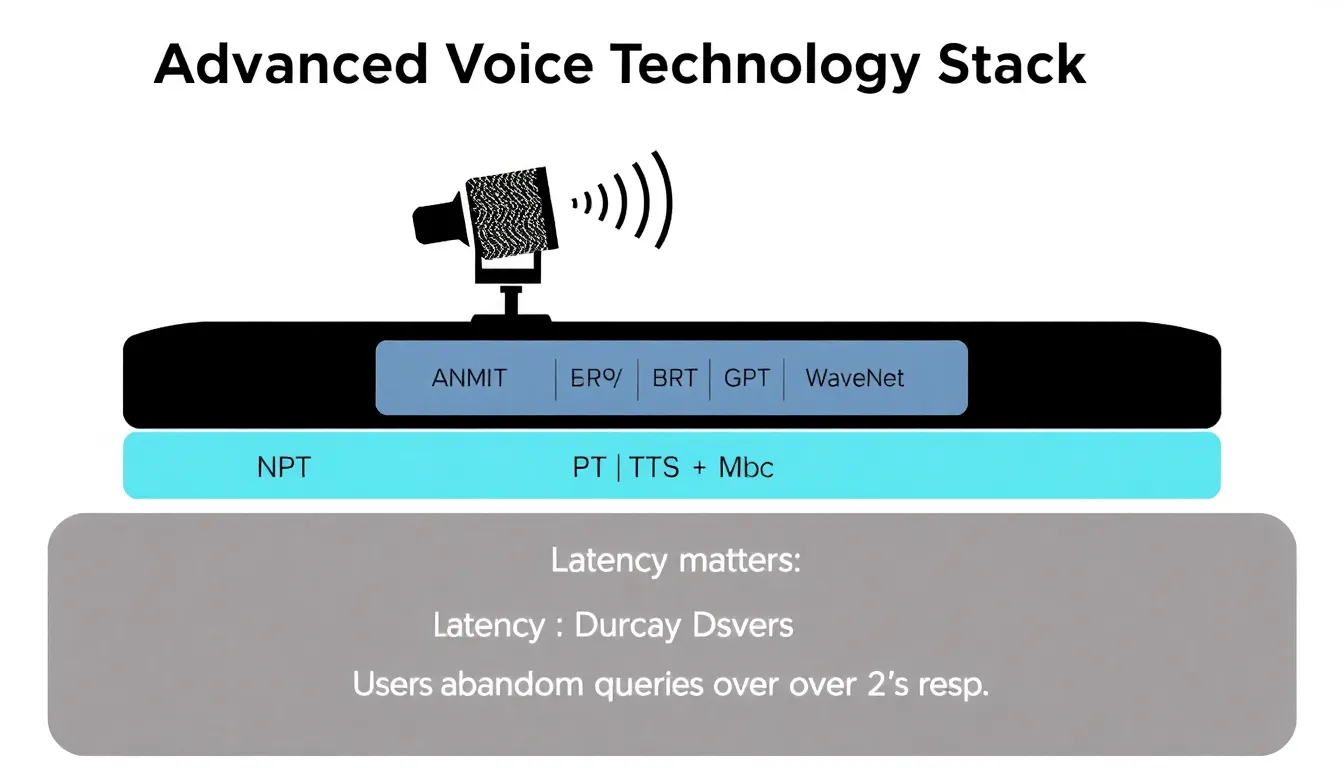
Advanced Voice Technology Stack

  • Core components: NLP (BERT/GPT), TTS (WaveNet), and custom wake-word detection.
  • Latency matters: users abandon queries over 2.5s response time.
  • Implement fallback strategies for 15% unrecognized queries.
Advanced Voice Technology Stack
4

Conversational Design Principles

  • Create persona: name, gender, tone (e.g., Alexa's helpful vs. Siri's concise).
  • Design dialog flows for 3-turn conversations (optimal engagement length).
  • Include 5+ emotional states (happy, apologetic) for natural interactions.
Conversational Design Principles
5

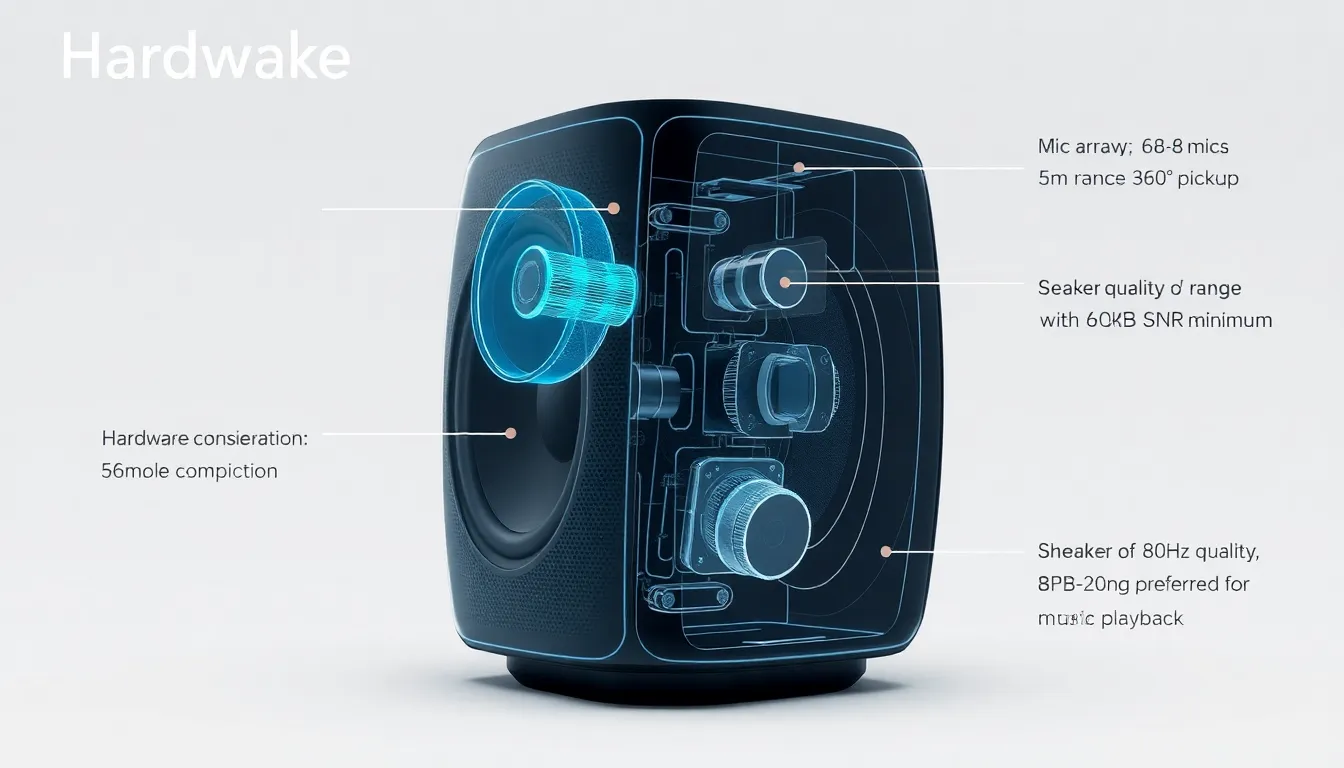
Hardware Considerations

  • Mic array: 6-8 mics for 360° pickup (5m range with 60dB SNR minimum).
  • Speaker quality: 80Hz-20kHz range preferred for music playback.
  • Thermal design: ensure <45°C at max CPU load for 24/7 operation.
Hardware Considerations
6

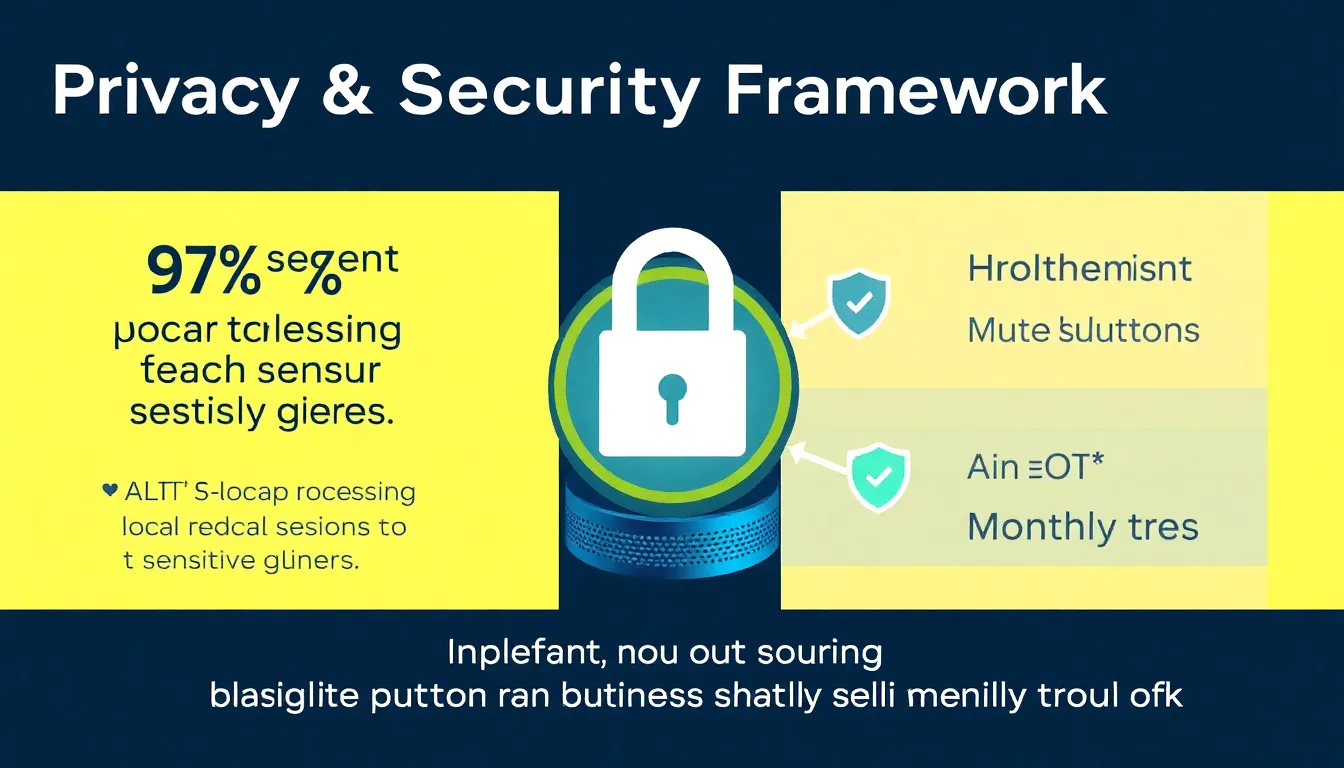
Privacy & Security Framework

  • 97% users demand local processing option for sensitive queries.
  • Implement: mute button with physical disconnect (required in EU markets).
  • Monthly transparency reports increase trust by 28% (see Sonos model).
Privacy & Security Framework
7

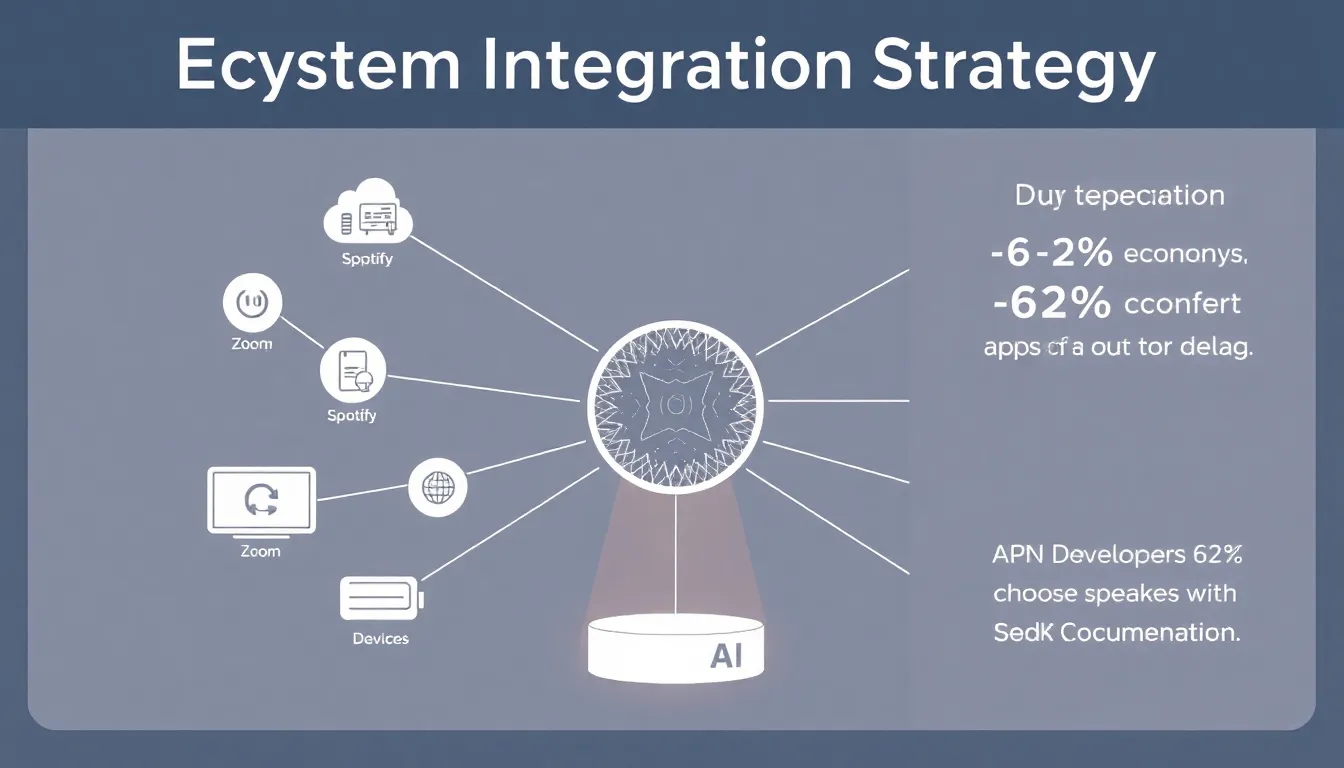
Ecosystem Integration Strategy

  • Support 15+ major platforms (Spotify, Zoom) out of the box.
  • API economy: 62% developers choose speakers with good SDK documentation.
  • Smart home compatibility: must work with 2,000+ IoT devices minimum.
Ecosystem Integration Strategy
8

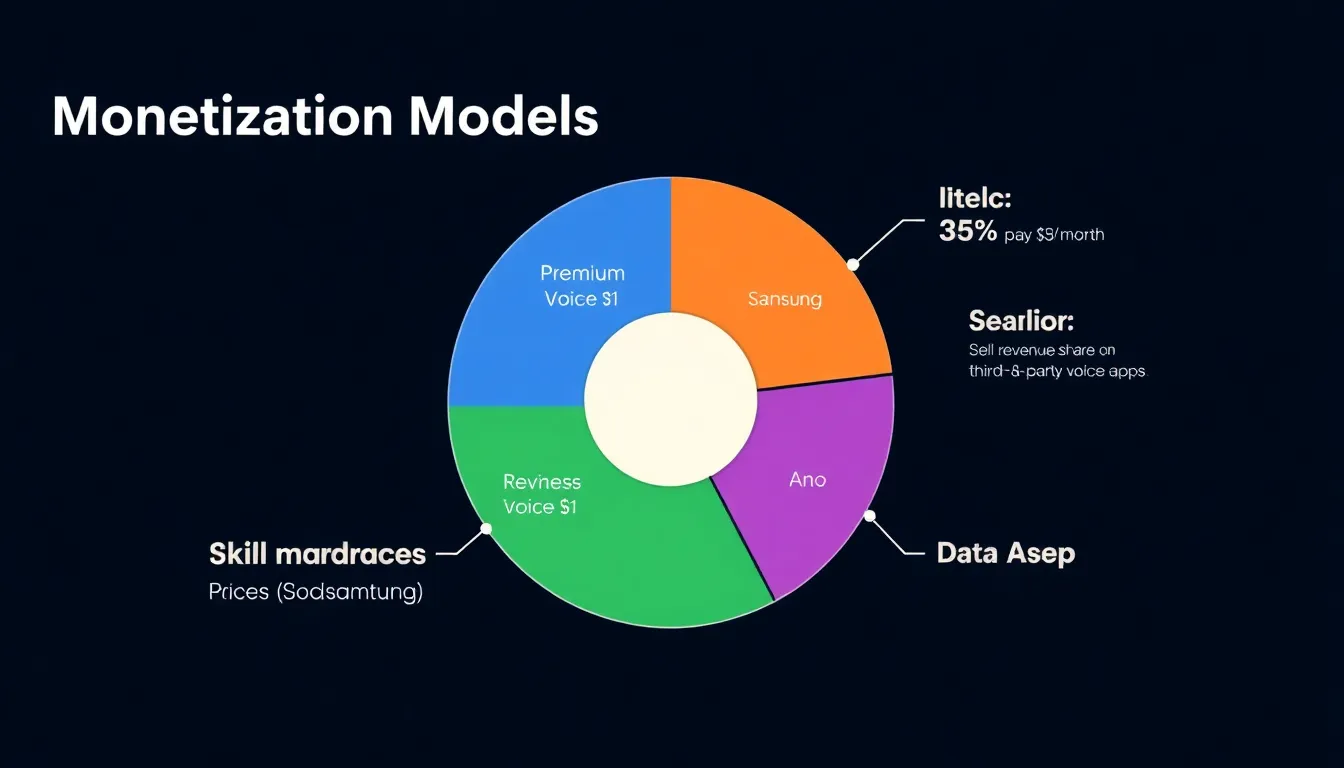
Monetization Models

  • Premium voices: 12% pay $3/month for celebrity voices (see Samsung).
  • Skill marketplace: 30% revenue share on third-party voice apps.
  • Data insights: anonymized usage patterns valuable to retailers.
Monetization Models
9

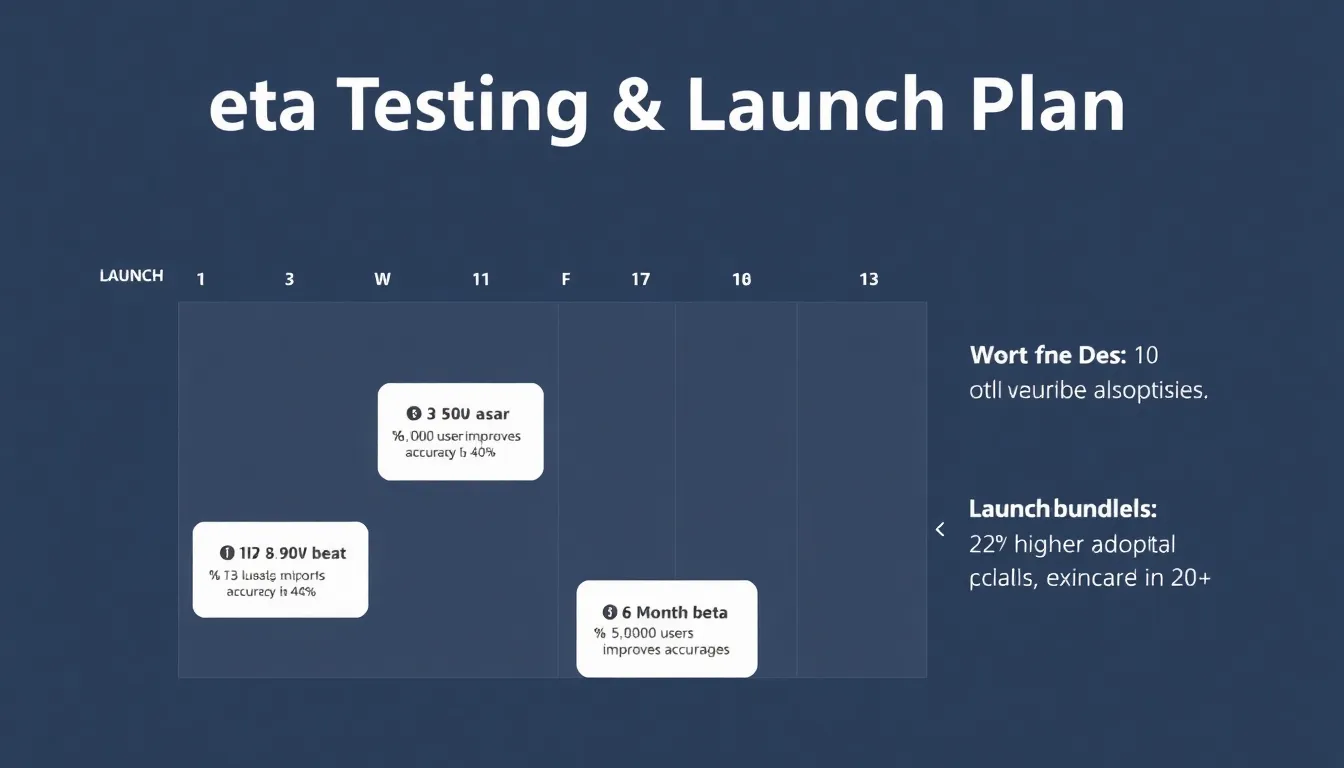
Beta Testing & Launch Plan

  • 6-month beta with 5,000 users improves accuracy by 40%.
  • Phased rollout: start in 3 languages before expanding to 20+.
  • Launch bundles: 22% higher adoption when paired with streaming services.
Beta Testing & Launch Plan
10

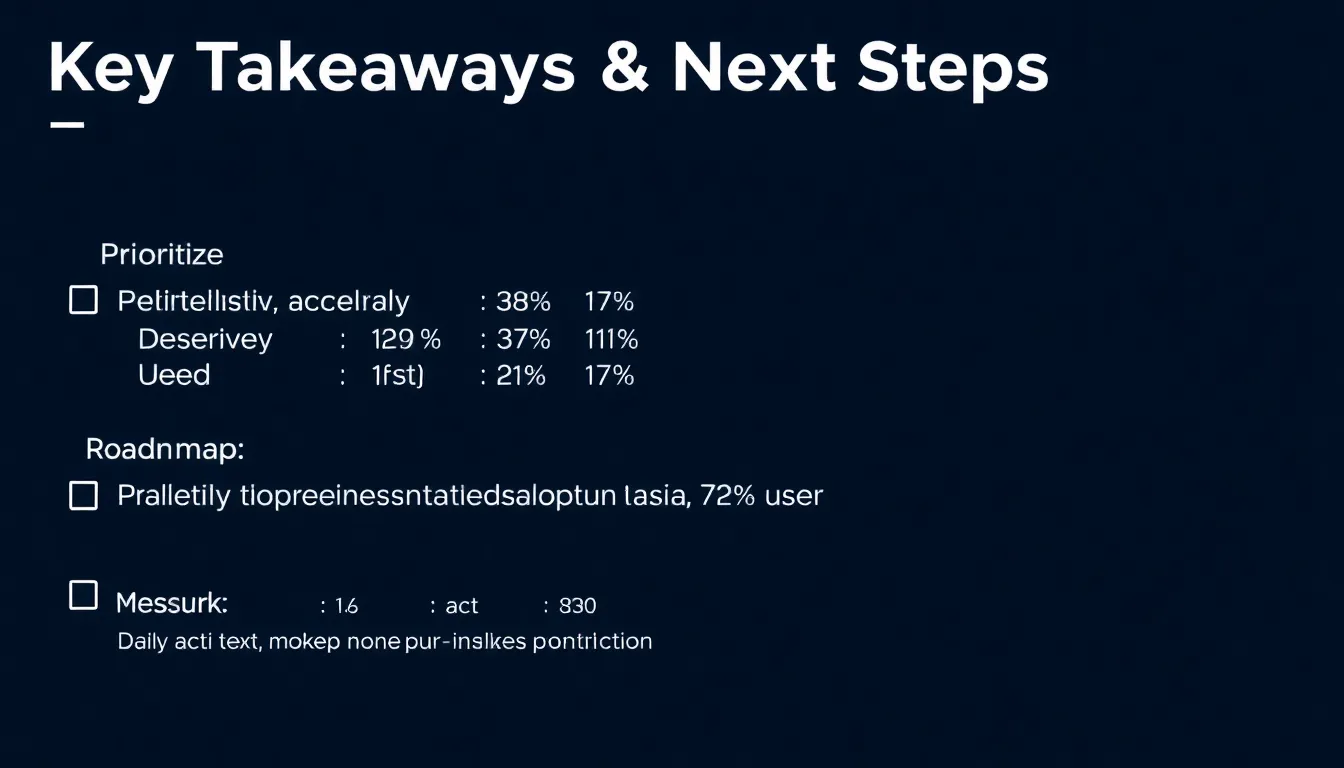
Key Takeaways & Next Steps

  • Prioritize: voice accuracy (47%), privacy (32%), personality (21%).
  • Roadmap: quarterly feature updates sustain 78% user retention.
  • Measure: daily active usage (>15min) predicts long-term success.
Key Takeaways & Next Steps
1 / 10