History of Vietnam
📑 5 slides
👁 241 views
📅 2/8/2026
Introduction to Vietnam's History
Vietnam's history spans over 4,000 years, with ancient cultures like the Đông Sơn.
2
Ancient and Dynastic Eras
- The Hồng Bàng Dynasty (2879–258 BC) is considered Vietnam's first kingdom.
- The Lý Dynasty (1009–1225) established Hanoi as the capital and Buddhism flourished.
- The Nguyễn Dynasty (1802–1945) was the last imperial family, ruling until French colonization.
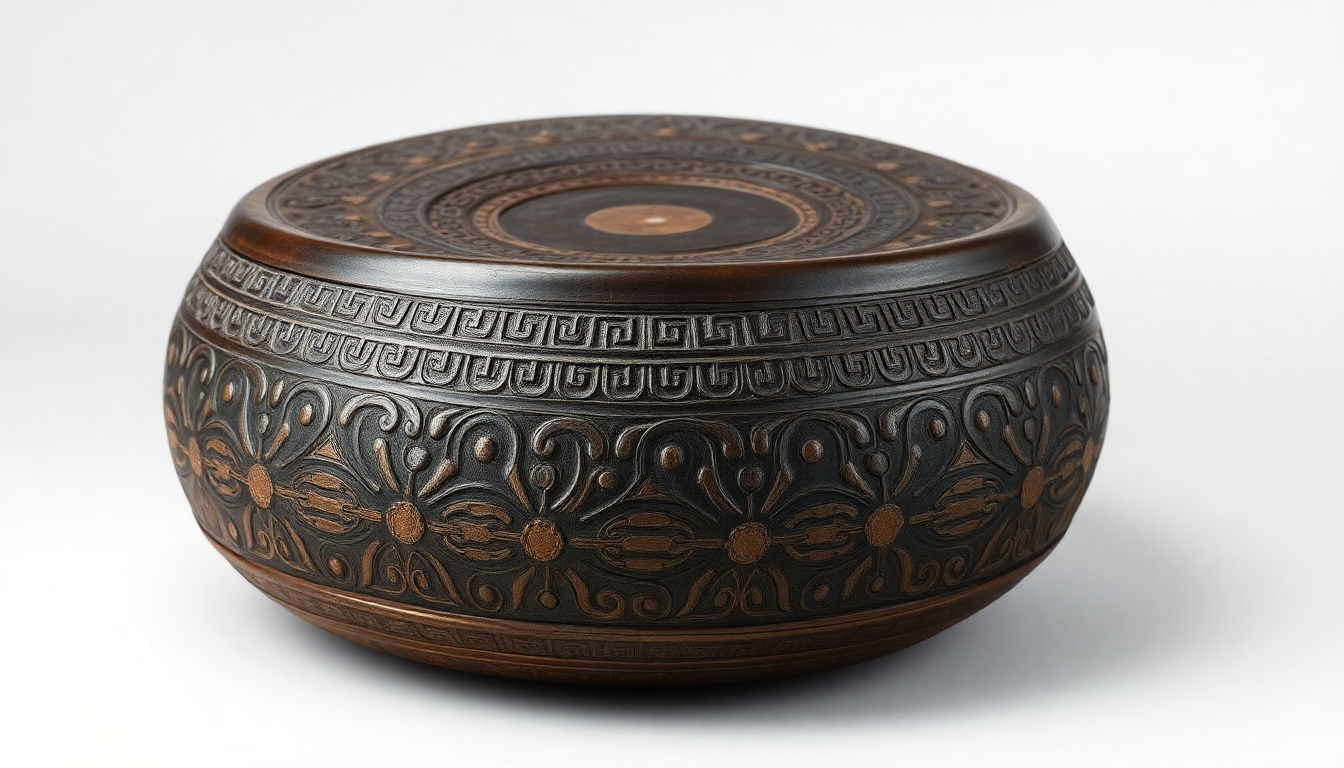
- The Đông Sơn culture is famous for its bronze drums, a symbol of early Vietnamese civilization.
3
Colonial Period and Independence
- France colonized Vietnam in the 19th century, exploiting resources and imposing culture.
- Ho Chi Minh led the independence movement, founding the Viet Minh in 1941.
- The First Indochina War (1946–1954) ended with Vietnam's division at the 17th parallel.
- The Geneva Accords in 1954 marked the end of French rule but split Vietnam into North and South.
4
Vietnam War and Reunification
- The Vietnam War (1955–1975) involved the US supporting South Vietnam against communist North.
- Over 3 million people died, including many civilians, during the conflict.
- The fall of Saigon in 1975 marked the reunification of Vietnam under communist rule.
- Post-war, Vietnam faced economic challenges but later embraced reforms (Đổi Mới) in 1986.
5
Modern Vietnam and Global Role
- Vietnam is now a rapidly growing economy, with a focus on manufacturing and technology.
- The country maintains a one-party communist system but has opened to global markets.
- Vietnam's culture blends traditional values with modern influences, attracting tourists.
- Today, Vietnam plays a key role in Southeast Asia's political and economic landscape.
1 / 5