History of Pakistan Independence

📑 10 slides 👁 47 views 📅 1/21/2026
0.0 (0 ratings)

Introduction to Pakistan's Independence

Pakistan gained independence on August 14, 1947, after partition from British India.

Introduction to Pakistan's Independence
2

Early Independence Movements

  • The All-India Muslim League was founded in 1906 to protect Muslim rights.
  • The Lahore Resolution in 1940 demanded a separate Muslim state.
  • British colonial policies fueled tensions between Hindu and Muslim communities.
Early Independence Movements
3

Role of Muhammad Ali Jinnah

  • Jinnah, known as Quaid-e-Azam, was the founding father of Pakistan.
  • He initially advocated for Hindu-Muslim unity but later pushed for partition.
  • His leadership united Muslims under the demand for a separate nation.
Role of Muhammad Ali Jinnah
4

The Partition Plan of 1947

  • The British announced partition on June 3, 1947, via the Mountbatten Plan.
  • Boundary lines were drawn by Sir Cyril Radcliffe, dividing Punjab and Bengal.
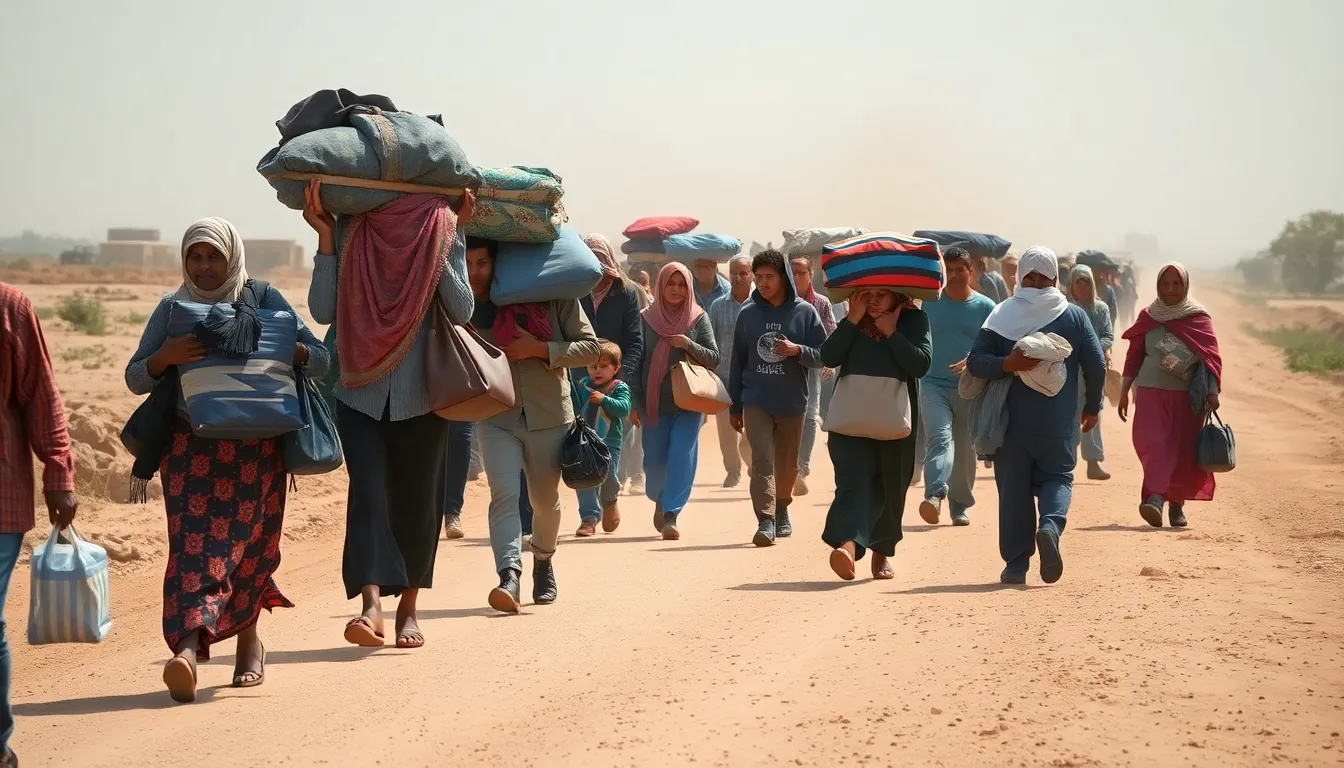
  • The plan led to one of the largest mass migrations in human history.
The Partition Plan of 1947
5

Violence During Partition

  • Over 1 million people died in communal riots during the partition.
  • Approximately 15 million were displaced, moving across new borders.
  • Trains filled with refugees were often attacked during the migration.
Violence During Partition
6

First Government of Pakistan

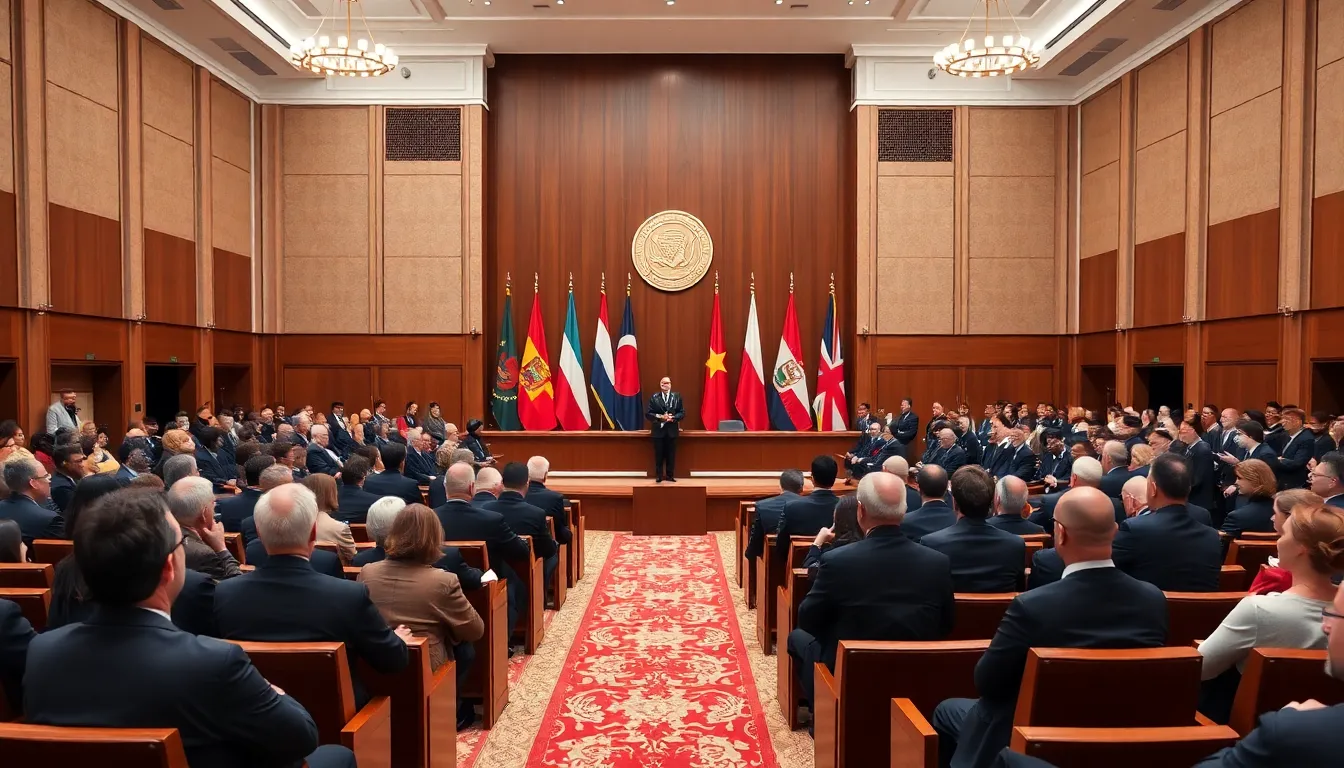
  • Jinnah became the first Governor-General, and Liaquat Ali Khan the first PM.
  • Karachi was declared the first capital of the new nation.
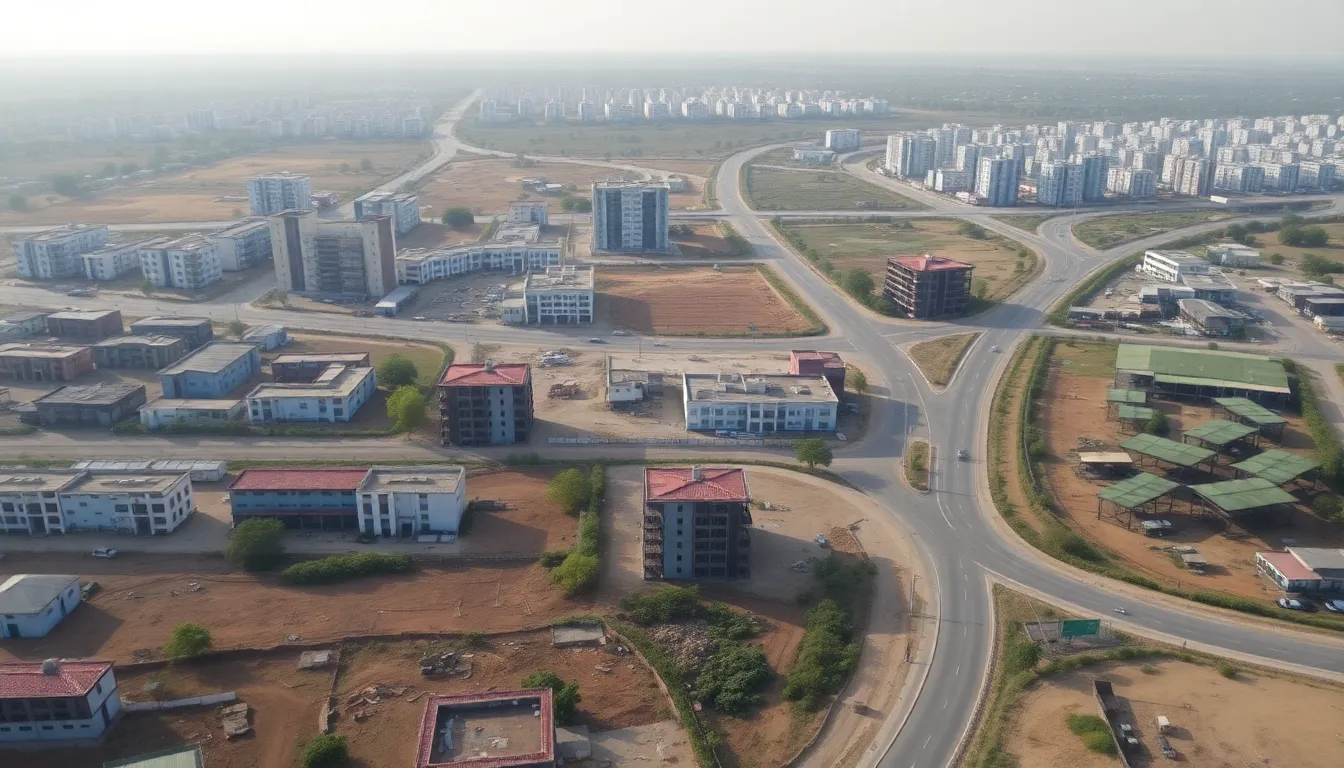
  • The government faced immediate challenges of refugee resettlement.
First Government of Pakistan
7

Early Challenges Post-Independence

  • Pakistan struggled with economic instability and lack of infrastructure.
  • Disputes over Kashmir with India began immediately after independence.
  • The new nation had to establish administrative systems from scratch.
Early Challenges Post-Independence
8

Adoption of National Symbols

  • The green and white flag was adopted representing Muslims and minorities.
  • The national anthem was composed by Hafeez Jullundhri in 1954.
  • Urdu was declared the national language to unify diverse regions.
Adoption of National Symbols
9

International Recognition

  • Pakistan joined the United Nations in September 1947.
  • The US and USSR were among the first to recognize the new state.
  • Early foreign policy focused on relations with Muslim nations.
International Recognition
10

Conclusion & Legacy

  • Pakistan's independence marked a significant moment in decolonization.
  • The nation continues to face challenges from its partition legacy.
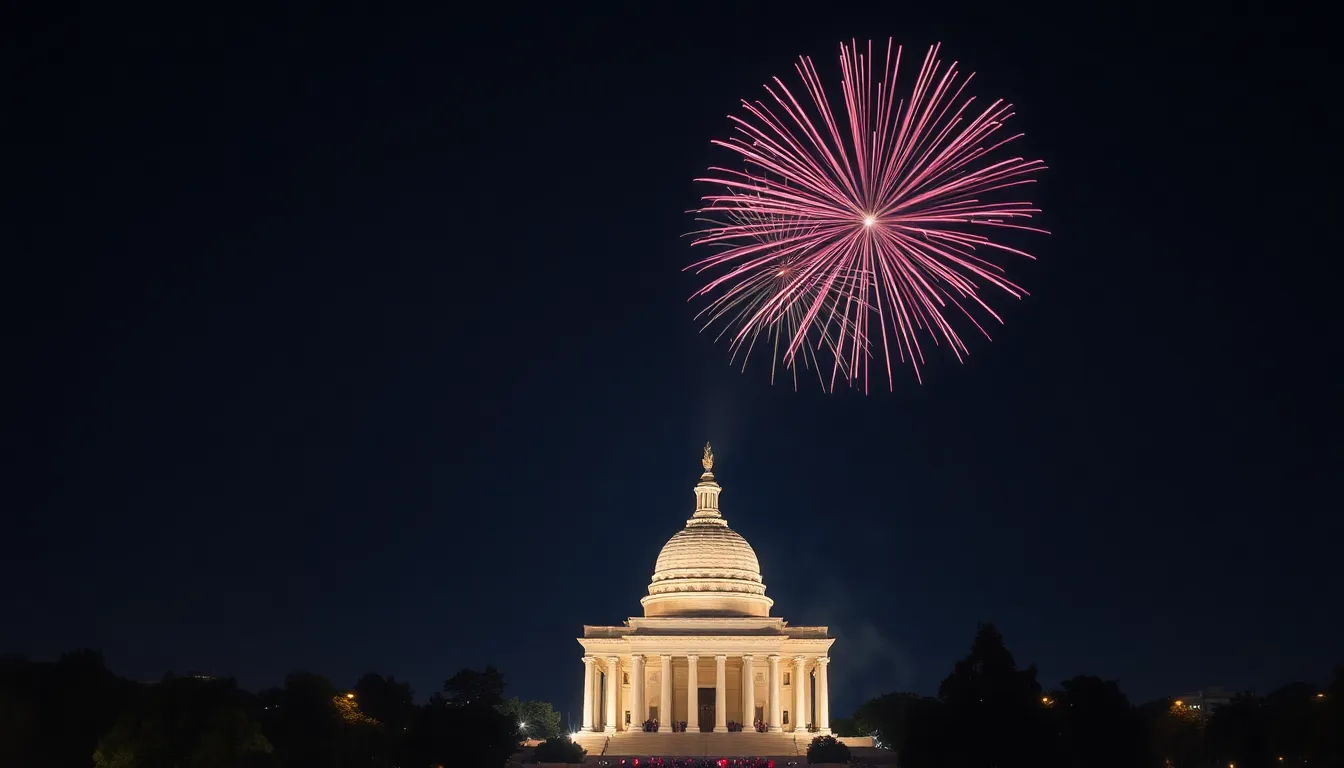
  • August 14 remains celebrated as a national holiday with pride.
Conclusion & Legacy
1 / 10