History of How the Brain was Discovered
๐ 10 slides
๐ 40 views
๐
1/23/2026
Introduction to Brain Discovery
The brain's complexity was unknown in ancient times, often confused with the heart
2
Egyptian Brain Observations
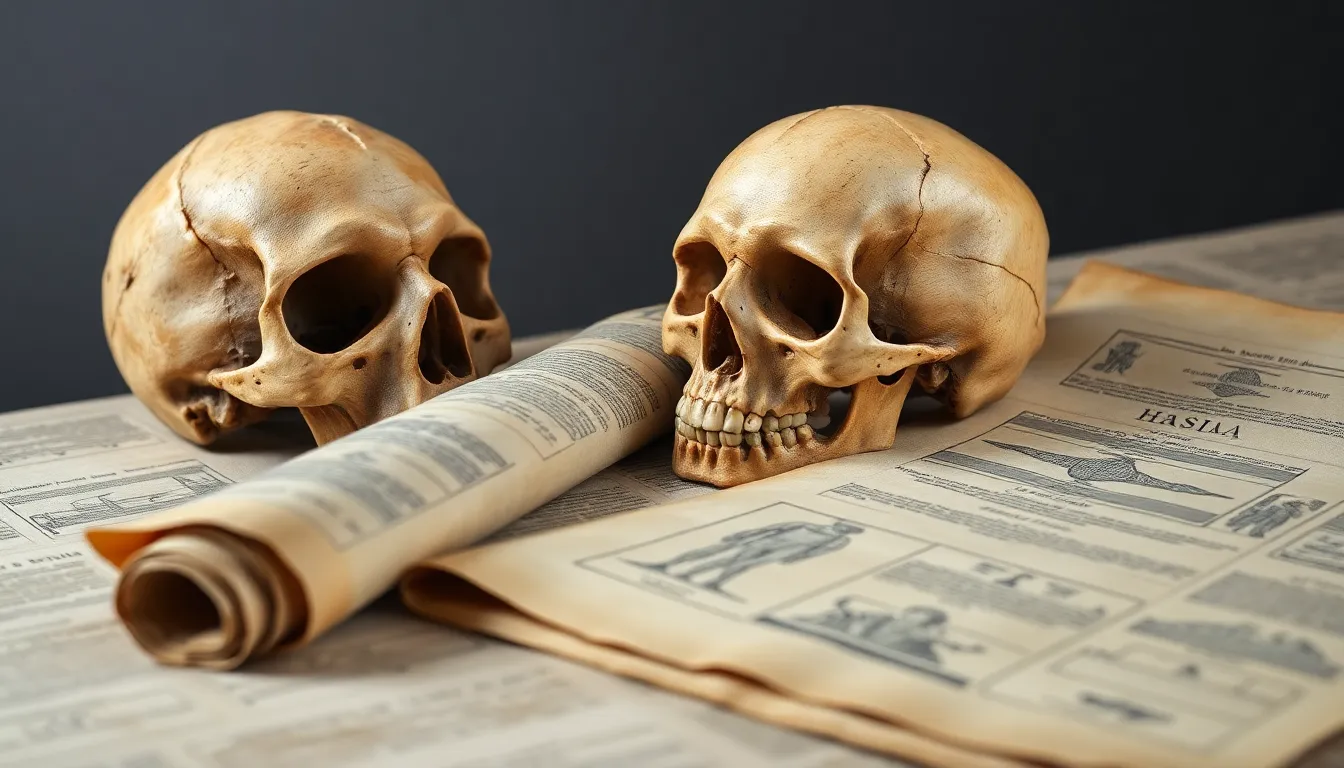
- Edwin Smith Papyrus (1700 BCE) describes brain anatomy from battlefield injuries
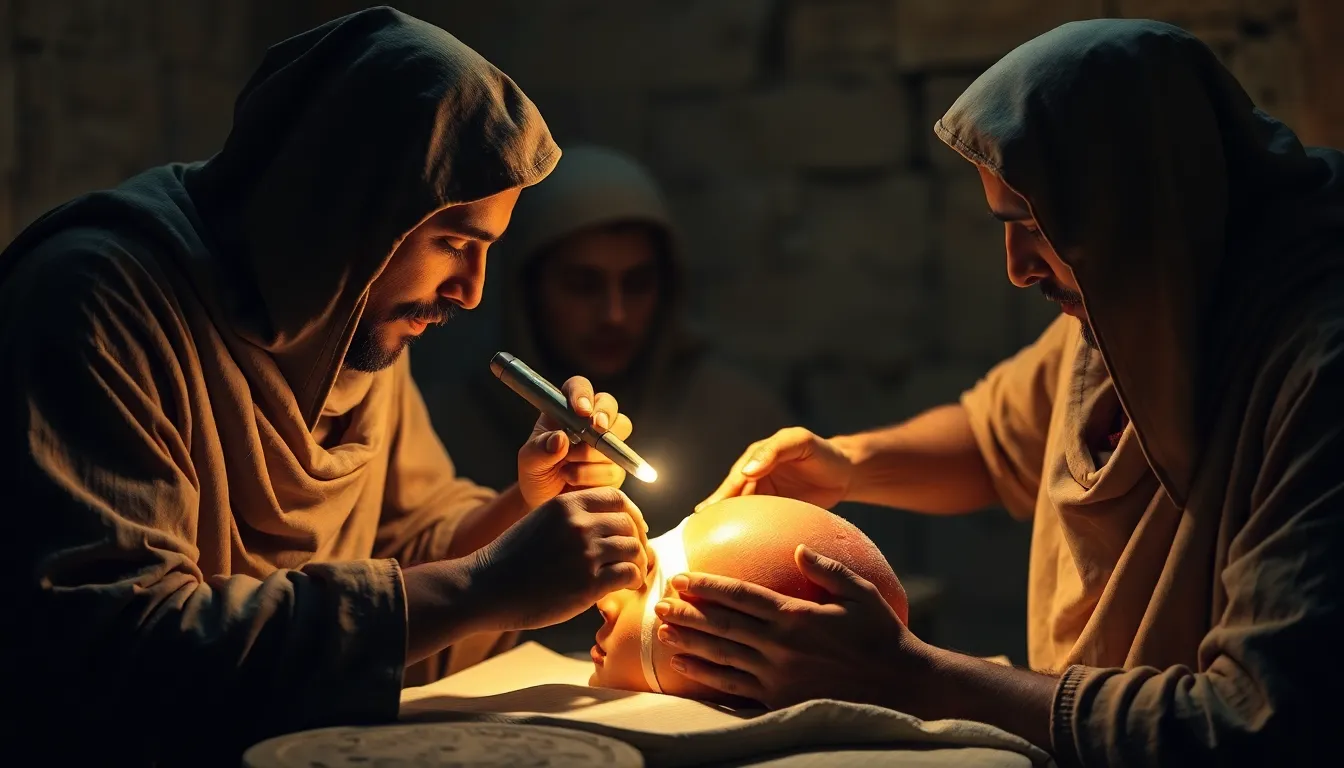
- Egyptians removed brains during mummification but discarded them as unimportant
- First recorded use of 'brain' word appears in this papyrus
- Recognized cerebrospinal fluid but attributed no significant function to it
3
Greek Advancements
- Herophilus (335-280 BCE) performed first dissections distinguishing cerebrum/cerebellum
- Galen (129-216 CE) identified ventricles but believed they carried 'animal spirits'
- Greek physicians established brain as command center through vivisection experiments
- Identified meninges and cranial nerves but misunderstood neural transmission
4
Middle Ages Setbacks
- Brain research stagnated due to religious restrictions on human dissection
- Islamic scholars like Al-Zahrawi preserved Greek knowledge through Dark Ages
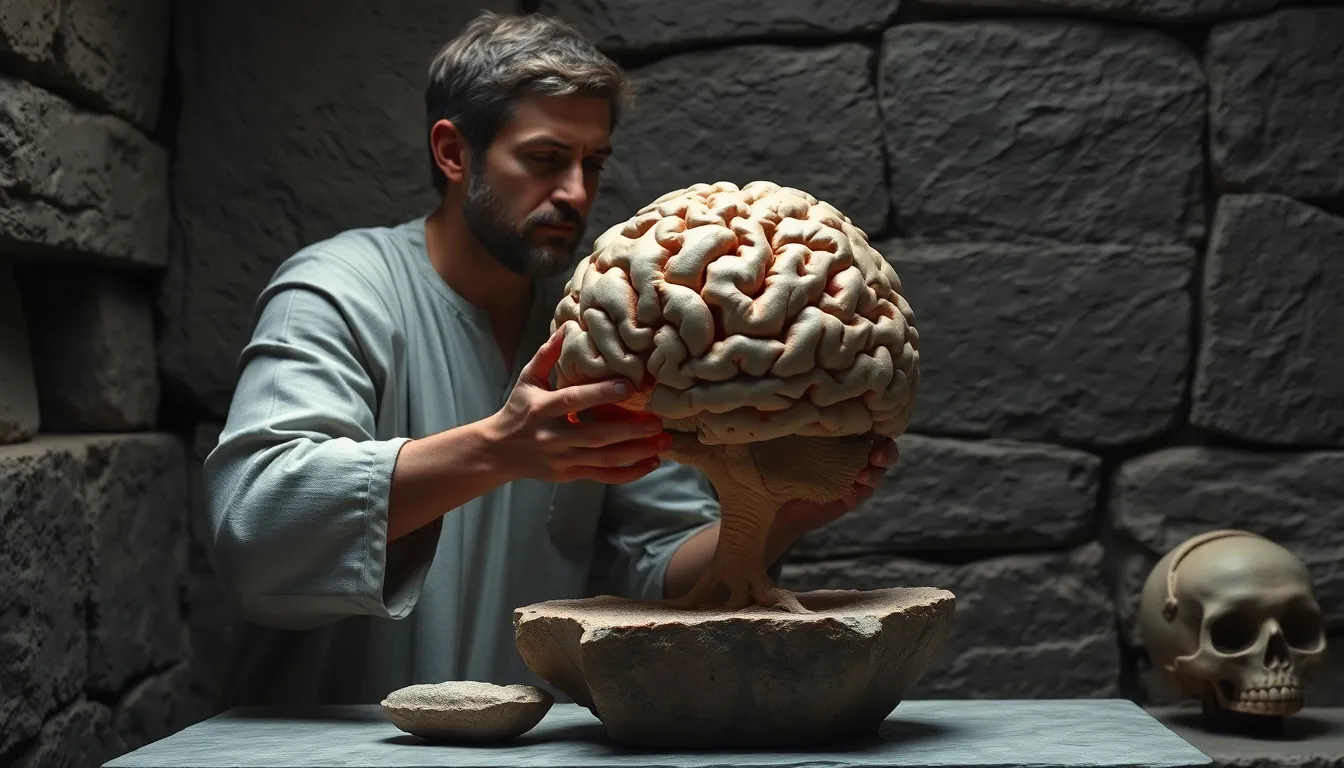
- Leonardo da Vinci (1452-1519) made wax casts of ventricles but followed Galen's errors
- Common belief that brain shape determined personality (phrenology precursor)
5
Renaissance Breakthroughs
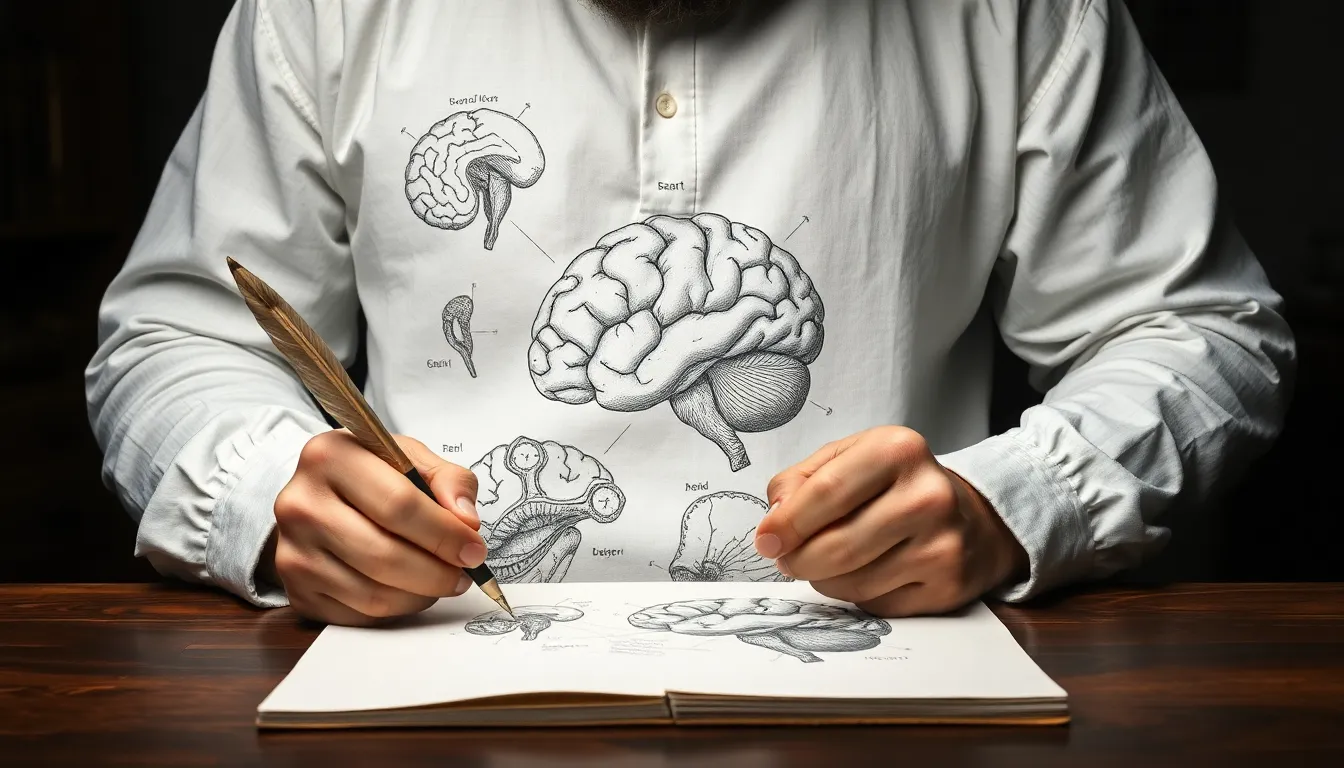
- Andreas Vesalius (1514-1564) published accurate brain anatomy drawings in 1543
- Identified corpus callosum and pineal gland (believed to be soul's seat by Descartes)
- Thomas Willis (1621-1675) coined 'neurology' and mapped brain blood circulation
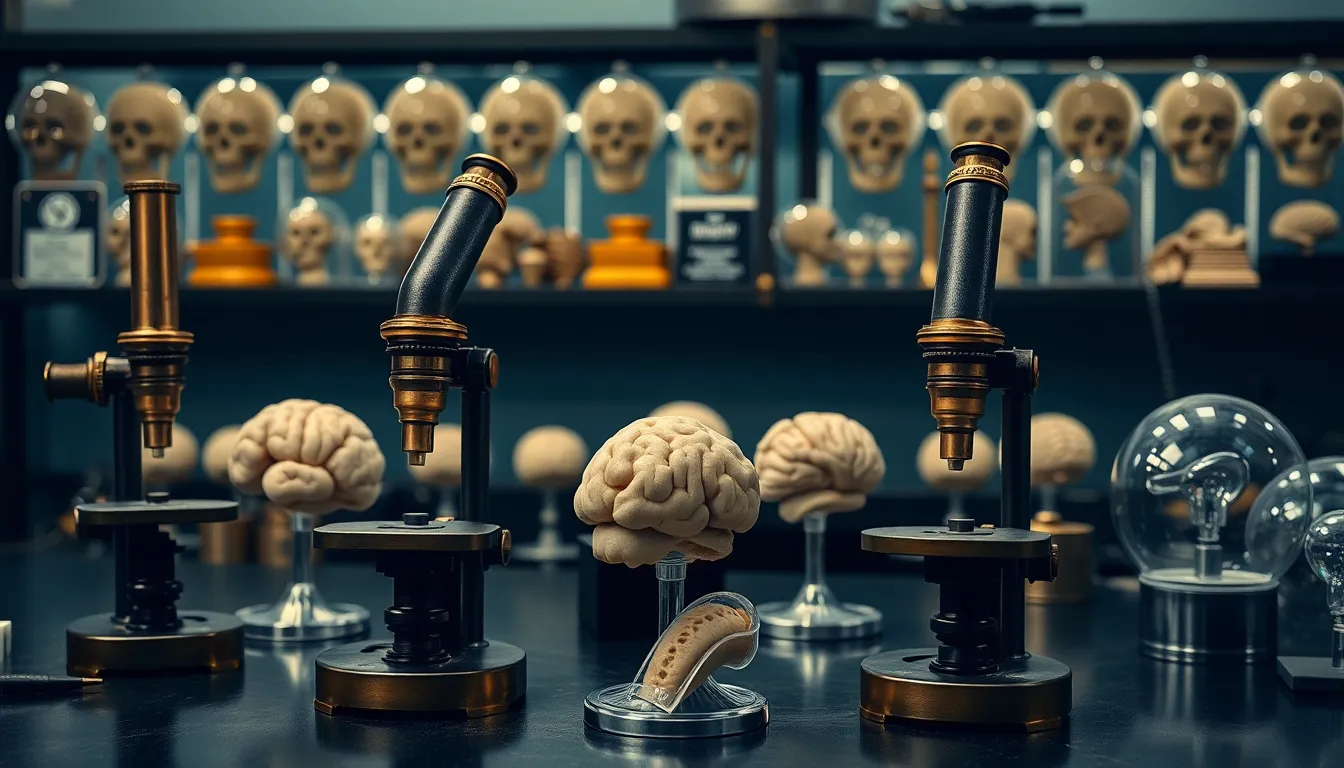
- Microscope invention enabled discovery of neurons in late 17th century
6
19th Century Discoveries
- Paul Broca (1824-1880) localized speech production to left frontal lobe in 1861
- Camillo Golgi developed silver staining method revealing neuron structure in 1873
- Santiago Ramรณn y Cajal proved neurons are separate cells (neuron doctrine, 1889)
- First electroencephalogram (EEG) recorded brain waves in 1875 by Richard Caton
7
Modern Imaging Revolution
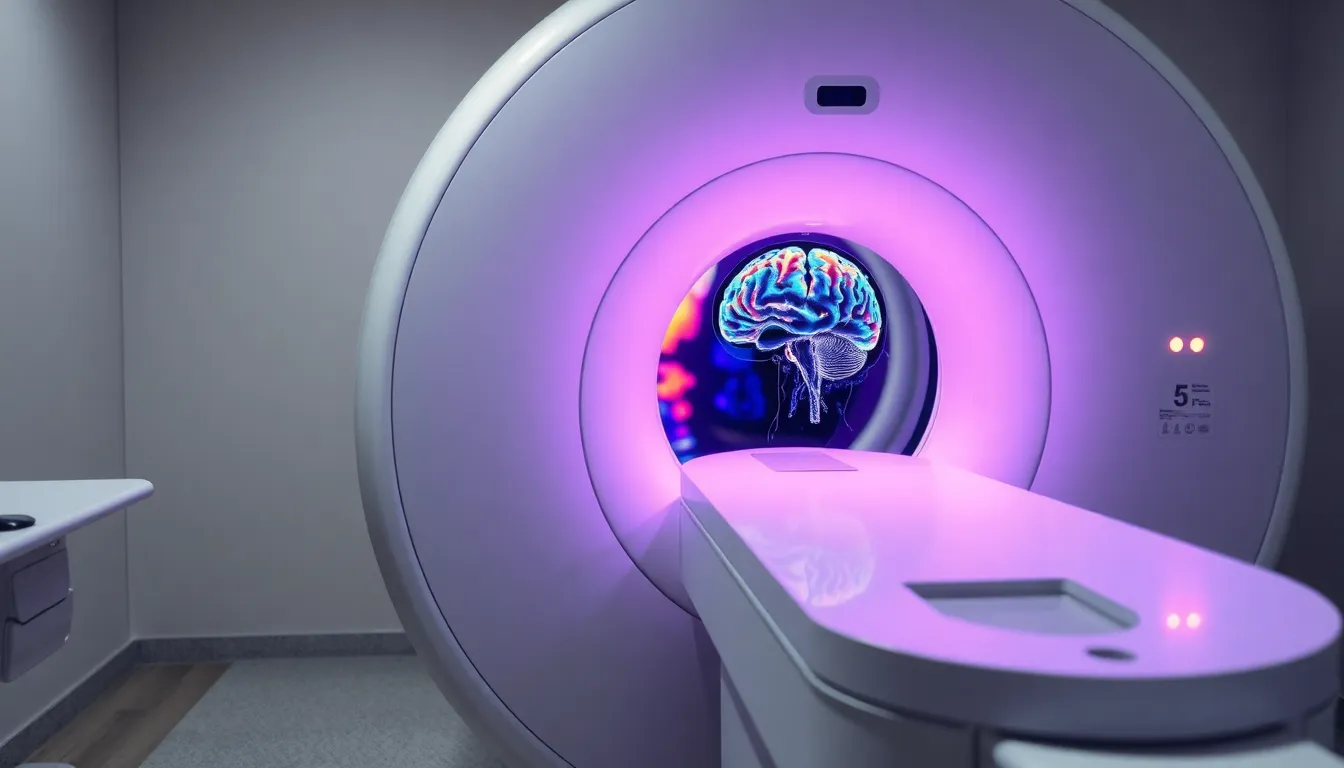
- CT scans (1971) and MRI (1977) allowed non-invasive brain structure visualization
- fMRI (1990) enabled real-time observation of brain activity during tasks
- PET scans revealed metabolic activity patterns in different brain regions
- DTI imaging mapped white matter pathways connecting brain areas
8
Key 20th Century Findings
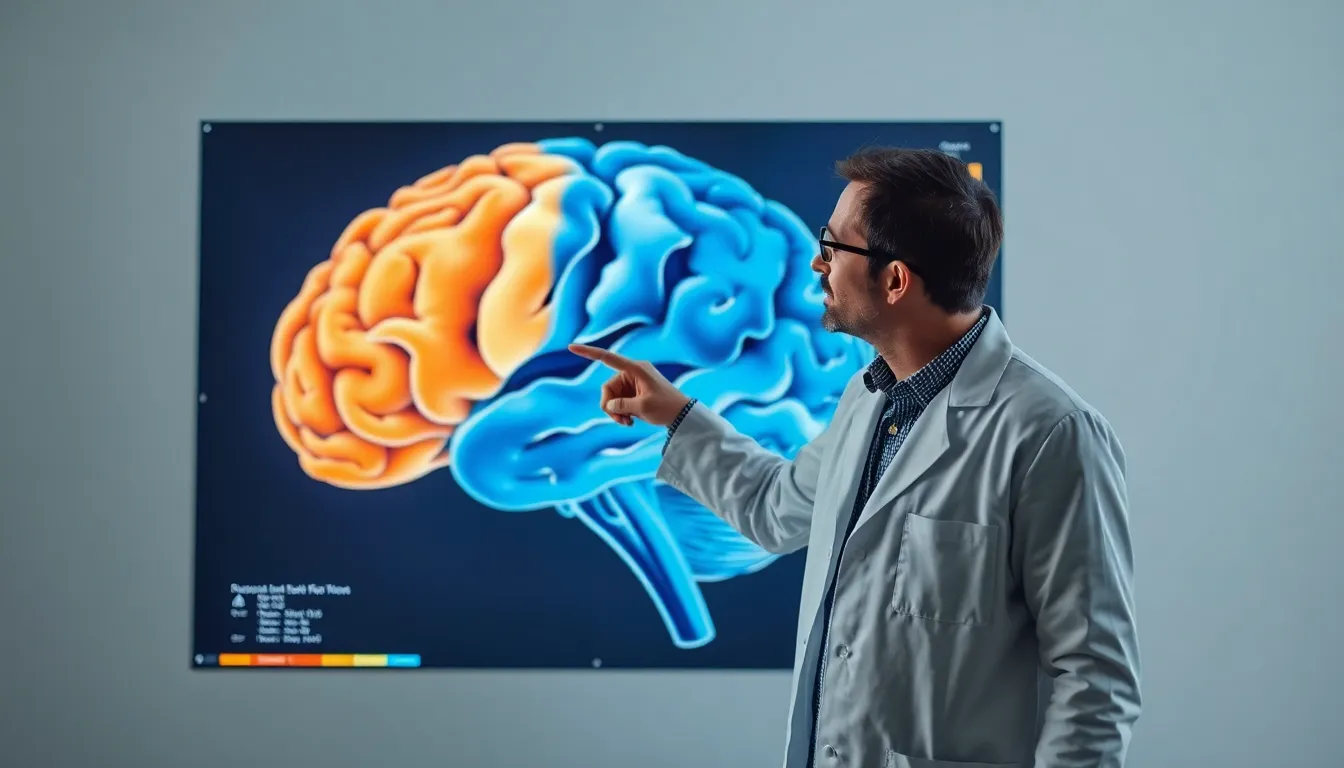
- Wilder Penfield mapped motor/sensory cortex using electrical stimulation in 1950s
- Roger Sperry's split-brain research won 1981 Nobel Prize for hemisphere specialization
- Discovery of neurotransmitters (1950s) explained chemical brain communication
- Neuroplasticity concept proved brain can reorganize itself after injury
9
Current Brain Research
- Human Connectome Project (2009-) mapping all neural connections in the brain
- Optogenetics allows precise control of neurons using light since 2005
- Brain-Computer Interfaces enable direct communication between brain and devices
- AI helps decode brain activity patterns into speech and images
10
Conclusion & Future
- From mystical organ to most complex known biological structure in 4000 years
- Major unanswered questions: consciousness, memory storage, treatment of diseases
- Ethical challenges emerge with advancing neurotechnology and AI integration
- Understanding the brain remains science's greatest frontier
1 / 10