History Grade 6

📑 10 slides 👁 34 views 📅 1/28/2026
0.0 (0 ratings)

Introduction to History

History helps us understand how societies developed over time.

Introduction to History
2

Ancient Mesopotamia

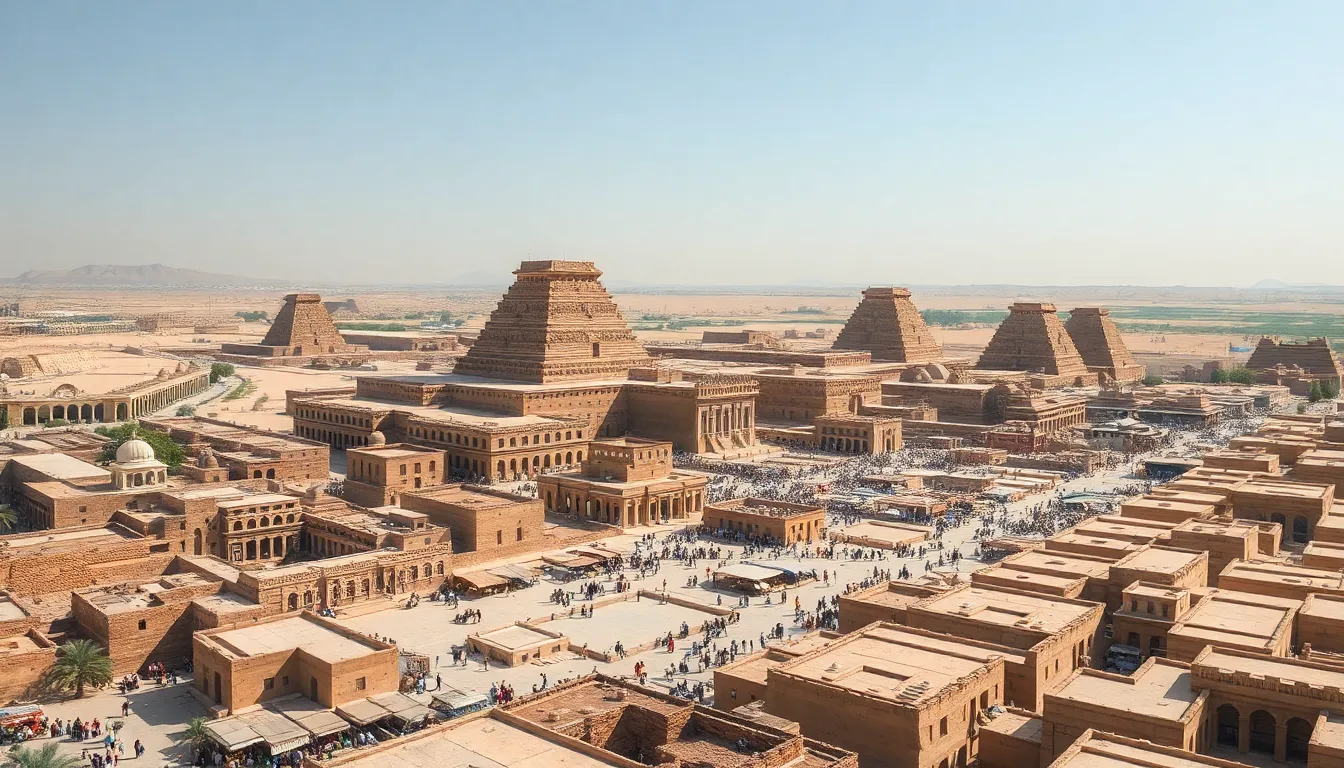
  • Mesopotamia, the 'land between rivers,' was the cradle of civilization.
  • Inventions like the wheel and writing emerged here around 3500 BCE.
  • The Code of Hammurabi was one of the earliest law systems.
Ancient Mesopotamia
3

Ancient Egypt

  • Egypt flourished along the Nile River, relying on its annual floods.
  • Pyramids were built as tombs for pharaohs, like Khufu's Great Pyramid.
  • Hieroglyphics were their writing system, decoded by the Rosetta Stone.
Ancient Egypt
4

Ancient Greece

  • Greece introduced democracy, philosophy, and the Olympic Games.
  • City-states like Athens and Sparta had different governments and cultures.
  • Famous figures include Socrates, Alexander the Great, and Homer.
Ancient Greece
5

Ancient Rome

  • Rome grew from a small village to a vast empire spanning three continents.
  • The Roman Republic had senators, while emperors ruled the later empire.
  • Roman engineering included roads, aqueducts, and the Colosseum.
Ancient Rome
6

Middle Ages

  • The Middle Ages followed the fall of Rome, lasting from 500 to 1500 CE.
  • Feudalism structured society with kings, lords, knights, and peasants.
  • Castles and cathedrals were built, and the Black Death impacted Europe.
Middle Ages
7

Renaissance

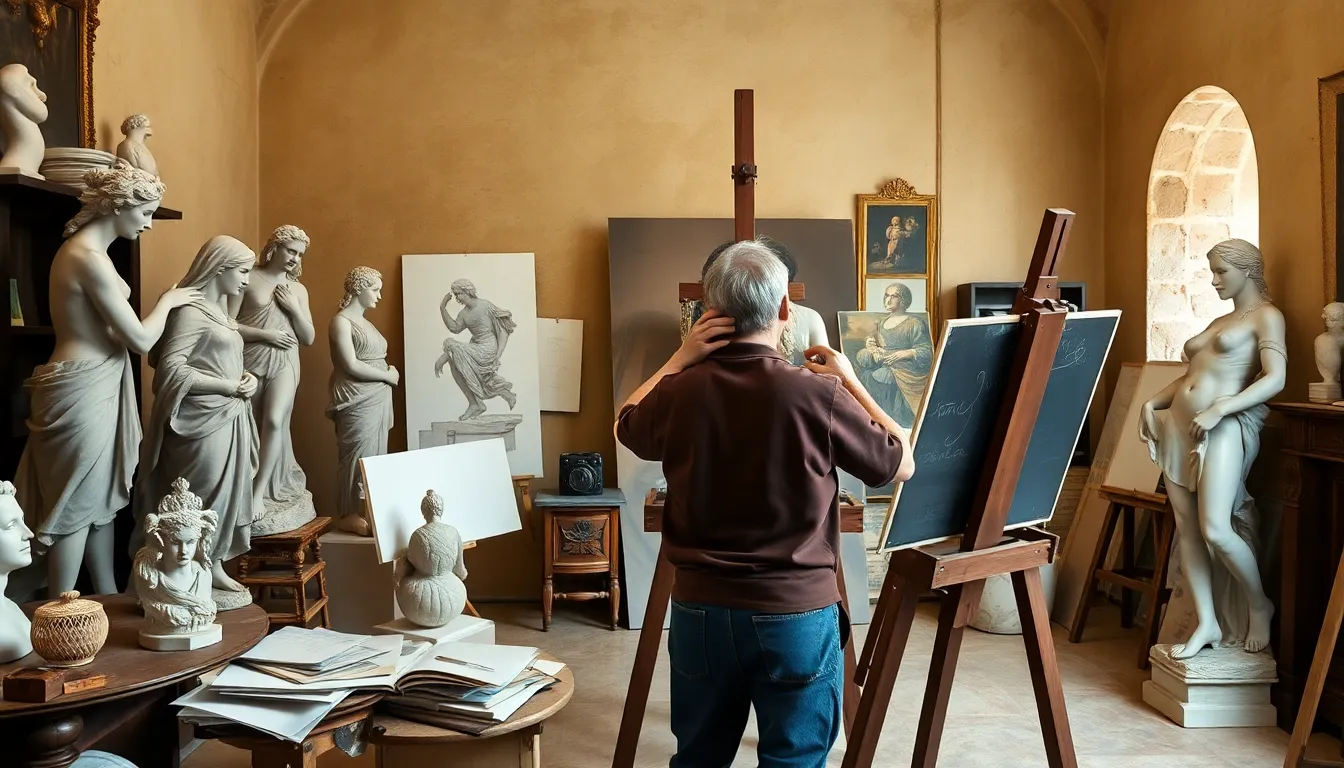
  • The Renaissance revived classical art, science, and learning in Europe.
  • Leonardo da Vinci and Michelangelo created masterpieces during this time.
  • The printing press, invented by Gutenberg, spread knowledge widely.
Renaissance
8

Explorers and Discoveries

  • Explorers like Columbus and Magellan sought new trade routes and lands.
  • The Age of Exploration connected continents but also led to colonization.
  • New foods, animals, and ideas were exchanged between the Old and New Worlds.
Explorers and Discoveries
9

Important Revolutions

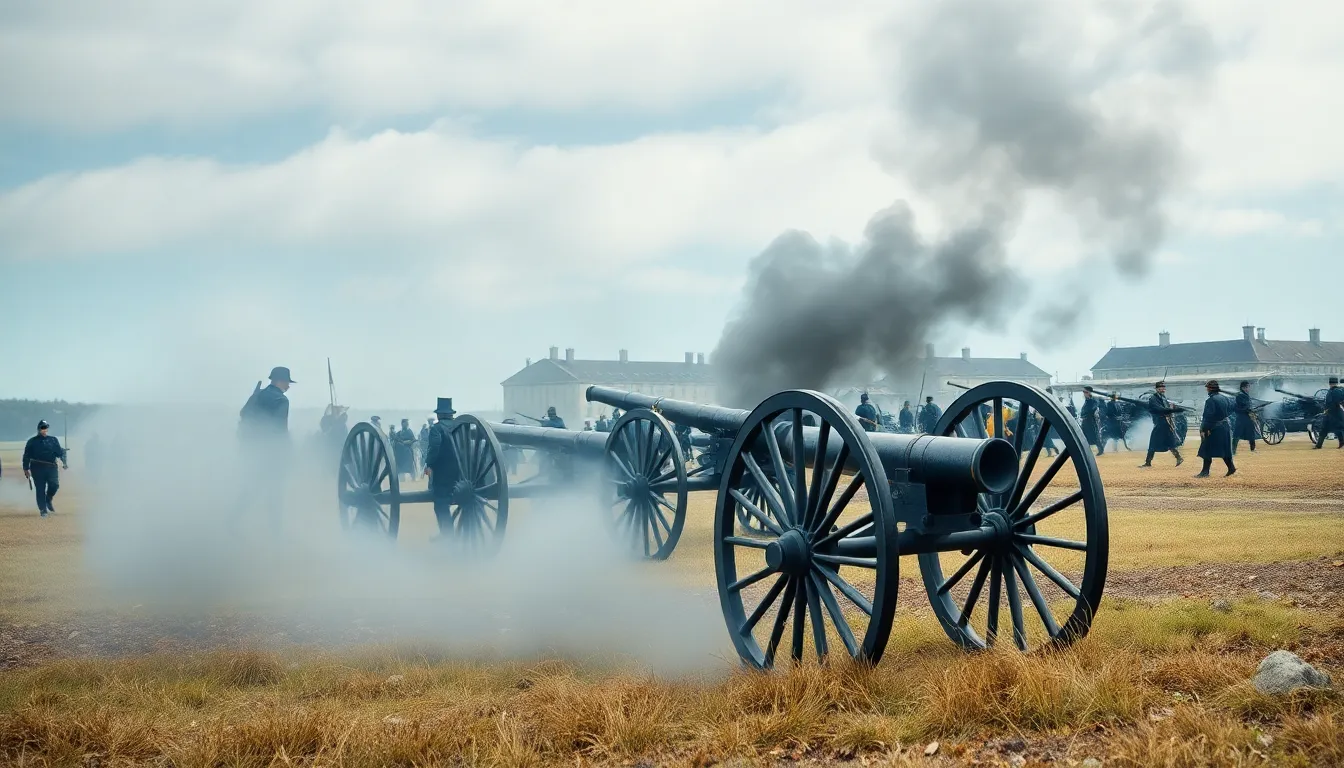
  • The American Revolution (1776) established the United States.
  • The French Revolution (1789) ended monarchy and promoted equality.
  • Industrial Revolution changed economies with factories and machines.
Important Revolutions
10

Conclusion

  • History teaches us about human achievements and challenges.
  • Understanding the past helps us make better decisions for the future.
  • Explore museums, books, and documentaries to learn more!
Conclusion
1 / 10