Punjabi Sikh Culture: Traditions and Shared Values

📑 5 slides 👁 1 views 📅 11/2/2026
0.0 (0 ratings)

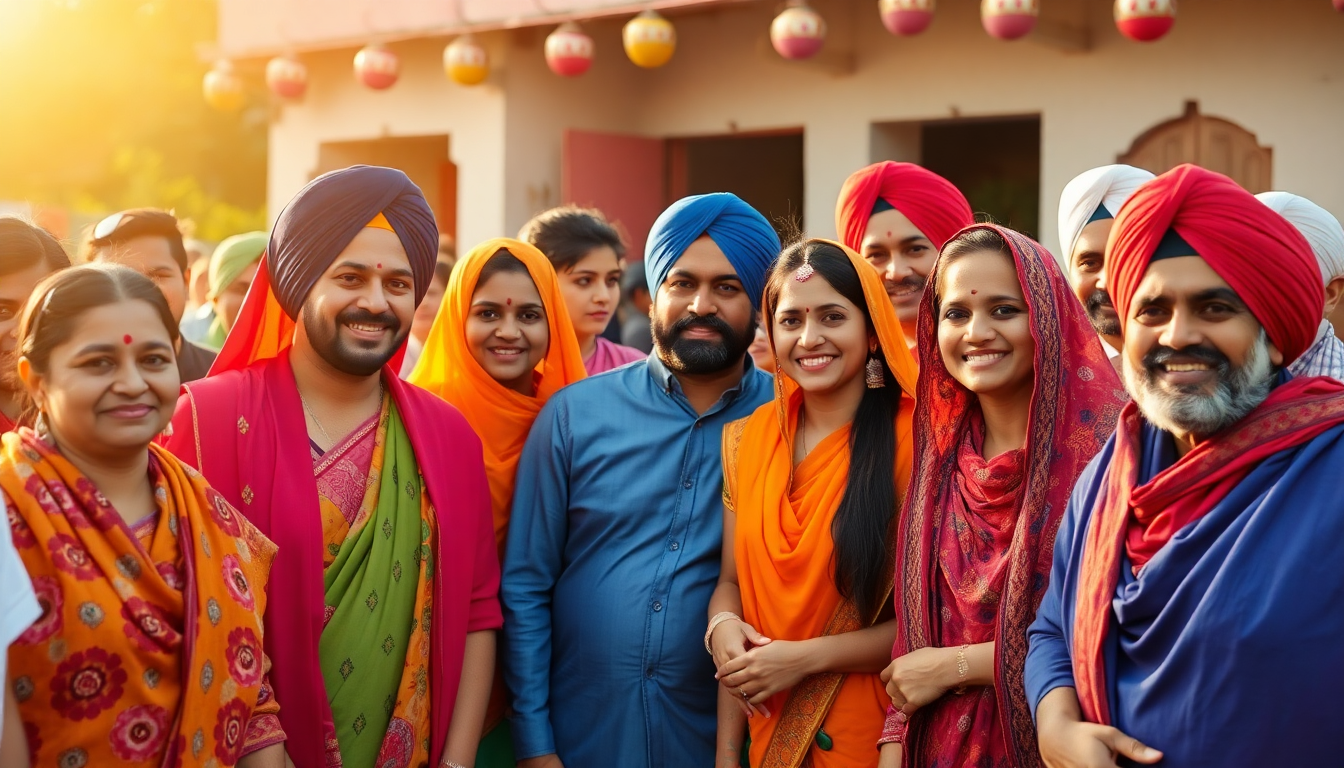
Discovering Punjabi Sikh Culture

Harman Singh introduces his Punjabi background and shares traditions that shape his cultural identity.

Discovering Punjabi Sikh Culture
2

Welcoming a New Baby

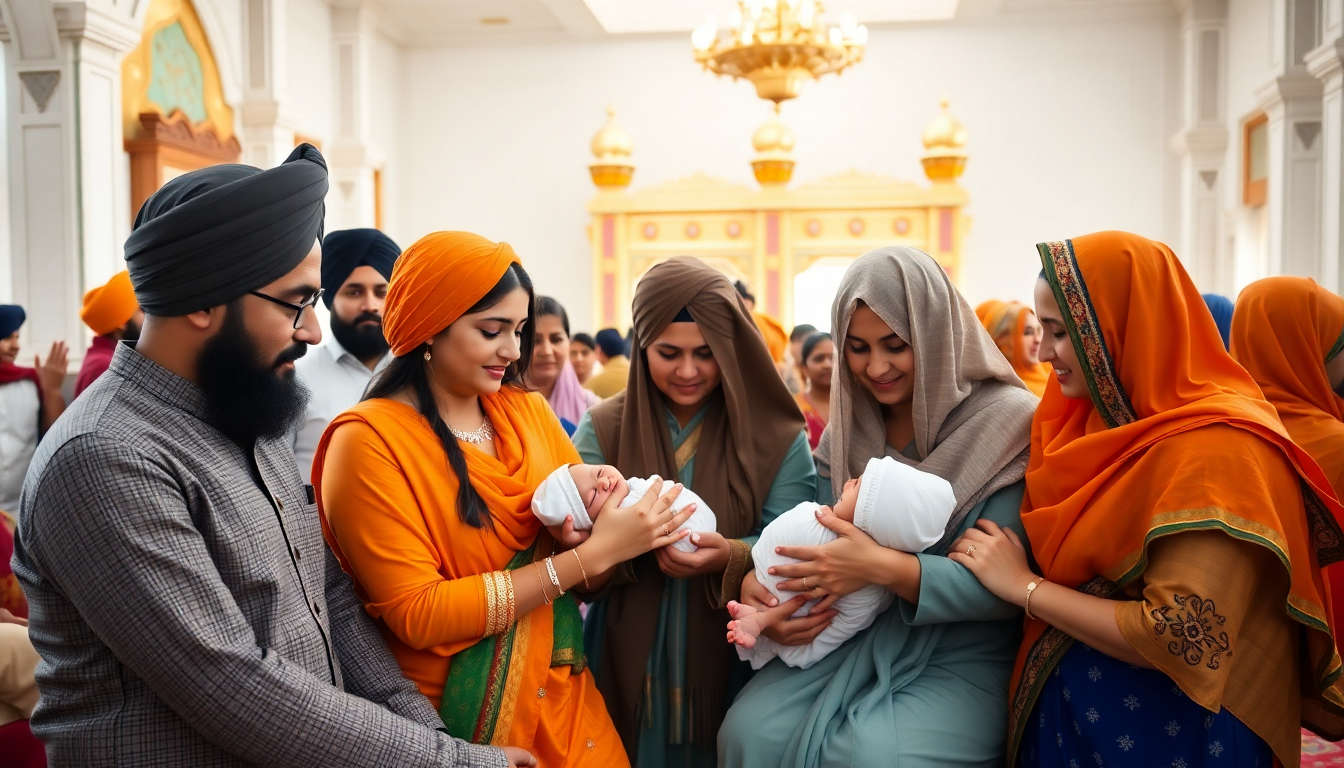
  • In Punjabi Sikh families, Naam Karan is a ceremony held at the Gurdwara to welcome a newborn.
  • Family members gather to pray and seek guidance from the Guru Granth Sahib during the ceremony.
  • The baby's name is chosen through this sacred tradition, connecting the child with faith and family.
Welcoming a New Baby
3

Birth Traditions Across Cultures

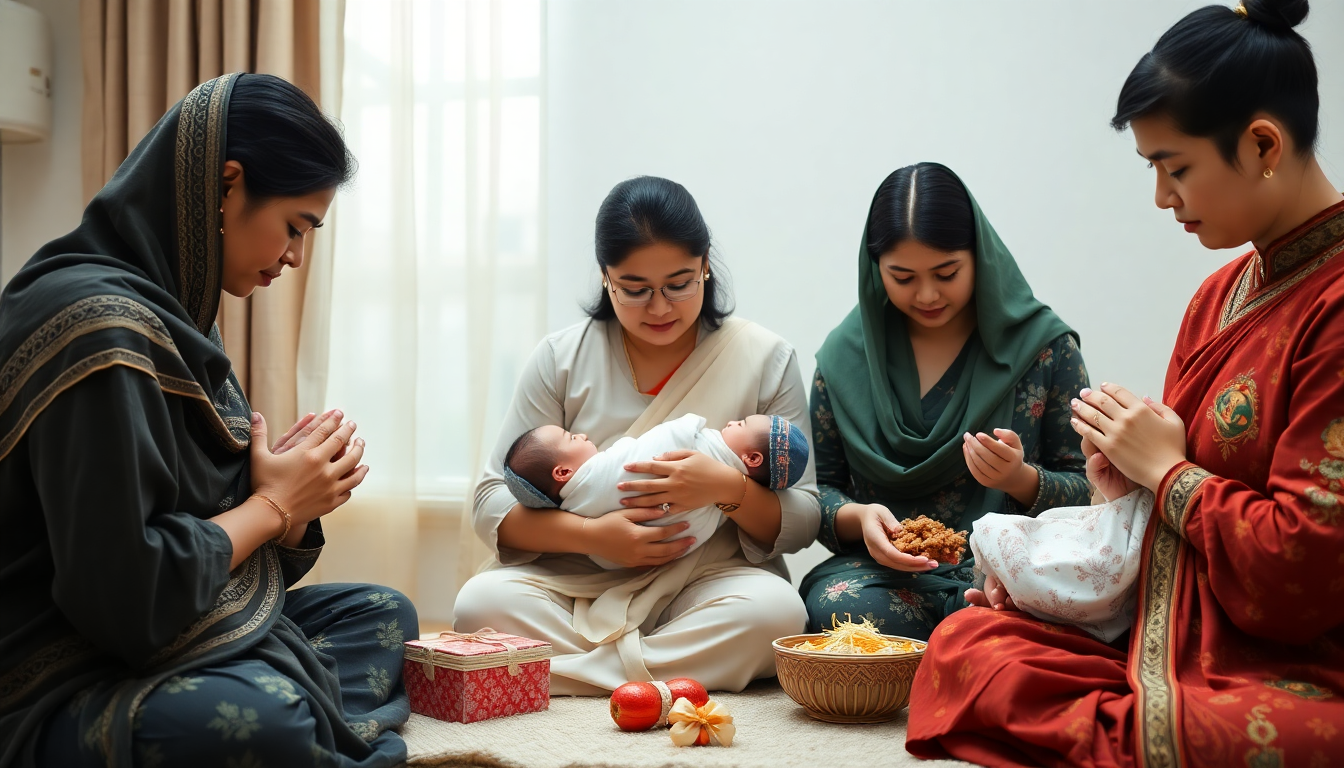
  • Some Bangladeshi families consult a star chart when choosing a baby's name, linking naming with astrology.
  • Christian families may welcome a baby with prayers and love in a church, sharing the moment with their community.
  • In Chinese culture, some families celebrate a baby's first 100 days with food, gifts, and family gatherings.
  • Though customs differ, each tradition welcomes new life and brings families together around the child.
Birth Traditions Across Cultures
4

Celebrations and Cultural Identity

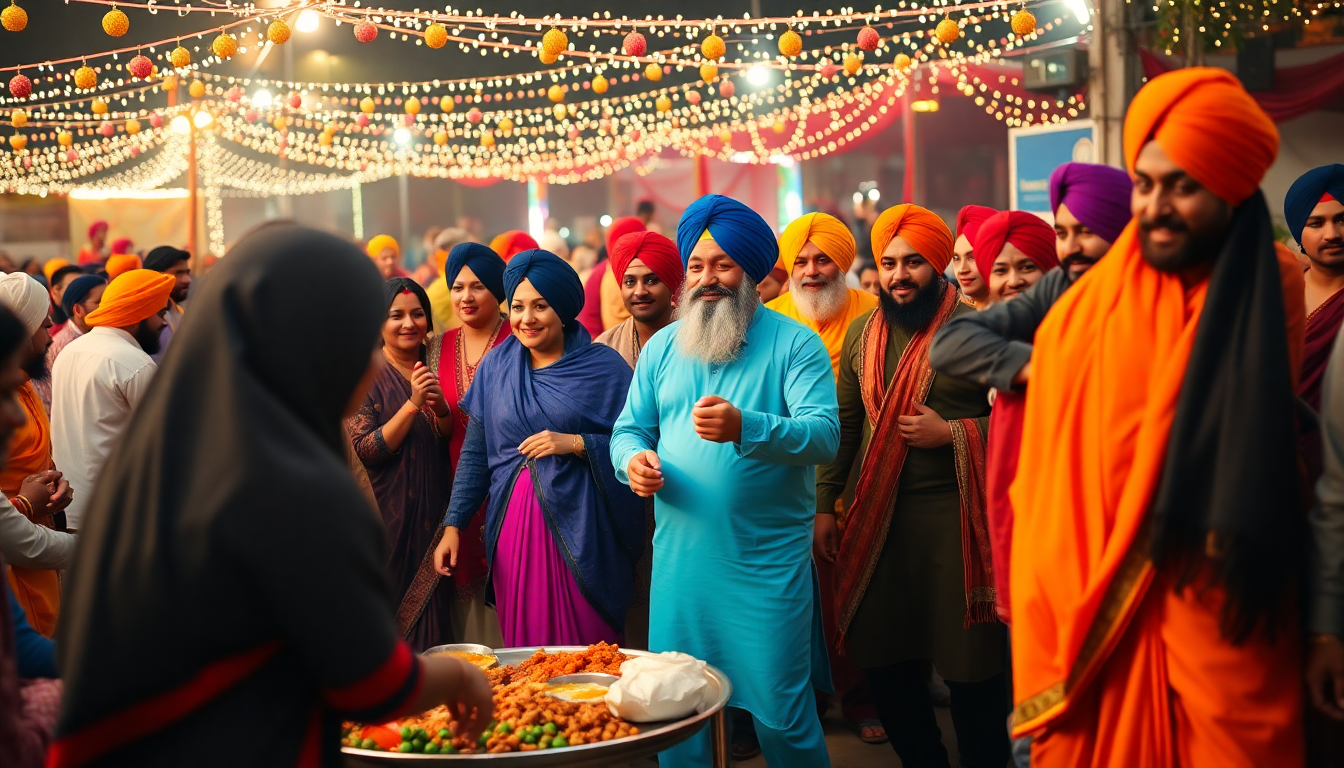
  • Vaisakhi is an important Punjabi Sikh festival, celebrated with Gurdwara visits, devotional music, and shared Langar.
  • Vaisakhi represents courage, unity, faith, and pride in Punjabi and Sikh identity.
  • Other celebrations include Durga Puja in Bangladeshi communities, Lunar New Year in Chinese communities, and Canada Day.
  • Music, dancing, food, and family gatherings help communities express joy and pass traditions to younger generations.
Celebrations and Cultural Identity
5

Different Traditions, Shared Values

  • Birth ceremonies and festivals vary across cultures, reflecting distinct histories, beliefs, and family customs.
  • Punjabi Sikh traditions such as Naam Karan and Vaisakhi highlight faith, community, service, and cultural pride.
  • Across these traditions, love, respect, family connection, and welcoming others are values people share.
  • Celebrating cultural differences helps communities understand one another and appreciate the many ways people belong.
Different Traditions, Shared Values
1 / 5