Hierarchical Clustering
📑 5 slides
👁 8 views
📅 2/25/2026
Introduction to Hierarchical Clustering
Hierarchical clustering groups similar data points into clusters.
2
Types of Hierarchical Clustering
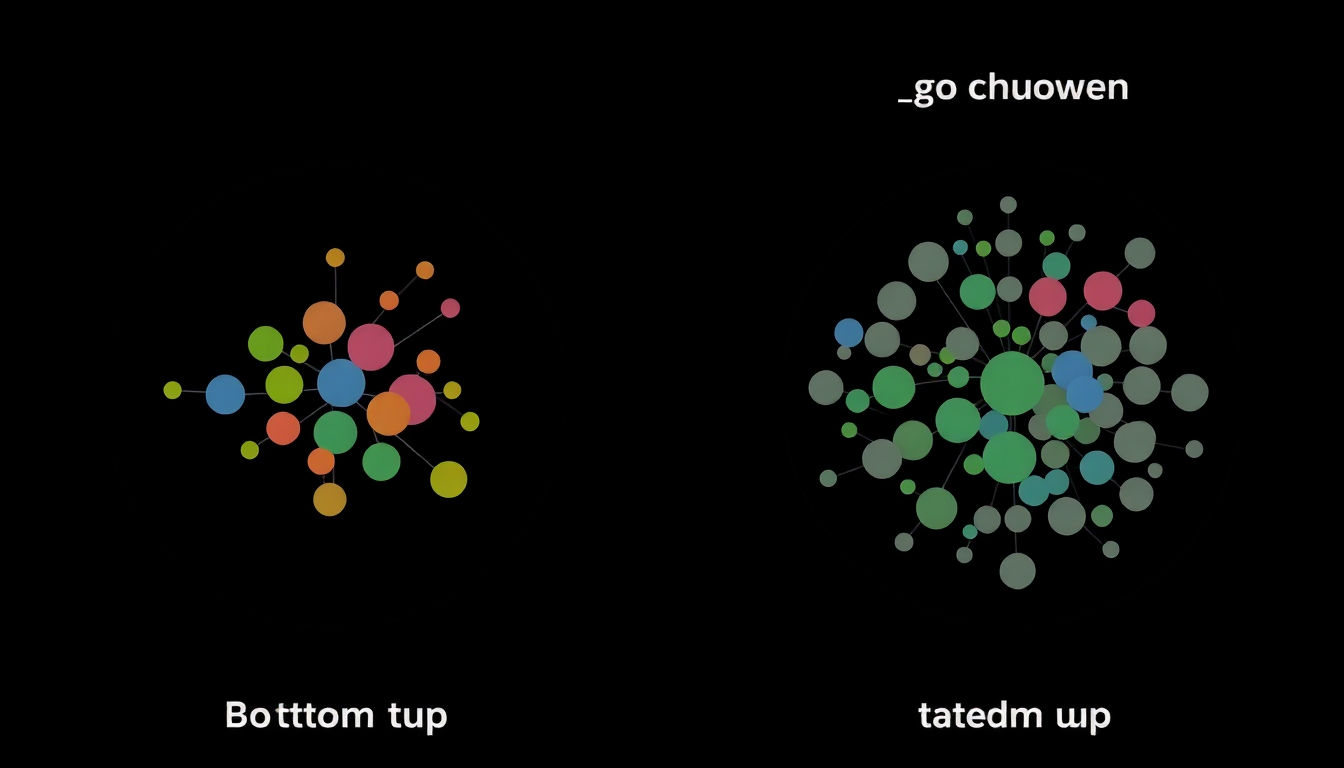
- Agglomerative: Bottom-up approach, starts with individual points.
- Divisive: Top-down approach, starts with one cluster.
- Agglomerative is more commonly used in practice.
3
Distance Metrics Used
- Euclidean distance: Straight-line distance between points.
- Manhattan distance: Sum of absolute differences.
- Cosine similarity: Measures angle between vectors.
4
Applications in Real World
- Customer segmentation for targeted marketing campaigns.
- Gene expression analysis in biological research.
- Document clustering for information retrieval systems.
5
Advantages and Limitations
- Advantage: No need to specify number of clusters beforehand.
- Limitation: Computationally expensive for large datasets.
- Best for small to medium datasets with clear hierarchy.
1 / 5