Common Drug–Food Interactions

📑 5 slides 👁 9 views 📅 11/10/2026 📺 YouTube
0.0 (0 ratings)

Understanding Drug–Food Interactions

Food and beverages can change a drug’s absorption, metabolism, distribution, or removal from the body.

Understanding Drug–Food Interactions
2

Six Interactions to Know

  • Warfarin and vitamin K-rich greens: sudden dietary changes can reduce anticoagulation; keep intake consistent.
  • MAO inhibitors and tyramine-rich foods: aged cheese and cured meats can trigger a dangerous rise in blood pressure.
  • Acetaminophen and heavy alcohol use can burden the liver, especially when glutathione stores are depleted.
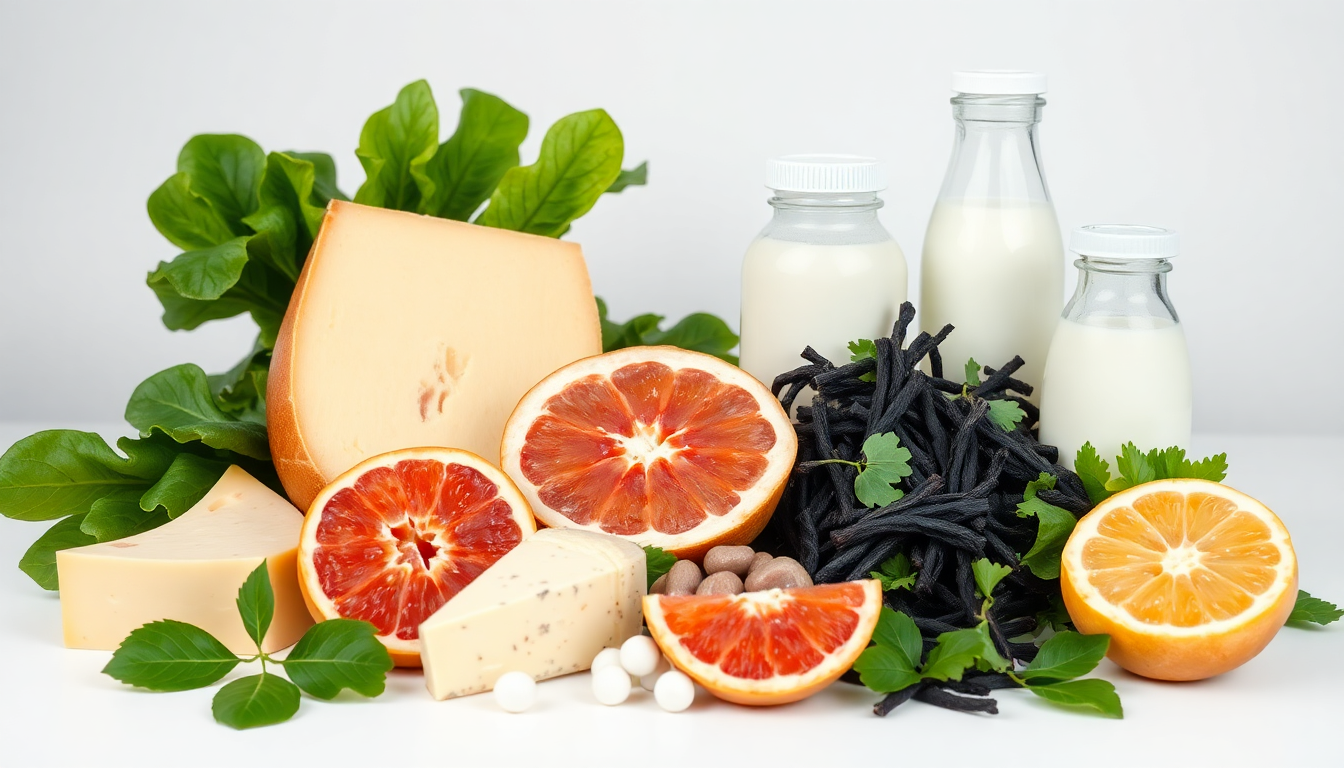
  • Grapefruit, calcium-rich foods, and licorice can affect certain statins, antibiotics, or digoxin.
Six Interactions to Know
3

Why These Interactions Matter

  • Reduced drug absorption or increased clearance can leave medication levels too low for effective treatment.
  • Slower metabolism can cause a drug to accumulate, increasing the risk of side effects and toxicity.
  • Digoxin with licorice may lower potassium and raise toxicity risk, potentially causing dangerous heart rhythm changes.
  • Interaction severity varies, but avoidable harm can lead to poor outcomes, emergency care, and higher healthcare costs.
Why These Interactions Matter
4

Practical Prevention and Counseling

  • Warfarin patients should maintain consistent vitamin K intake and report significant dietary changes to their prescriber.
  • Separate tetracycline, doxycycline, or ciprofloxacin from calcium-rich foods as directed; timing varies by medication.
  • Avoid grapefruit with affected statins and licorice with digoxin unless a healthcare professional advises otherwise.
  • Encourage patients to check labels, use one pharmacy, and share a complete list of medicines and supplements.
Practical Prevention and Counseling
5

Key Takeaways and Trusted Resources

  • A patient's diet can significantly affect medication safety and efficacy, so food interactions belong in routine care.
  • Pharmacists can tailor advice on foods to avoid, consistent intake, dose timing, and when to contact a prescriber.
  • Check package inserts, professional databases such as Lexicomp or Micromedex, and relevant primary literature.
  • Patients can consult their pharmacist or clinician and use reputable FDA or Drugs.com resources as supplements, not substitutes.
Key Takeaways and Trusted Resources
1 / 5