Kathrims as Public Laws
📑 5 slides
👁 2 views
📅 10/5/2026
Law and Chosid Zungdrel
Laws enable a state to govern, enforce obedience, and set limits on the actions of officials.
2
Two Codes of Law
- In 1622, Zhabdrung Rinpoche issued the Chayig Chenmo, also known as Choethrim or dharma laws.
- Around 1650, he issued Kathrim I, establishing provisions focused largely on public administration.
- The Kathrims were public laws, though they also contained elements relevant to civil and criminal matters.
- Kathrim I was brief; its author described the listed provisions as seeds rather than a complete account.
3
Protecting People Through Public Law
- Public law was intended to keep central and local authorities, and their officials, within legal bounds.
- Its purpose included protecting people from exploitation, harassment, and misuse of official power.
- Kathrim I called for officials' duties to be read aloud each year to reinforce their powers and limits.
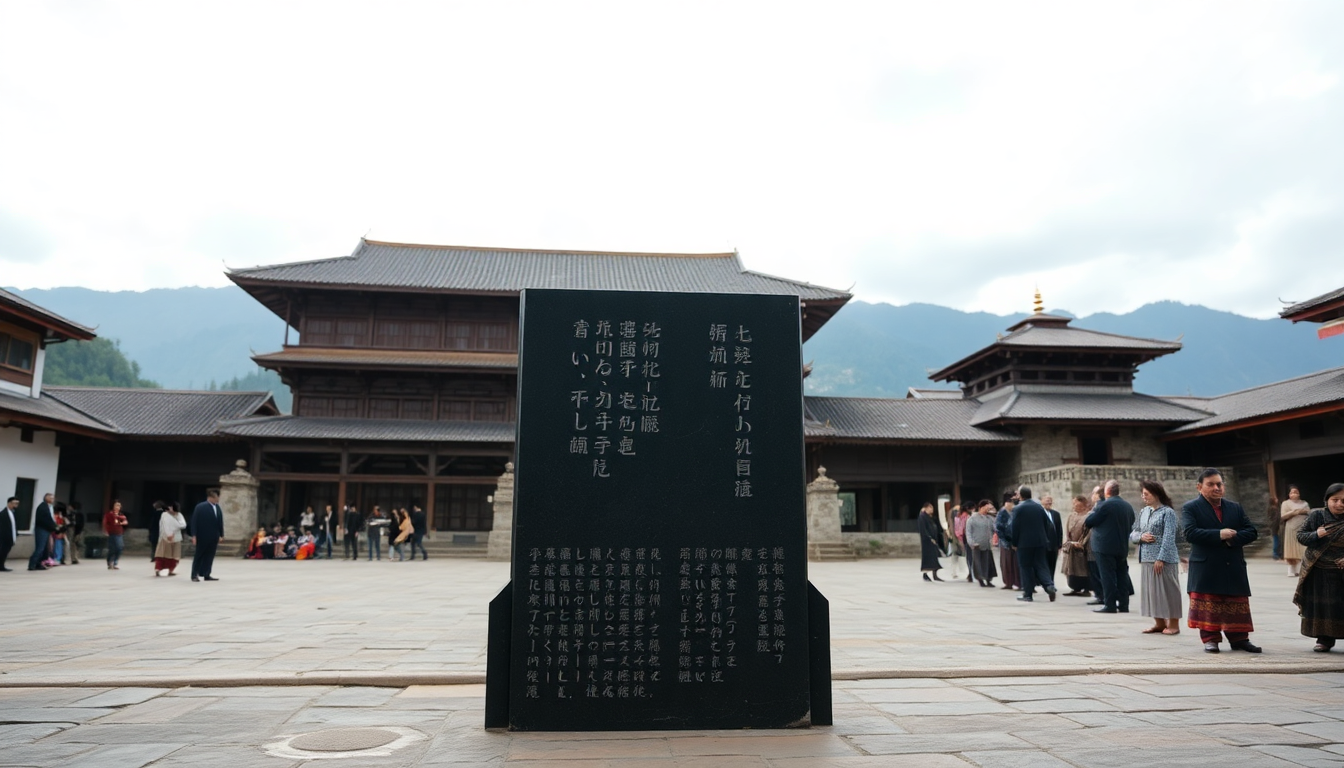
- Its public display on black slates near Punakha Dzong may have helped people assess official conduct.
4
Why Kathrim II Was Issued
- Issued in 1729, Kathrim II came nearly eight decades after Kathrim I and expanded on similar principles.
- It cited declining respect for Driglam Namzha and disregard for virtue and the Buddhist value of ley judrey.
- Local officials, including chipons, were accused of serving the wealthy, deceiving others, and accepting bribes.
- The code also criticized false allegations, selfish conduct, and monks who broke vows or committed serious offenses.
5
A Shared Duty to Uphold the Law
- Kathrim II portrayed lawlessness as a concern involving officials, local leaders, ordinary people, and monks.
- Its expanded provisions responded to misconduct and sought to restore respect for lawful and ethical conduct.
- Kathrim I stressed that everyone should follow the law in every situation, place, and time.
- Together, the codes linked public accountability with fair treatment and Buddhist principles of governance.
1 / 5