Greenwashing: The Problem and Solutions
📑 10 slides
👁 28 views
📅 1/28/2026
What is Greenwashing?
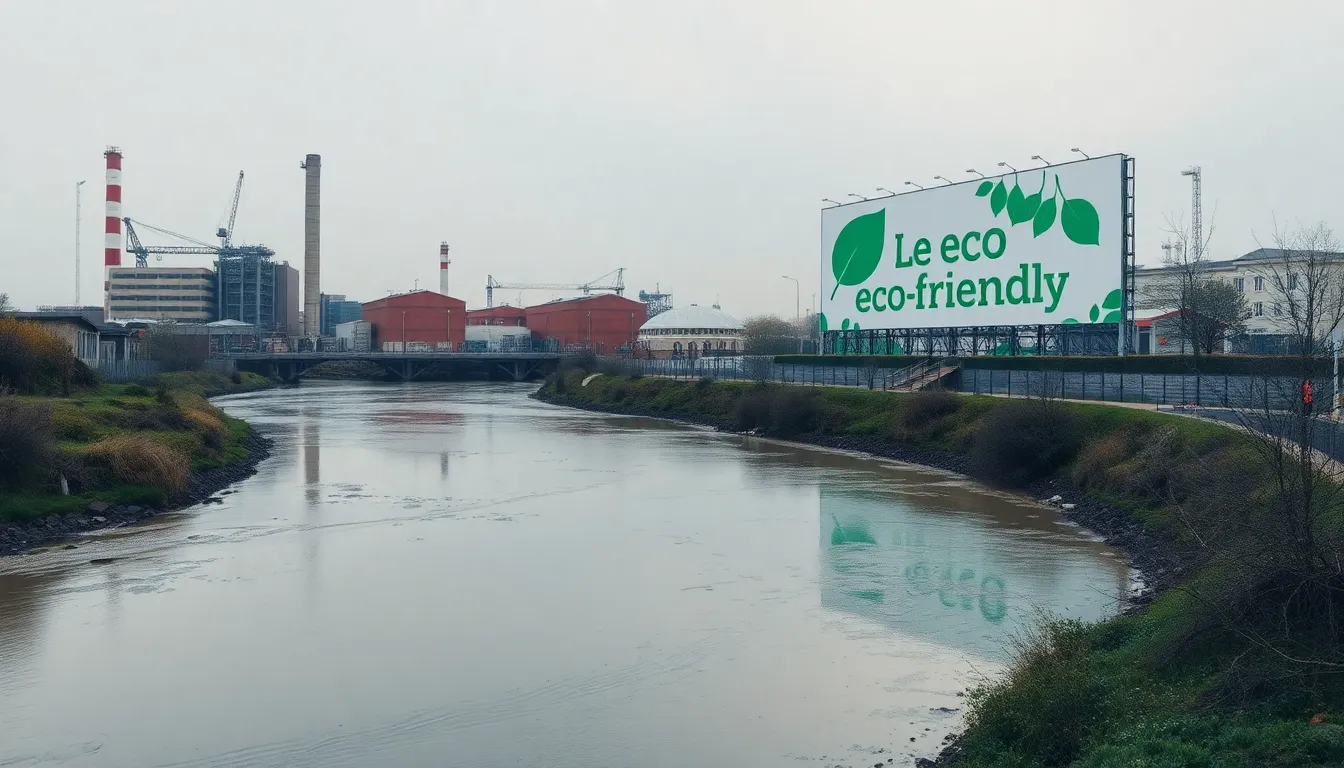
Greenwashing is when companies falsely claim to be environmentally friendly.
2
Why Companies Greenwash
- To attract eco-conscious consumers and increase sales.
- Avoid stricter regulations by appearing sustainable.
- Boost brand image without making real changes.
- Pressure from competitors who also engage in greenwashing.
3
Common Greenwashing Tactics
- Using misleading labels like 'natural' or 'green' without certification.
- Highlighting one small eco-effort while ignoring larger harmful practices.
- Making future promises ('carbon neutral by 2030') without current action.
- Hiding negative environmental data in fine print or obscure reports.
4
Effects on Consumers
- Consumers pay premium prices for falsely marketed 'green' products.
- Trust in brands declines when greenwashing is exposed.
- Difficulty identifying truly sustainable options due to misinformation.
- Eco-conscious shoppers may abandon efforts if deceived repeatedly.
5
Environmental Impact
- Greenwashing delays real progress in sustainability efforts.
- Companies continue harmful practices under false eco-friendly claims.
- Waste increases as 'green' products are often not recyclable.
- Carbon footprints remain high despite misleading 'net zero' claims.
6
Legal Consequences
- Regulators are increasing fines for false environmental claims.
- EU and US have strict guidelines for green marketing language.
- Lawsuits from consumers and NGOs are becoming more common.
- Reputational damage can outweigh financial penalties for companies.
7
How to Spot Greenwashing
- Look for specific data and certifications, not vague claims.
- Check if sustainability efforts are core to business operations.
- Research if company's overall impact matches its green image.
- Be wary of emotional buzzwords without substance behind them.
8
Solutions for Companies
- Implement transparent sustainability reporting with verifiable data.
- Obtain recognized third-party certifications for environmental claims.
- Make environmental responsibility part of core business strategy.
- Educate consumers accurately about products' true environmental impact.
9
Role of Consumers & Regulators
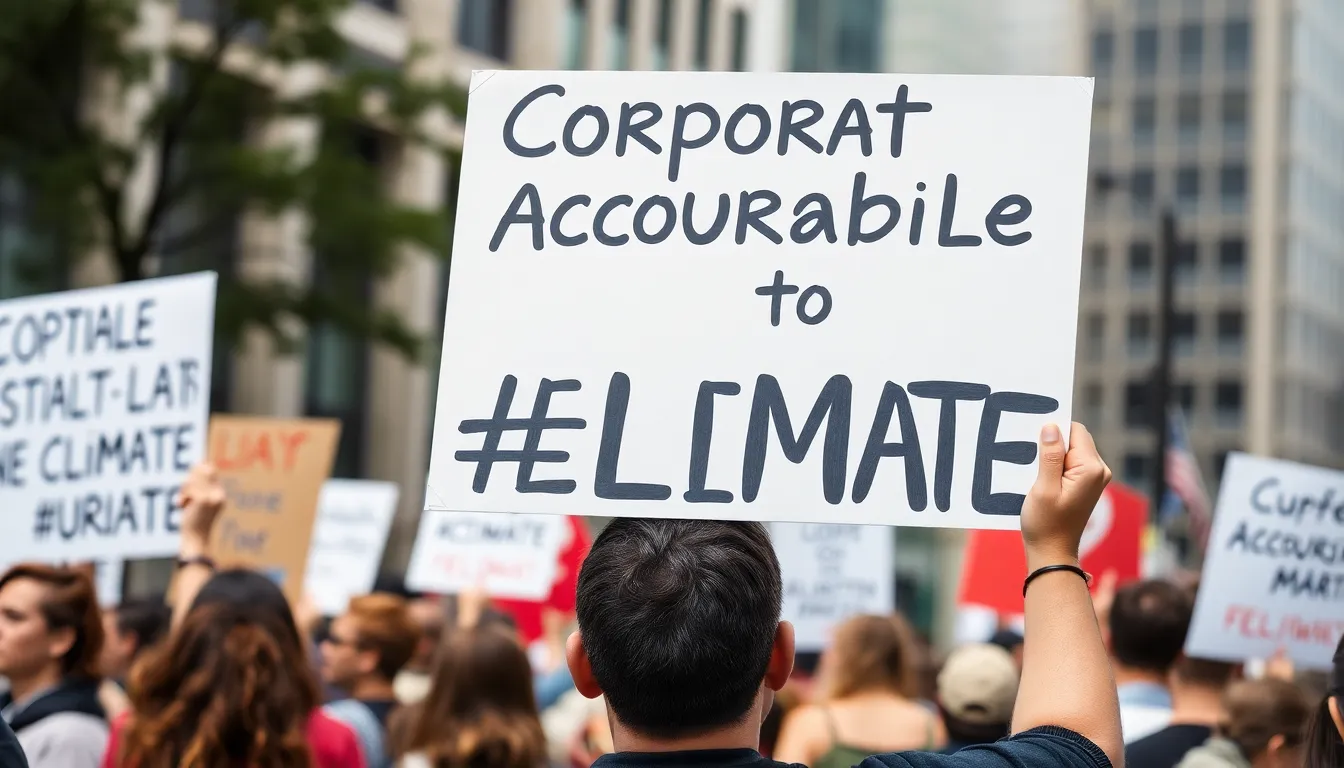
- Consumers should demand accountability and support honest brands.
- Governments must create clearer labeling laws and harsh penalties.
- Independent audits should verify corporate environmental claims.
- Media plays key role in investigating and exposing greenwashing.
10
Moving Beyond Greenwashing
- True sustainability requires systemic change, not just marketing.
- Companies leading in sustainability see long-term financial benefits.
- Consumer awareness is growing, forcing more transparency.
- The future belongs to businesses that integrate ethics with profits.
1 / 10