Influence of Substrate Thermal Boundary Conditions on Microstructure and Mechanical Properties of DED-Processed Maraging Steel
📑 10 slides
👁 29 views
📅 1/26/2026
Title & One-line Pitch
Project aim: control in-situ heat treatment via substrate thermal management.
2
The Physical Problem
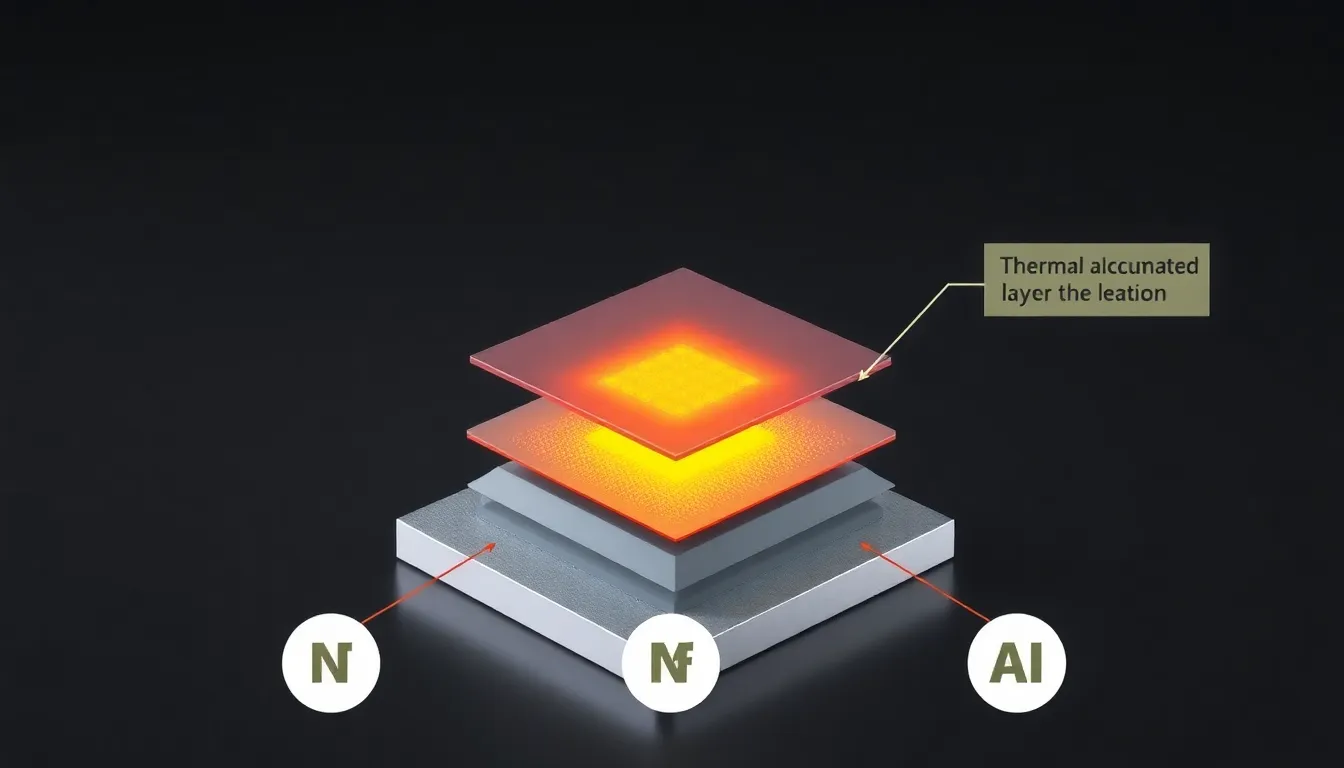
- Layer deposition produces cyclic reheating of underlying material.
- Substrate temperature rises substantially during long builds.
- Repeated reheating acts as an in-situ aging step.
3
Literature Summary
- Reports of hardness gradients in DED maraging steel.
- Evidence for partial in-situ precipitation during builds.
- Active cooling improves rate but risks instability.
4
Gap I: Stability vs Control
- Observation studies characterize gradients but lack substrate control.
- Immersion cooling refines microstructure but introduces instability.
- Need method preserving stability while controlling thermal boundary.
5
Gap II: Nanoscale Blind Spots
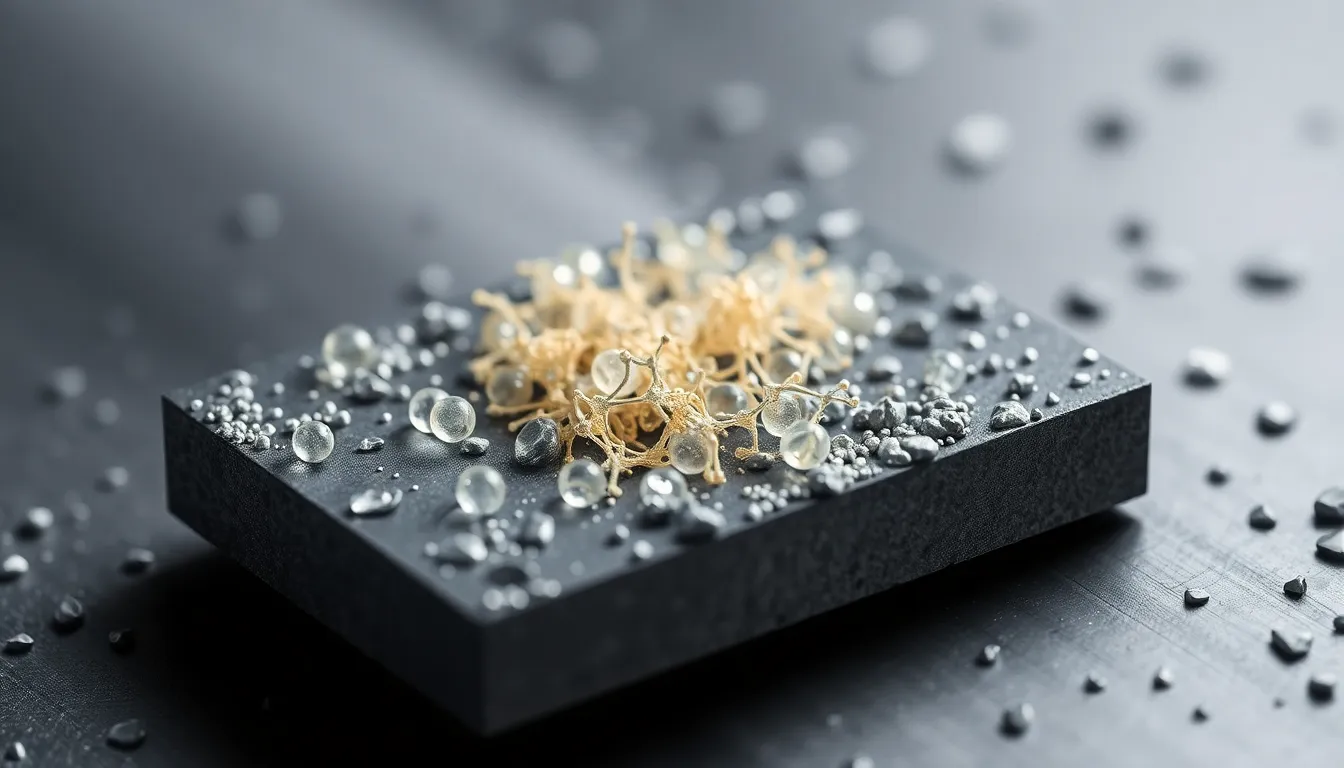
- Strengthening driven by 5–30 nm precipitates in maraging steels.
- Most DED studies rely on SEM/EDS — insufficient for nanoscale.
- No link between thermal boundary and nanoscale precipitation.
6
Our Solution
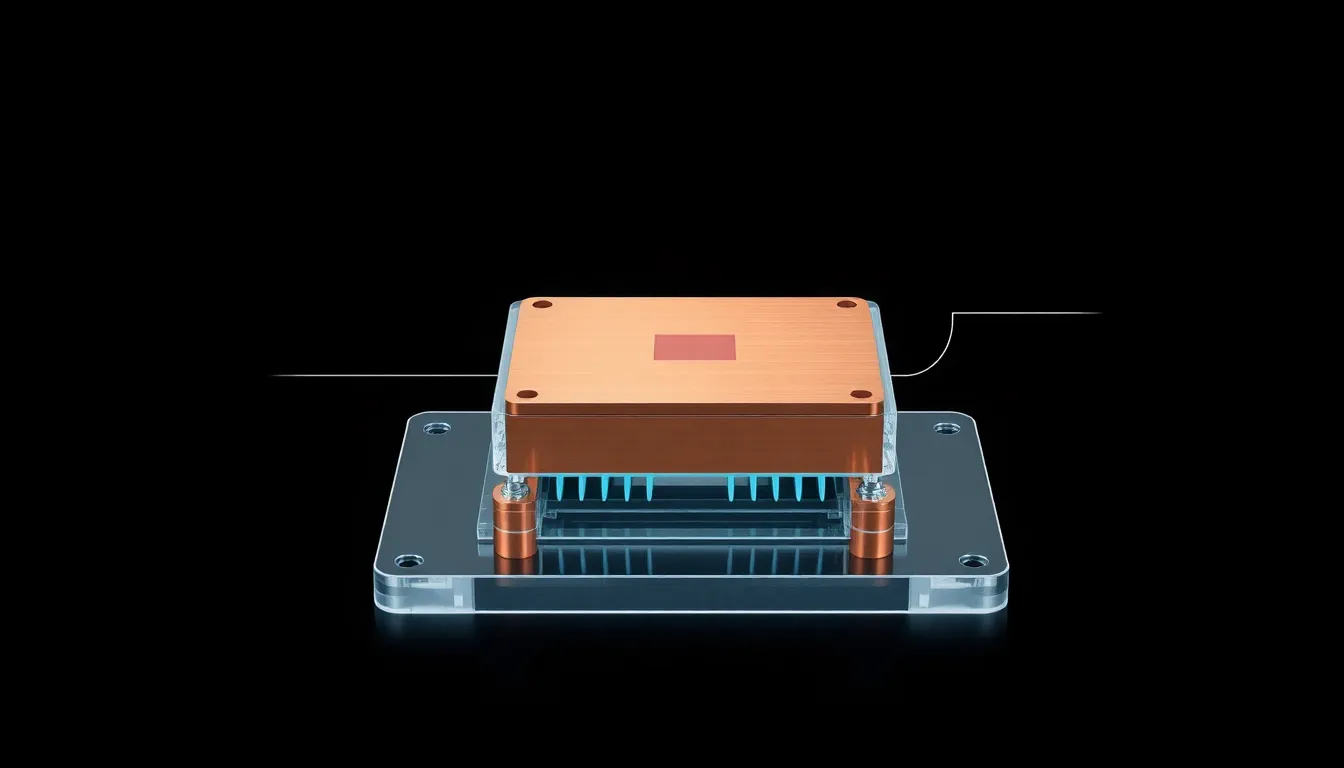
- Substrate clamped to conductive block with sealed cooling channels.
- Cooling beneath plate — no fluid contact with melt pool.
- Converts substrate to controlled thermal boundary (<10 °C option).
7
Scientific Logic
- Controlled cooling → increased local cooling rate.
- Faster cooling → refined dendritic spacing.
- Reduced dwell → suppressed coarsening & GB precipitates.
8
Experimental Matrix
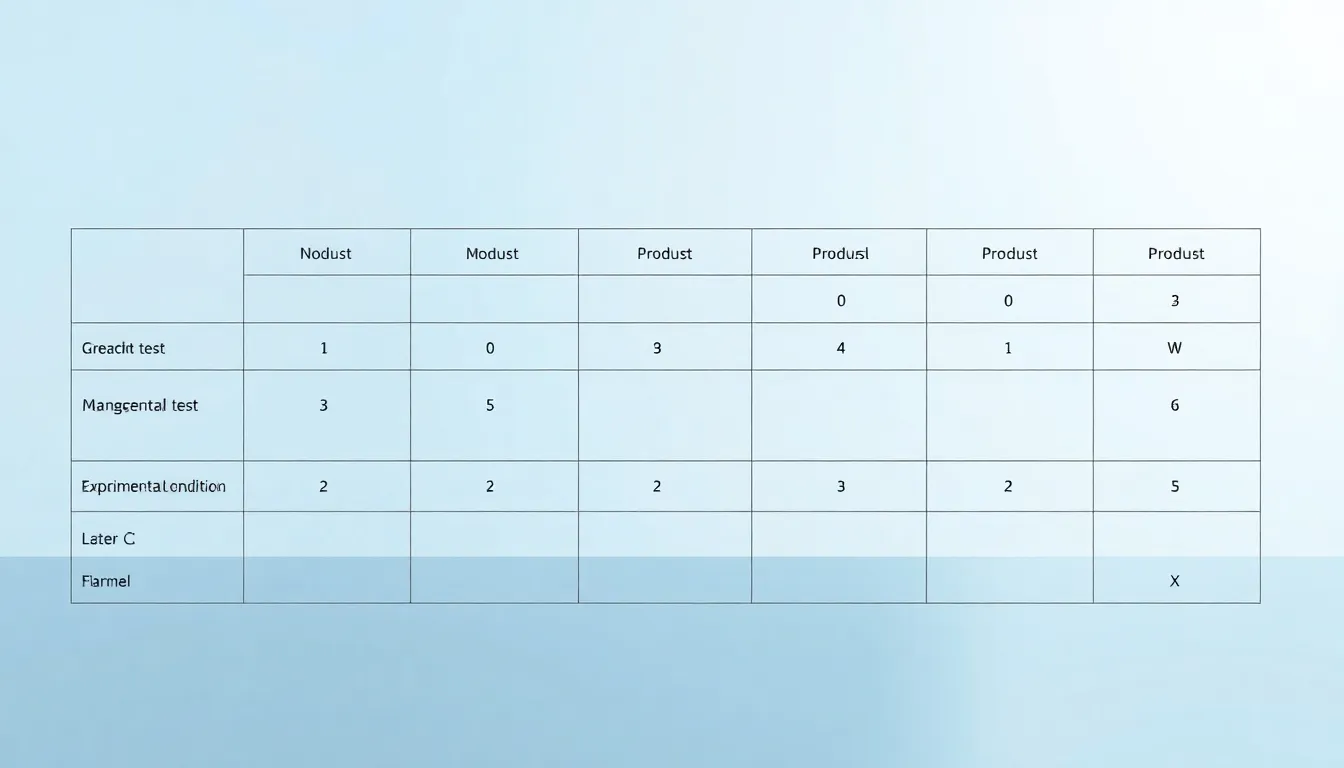
- DED builds under five substrate thermal conditions.
- Constant parameters: powder feed, laser power, scan speed.
- Sample plan: replicate builds for OM/SEM/EBSD/TEM and mechanical tests.
9
Multi-Scale Characterization
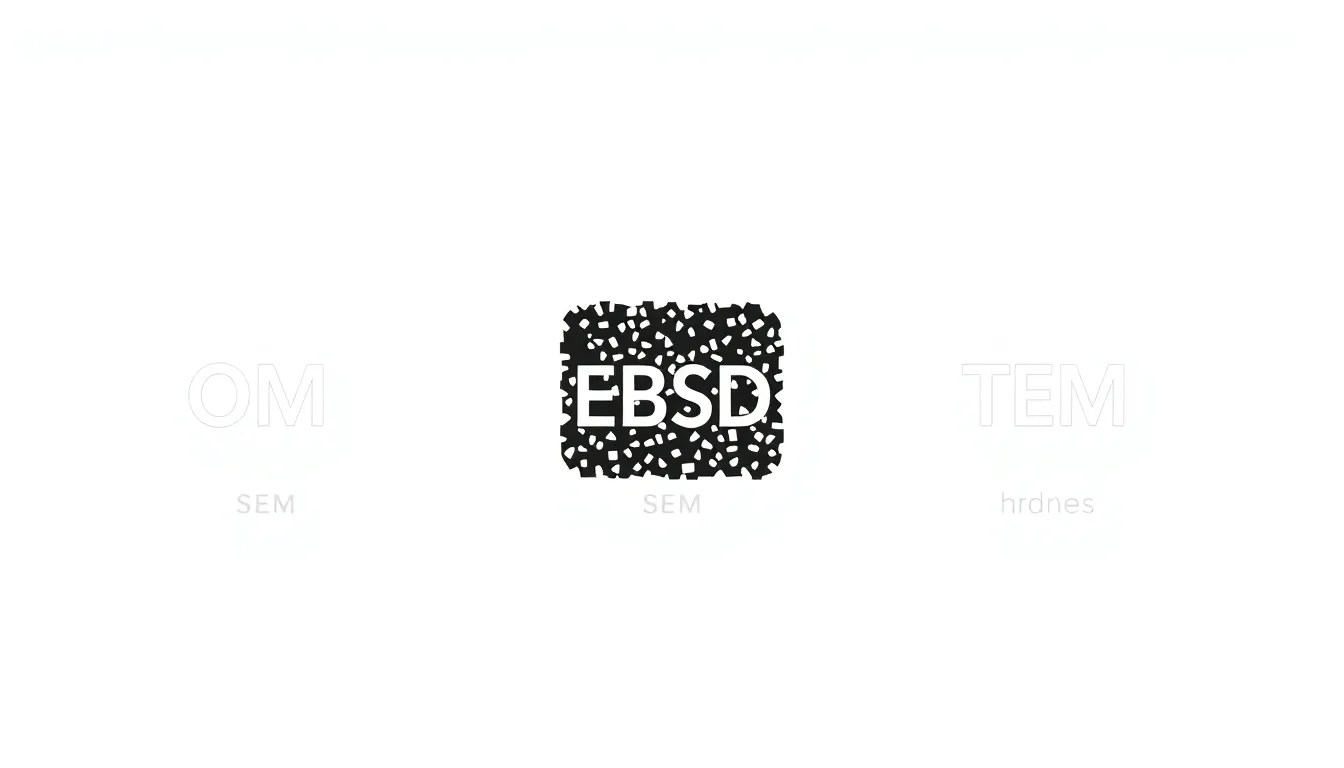
- OM/SEM: melt pool geometry, porosity, lack-of-fusion.
- EBSD: grain size/texture; retained austenite fraction.
- TEM: nanoscale precipitate presence/size/distribution.
10
Timeline & Risks
- Feb-Mar: DED printing (room & elevated substrates).
- Apr-May: OM, SEM, EBSD, hardness mapping.
- May-Jul: Cooled-substrate printing, TEM, tensile tests.
1 / 10