Green Infrastructure and Implementation Issues in Pakistan

๐Ÿ“‘ 10 slides ๐Ÿ‘ 40 views ๐Ÿ“… 1/21/2026
0.0 (0 ratings)

Introduction to Green Infrastructure

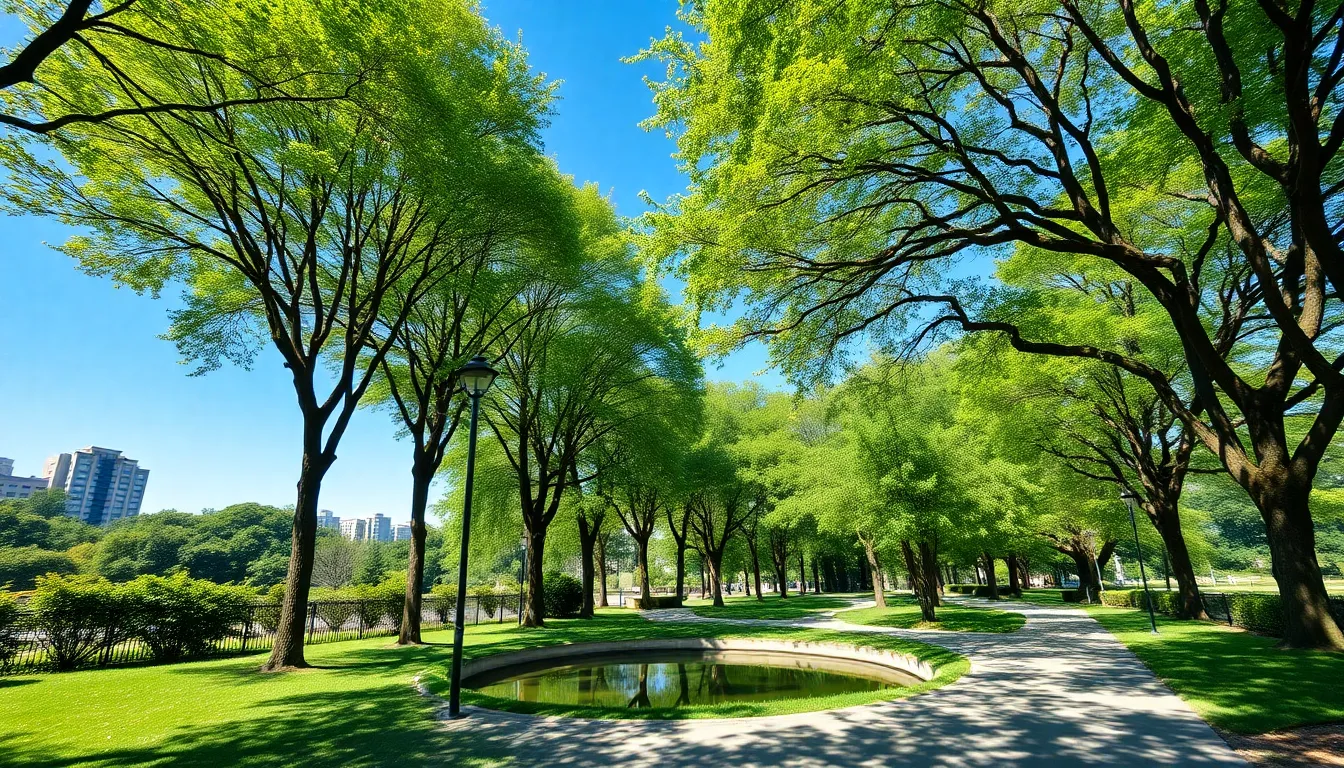
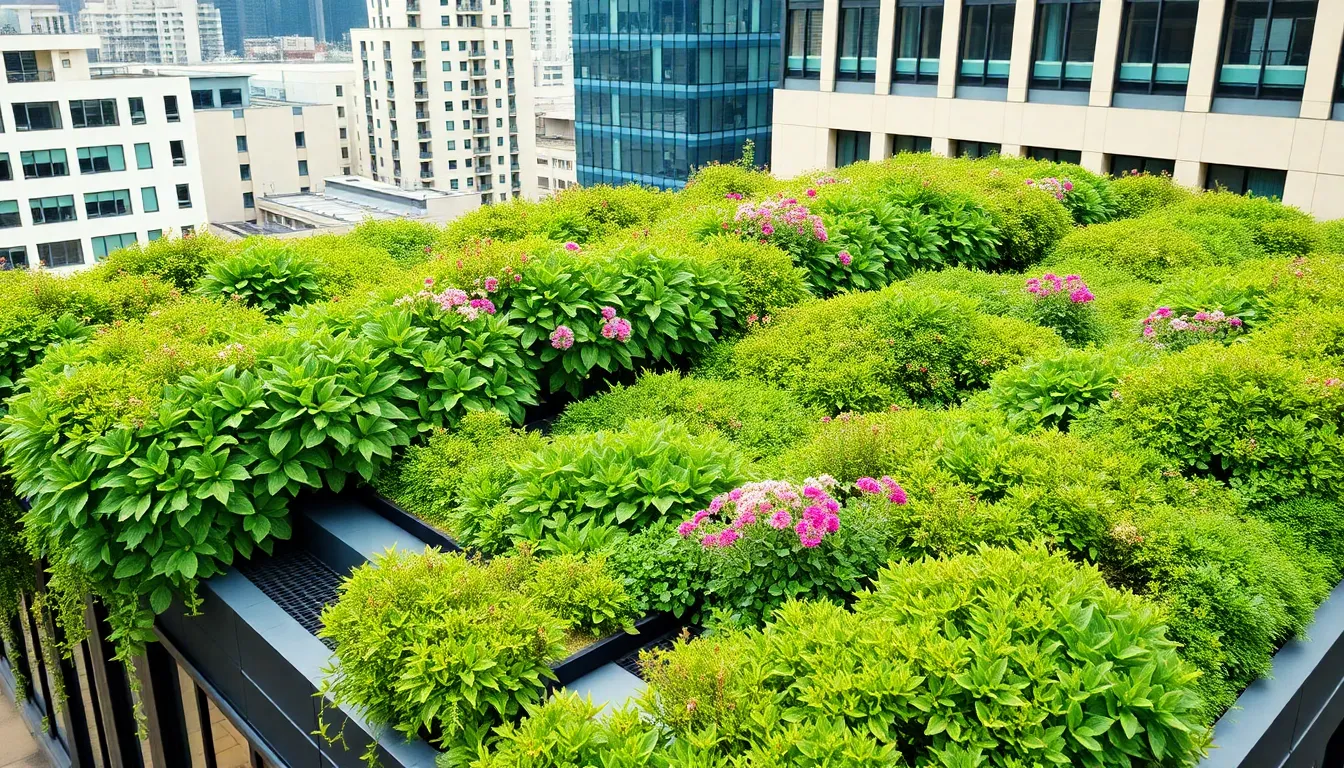
Green infrastructure includes natural systems like parks, wetlands, and green roofs.

Introduction to Green Infrastructure
2

Benefits of Green Infrastructure

  • Reduces urban flooding by absorbing rainwater through permeable surfaces.
  • Lowers city temperatures by providing shade and evaporative cooling.
  • Improves air quality by filtering pollutants through plants and trees.
  • Enhances biodiversity by creating habitats for urban wildlife.
Benefits of Green Infrastructure
3

Current Status in Pakistan

  • Limited green spaces in major cities like Karachi and Lahore.
  • Most urban planning focuses on grey infrastructure like roads and buildings.
  • Existing parks are often poorly maintained and inaccessible to many.
  • Some small-scale projects show promise but lack government support.
Current Status in Pakistan
4

Climate Challenges

  • Pakistan faces extreme heatwaves, making green spaces crucial for cooling.
  • Monsoon rains cause severe flooding due to inadequate drainage systems.
  • Drought conditions in some regions limit water availability for green projects.
  • Air pollution levels are among the highest in the world in cities like Lahore.
Climate Challenges
5

Urbanization Pressures

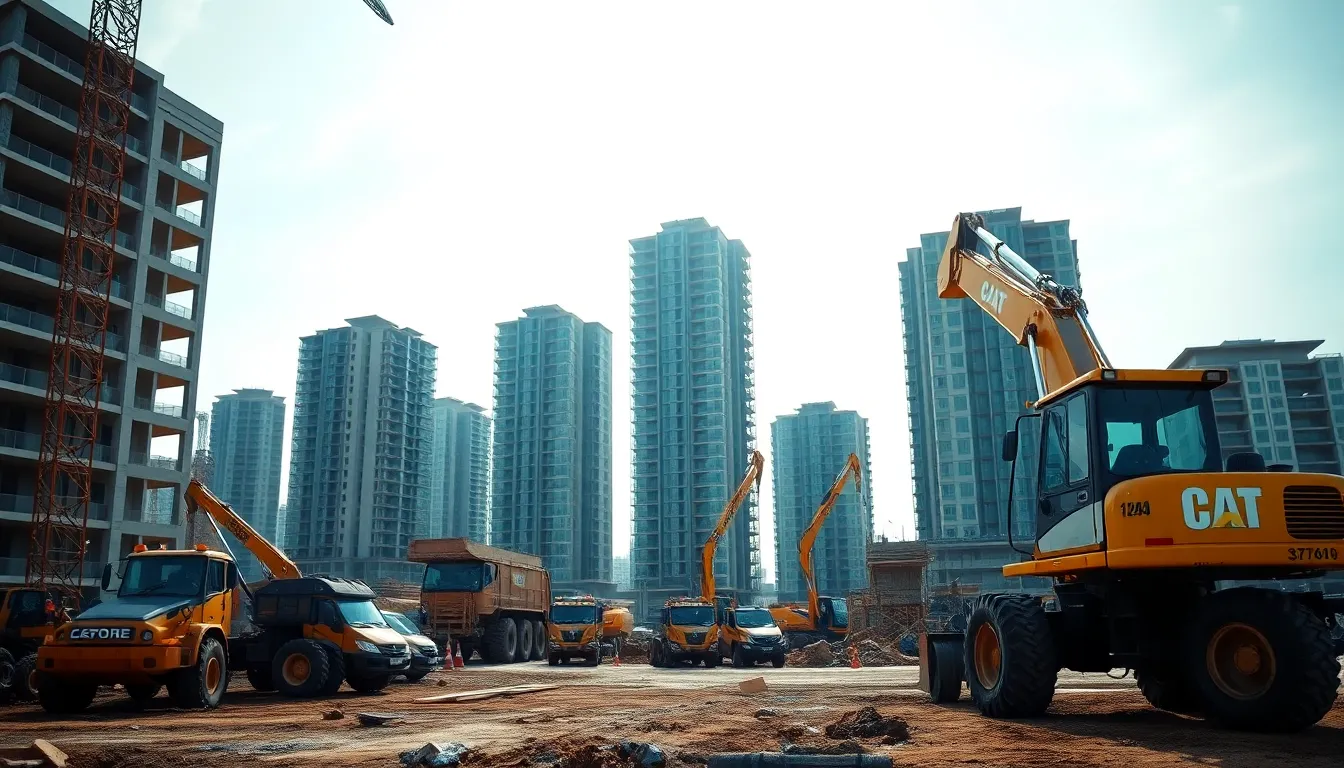
  • Rapid population growth leads to unplanned urban expansion.
  • Land is prioritized for housing and commerce over green spaces.
  • Weak enforcement of environmental regulations allows unchecked development.
  • Lack of public awareness about the importance of green infrastructure.
Urbanization Pressures
6

Financial and Policy Barriers

  • Limited government funding allocated for green infrastructure projects.
  • No comprehensive national policy to integrate green spaces in urban planning.
  • Corruption and mismanagement divert funds meant for environmental projects.
  • Private sector involvement is minimal due to perceived low profitability.
Financial and Policy Barriers
7

Community Engagement Issues

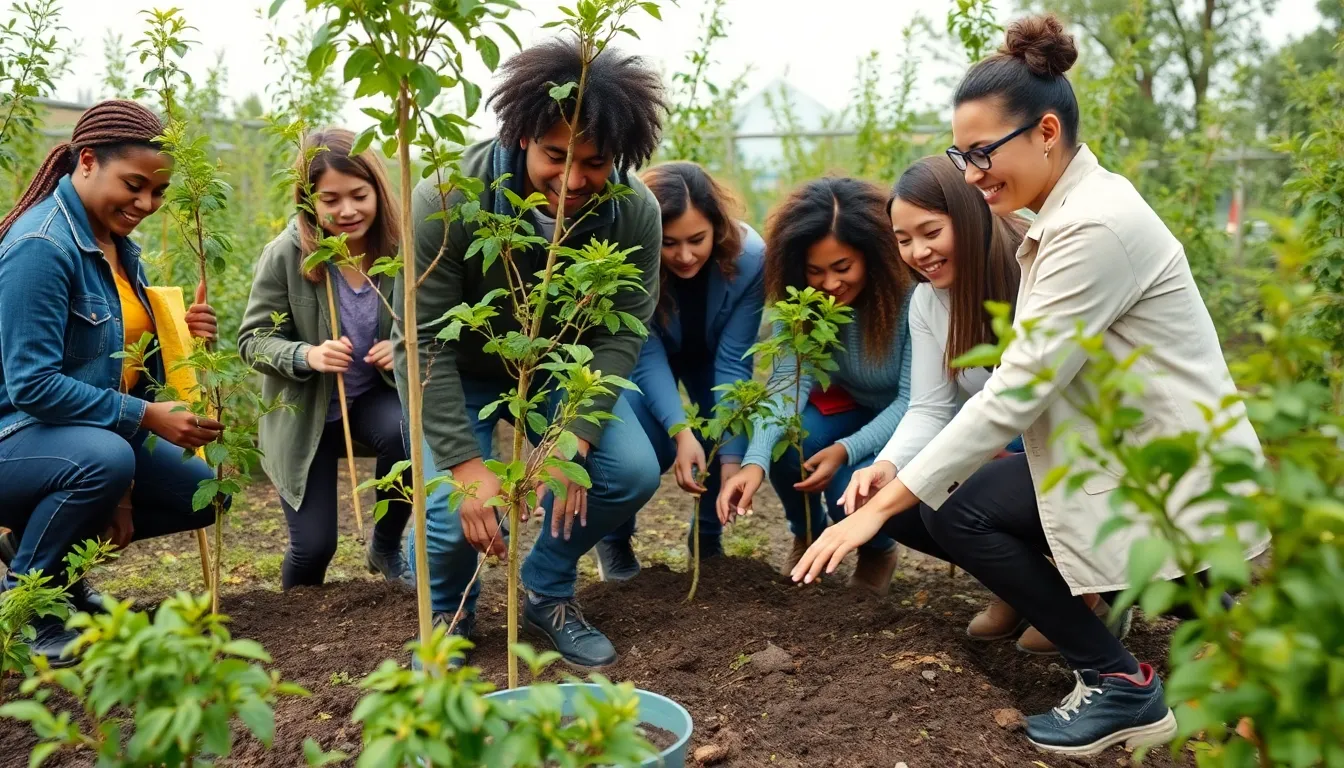
  • Low public participation in maintaining or advocating for green spaces.
  • Cultural preference for private lawns over shared public parks.
  • Lack of education on sustainable practices and benefits of green infrastructure.
  • Resistance from local businesses fearing loss of commercial space.
Community Engagement Issues
8

Successful Local Examples

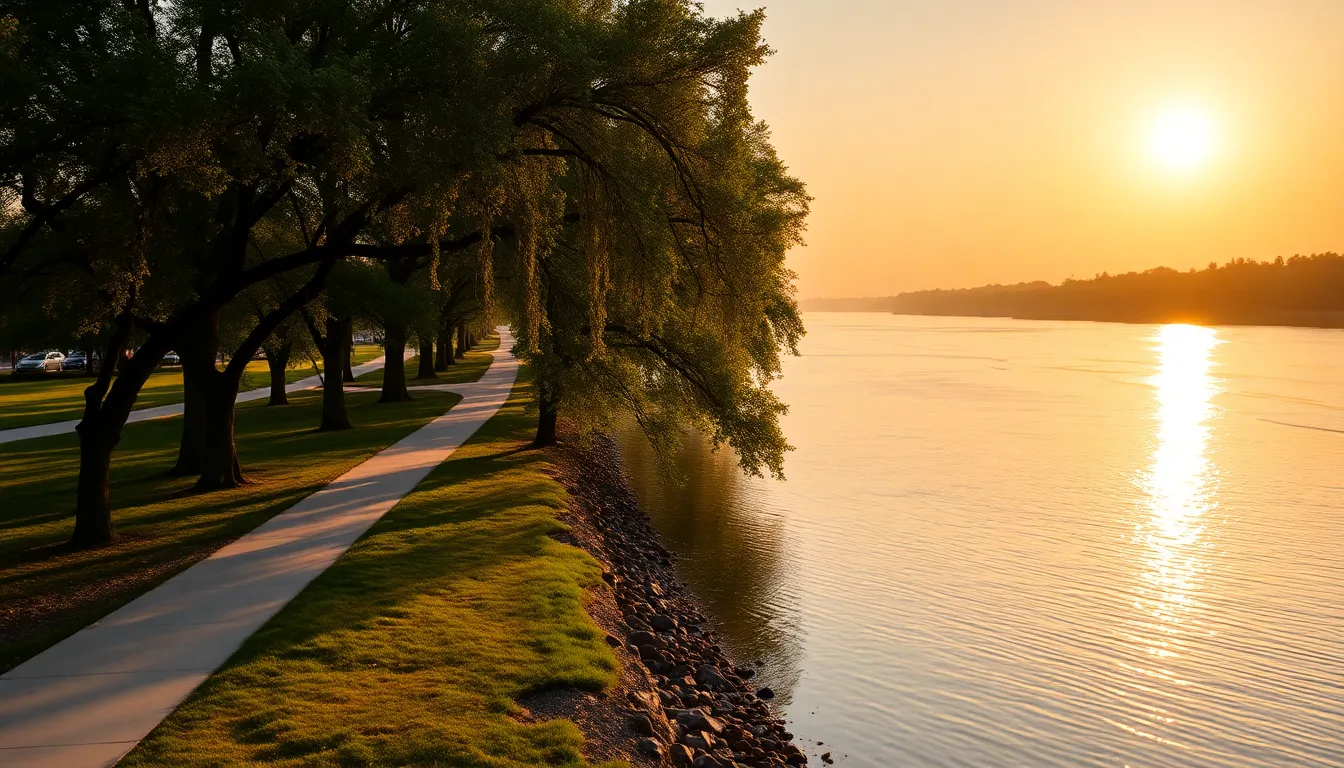
  • Lahore's Ravi Riverfront project aims to restore green belts along the river.
  • Islamabad's Margalla Hills National Park is a model for urban forest conservation.
  • Karachiโ€™s Clifton Park shows how well-maintained green spaces can thrive.
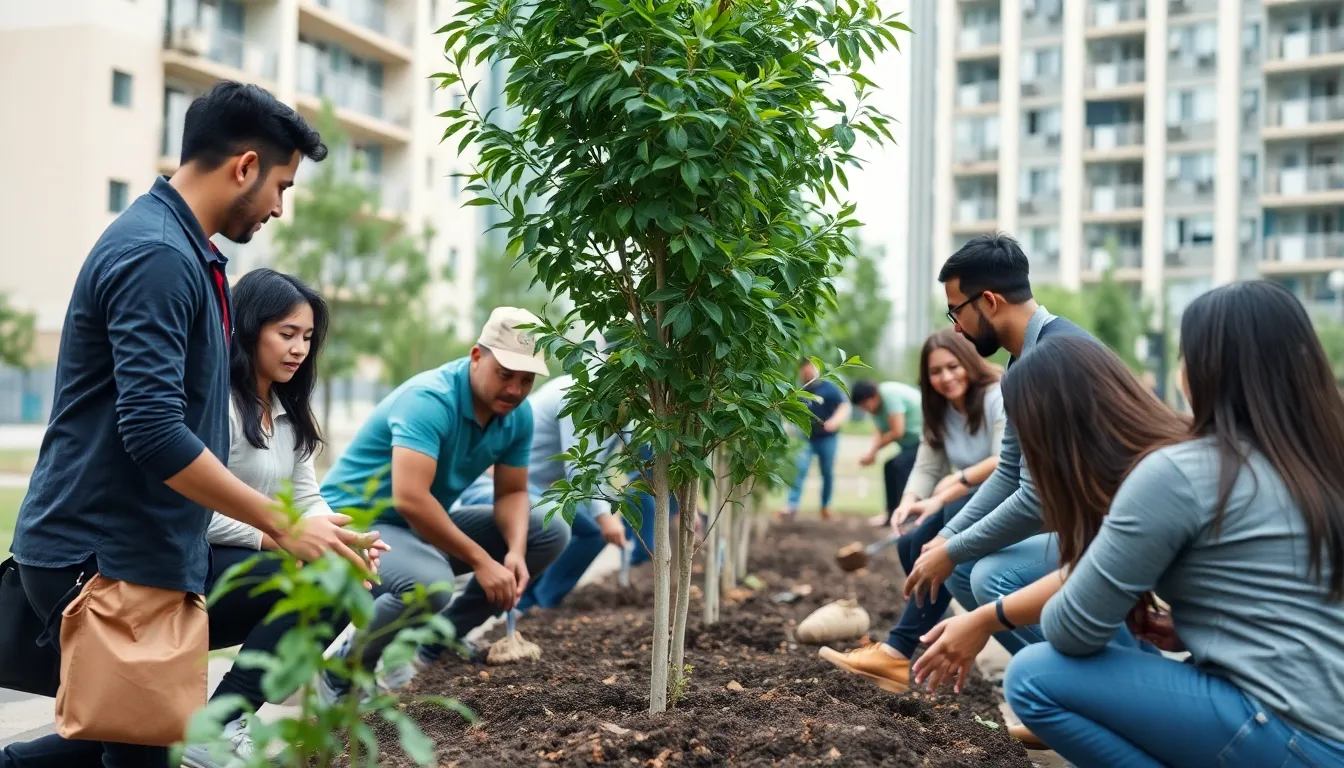
  • Peshawarโ€™s urban forestry initiative plants thousands of trees annually.
Successful Local Examples
9

Recommendations for Improvement

  • Strengthen policies to mandate green spaces in all urban development projects.
  • Increase public awareness campaigns on the benefits of green infrastructure.
  • Encourage public-private partnerships to fund and maintain green projects.
  • Integrate traditional water management systems with modern green solutions.
Recommendations for Improvement
10

Conclusion and Call to Action

  • Green infrastructure is vital for Pakistanโ€™s sustainable urban future.
  • Implementation challenges require coordinated efforts from all stakeholders.
  • Learning from global best practices can help overcome local barriers.
  • Immediate action is needed to address climate and urbanization pressures.
Conclusion and Call to Action
1 / 10