The Role of Bamboo in Sustainable Architecture

📑 10 slides 👁 40 views 📅 1/21/2026
0.0 (0 ratings)

Introduction to Bamboo in Architecture

Bamboo is a fast-growing, renewable resource with high strength-to-weight ratio.

Introduction to Bamboo in Architecture
2

Bamboo's Environmental Benefits

  • Bamboo absorbs 35% more CO2 than equivalent timber forests.
  • Regenerates in 3-5 years vs 25-50 years for hardwood trees.
  • Requires no pesticides or fertilizers for cultivation.
Bamboo's Environmental Benefits
3

Structural Properties of Bamboo

  • Tensile strength comparable to steel: up to 28,000 psi.
  • Lightweight yet durable, ideal for earthquake-resistant designs.
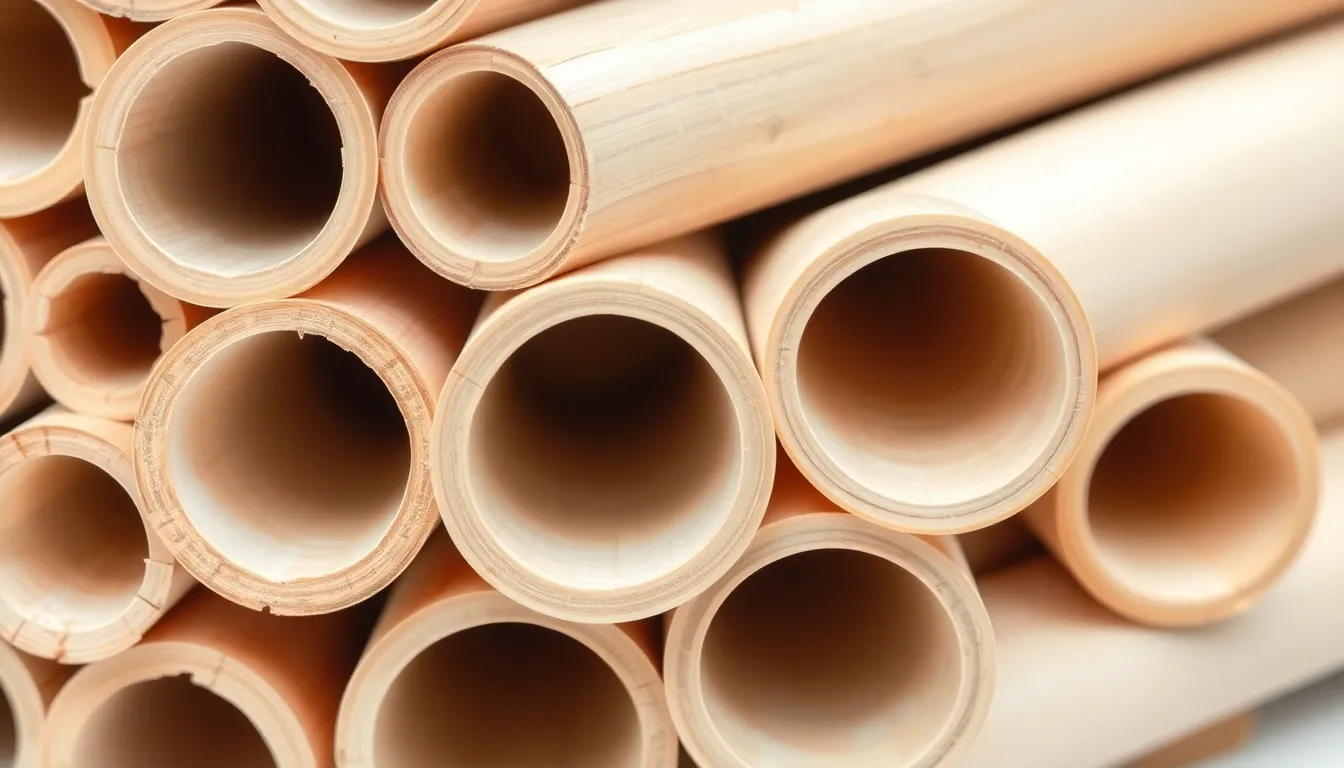
  • Hollow cylindrical structure provides natural insulation.
Structural Properties of Bamboo
4

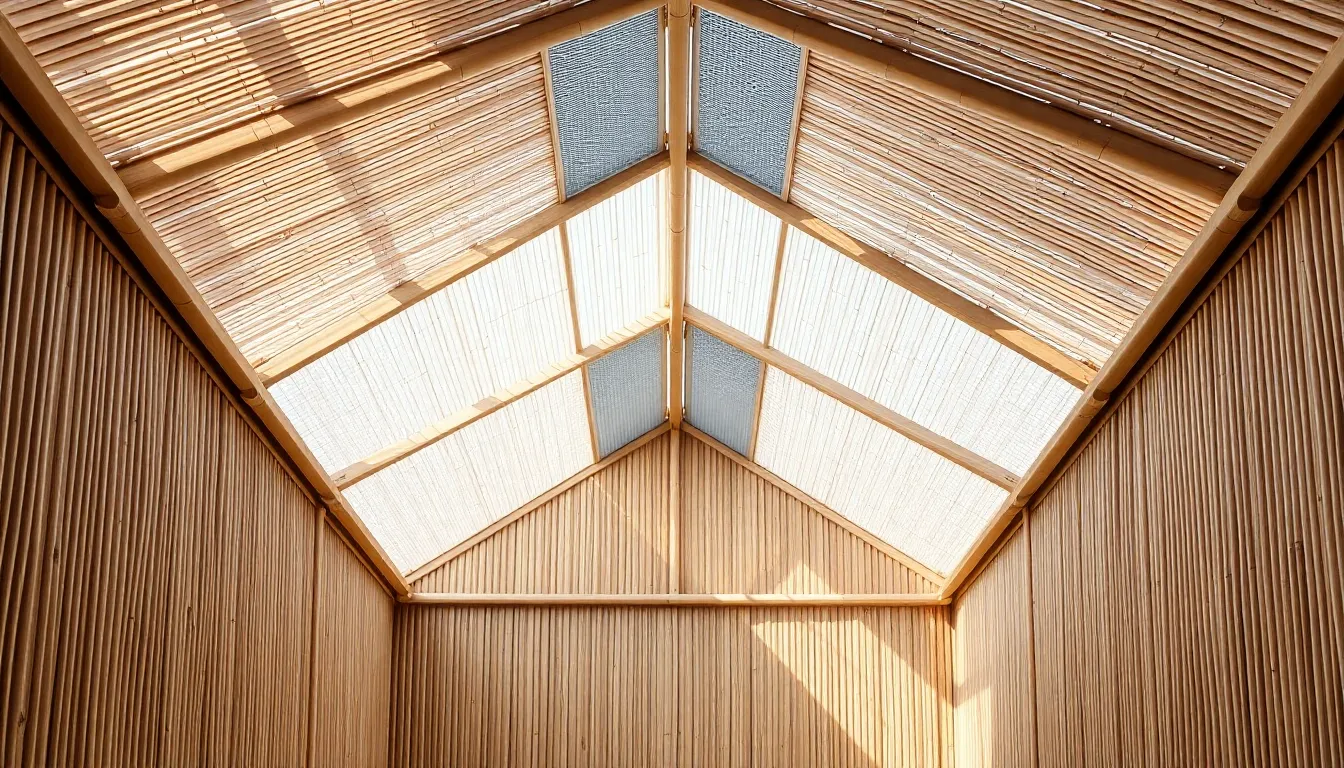
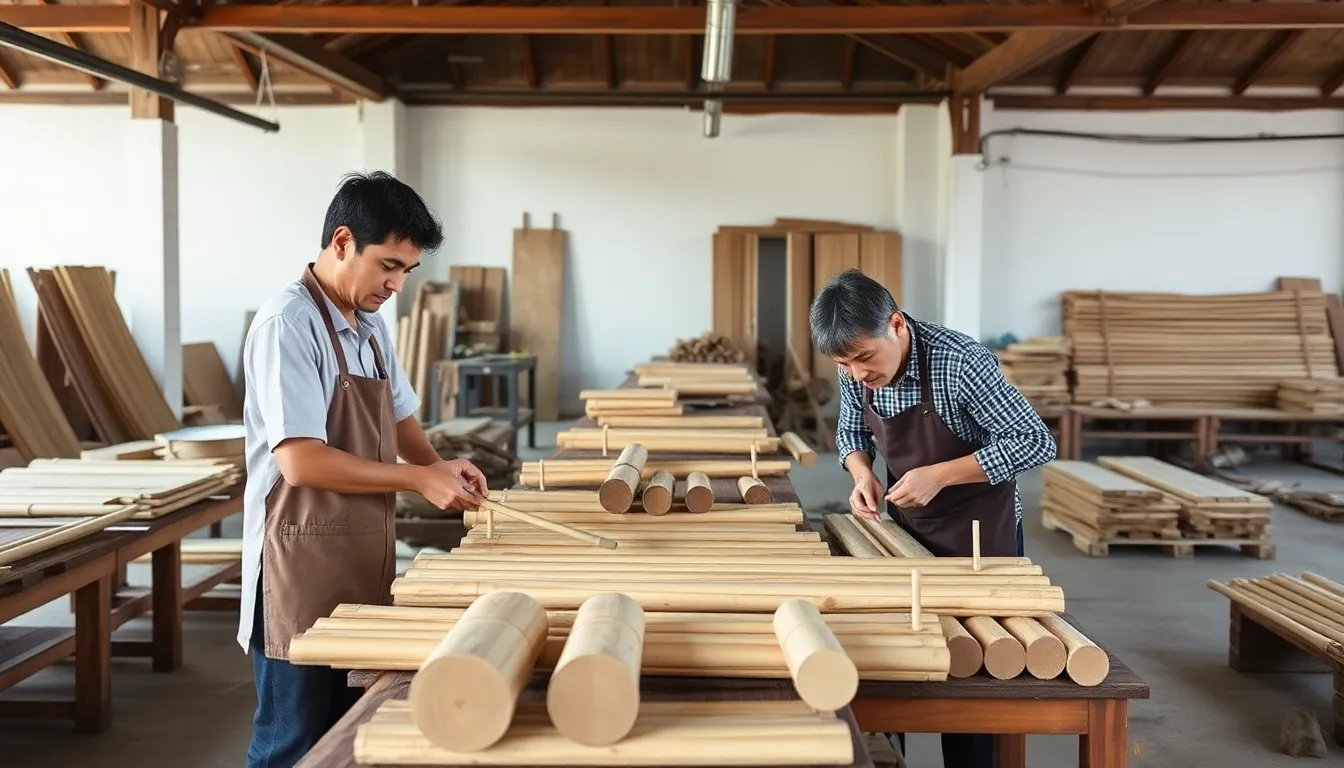
Modern Bamboo Construction Techniques

  • Laminated bamboo creates strong, dimensionally stable building components.
  • Innovative joining systems replace traditional rope bindings.
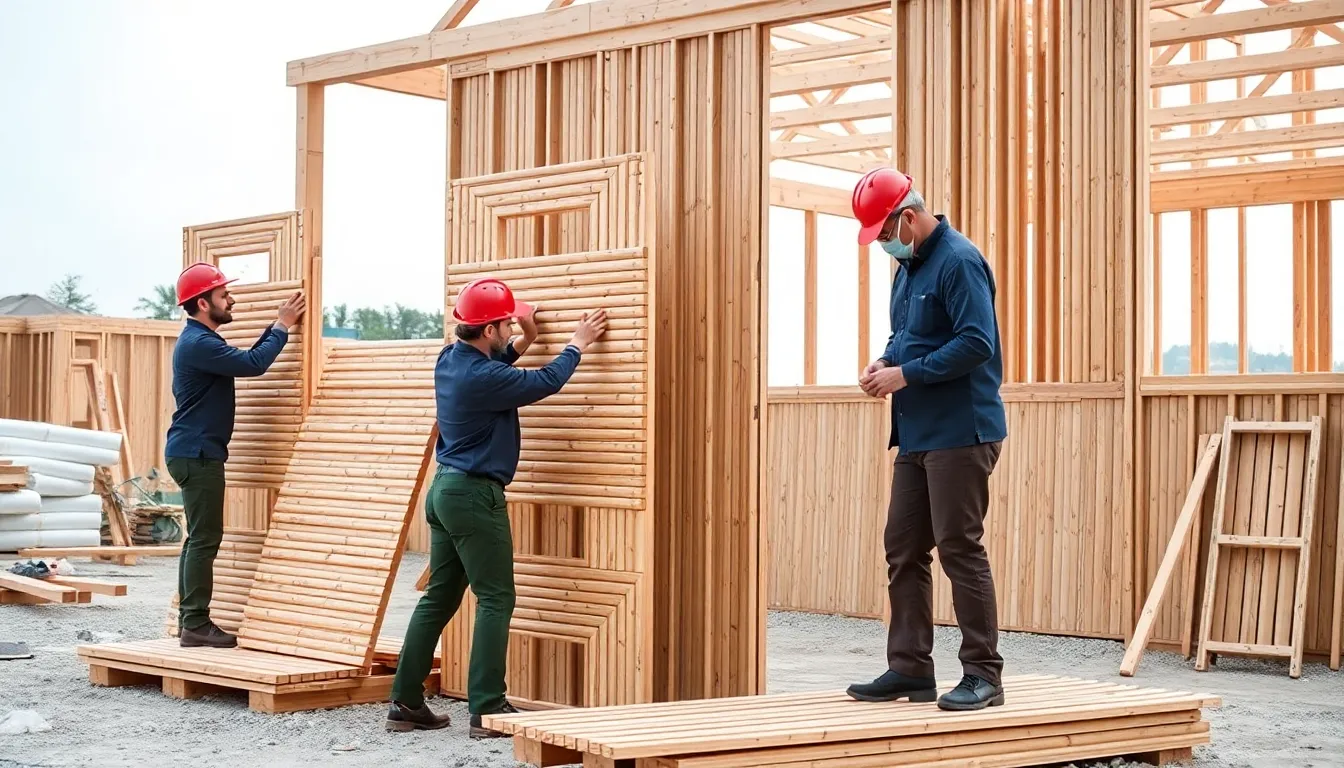
  • Prefabrication allows for efficient modular construction.
Modern Bamboo Construction Techniques
5

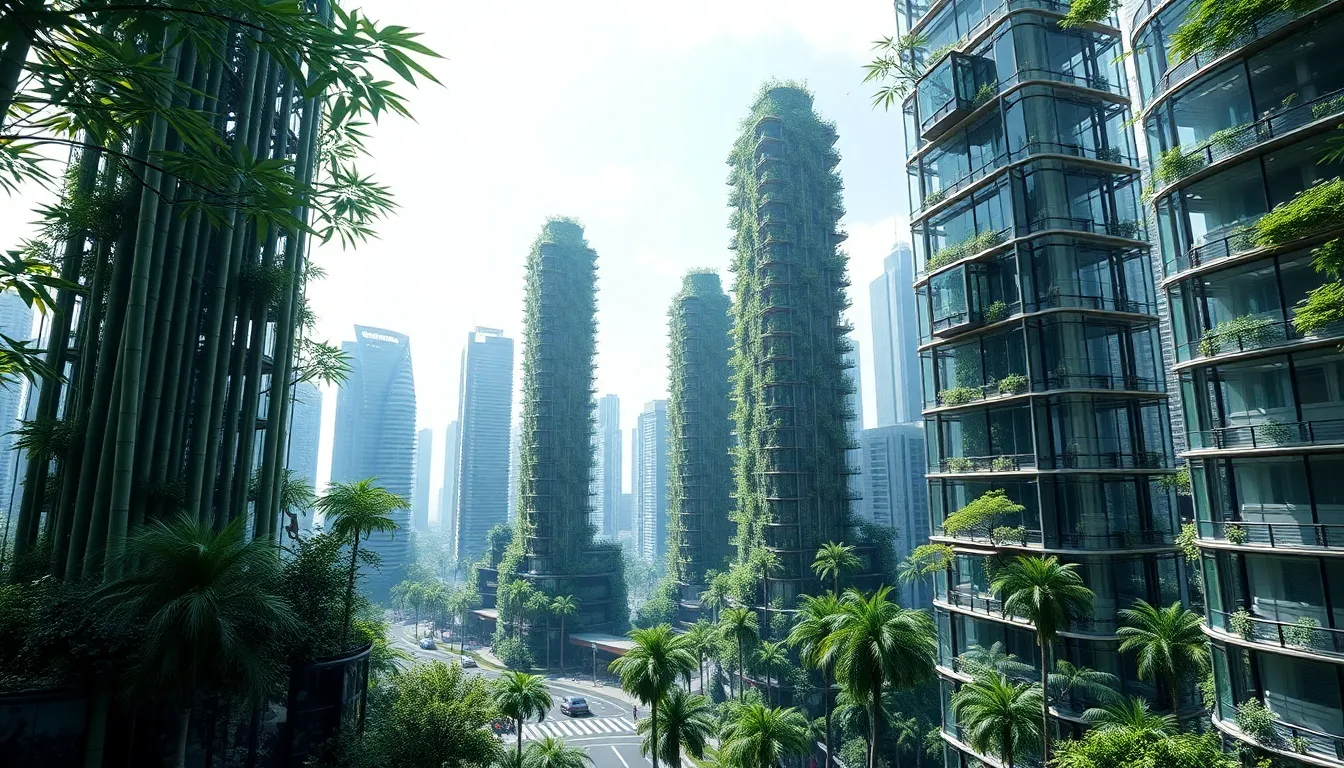
Bamboo in Contemporary Architecture

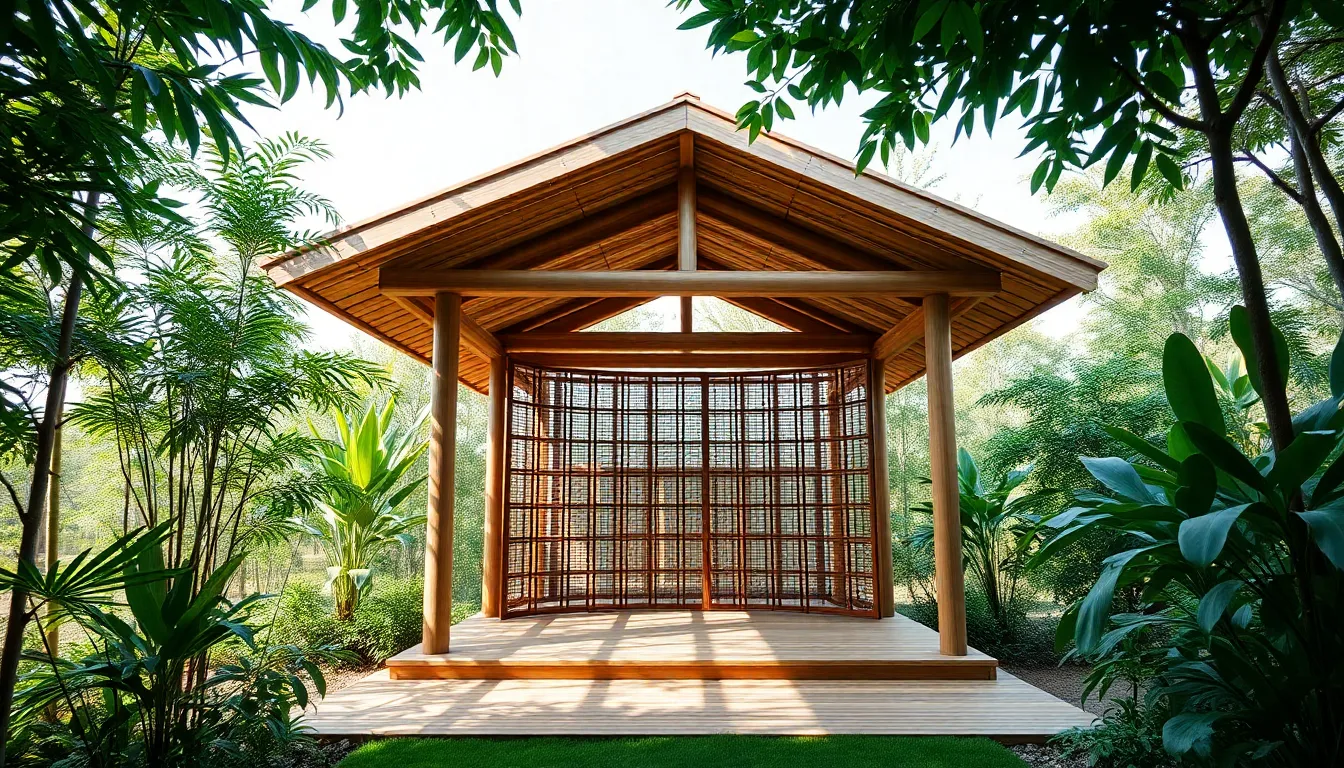
  • Used in iconic structures like Bali's Green School and Colombian social housing.
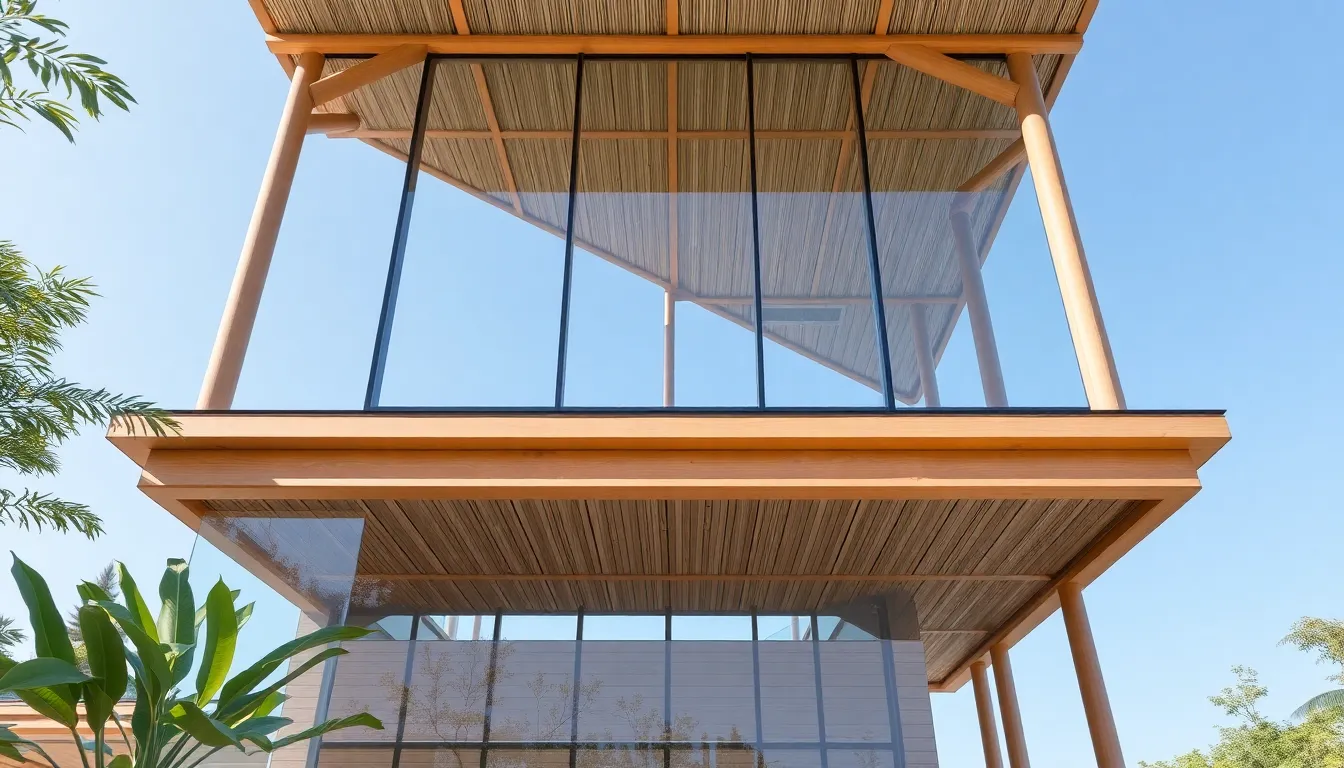
  • Combines with modern materials like glass and steel for hybrid designs.
  • Featured in award-winning pavilions at international architecture expos.
Bamboo in Contemporary Architecture
6

Thermal and Acoustic Performance

  • Natural thermal regulation keeps interiors cool in warm climates.
  • Hollow structure provides excellent sound absorption qualities.
  • Reduces need for artificial cooling systems in tropical regions.
Thermal and Acoustic Performance
7

Economic Advantages of Bamboo

  • Costs 20-50% less than conventional building materials in many regions.
  • Creates local jobs in cultivation, processing and construction.
  • Low-tech processing requires minimal energy inputs.
Economic Advantages of Bamboo
8

Challenges in Bamboo Construction

  • Requires treatment against insects and fungi for longevity.
  • Building codes in many countries don't yet recognize bamboo.
  • Limited industrial processing infrastructure in some regions.
Challenges in Bamboo Construction
9

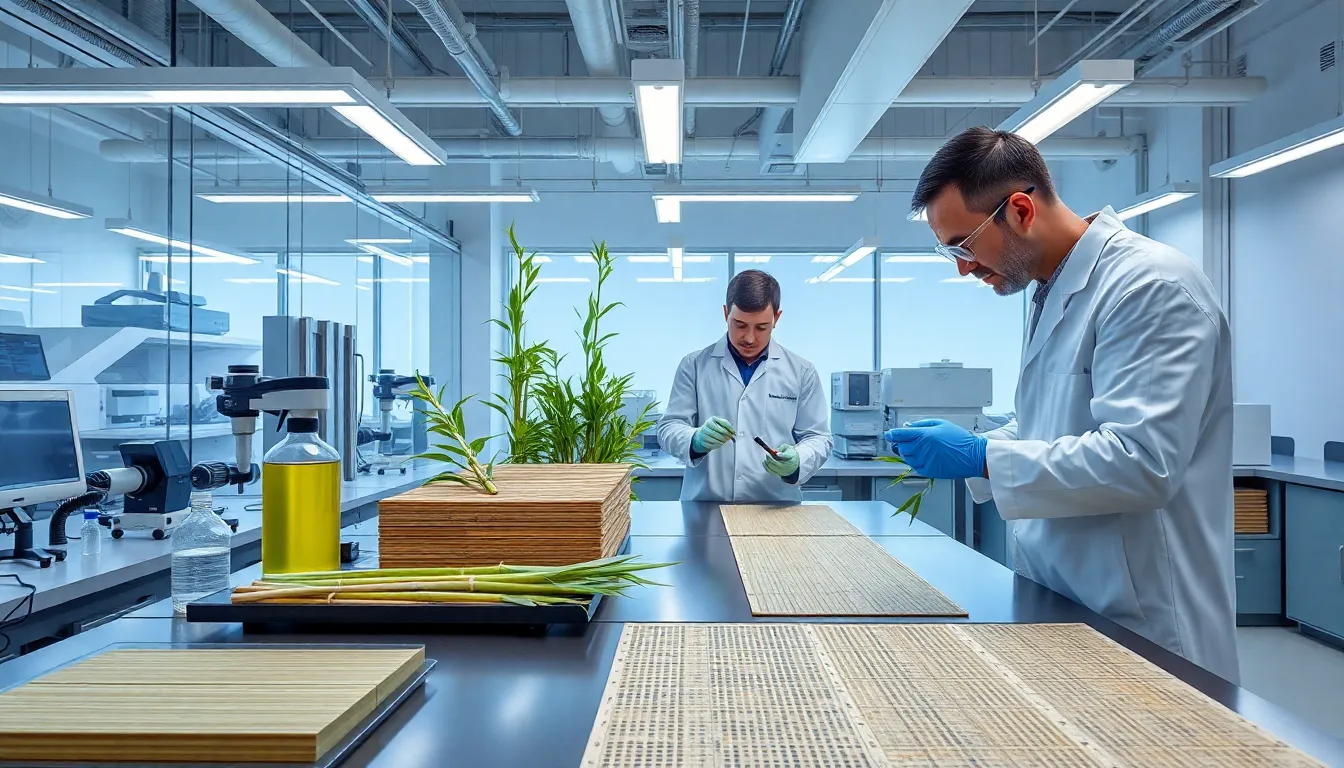
Innovations in Bamboo Technology

  • New preservation techniques extend lifespan to 50+ years.
  • Engineered bamboo products with consistent quality standards.
  • 3D modeling software now includes bamboo-specific design tools.
Innovations in Bamboo Technology
10

Conclusion: Bamboo's Future in Architecture

  • Bamboo represents a sustainable solution for global housing needs.
  • Continued innovation will expand its architectural applications.
  • Key material for achieving carbon-neutral construction goals.
Conclusion: Bamboo's Future in Architecture
1 / 10