History of Bangladesh
📑 10 slides
👁 35 views
📅 1/26/2026
Introduction to Bangladesh
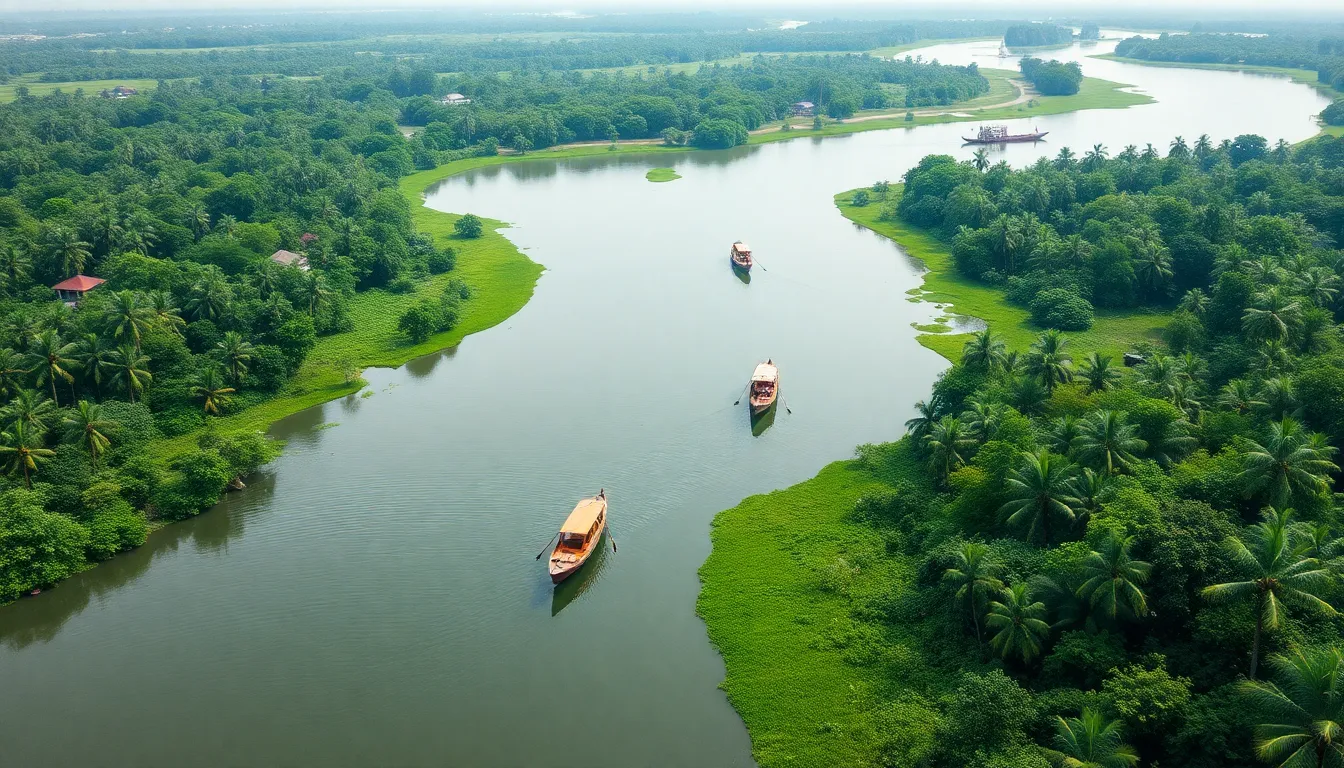
Bangladesh, located in South Asia, has a history spanning over 2,500 years.
2
Ancient Civilizations
- The region was home to the Vanga and Pundra kingdoms in ancient times.
- Buddhism and Hinduism flourished here during the early centuries.
- The Pala Empire (8th-12th century) was a golden age of art and learning.
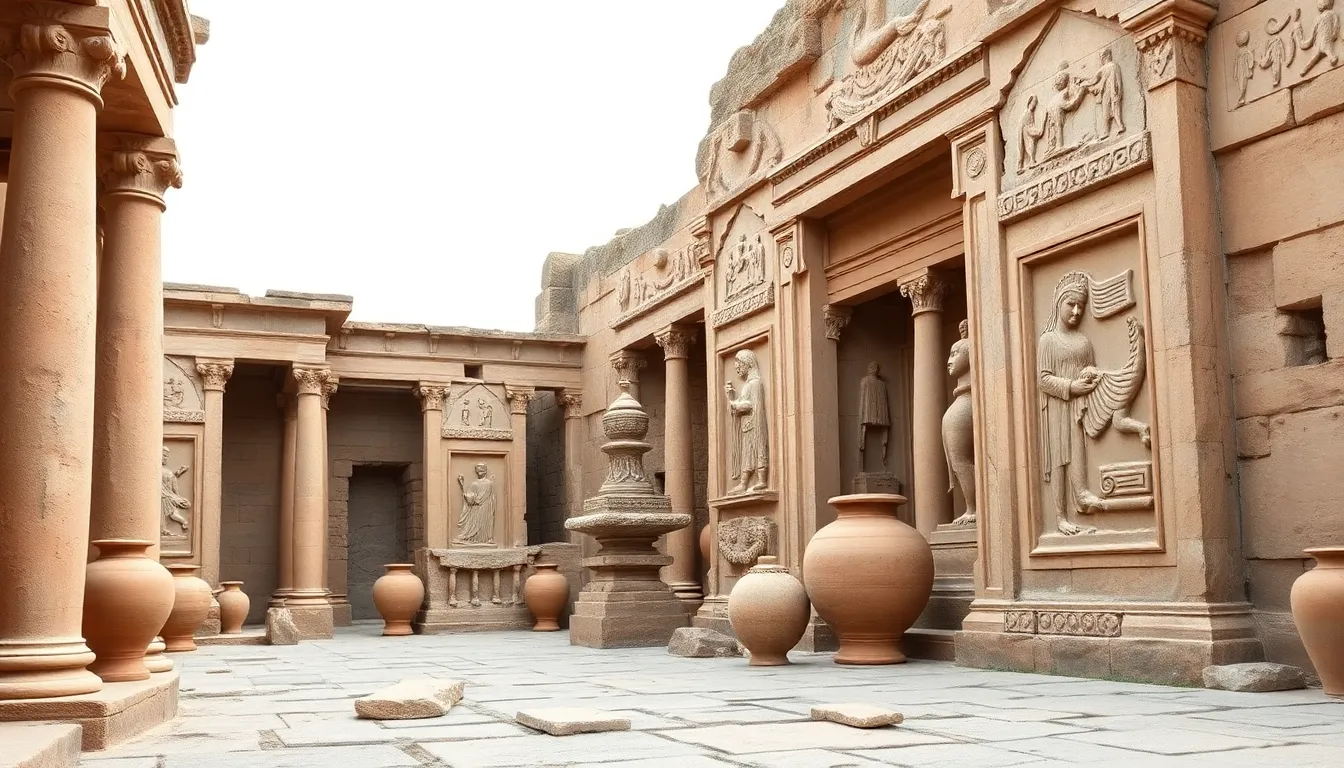
- Ruins of Mahasthangarh showcase the ancient urban settlements.
3
Medieval Bengal
- The Delhi Sultanate and later the Bengal Sultanate ruled the region.
- Bengal became a major global trade center for muslin and spices.
- The arrival of Islam influenced culture, architecture, and language.
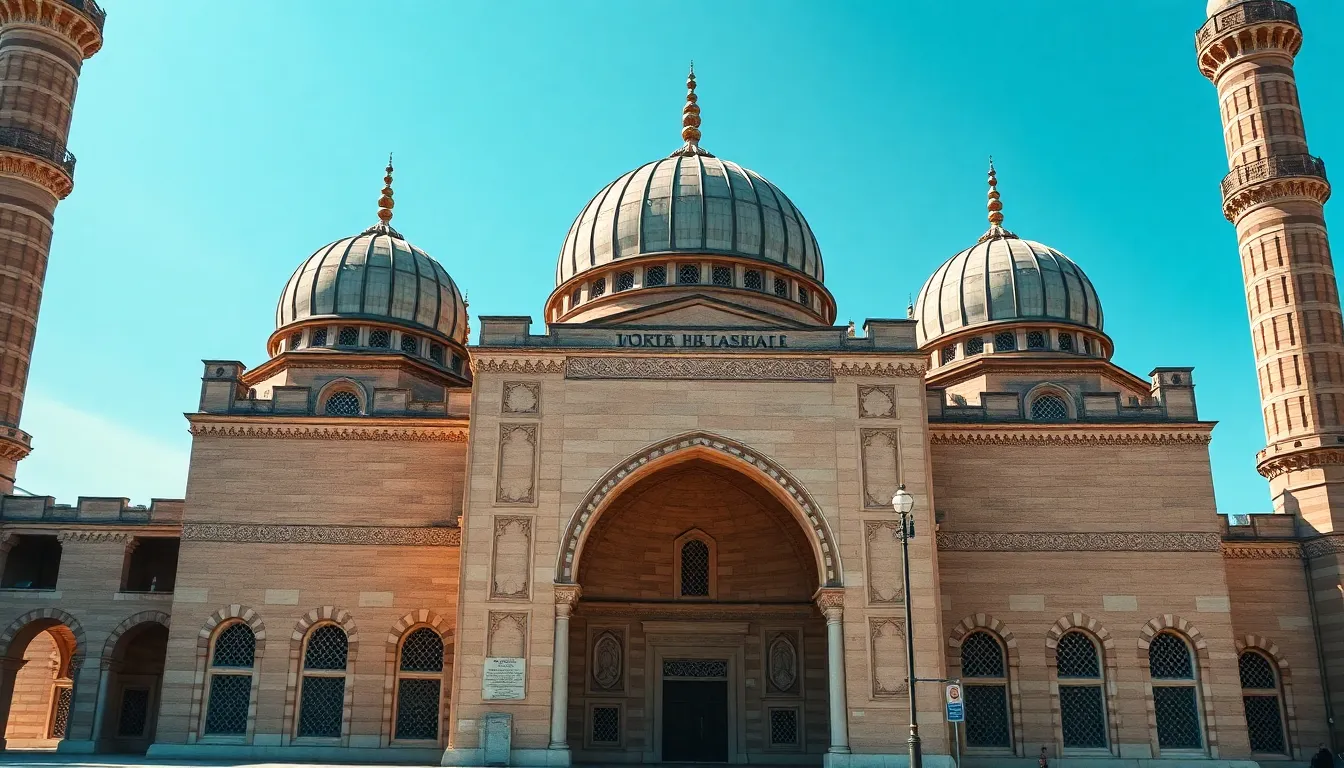
- Notable landmarks include the Sixty Dome Mosque in Bagerhat.
4
Colonial Rule
- The British East India Company took control after the Battle of Plassey (1757).
- Bengal became the center of British India, with Calcutta as its capital.
- The region suffered famines under colonial exploitation, like the Great Famine of 1770.
- The Bengal Renaissance (19th century) sparked intellectual and cultural revival.
5
Partition of Bengal
- In 1947, Bengal was divided into West Bengal (India) and East Pakistan.
- The partition caused massive migration and communal violence.
- East Pakistan faced economic and political marginalization by West Pakistan.
- Language Movement of 1952 marked the first resistance for Bengali identity.
6
Liberation War
- The 1971 Liberation War was a fight for independence from Pakistan.
- Sheikh Mujibur Rahman led the movement with his historic 7th March speech.
- The war lasted 9 months, with 3 million killed and 10 million refugees.
- India played a crucial role in supporting Bangladesh's independence.
7
Birth of Bangladesh
- Bangladesh officially gained independence on December 16, 1971.
- Sheikh Mujibur Rahman became the first Prime Minister.
- The country faced challenges like post-war reconstruction and famine.
- The 1972 Constitution established a secular, democratic state.
8
Modern Bangladesh
- Bangladesh has achieved significant economic growth since the 1990s.
- The garment industry is the backbone of the economy, employing millions.
- The country has made strides in education, healthcare, and women's rights.
- Challenges include climate change, political instability, and urbanization.
9
Cultural Heritage
- Bangladesh is famous for its literature, music, and festivals.
- Nobel laureate Rabindranath Tagore and Kazi Nazrul Islam are cultural icons.
- Pohela Boishakh (Bengali New Year) is celebrated with vibrant parades.
- Traditional arts like Nakshi Kantha and Jamdani weaving are UNESCO-recognized.
10
Conclusion & Future
- Bangladesh's history is a blend of resilience, culture, and progress.
- The nation aims to become a developed country by 2041.
- Youth and technology are driving forces for future growth.
- Preserving heritage while embracing modernity is key to success.
1 / 10