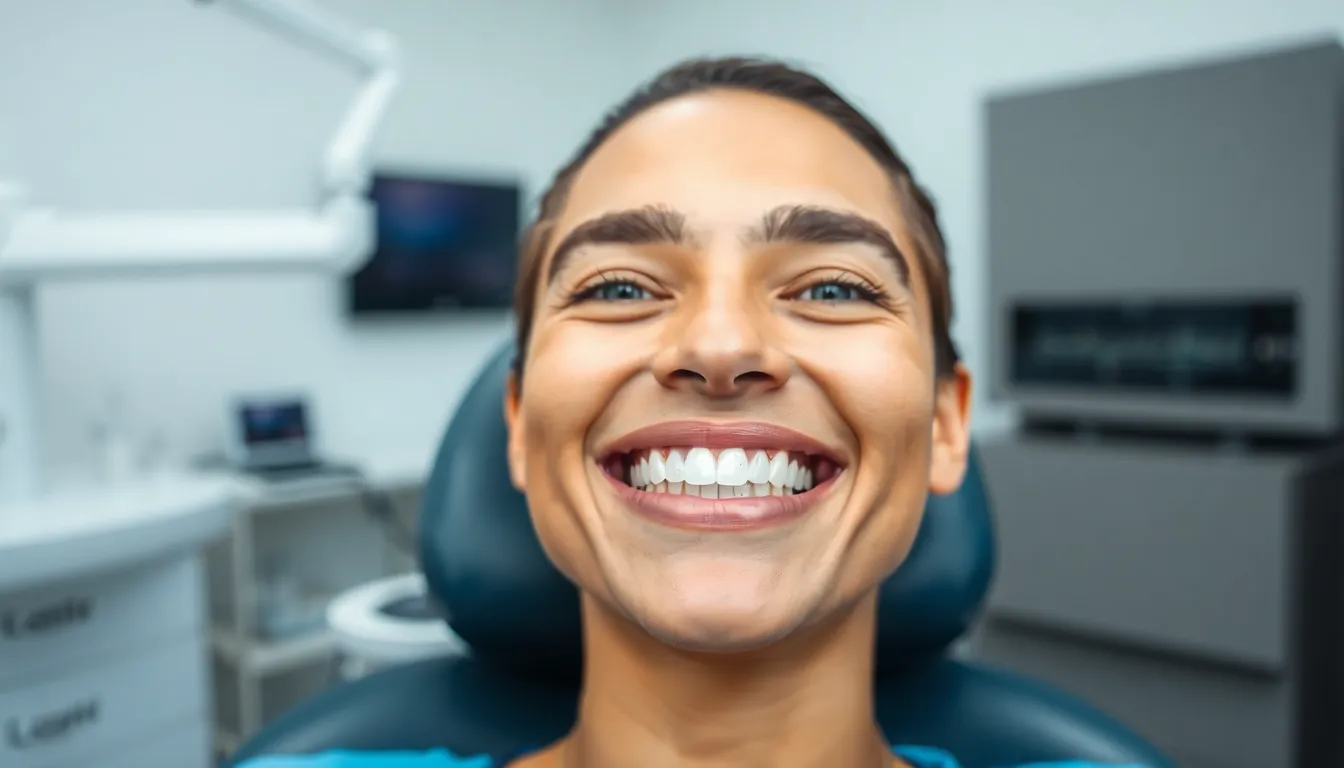
Full Mouth Rehabilitation Steps for Worn Teeth
📑 10 slides
👁 60 views
📅 1/23/2026
Introduction to Full Mouth Rehabilitation
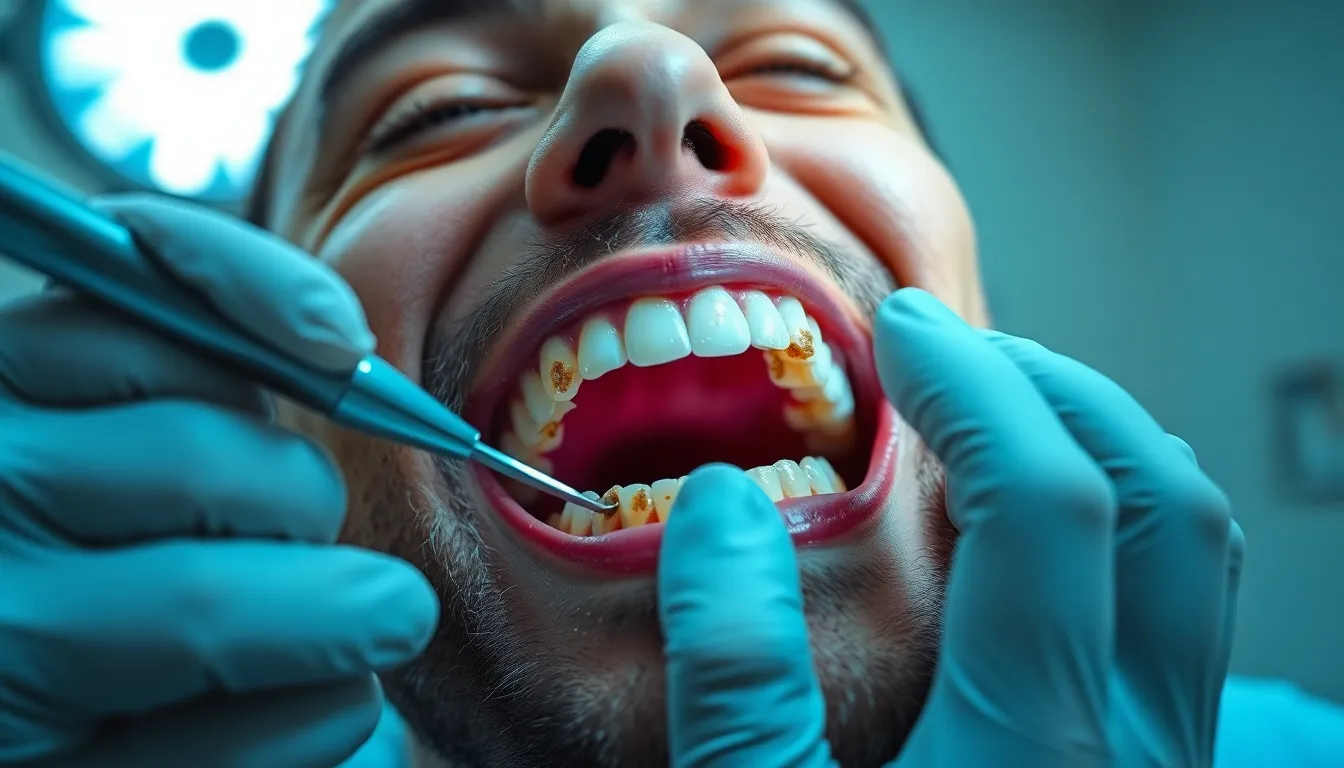
Full mouth rehabilitation restores function and aesthetics in severely worn teeth.
2
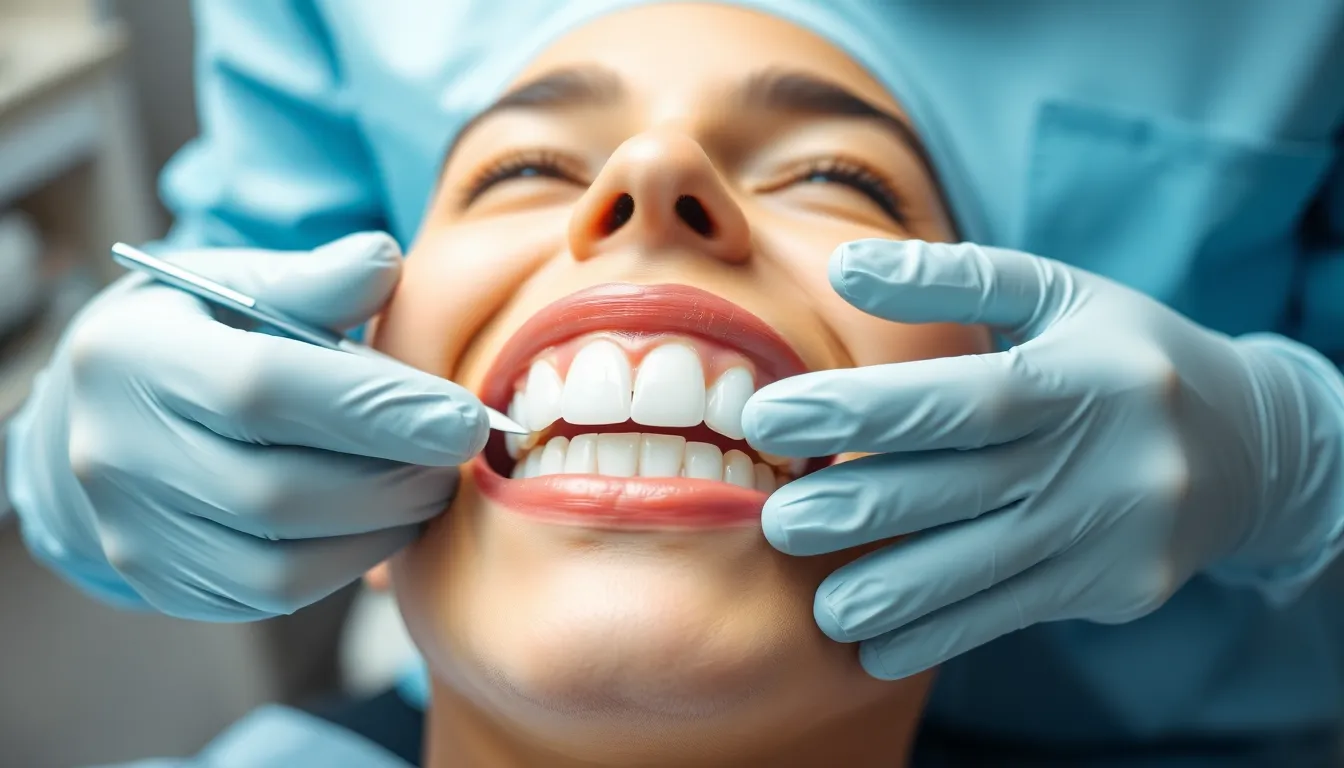
Initial Assessment & Diagnosis
- Comprehensive oral examination to evaluate tooth wear and gum health.
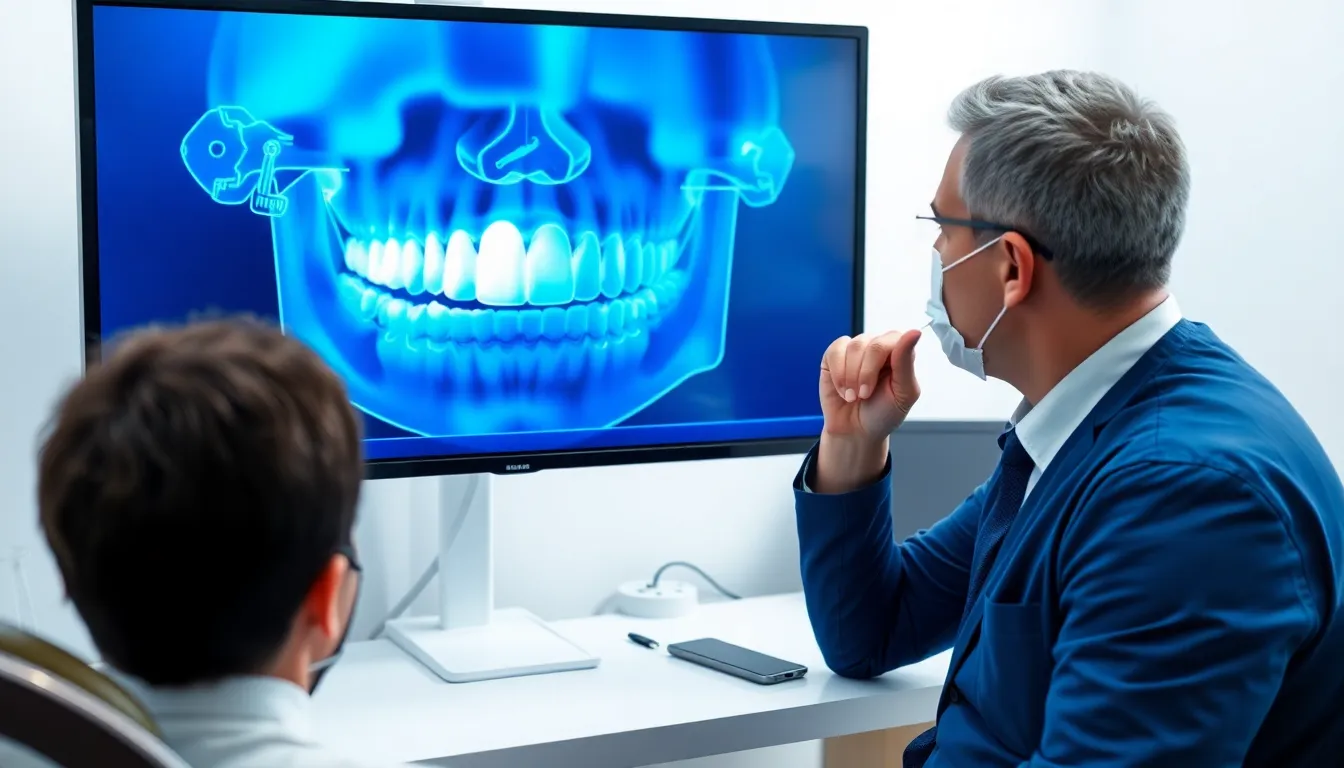
- Diagnostic tools include X-rays, 3D scans, and occlusal analysis.
- Assess TMJ function and bite alignment issues.
- Determine underlying causes like bruxism or acid erosion.
3
Treatment Planning & Mock-ups
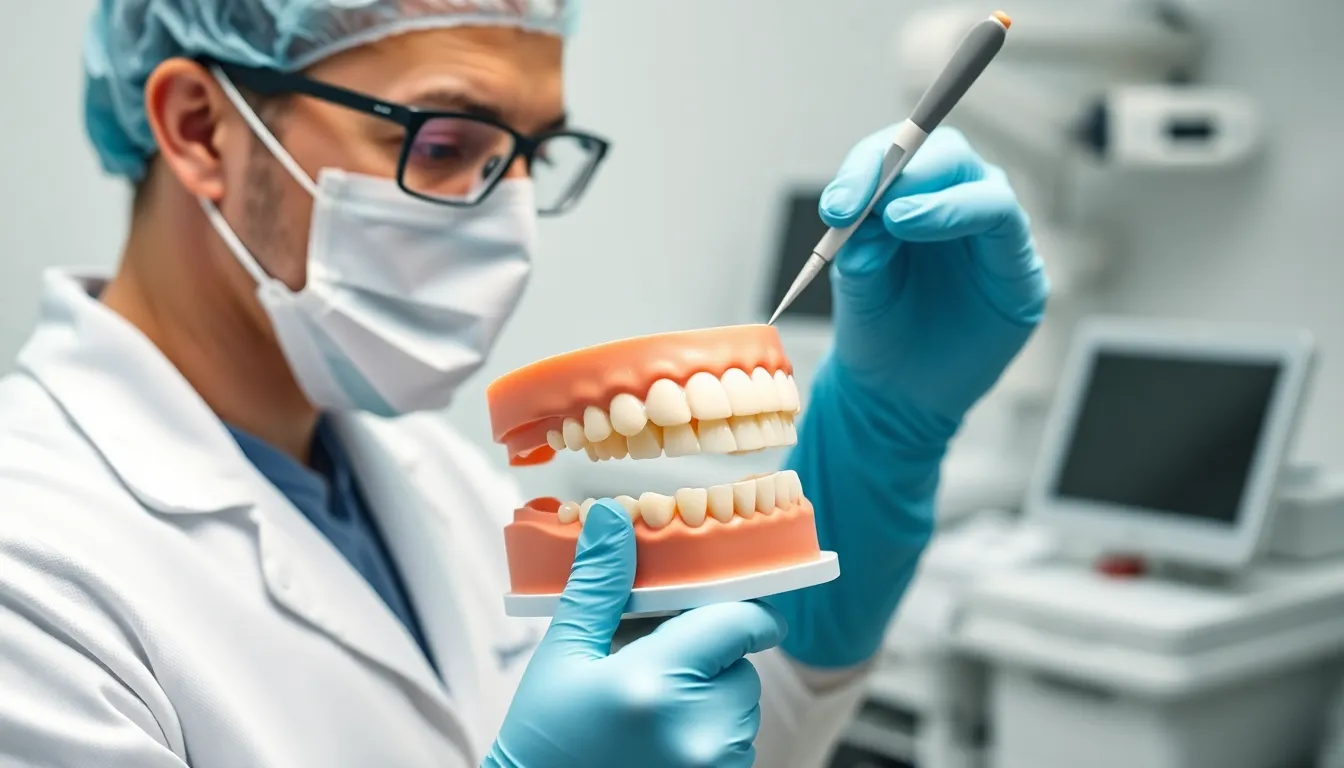
- Create digital or physical mock-ups to visualize final results.
- Plan phased treatment to manage complexity and cost.
- Incorporate patient preferences for aesthetics and function.
- Consider temporary restorations for trial periods.
4
Occlusal Adjustment & Bite Analysis
- Correct malocclusion to prevent further wear and ensure stability.
- Use articulators to simulate jaw movements.
- Adjust bite with selective grinding or orthodontic intervention.
- Ensure even force distribution across new restorations.
5
Temporary Restorations Phase
- Place temporary crowns or bridges to test function and aesthetics.
- Monitor patient adaptation to new bite alignment.
- Make adjustments before final restorations.
- Typically lasts 2-4 weeks to ensure comfort.
6
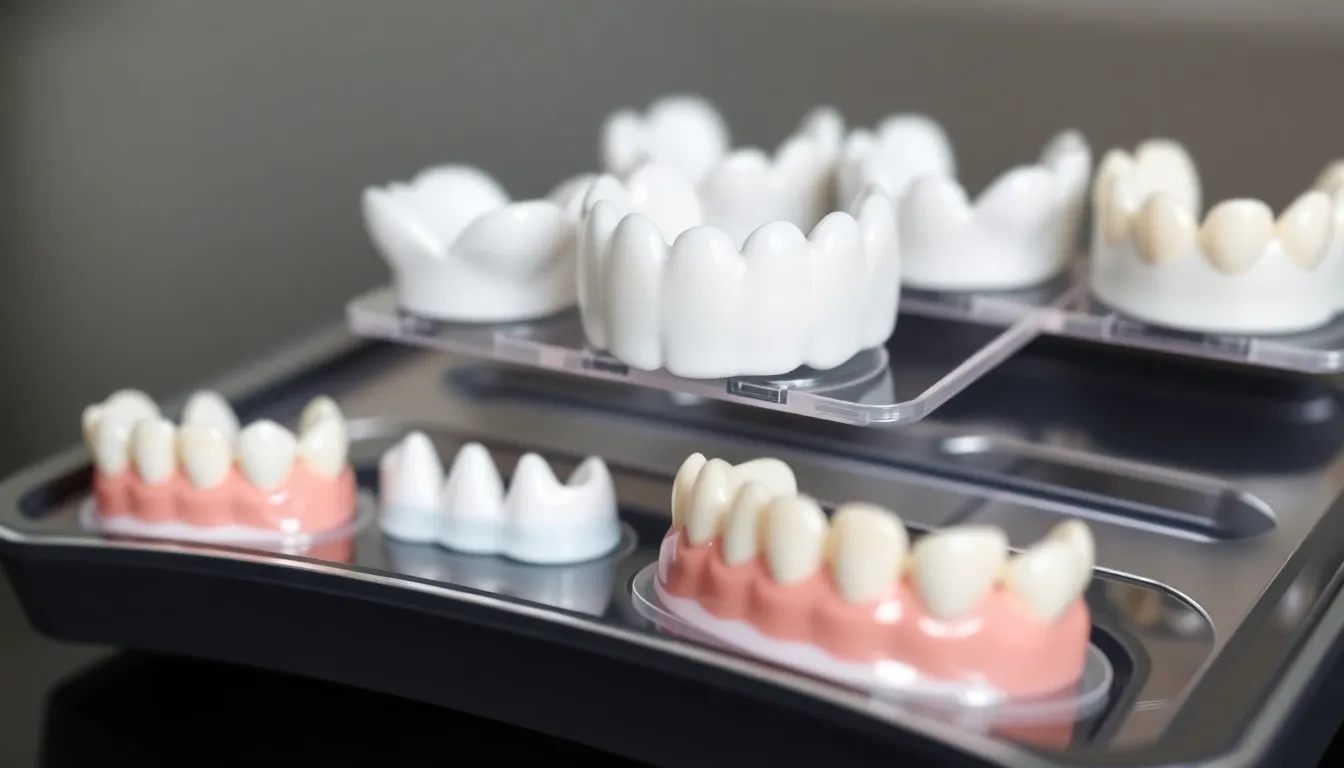
Final Restorations: Crowns & Bridges
- High-quality materials like zirconia or porcelain for durability.
- Custom-shaded to match natural tooth color.
- Precise fitting to ensure proper occlusion and comfort.
- May require multiple visits for fabrication and placement.
7
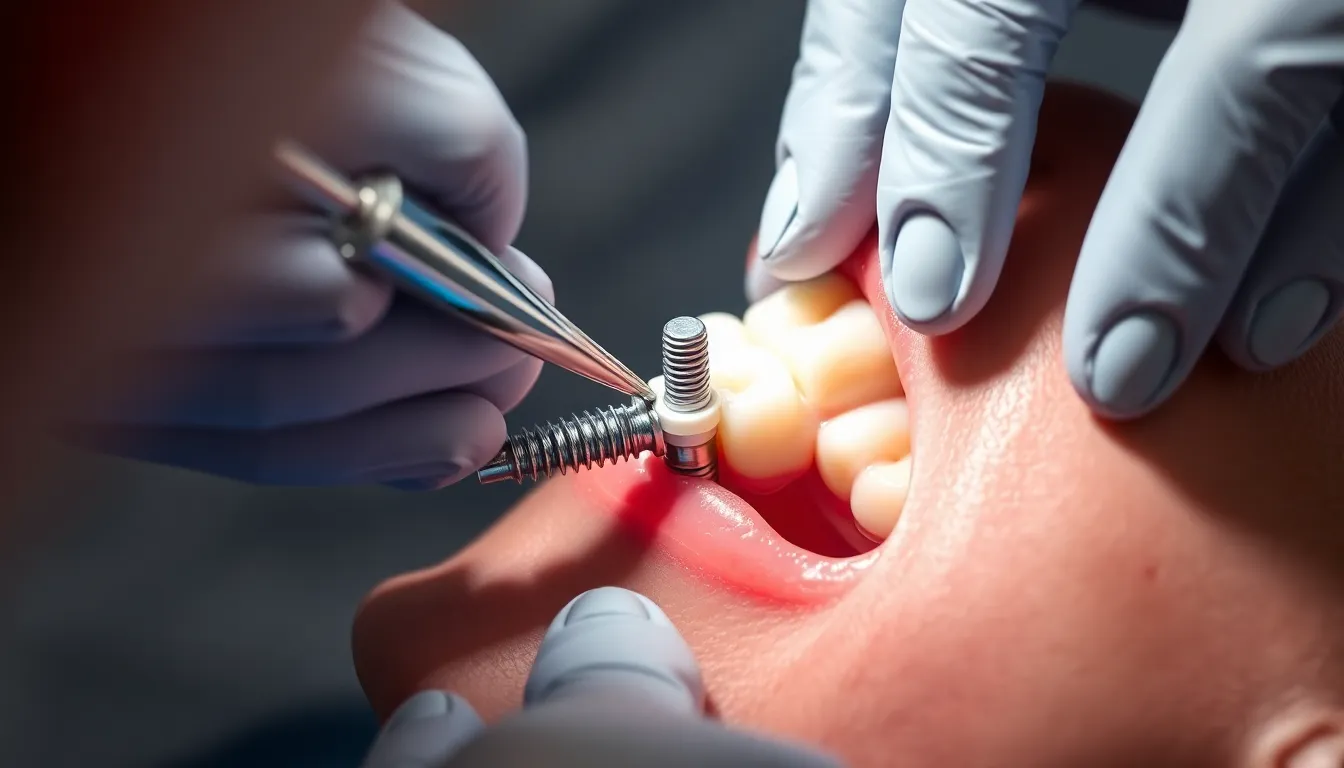
Dental Implants for Missing Teeth
- Implants provide stable support for crowns or dentures.
- Require osseointegration period (3-6 months) for healing.
- Ideal for patients with severe tooth loss or instability.
- Combine with bone grafting if needed for sufficient jawbone.
8
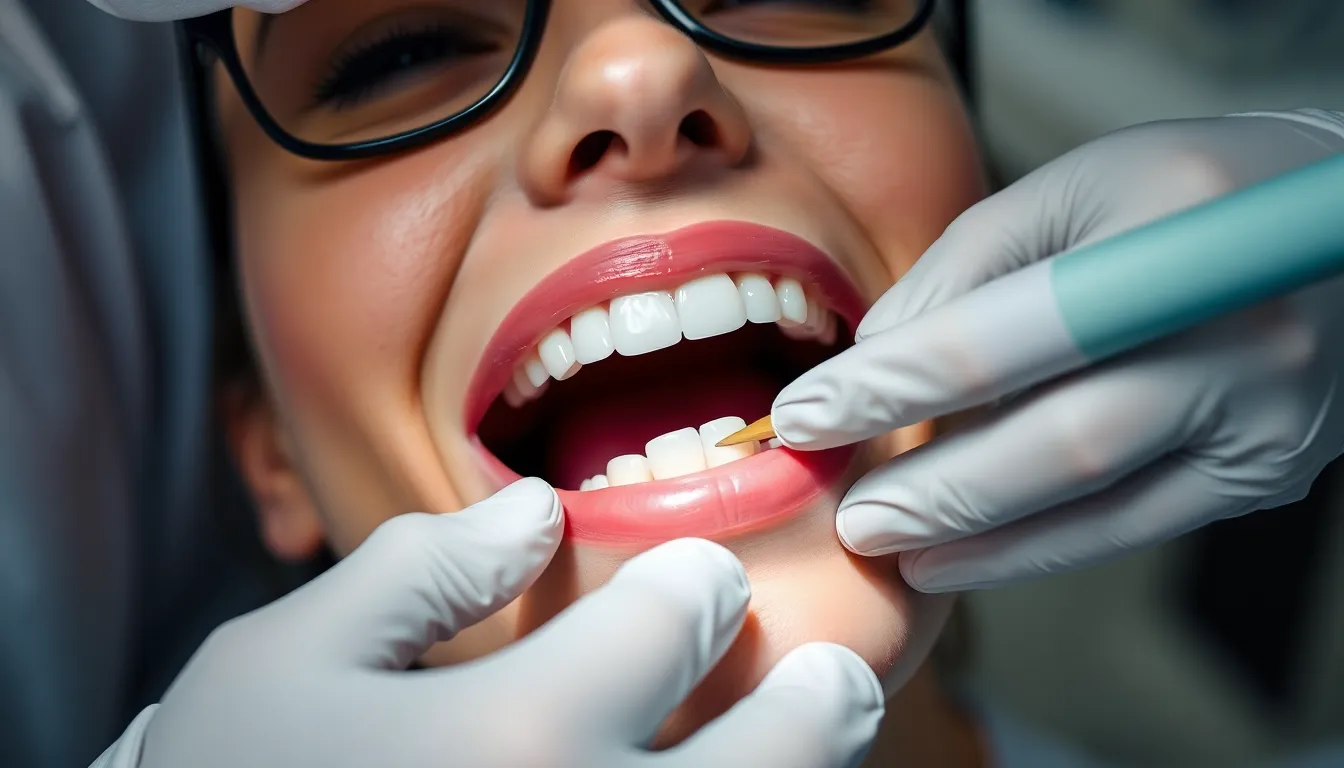
Aesthetic Enhancements: Veneers
- Thin porcelain veneers improve appearance of front teeth.
- Minimal tooth preparation preserves natural structure.
- Correct discoloration, chips, or minor misalignment.
- Custom-designed for a natural, symmetrical smile.
9
Post-Treatment Care & Maintenance
- Regular check-ups to monitor restorations and oral health.
- Night guards for patients with bruxism to protect new teeth.
- Proper oral hygiene to extend longevity of rehabilitated teeth.
- Address any discomfort or functional issues promptly.
10
Conclusion & Long-Term Success
- Full mouth rehabilitation requires meticulous planning and execution.
- Combines art and science to restore both function and aesthetics.
- Patient compliance is key for long-term success.
- Results can last 10-15 years with proper care.
1 / 10