Football Leadership
📑 10 slides
👁 24 views
📅 2/4/2026
Introduction to Football Leadership
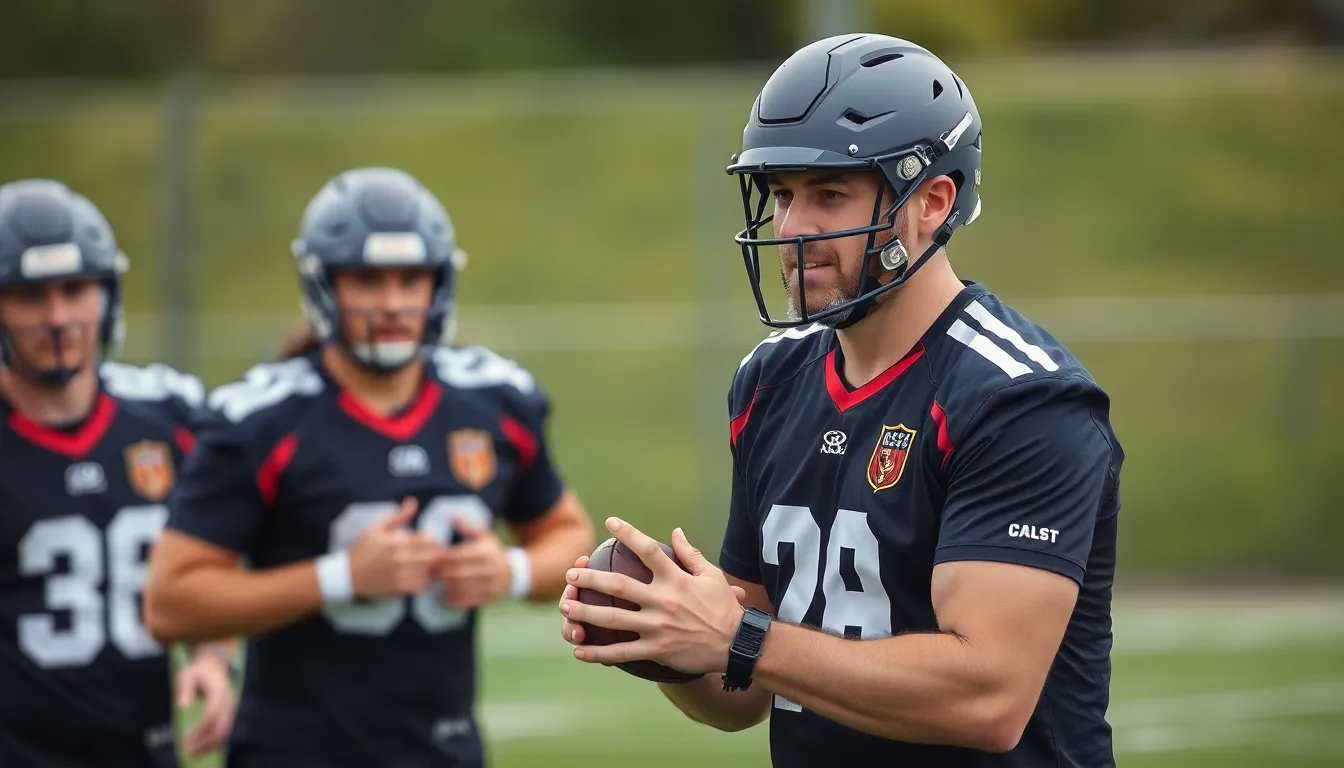
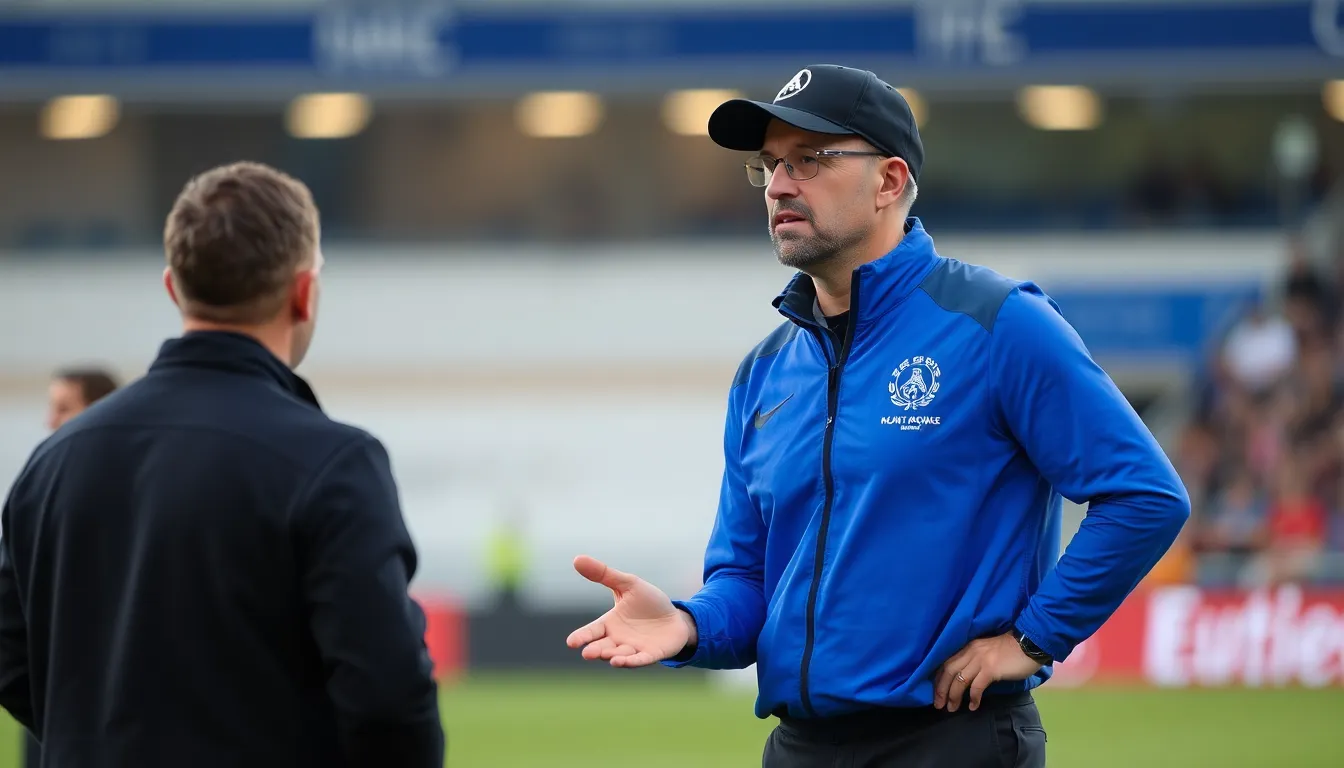
Leadership in football combines strategy, teamwork, and motivation.
2
Vision and Strategy
- Great leaders create a clear vision for the team's success.
- Strategic planning involves analyzing opponents and adapting tactics.
- Effective leaders balance short-term wins with long-term goals.
3
Team Communication
- Clear communication ensures everyone understands their role.
- Leaders must adapt their style to different personalities.
- Regular feedback helps players improve and stay motivated.
4
Decision Making Under Pressure
- Top leaders make quick, decisive choices during critical moments.
- Experience helps in anticipating problems before they occur.
- Successful leaders remain calm and focused in high-stress situations.
5
Building Team Culture
- Strong team culture fosters trust and collaboration.
- Leaders set standards for behavior and performance.
- Celebrating successes together strengthens team bonds.
6
Developing Talent
- Identifying and nurturing young players ensures future success.
- Personalized training helps each player reach their potential.
- Mentorship creates a pipeline of future leaders.
7
Handling Conflict
- Effective leaders address conflicts quickly and fairly.
- Mediating disagreements maintains team harmony.
- Turning conflicts into learning opportunities strengthens the team.
8
Leading by Example
- Great leaders demonstrate the work ethic they expect from others.
- Showing commitment and passion inspires the entire team.
- Personal integrity builds respect and trust.
9
Adapting to Change
- Successful leaders adjust strategies based on game developments.
- Embracing innovation keeps teams competitive.
- Flexibility in leadership style suits different situations.
10
Conclusion: Leadership Lessons
- Football leadership teaches valuable transferable skills.
- The best leaders combine knowledge, empathy, and determination.
- These principles drive success in sports and business alike.
1 / 10