Fish Stress, Immunity, and Disease Susceptibility

📑 10 slides 👁 20 views 📅 1/22/2026
0.0 (0 ratings)

Introduction

Overview of fish health challenges in aquaculture

Introduction
2

Concept of Stress in Fish

  • Stress is a physiological response to adverse conditions
  • Chronic stress leads to weakened immune function
  • Measured by cortisol levels and behavioral changes
Concept of Stress in Fish
3

Types of Stressors

  • Environmental: poor water quality, temperature fluctuations
  • Handling: transport, crowding, netting
  • Biological: predators, parasites, pathogens
Types of Stressors
4

Fish Immune System

  • Innate immunity: physical barriers, phagocytes, lysozymes
  • Adaptive immunity: antibodies and memory cells in some species
  • Variations in immune capacity across fish species
Fish Immune System
5

Stress-Immunity-Disease Link

  • Stress hormones suppress immune cell activity
  • Increased susceptibility to bacterial infections
  • Higher mortality rates in stressed populations
Stress-Immunity-Disease Link
6

Common Stress Diseases

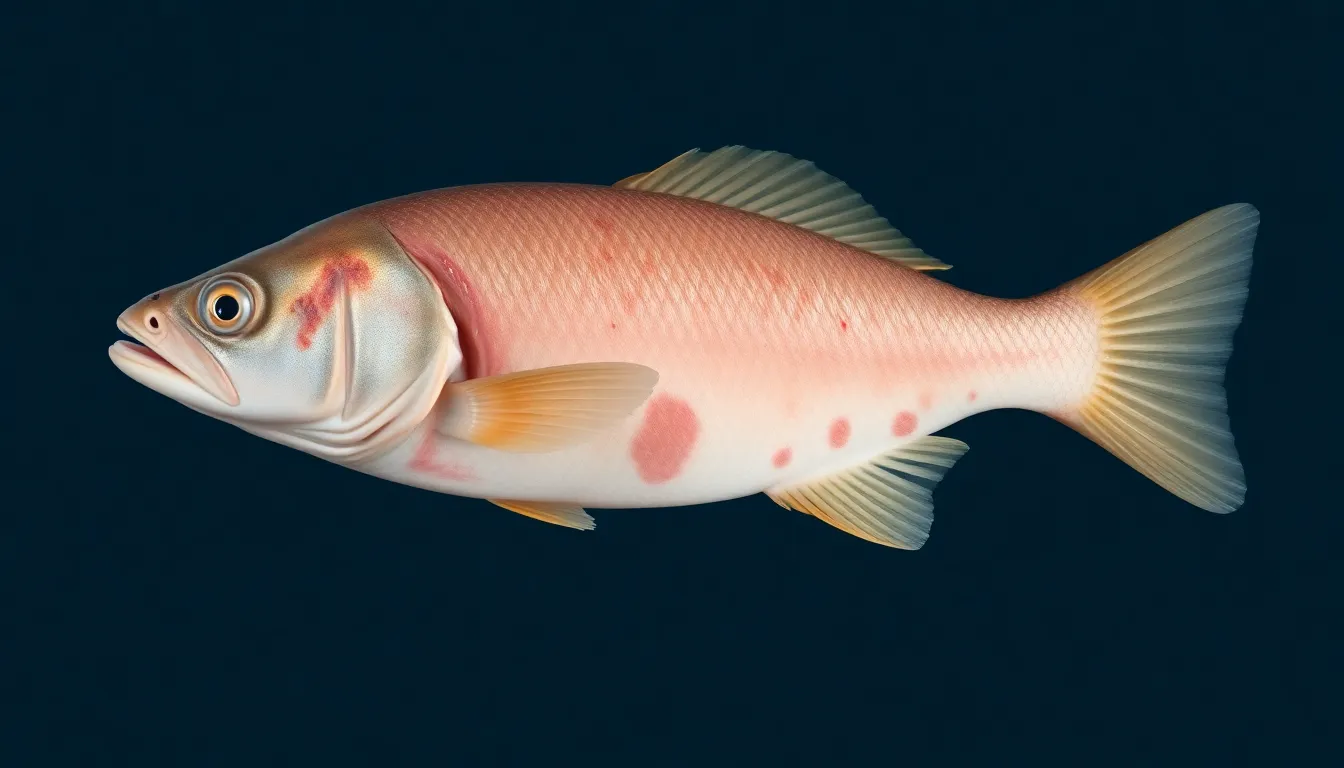
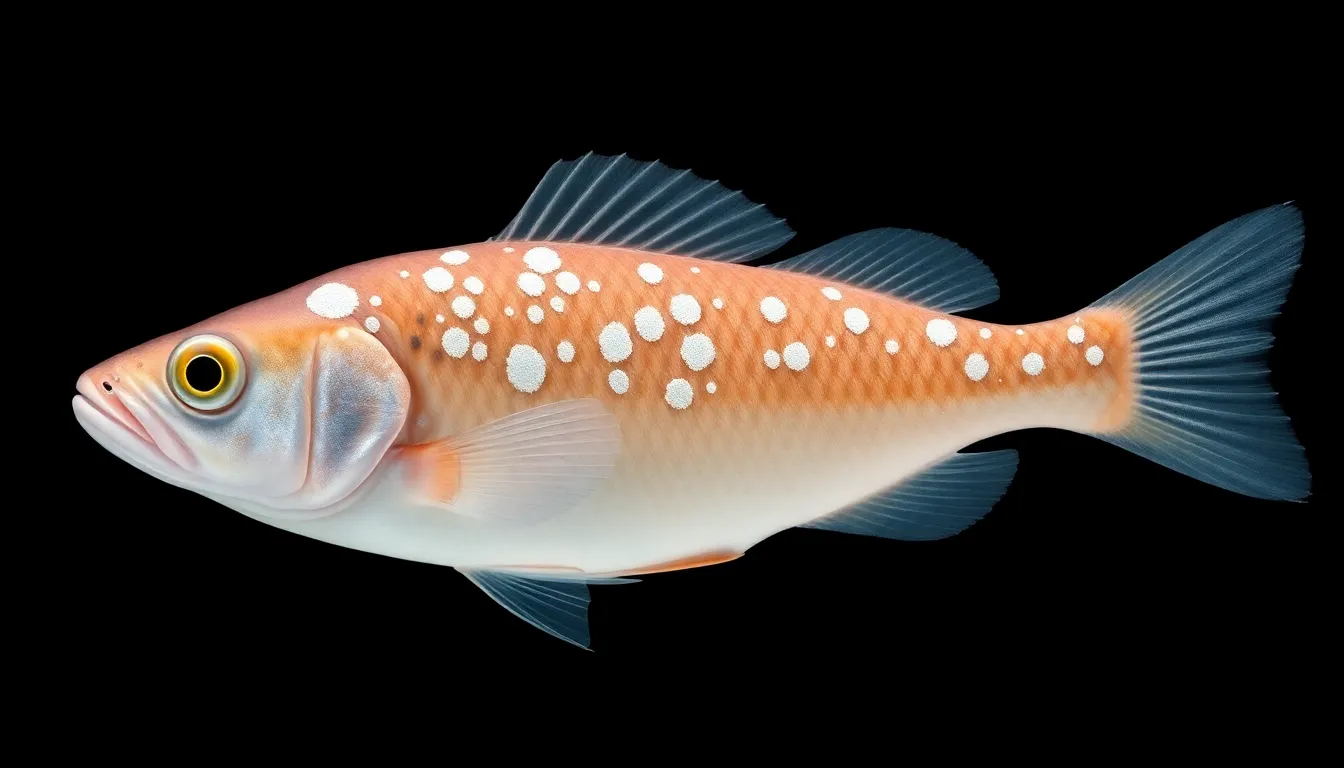
  • Columnaris: bacterial infection causing skin lesions
  • Saprolegniasis: fungal growth on stressed fish
  • Ichthyophthiriasis: parasites exploiting weak immunity
Common Stress Diseases
7

Nutrition and Immunity

  • Vitamin C boosts immune response in stressed fish
  • Omega-3 fatty acids reduce inflammation markers
  • Probiotics enhance gut immunity and stress resilience
Nutrition and Immunity
8

Stress Mitigation Strategies

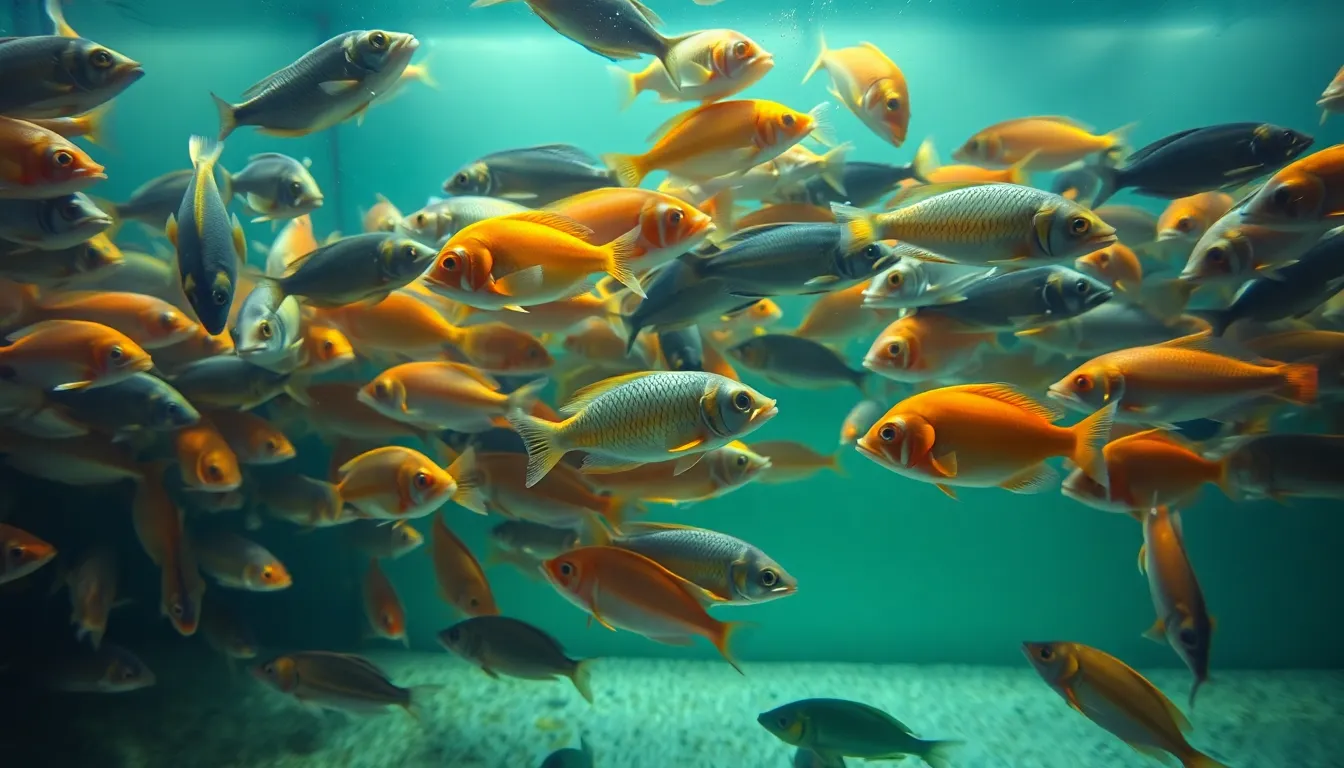
  • Optimal stocking densities reduce crowding stress
  • Gradual acclimation to new environments
  • Environmental enrichment with hiding spaces
Stress Mitigation Strategies
9

Aquaculture Health Management

  • Regular water quality monitoring prevents stress
  • Vaccination programs for high-value species
  • Biosecurity measures to reduce pathogen introduction
Aquaculture Health Management
10

Conclusion

  • Integrated approach needed for stress reduction
  • Healthy fish = sustainable aquaculture industry
  • Ongoing research improves management practices
Conclusion
1 / 10