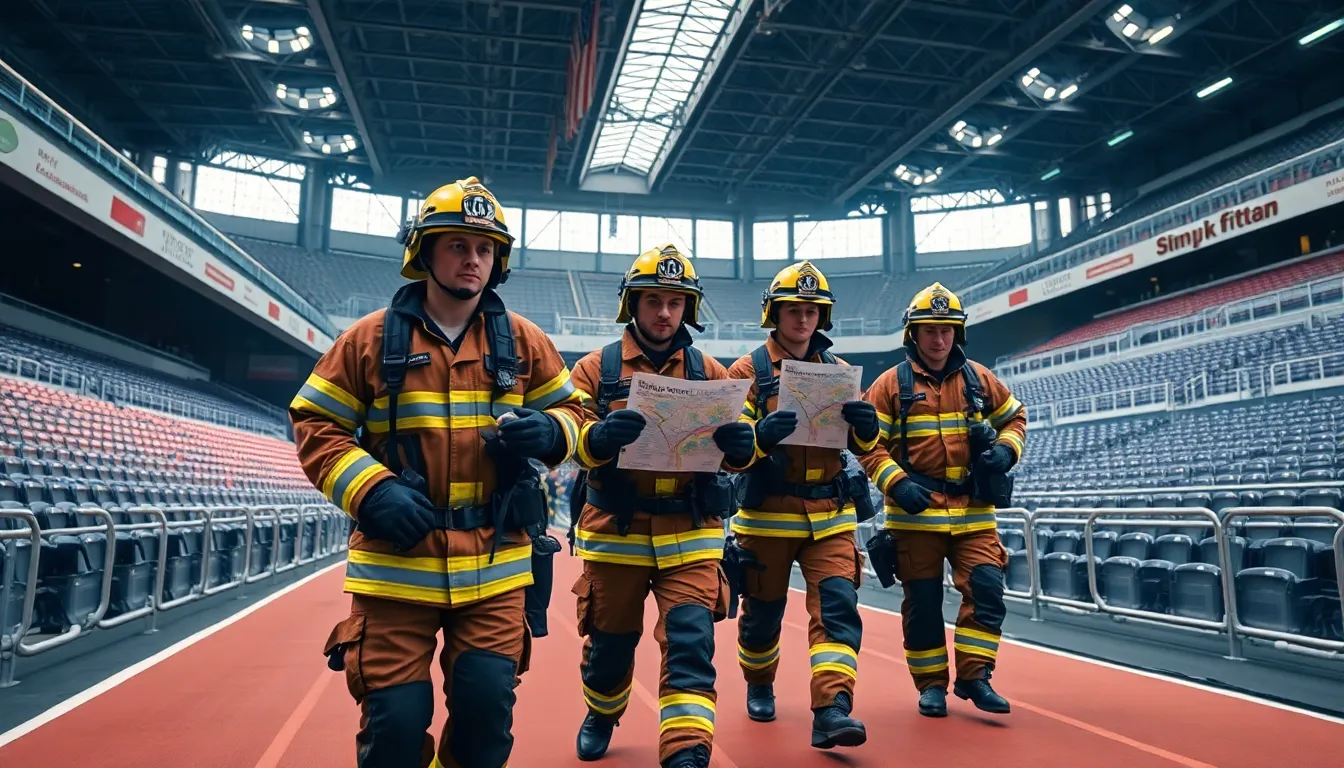
Fire Safety in Sports Stadiums
📑 10 slides
👁 35 views
📅 1/22/2026
Introduction to Fire Safety
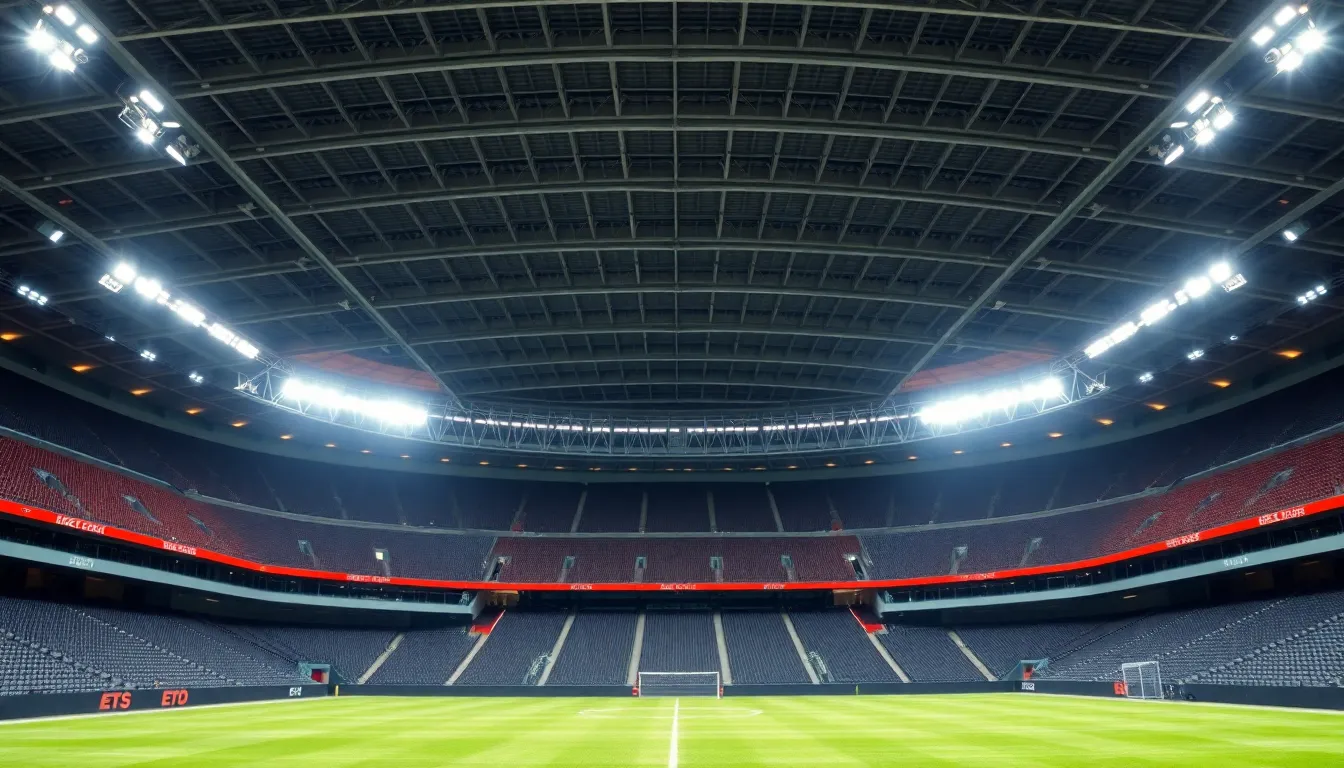
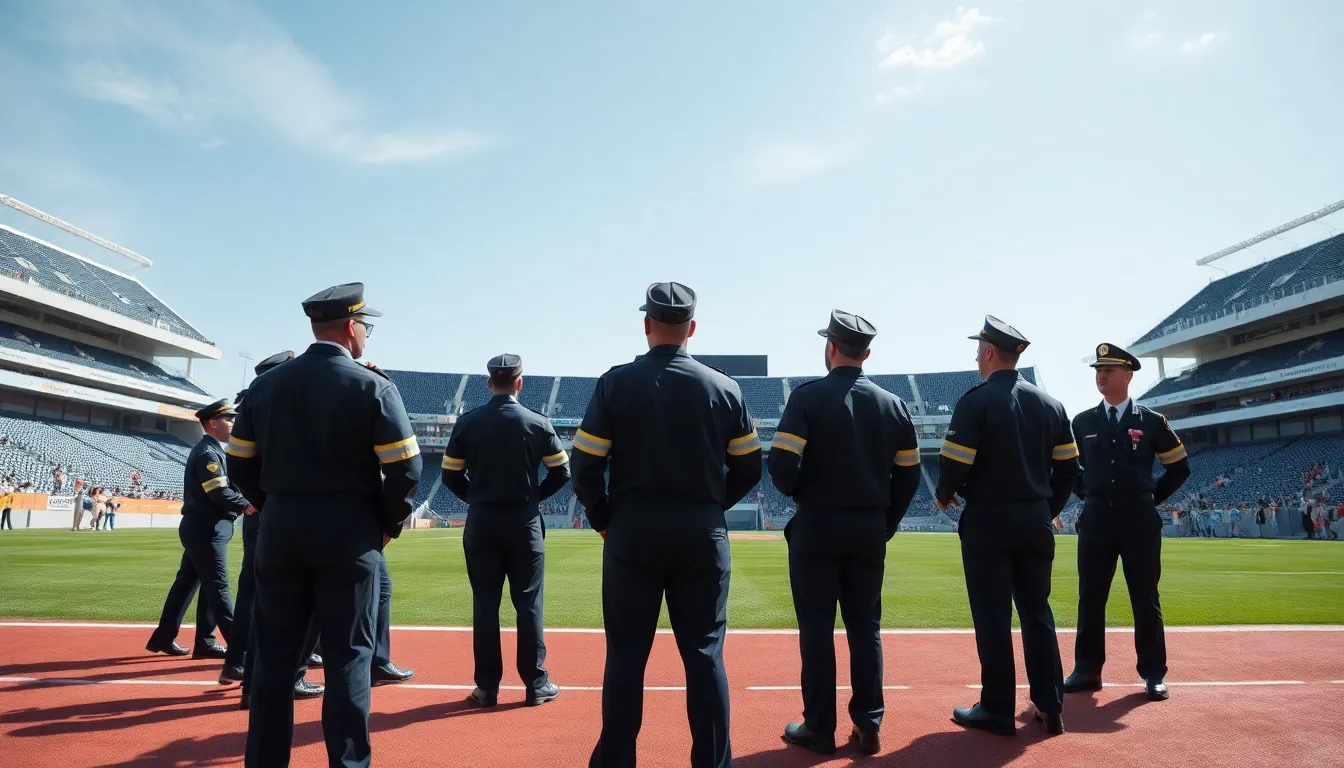
Fire safety is critical in sports stadiums due to large crowds and confined spaces.
2
Fire Detection Systems
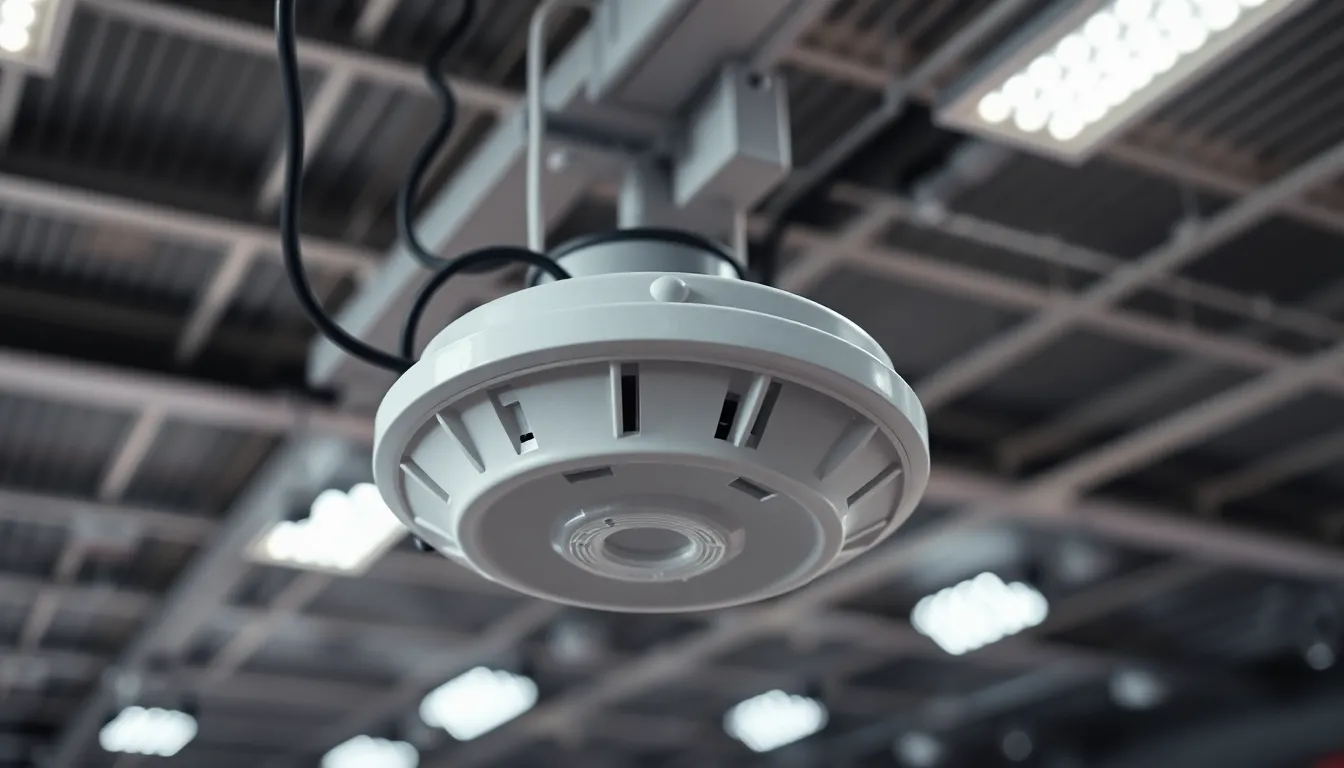
- Modern stadiums use smoke detectors, heat sensors, and flame detectors.
- Systems are integrated with alarms to alert staff and spectators immediately.
- Regular testing ensures reliability during emergencies.
3
Emergency Evacuation Routes
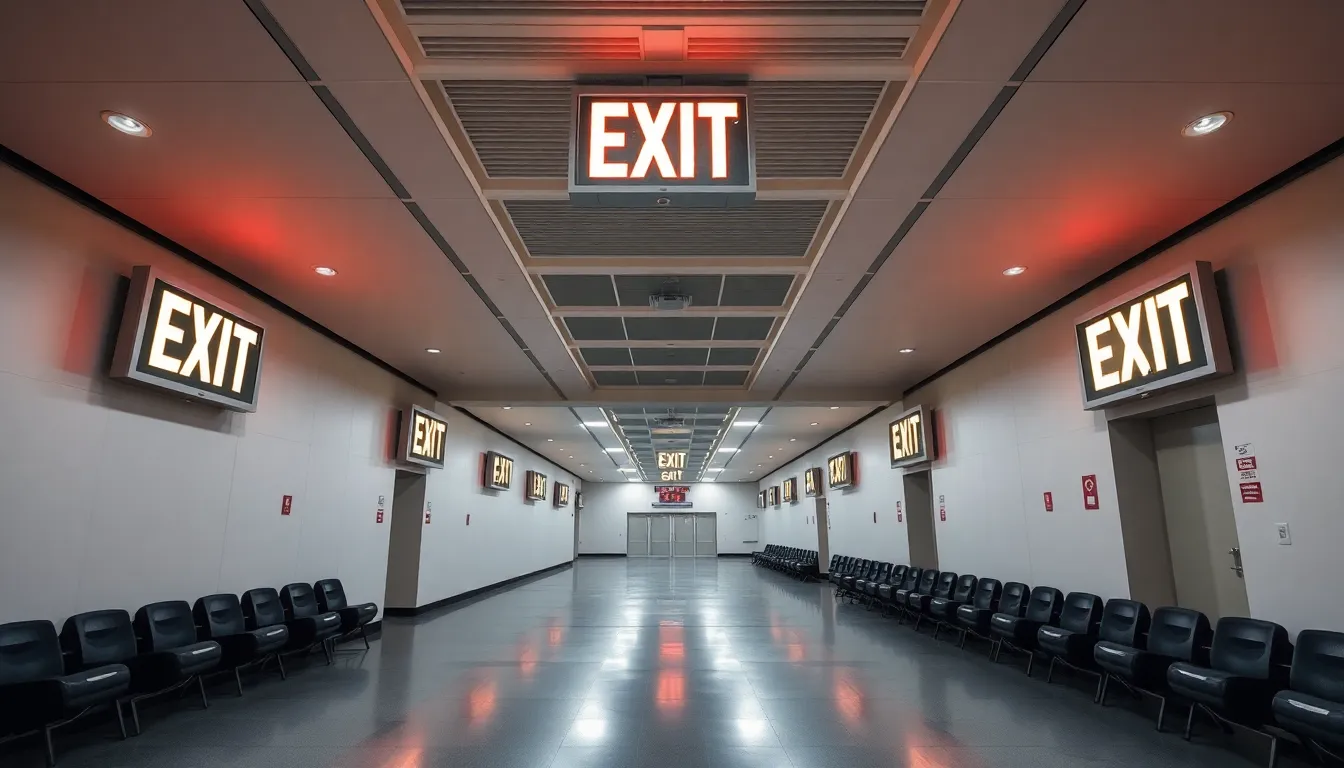
- Stadiums must have clearly marked exits and unobstructed pathways.
- Evacuation routes should accommodate wheelchair users and large crowds.
- Signage must be visible even in low-light or smoky conditions.
4
Fire Extinguishers & Equipment
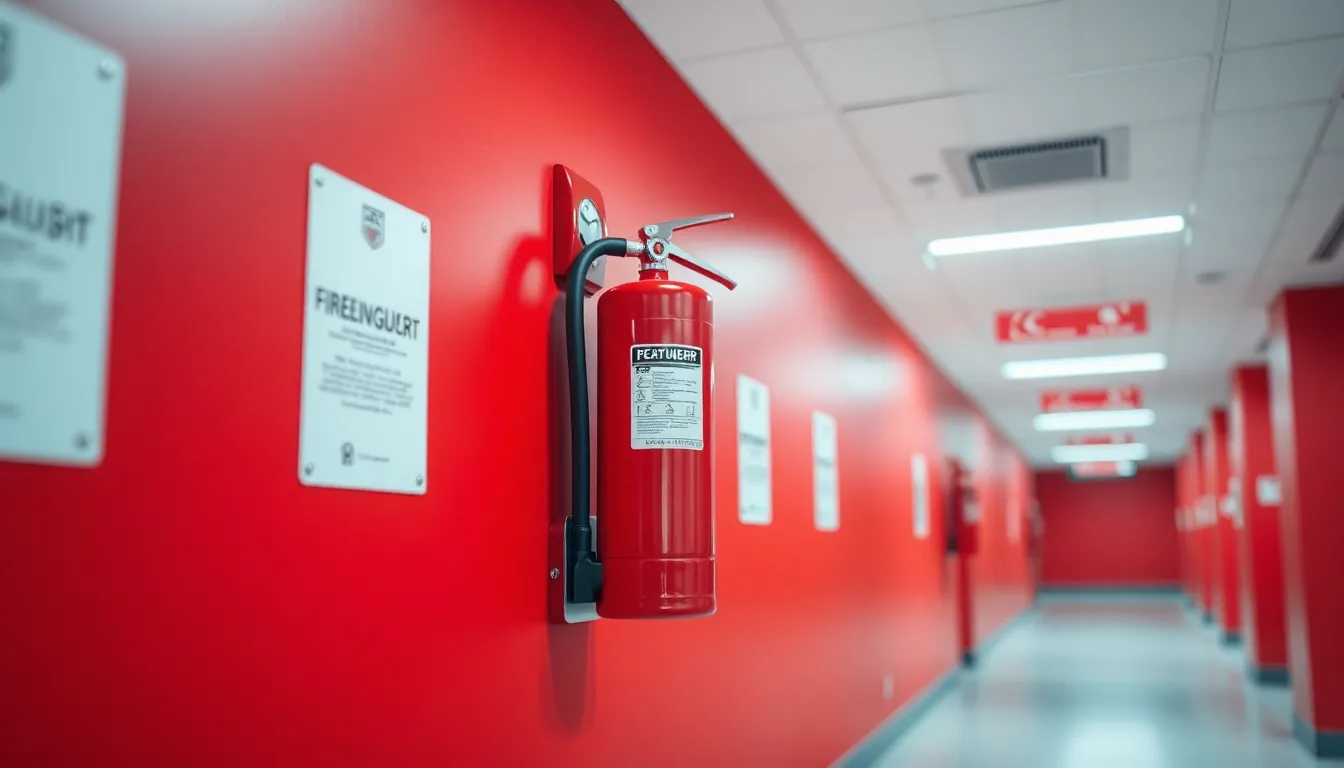
- Stadiums require strategically placed fire extinguishers (ABC type).
- Fire hoses and hydrants must be accessible and regularly inspected.
- Staff should be trained to use equipment effectively.
5
Staff Training & Drills
- Regular fire drills prepare staff for quick and organized evacuations.
- Training includes using fire extinguishers and guiding crowds safely.
- Emergency response teams should coordinate with local firefighters.
6
Crowd Management During Fires
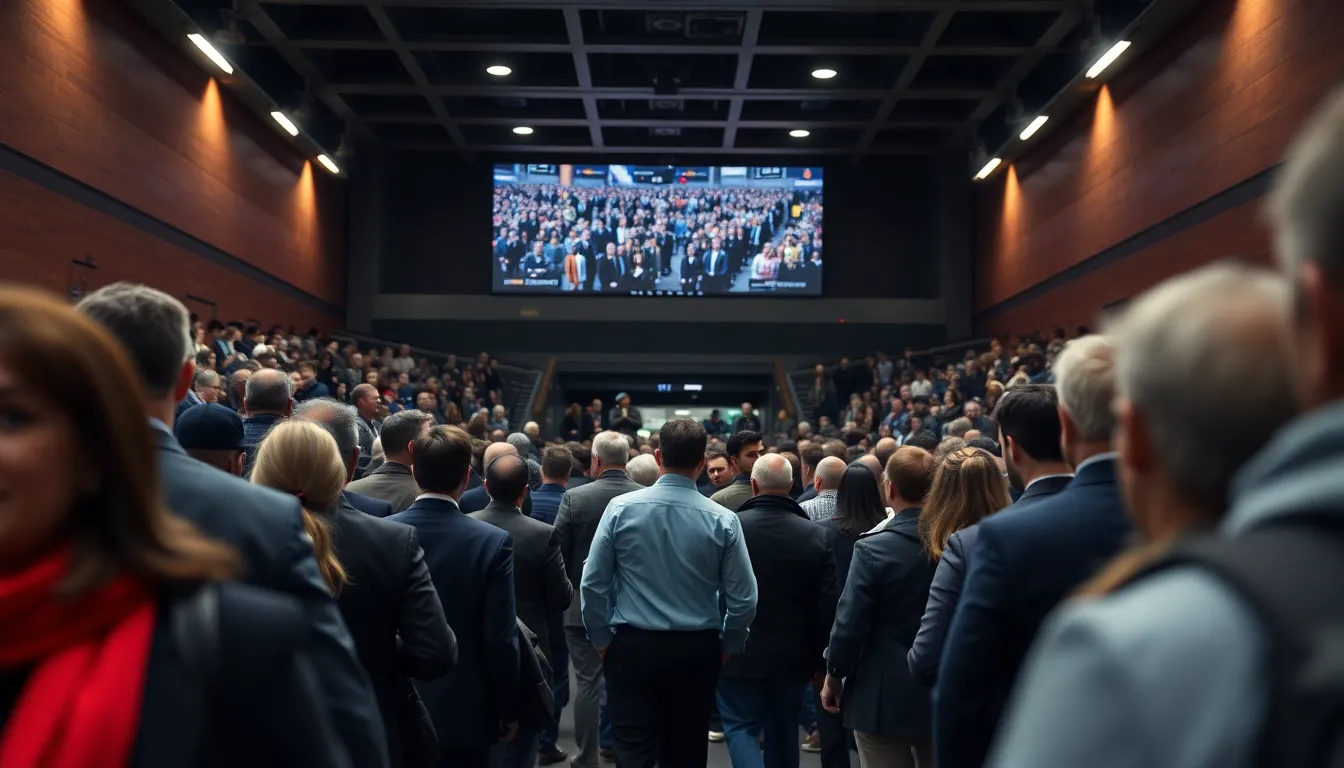
- Panic can worsen emergencies; calm instructions are essential.
- Announcements should be clear and repeated in multiple languages.
- Trained ushers can direct crowds to safe exits efficiently.
7
Electrical & HVAC Safety
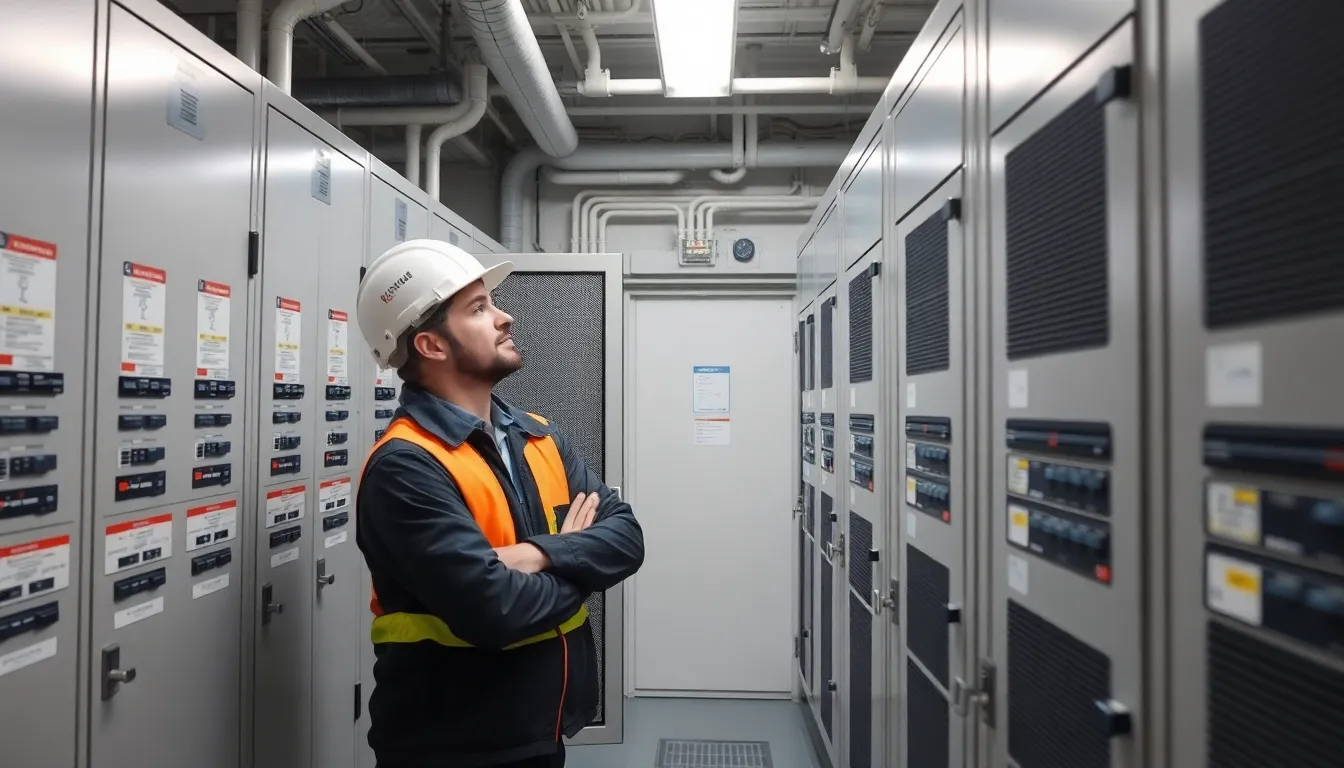
- Faulty wiring or overloaded circuits are common fire hazards.
- HVAC systems must be maintained to prevent smoke spread.
- Regular inspections reduce risks of electrical fires.
8
Flammable Materials Control
- Restrict use of pyrotechnics or open flames near seating areas.
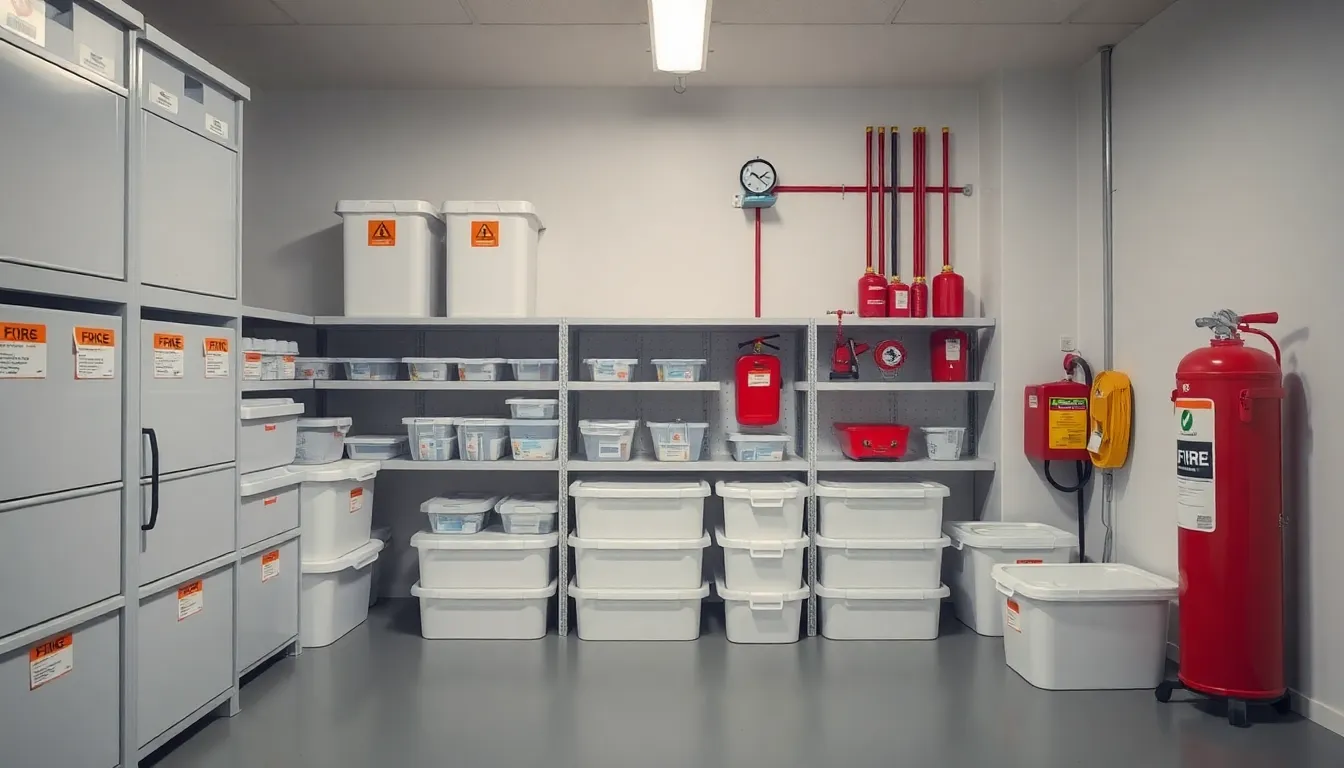
- Storage areas for chemicals must be well-ventilated and secure.
- Concessions should follow strict guidelines for cooking equipment.
9
Collaboration with Fire Departments
- Stadiums should share floor plans with local fire departments.
- Joint drills ensure smooth coordination during real emergencies.
- Firefighters need access to all areas, including VIP sections.
10
Conclusion & Key Takeaways
- Fire safety requires proactive measures and regular updates.
- Staff training and public awareness are as important as equipment.
- A well-prepared stadium ensures safety for all attendees.
1 / 10