Fabrication and Erection of Steel Structures

📑 10 slides 👁 31 views 📅 1/21/2026
0.0 (0 ratings)

Introduction to Steel Structures

Steel structures are widely used in construction due to their strength and versatility.

Introduction to Steel Structures
2

Steel Fabrication Process

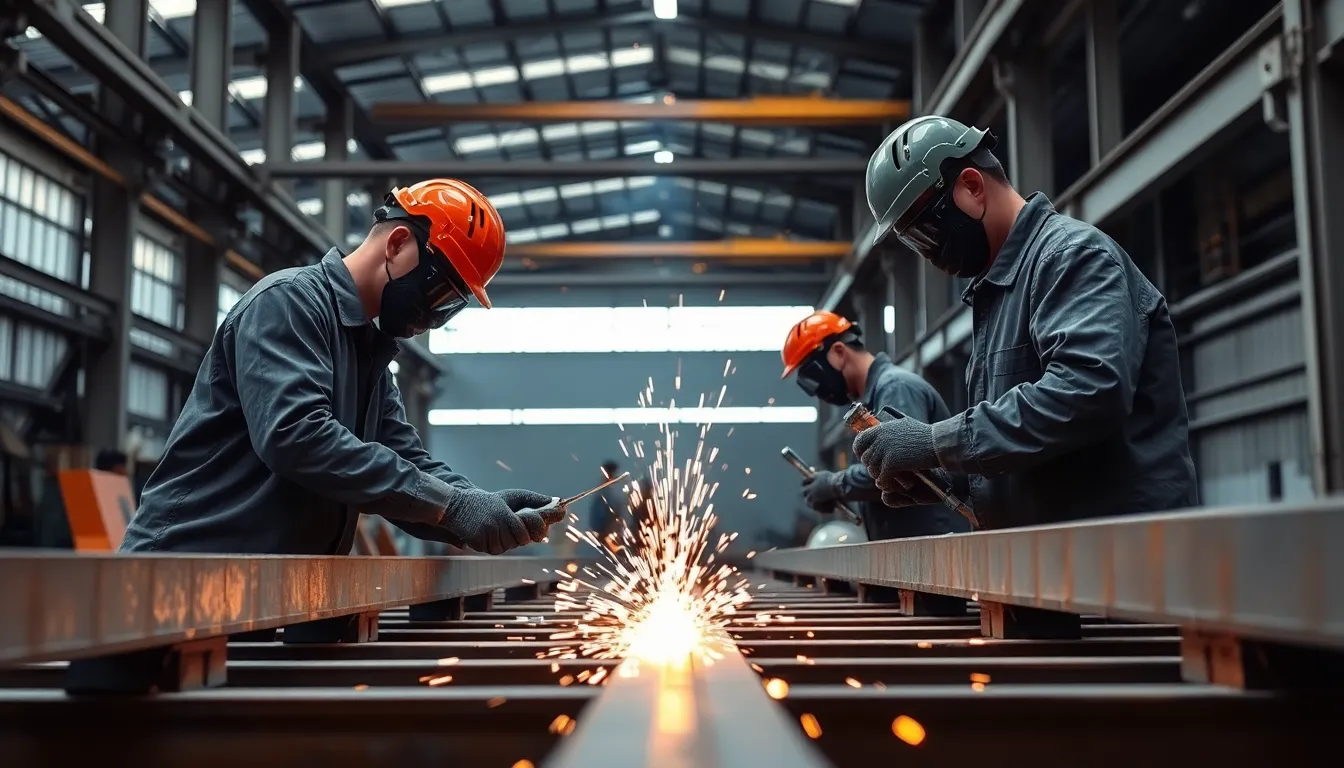
  • Fabrication starts with cutting, drilling, and welding steel components.
  • Precision is critical to ensure components fit perfectly during erection.
  • Advanced CNC machines are often used for accuracy.
Steel Fabrication Process
3

Material Selection

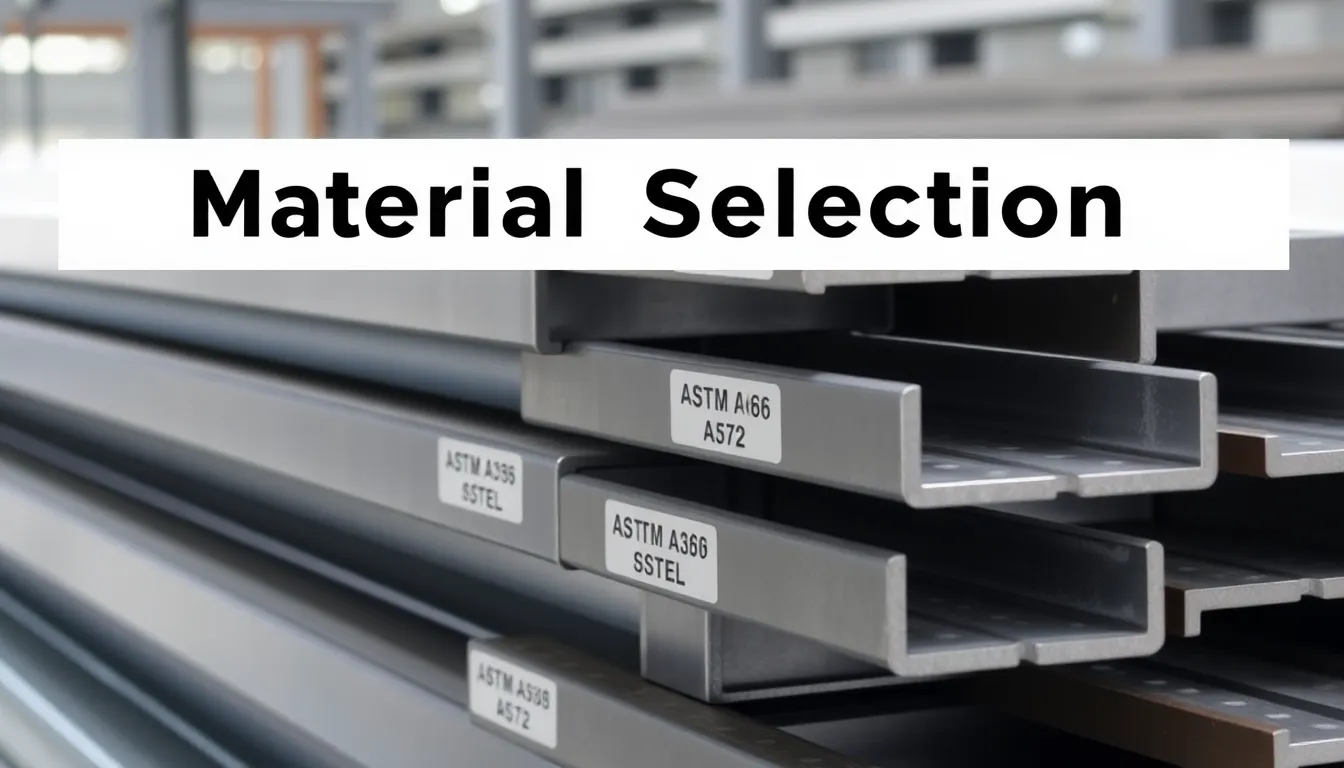
  • Common steel grades include ASTM A36 and A572 for structural use.
  • High-strength steel is used for heavy-load applications like bridges.
  • Corrosion-resistant coatings are applied for durability.
Material Selection
4

Quality Control in Fabrication

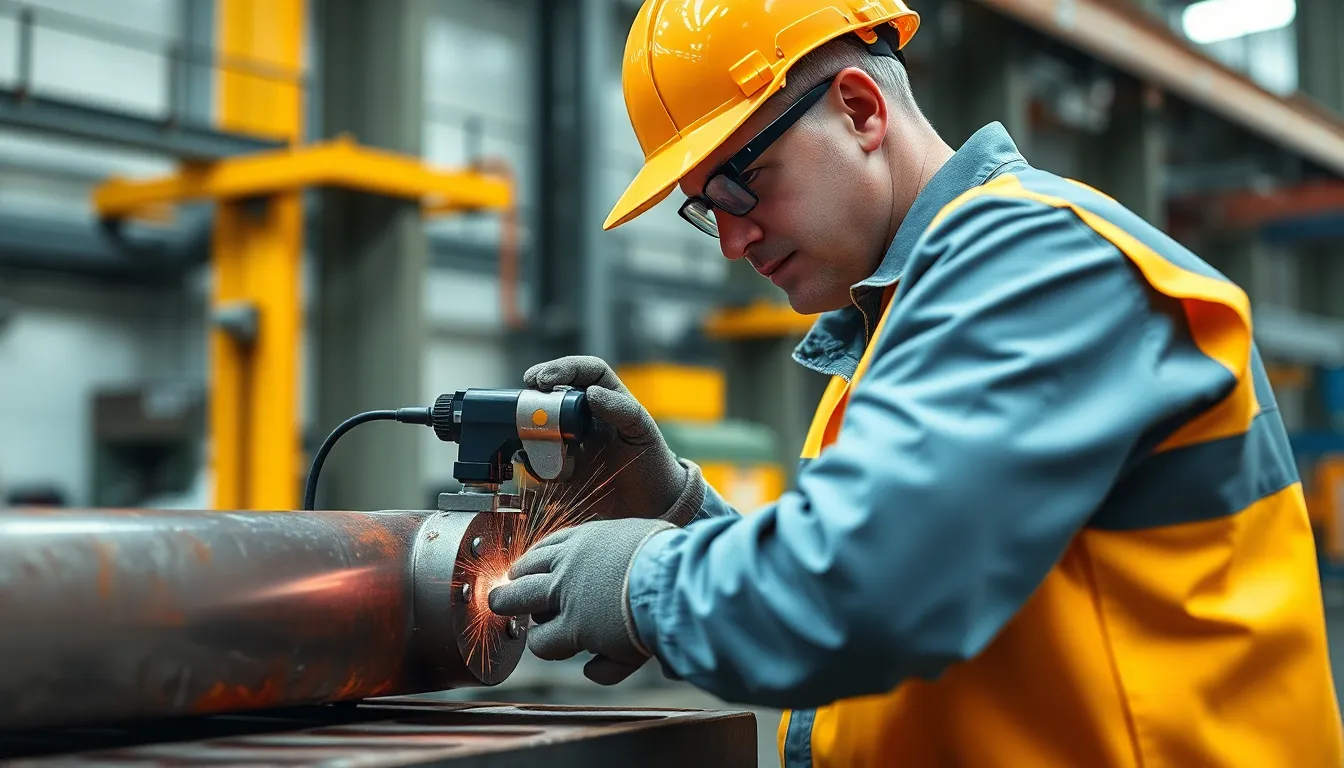
  • Ultrasonic testing detects internal flaws in welded joints.
  • Dimensional checks ensure components meet design specifications.
  • Third-party inspections are often required for compliance.
Quality Control in Fabrication
5

Transportation of Steel Components

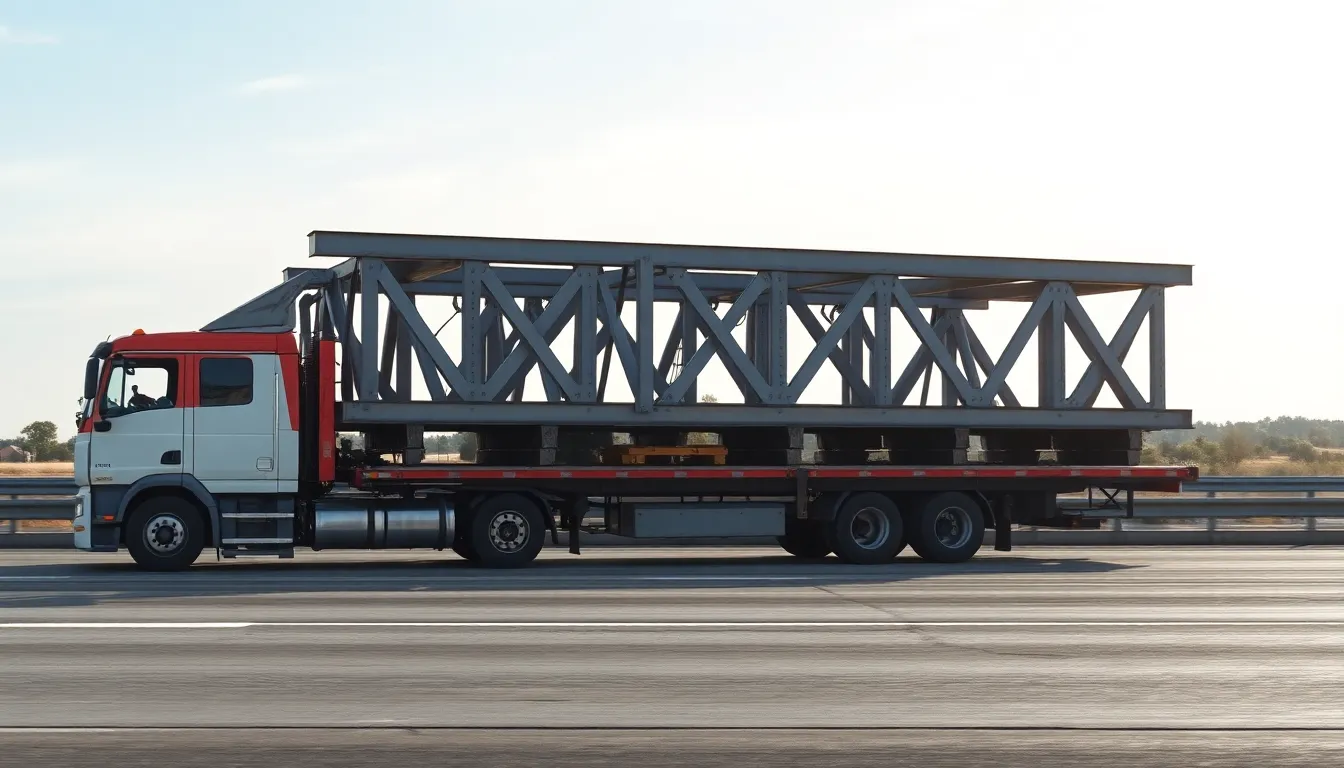
  • Large components are shipped via flatbed trucks or barges.
  • Careful planning is needed to avoid damage during transit.
  • On-site storage must protect steel from moisture and dirt.
Transportation of Steel Components
6

Erection Planning

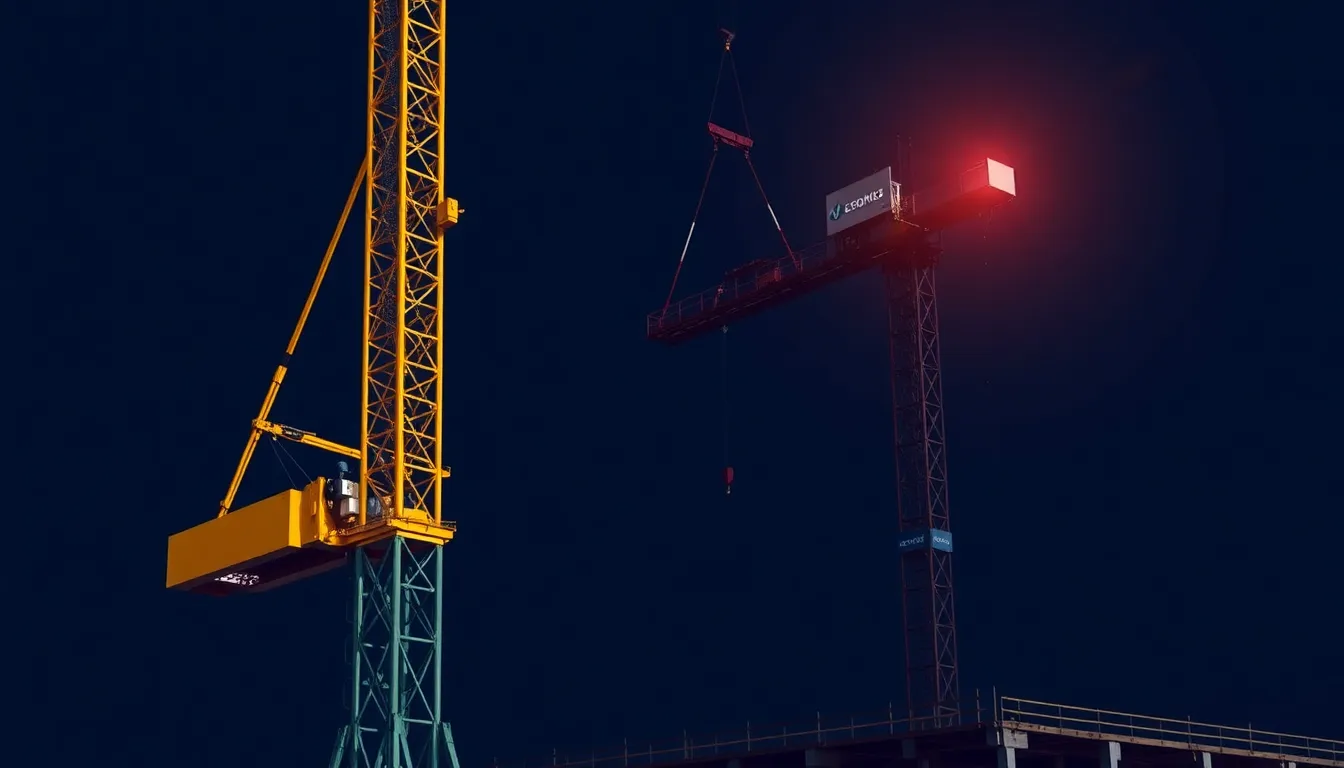
  • Cranes with capacities up to 1,000 tons are used for heavy lifts.
  • Sequence of erection is planned to ensure stability.
  • Wind and weather conditions are monitored to ensure safety.
Erection Planning
7

Bolting and Welding On-Site

  • High-strength bolts are tightened to precise torque specifications.
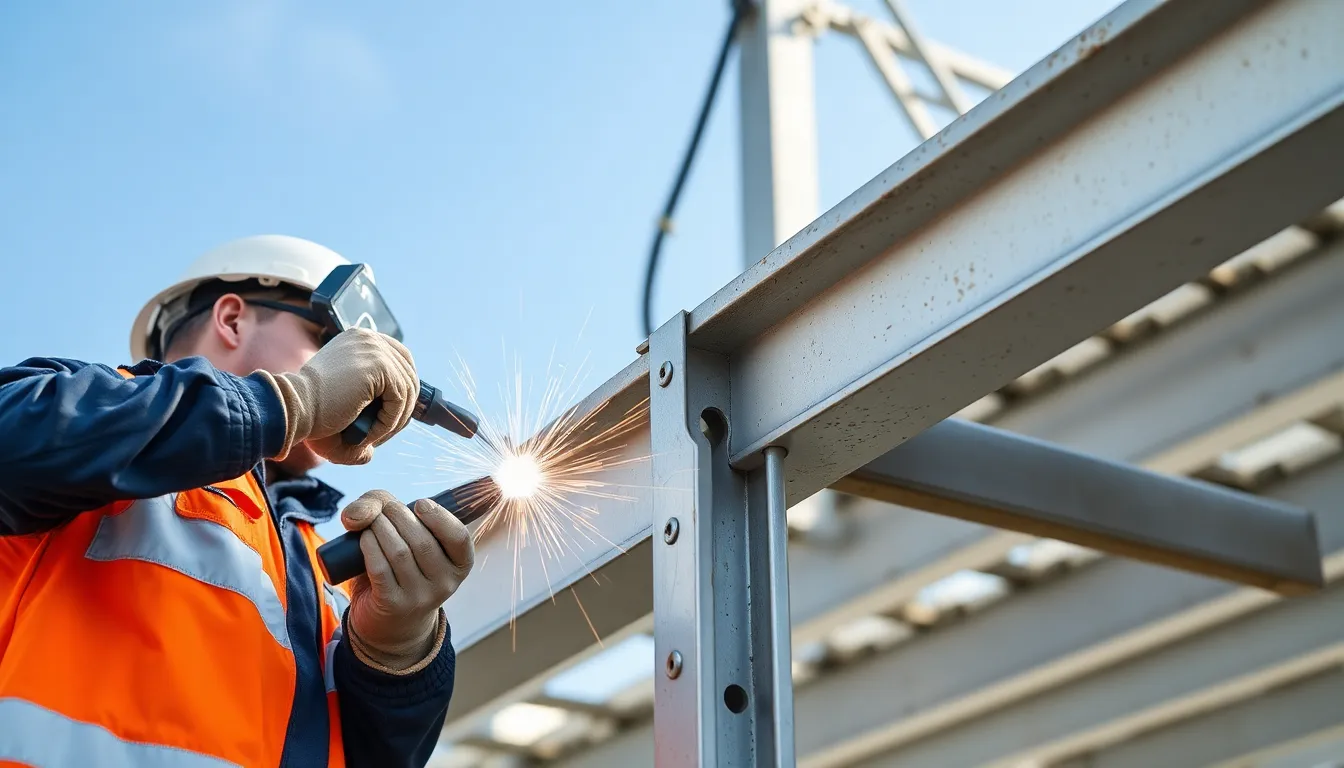
  • Field welding is done for connections that require permanent joints.
  • Inspection follows each step to ensure structural integrity.
Bolting and Welding On-Site
8

Safety During Erection

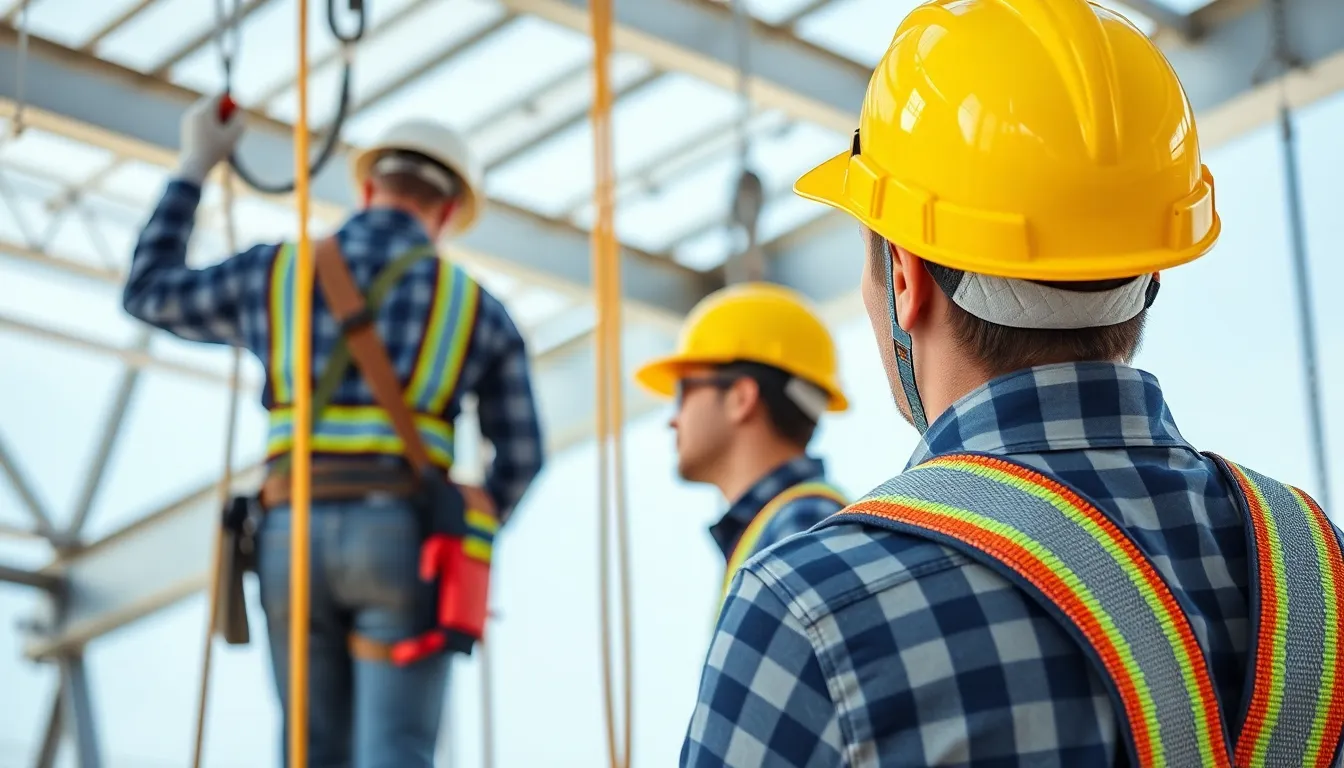
  • Fall protection systems are mandatory for workers at height.
  • Safety nets and harnesses prevent accidents during assembly.
  • Daily safety briefings are conducted to address risks.
Safety During Erection
9

Final Inspections and Testing

  • Load testing may be performed to verify structural performance.
  • Alignment checks ensure the structure meets design tolerances.
  • Documentation is submitted for regulatory approval.
Final Inspections and Testing
10

Conclusion and Key Takeaways

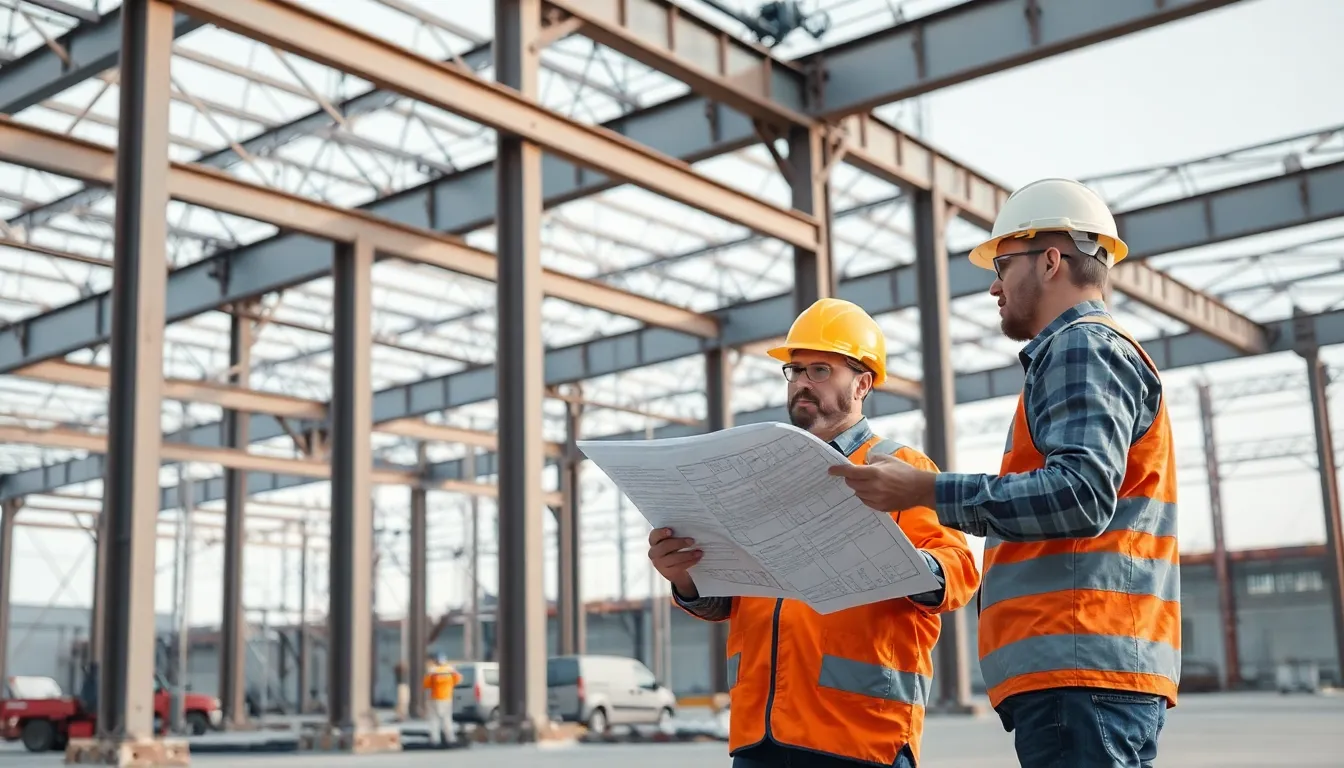
  • Steel fabrication and erection require precision and coordination.
  • Quality control and safety are paramount throughout the process.
  • Proper planning ensures efficient and durable steel structures.
Conclusion and Key Takeaways
1 / 10