Exploring Syringa vulgaris: From Traditional Remedy to Modern Therapy

📑 10 slides 👁 48 views 📅 1/22/2026
0.0 (0 ratings)

Introduction to Syringa vulgaris

Syringa vulgaris leaves hold untapped potential in modern pharmacology.

Introduction to Syringa vulgaris
2

Research Objectives

  • Define the phytochemical profile of Syringa vulgaris leaves.
  • Analyze anti-inflammatory and antioxidant mechanisms.
  • Connect historical use to contemporary scientific evidence.
  • Identify key bioactive compounds for future applications.
Research Objectives
3

Methodology

  • Integrated review of phytochemical and pharmacological studies (2013-2023).
  • Data sourced from PubMed, ScienceDirect, and Scopus.
  • Keywords included secoiridoids, oleuropein, and NF-ÎșB.
  • HPLC-MS analyses linked compounds to biological activity.
Methodology
4

Unique Chemical Profile

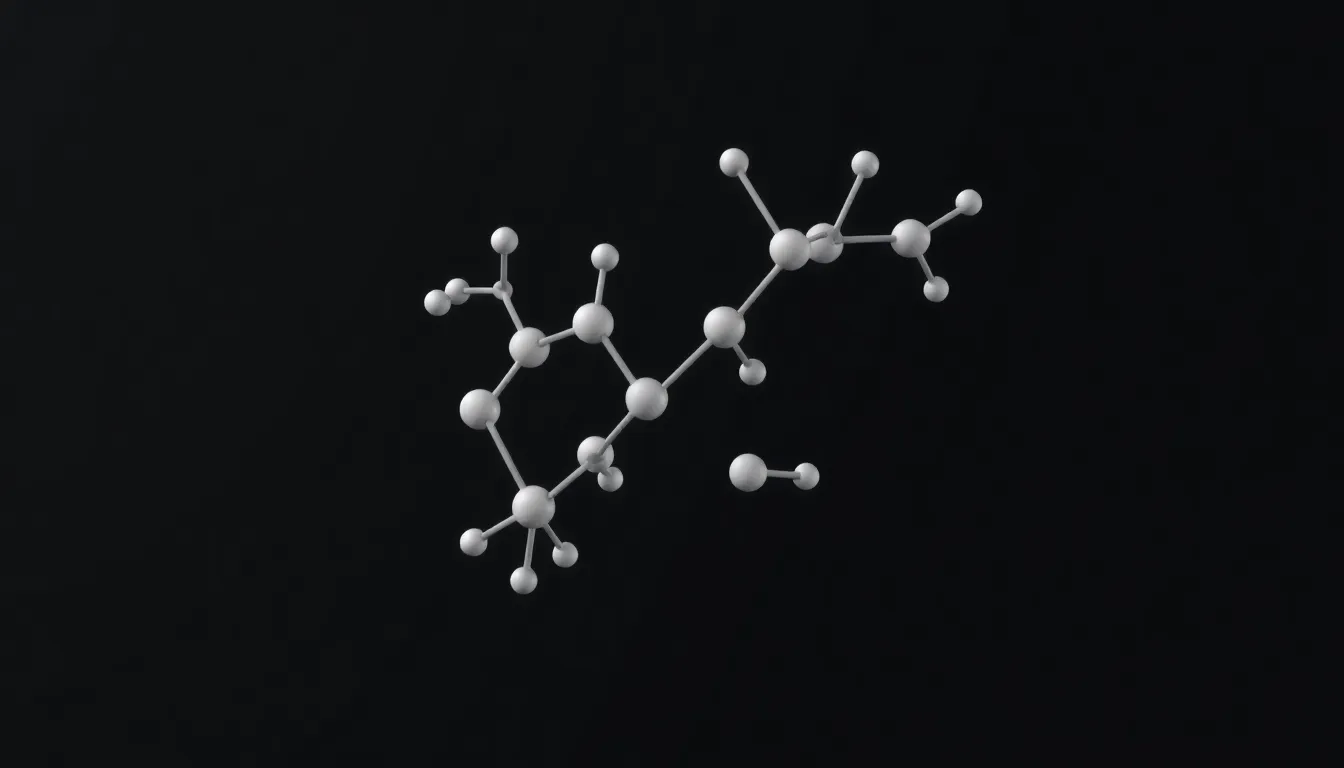
  • Rich in secoiridoids like oleuropein and demethyloleuropein.
  • Dominant phenylpropanoid: syringin, a key marker compound.
  • Supporting flavonoids such as rutin enhance bioactivity.
  • Distinct from flowers or bark, leaves offer specific benefits.
Unique Chemical Profile
5

Antioxidant Capacity

  • High phenolic content neutralizes free radicals effectively.
  • DPPH and FRAP assays confirm significant antioxidant activity.
  • Combats oxidative stress linked to chronic diseases and aging.
  • Validates traditional use in managing inflammatory conditions.
Antioxidant Capacity
6

Anti-inflammatory Effects

  • Dose-dependent suppression of ROS in immune cells.
  • Reduces Interleukin-8 (IL-8), a key inflammatory signal.
  • Modulates cellular response to inflammation.
  • Confirms mechanistic basis for ethnomedical applications.
Anti-inflammatory Effects
7

Molecular Mechanisms

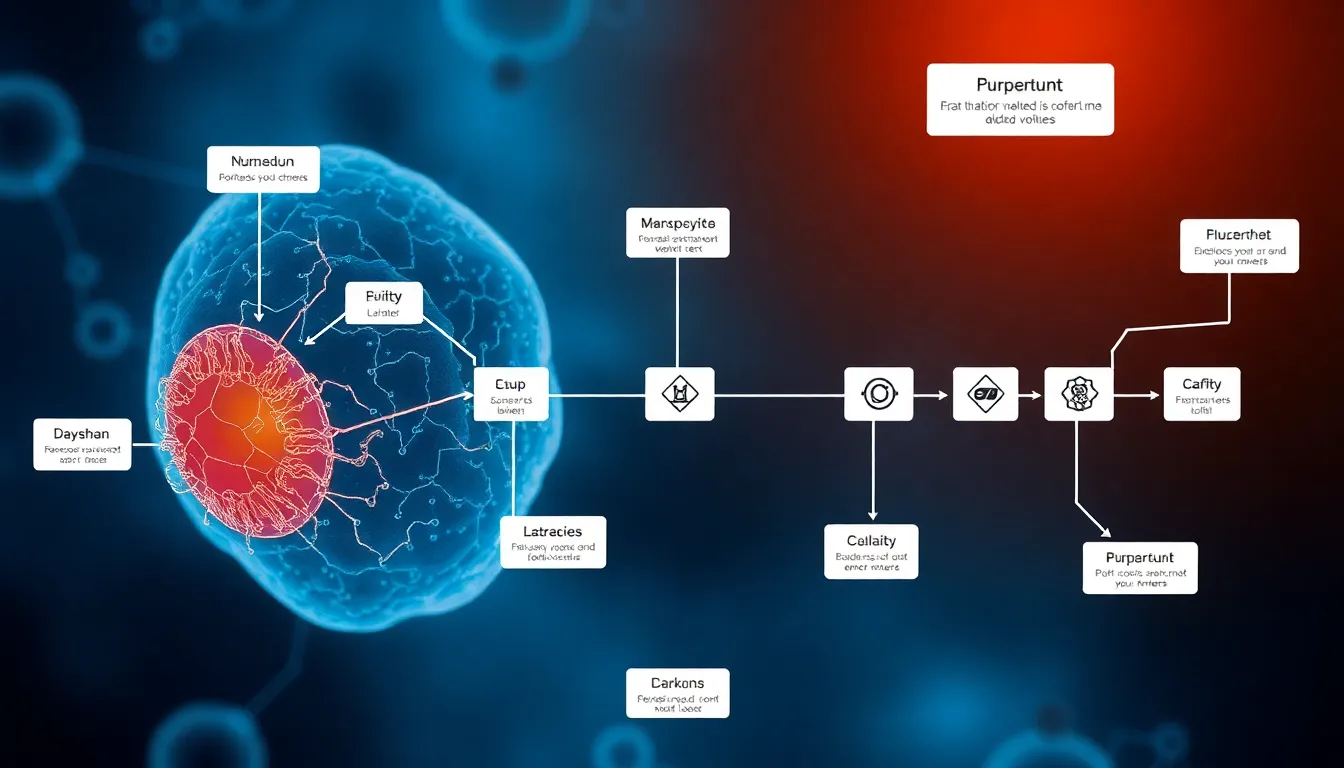
  • Oleuropein and syringin inhibit NF-ÎșB pathway activation.
  • Modulates MAPK pathways (p38, JNK) to reduce COX-2 production.
  • Dual-pathway inhibition explains anti-inflammatory effects.
  • Provides a rational basis for standardized phytopharmaceuticals.
Molecular Mechanisms
8

Potential Cytotoxic Activity

  • Preliminary evidence of dose-dependent cytotoxicity in HeLa cells.
  • Suggests induction of apoptosis via redox imbalance.
  • Highlights potential for future cancer research.
  • Requires dedicated studies to explore therapeutic implications.
Potential Cytotoxic Activity
9

Key Findings

  • Validated traditional uses with modern scientific evidence.
  • Identified oleuropein and syringin as bioactive principals.
  • Elucidated dual inhibition of NF-ÎșB and MAPK pathways.
  • Noted cytotoxic potential for further exploration.
Key Findings
10

Next Steps

  • Conduct toxicological studies in animal models.
  • Perform pharmacokinetic analysis of key compounds.
  • Validate efficacy in chronic inflammation models like arthritis.
  • Develop standardized phytopharmaceutical or nutraceutical preparations.
Next Steps
1 / 10