Errors in DNA Replication

๐Ÿ“‘ 5 slides ๐Ÿ‘ 15 views ๐Ÿ“… 2/10/2026
0.0 (0 ratings)

Introduction to DNA Replication Errors

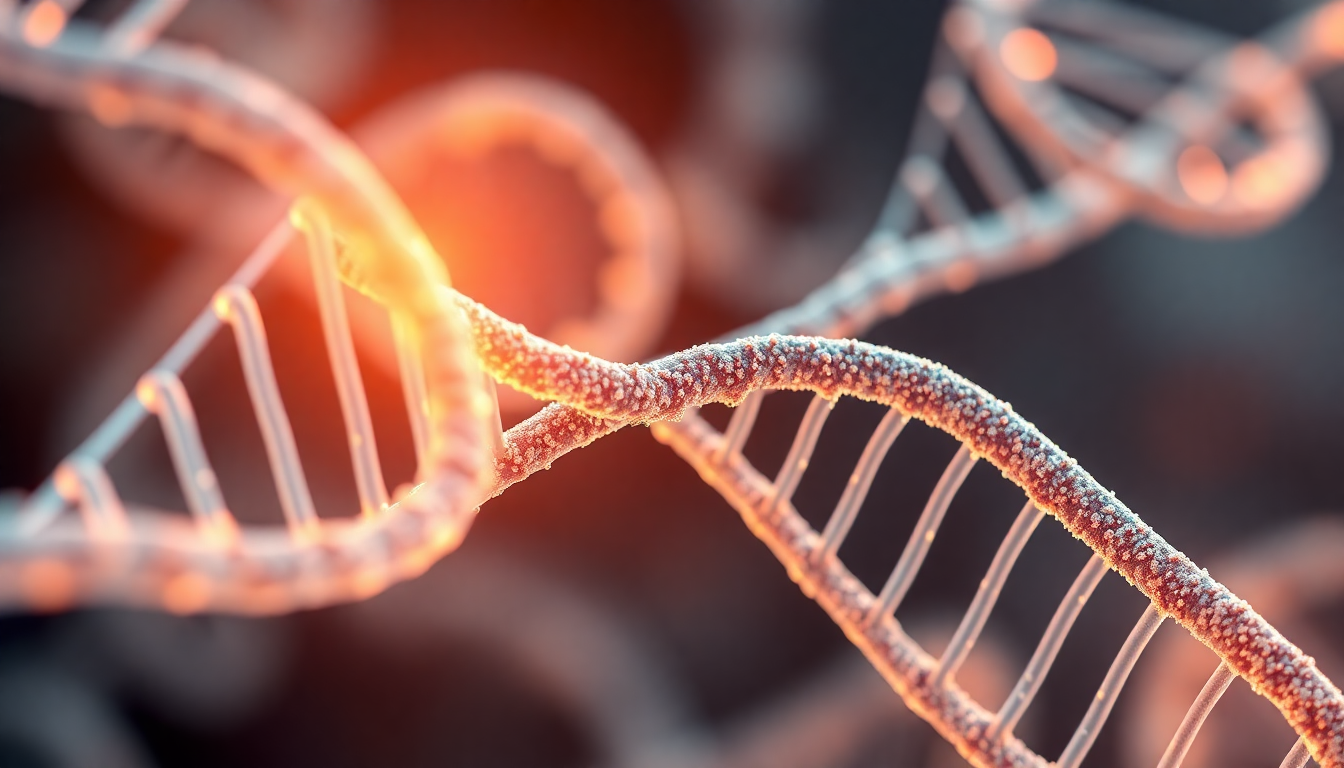
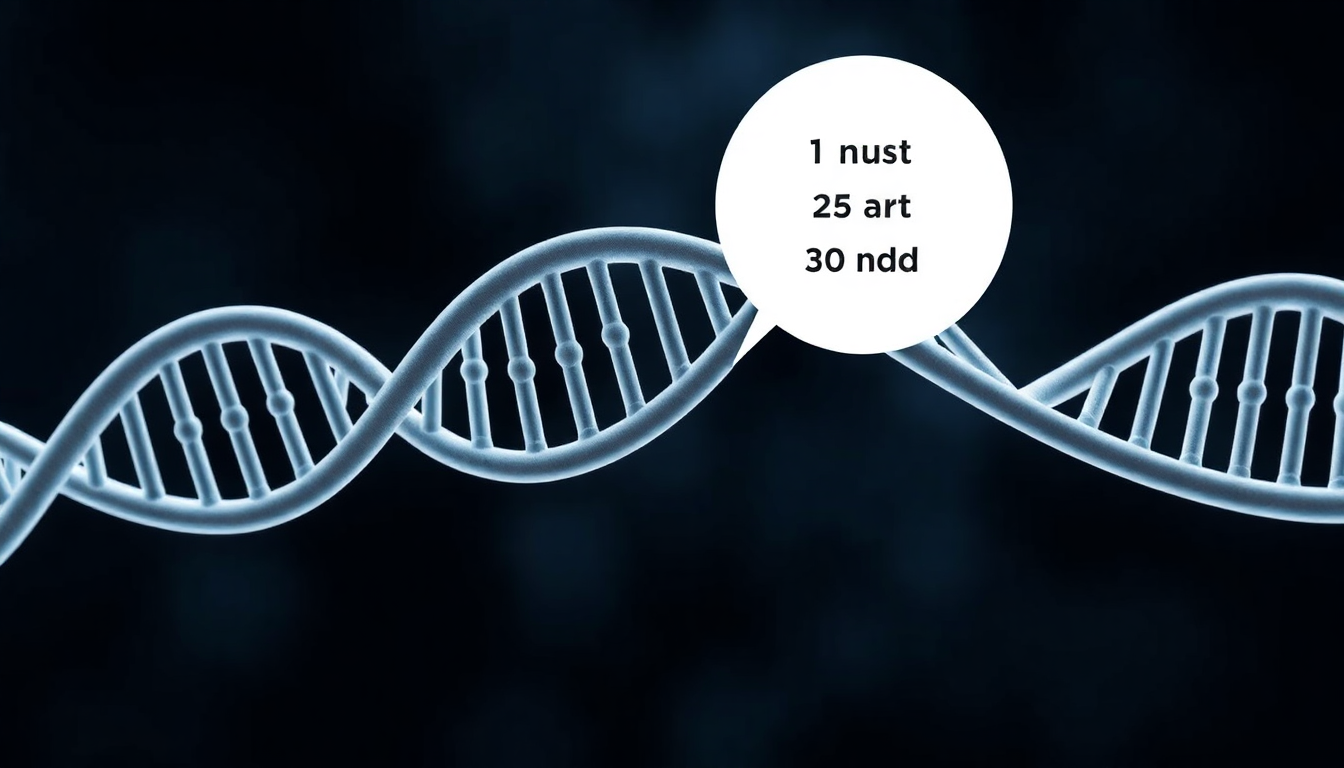
DNA replication is highly accurate but not perfect, with errors occurring roughly once per billion base pairs.

Introduction to DNA Replication Errors
2

Common Types of Replication Errors

  • Mismatches: Incorrect base pairing, e.g., A with C instead of T, due to polymerase mistakes.
  • Insertions/deletions: Extra or missing nucleotides, often from strand slippage in repetitive regions.
  • Tautomeric shifts: Rare base forms causing mispairing, corrected by proofreading enzymes.
Common Types of Replication Errors
3

Causes of Replication Errors

  • Polymerase inaccuracies: DNA pol III makes ~1 error per 100,000 bases; proofreading reduces this.
  • Environmental factors: UV light or chemicals damage DNA, increasing error rates during repair.
  • Replication stress: Fast division or limited nucleotides force errors in cancer cells.
Causes of Replication Errors
4

Consequences of Unrepaired Errors

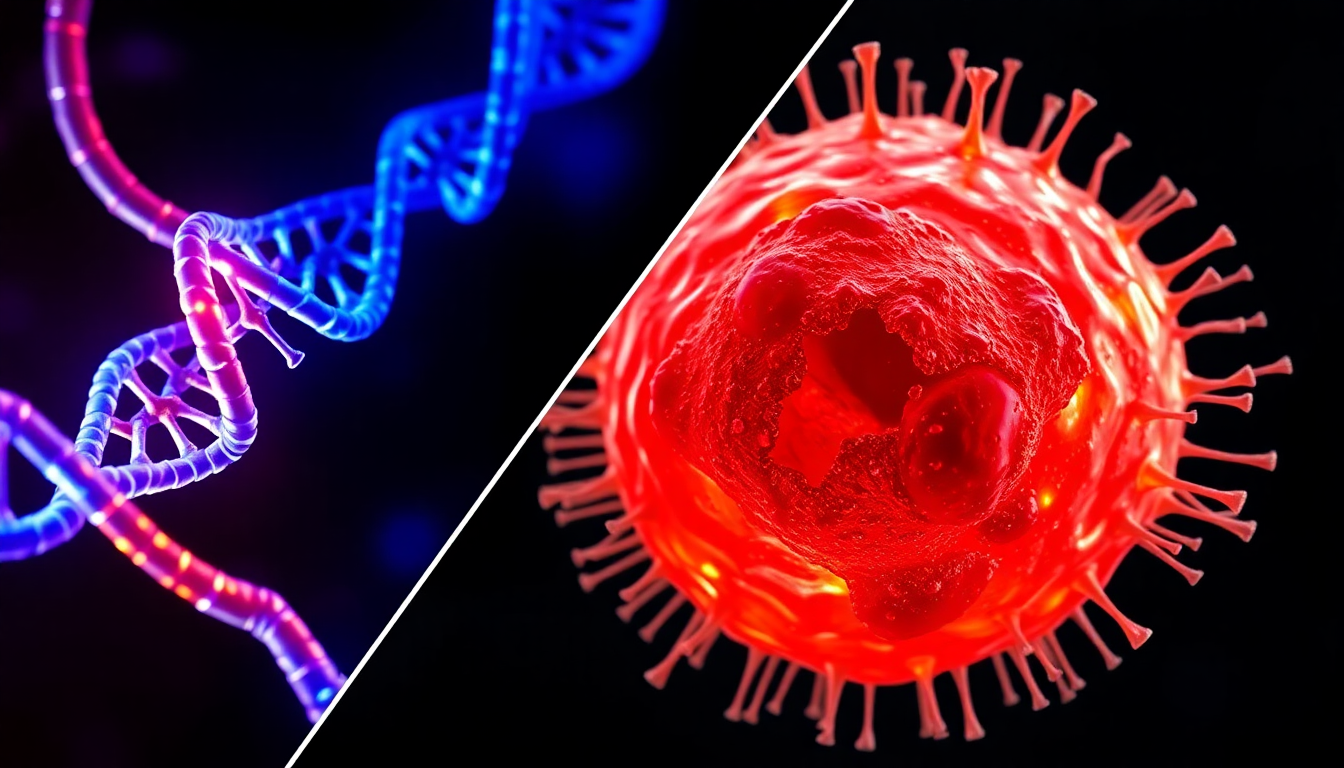
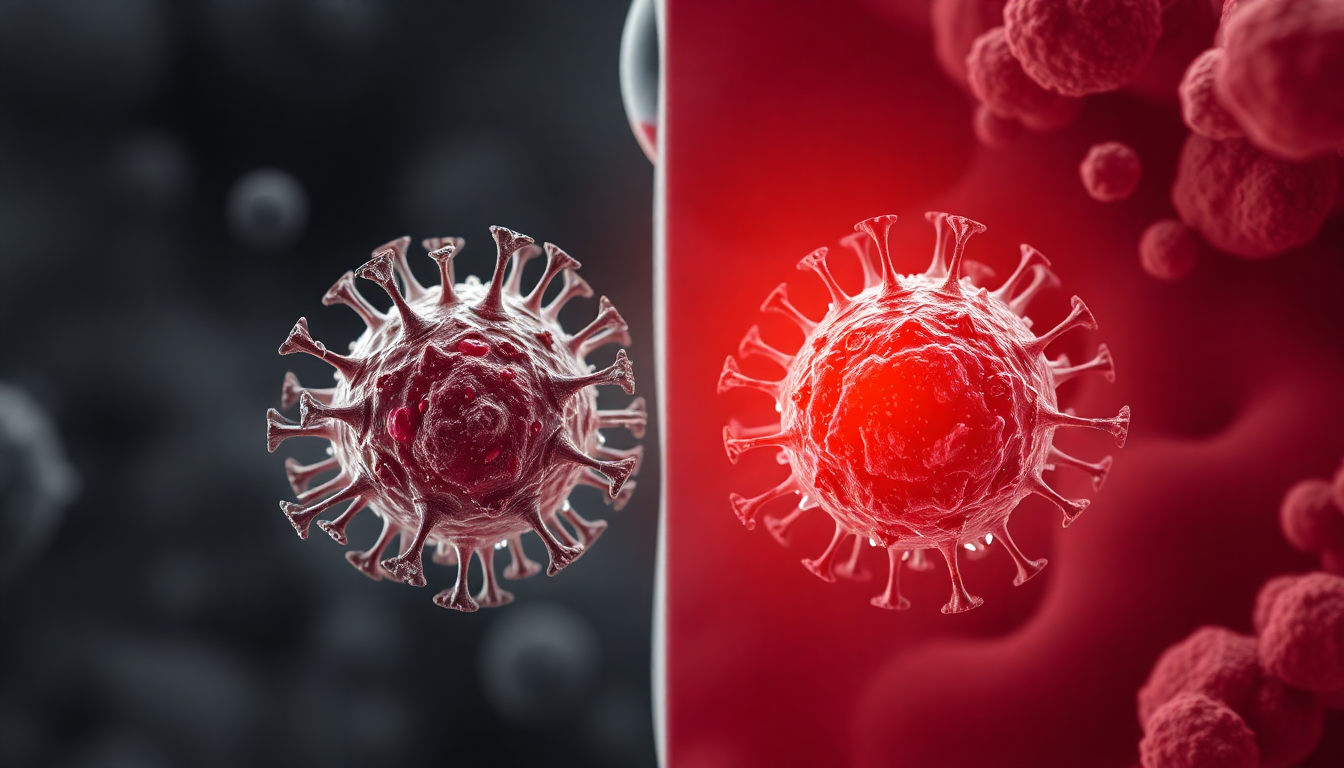
  • Cancer: Mutations in oncogenes or tumor suppressors drive uncontrolled cell growth.
  • Genetic disorders: Germline errors cause diseases like cystic fibrosis or sickle cell anemia.
  • Evolution: Beneficial mutations accumulate, driving species adaptation over generations.
Consequences of Unrepaired Errors
5

Conclusion & Key Takeaways

  • DNA errors are rare but inevitable, with repair systems catching most mistakes.
  • Unrepaired errors drive diseases and evolution, highlighting replicationโ€™s dual role.
  • Research on error mechanisms aids cancer treatments and genetic engineering advances.
Conclusion & Key Takeaways
1 / 5