Ego-Disintegration and Brodmann Area 39

📑 10 slides 👁 31 views 📅 1/27/2026
0.0 (0 ratings)

Introduction to Ego-Disintegration

Ego-disintegration refers to the breakdown of self-identity, often linked to mental health conditions.

Introduction to Ego-Disintegration
2

What is Brodmann Area 39?

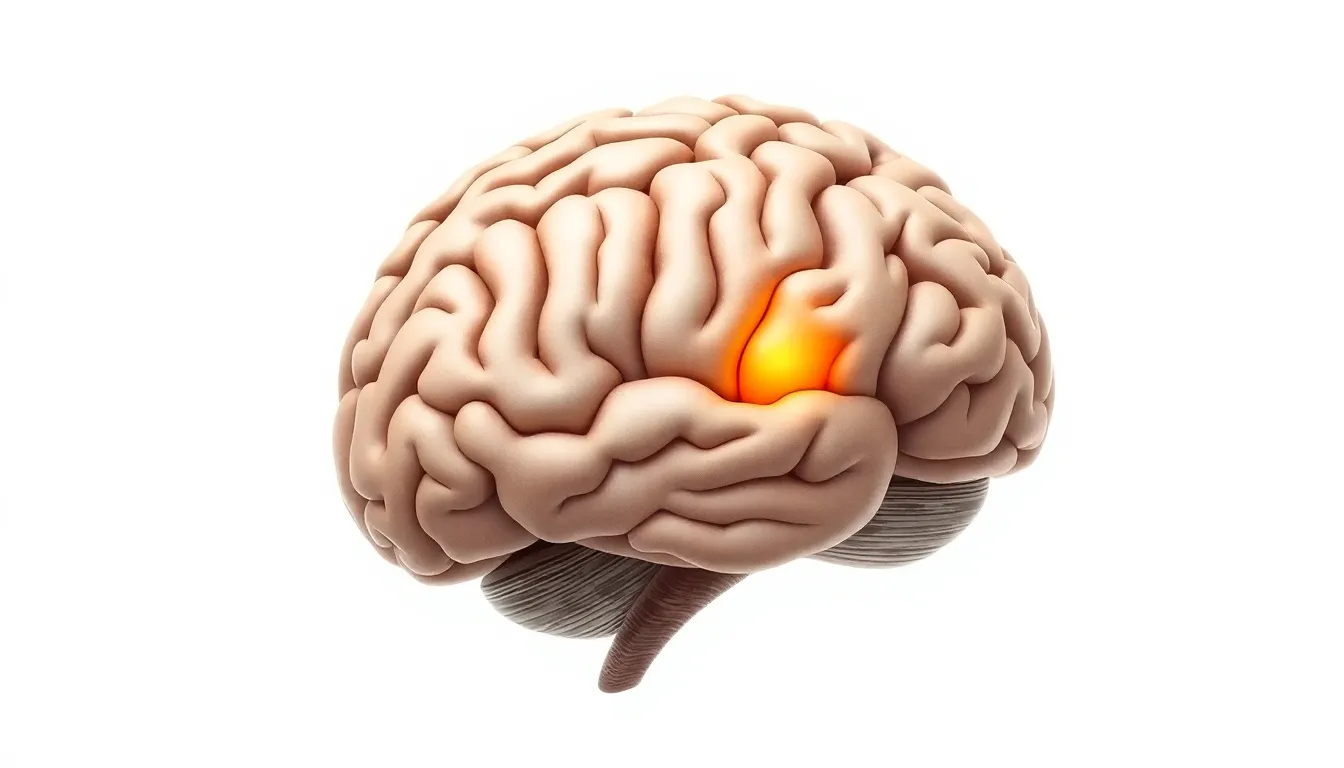
  • Brodmann Area 39, also known as the angular gyrus, is located in the parietal lobe.
  • It is involved in language processing, number processing, and spatial cognition.
  • Damage to this area can lead to Gerstmann syndrome, affecting writing and math skills.
  • Functional MRI studies show its activation during self-referential tasks.
What is Brodmann Area 39?
3

Ego-Disintegration Explained

  • Ego-disintegration involves loss of self-coherence, common in schizophrenia and psychedelic experiences.
  • Symptoms include depersonalization, derealization, and fragmented thought processes.
  • Neuroimaging links it to altered activity in default mode network regions.
  • It can be temporary or chronic, depending on underlying causes.
Ego-Disintegration Explained
4

Neurological Basis of Ego

  • The ego is supported by interconnected brain regions, including the prefrontal cortex and parietal lobe.
  • Brodmann Area 39 integrates sensory information to maintain self-awareness.
  • Disruptions in this area can lead to distorted self-perception and reality testing.
  • Studies show reduced gray matter in BA39 in patients with ego-disturbances.
Neurological Basis of Ego
5

Clinical Cases and Research

  • Case studies of stroke patients with BA39 damage show ego-fragmentation symptoms.
  • Psychedelic research reveals temporary ego-disintegration linked to BA39 hyperactivity.
  • Schizophrenia patients often exhibit structural abnormalities in BA39.
  • Transcranial magnetic stimulation of BA39 can induce ego-altering experiences.
Clinical Cases and Research
6

Psychological Theories

  • Psychodynamic theory views ego-disintegration as a regression to primitive mental states.
  • Cognitive neuroscience links it to failed integration of self-related information.
  • Some theories suggest BA39 acts as a 'self-other' discriminator in the brain.
  • Mindfulness practices may strengthen BA39 connectivity to prevent disintegration.
Psychological Theories
7

Technological Advances

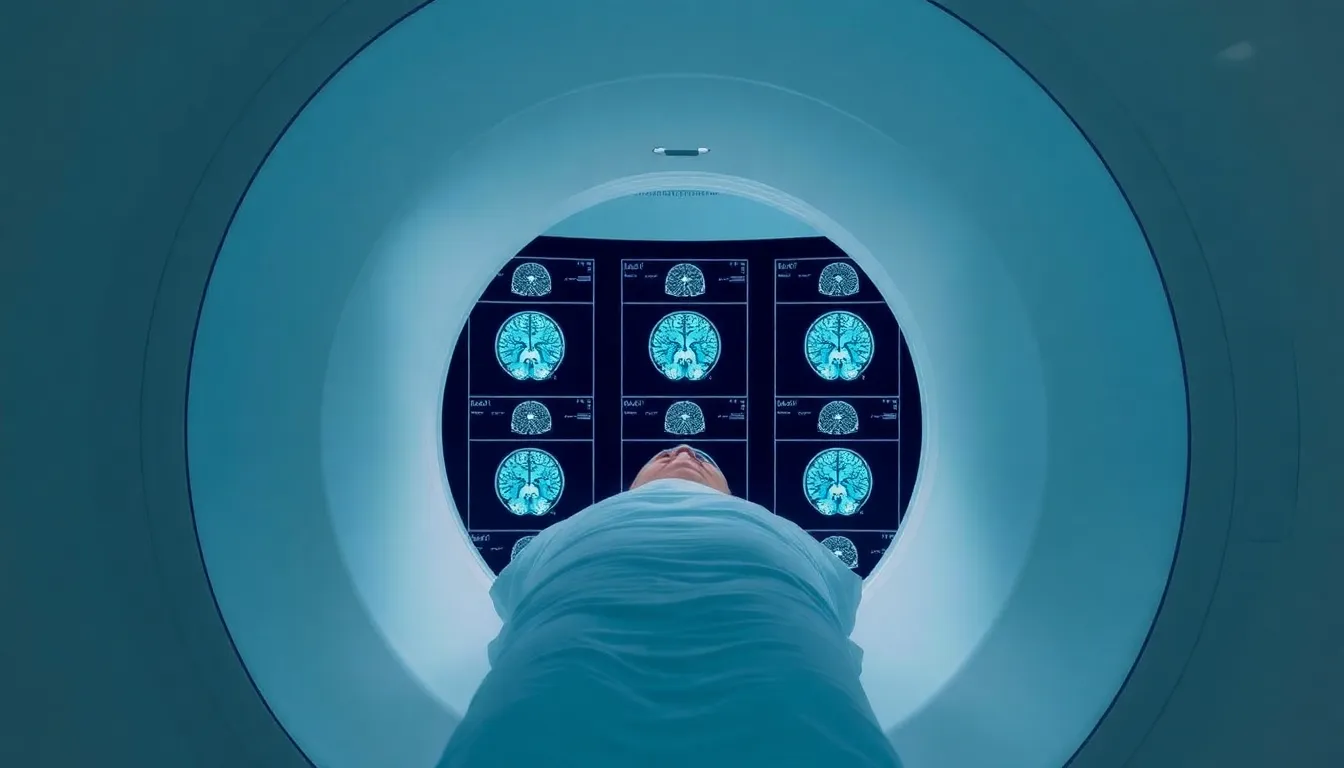
  • fMRI and PET scans allow real-time observation of BA39 activity during ego-states.
  • AI models simulate ego-disintegration by mimicking BA39 dysfunction.
  • Virtual reality experiments test ego-boundaries by manipulating spatial perception.
  • Neurofeedback training shows promise in stabilizing BA39 function.
Technological Advances
8

Treatment Approaches

  • Antipsychotic medications can reduce ego-disintegration symptoms by normalizing BA39 activity.
  • Cognitive behavioral therapy helps patients reintegrate fragmented self-perceptions.
  • Transcranial direct current stimulation shows potential for BA39 modulation.
  • Future treatments may include targeted neuroplasticity exercises for BA39.
Treatment Approaches
9

Future Research Directions

  • Longitudinal studies needed on BA39 development and ego-stability across lifespan.
  • Psychedelic-assisted therapy research explores controlled ego-disintegration benefits.
  • Genetic studies investigate predisposition to BA39-related ego disturbances.
  • Advanced neuroimaging may reveal finer details of BA39's role in consciousness.
Future Research Directions
10

Conclusion and Summary

  • Brodmann Area 39 is crucial for maintaining coherent self-identity and ego integrity.
  • Ego-disintegration arises from BA39 dysfunction, with various neurological and psychological causes.
  • Understanding this relationship improves treatment for related mental health conditions.
  • Future research promises deeper insights into the biology of self-awareness.
Conclusion and Summary
1 / 10