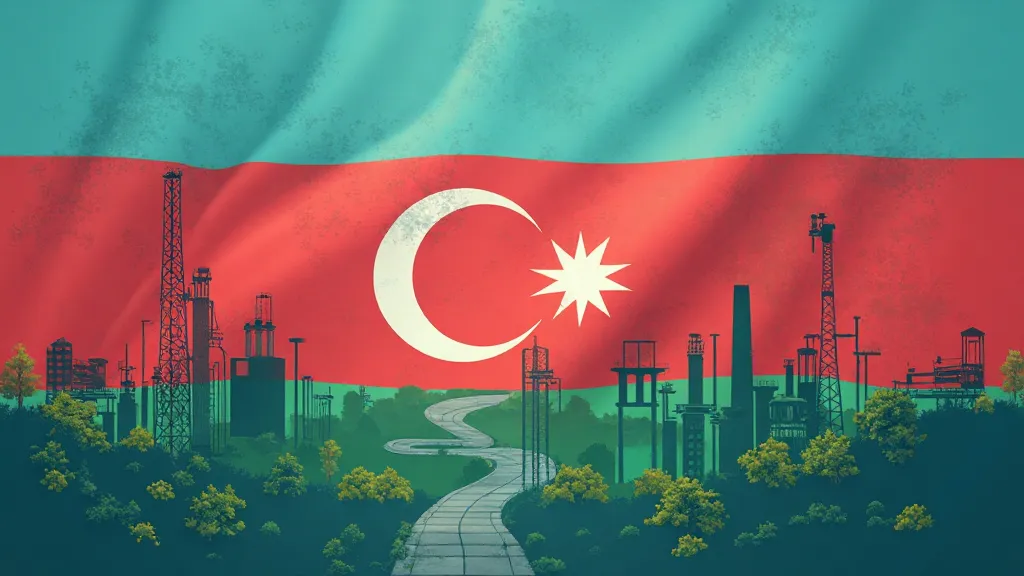
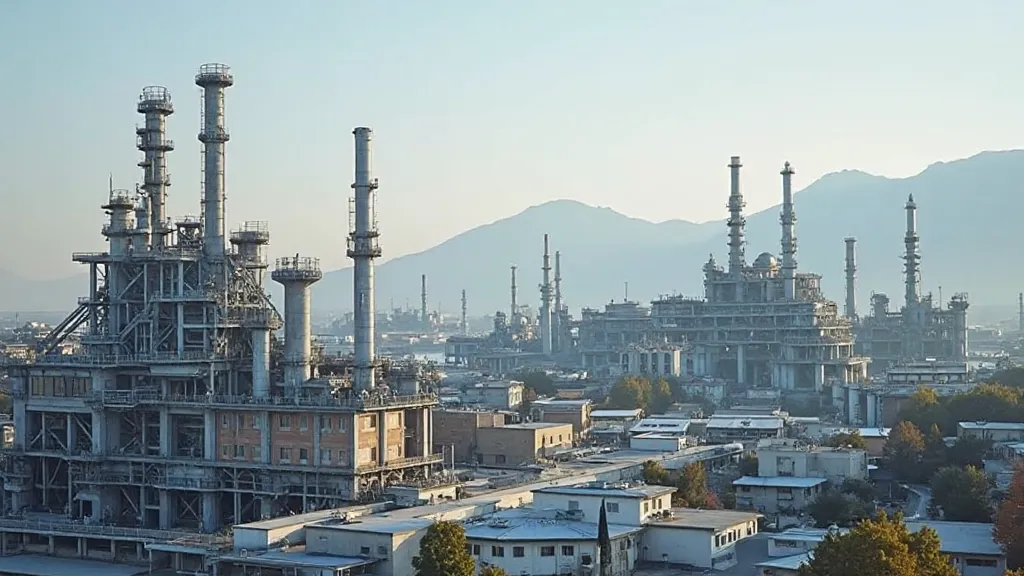
Azerbaijan's economy has been shaped by its oil and gas resources
2
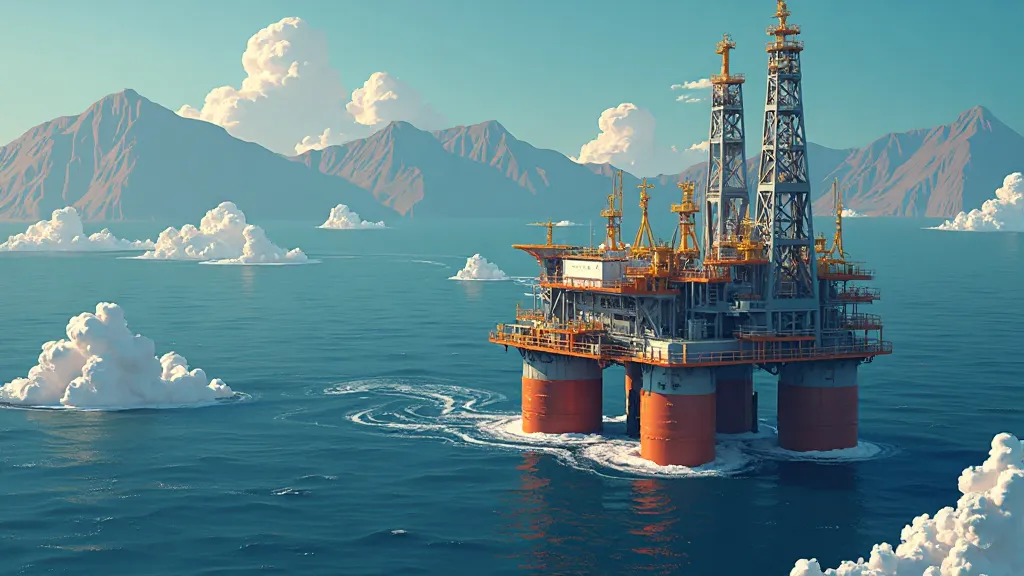
Oil and Gas Industry
Azerbaijan is a leading caviar producer and exporter
The country has invested heavily in the oil sector with major international oil companies
3
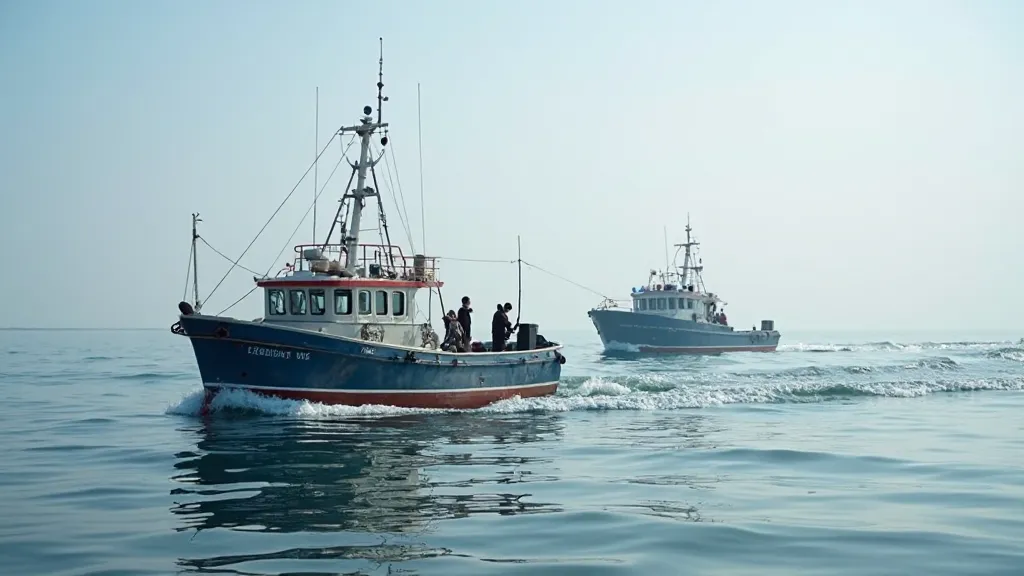
Fishing Industry
Azerbaijan's fishing industry is concentrated on the dwindling stocks of sturgeon and beluga in the Caspian Sea
4
Economic Reforms
Azerbaijan has begun making progress on economic reform
The country has made efforts to replace old economic ties and structures
5
Challenges and Opportunities
The continuing conflict with Armenia over the Nagorno-Karabakh region has been an obstacle to economic progress
Azerbaijan has the potential to become a major player in the global energy market
6
International Trade
Azerbaijan has entered into the top eight biggest oil suppliers to EU countries
The country has agreed to boost mutual trade with Turkey to US$15 billion by 2023
7
Economic Performance
Azerbaijan's economic performance after the Soviet breakup has been predicted to make it the 'Tiger of Caucasus'
The country's economic growth has been driven by its oil and gas industry
8
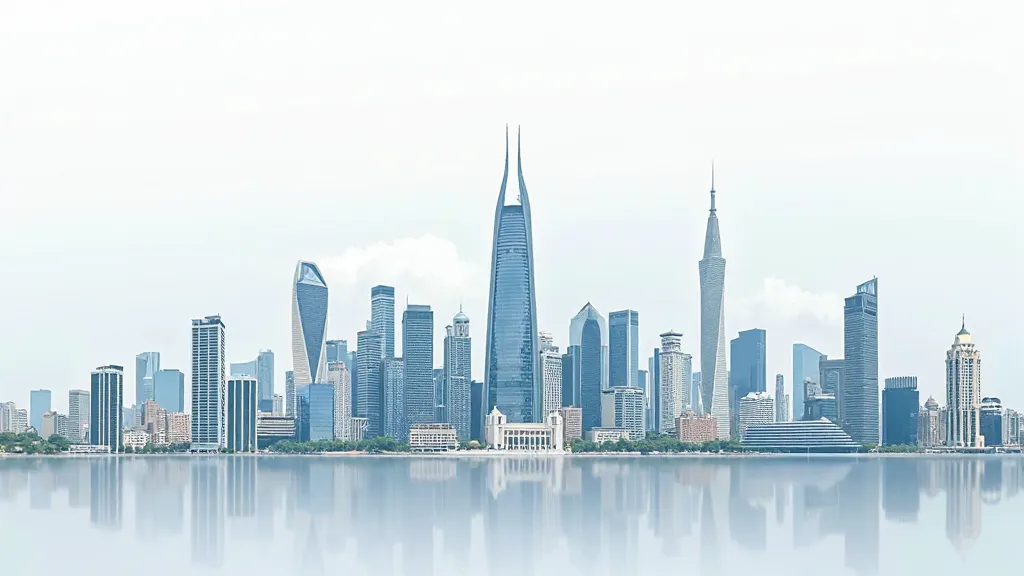
Gamma-level Global City
Baku has been ranked as a Gamma-level global city by the Globalization and World Cities Research Network
9
Conclusion
Azerbaijan's economic history has been shaped by its natural resources and its efforts to diversify its economy
The country has the potential to become a major player in the global energy market
10
Conclusion
More details about Economic history of Azerbaijan
Main article: Economic history of Azerbaijan
Republic era
Oil and gas are the most prominent products of Azerbaijan's economy. More than $60 billion was invested into Azerbaijan's oil sector by major international oil companies in AIOC consortium operated by BP. Oil production under the first of these production sharing agreements (PSAs), with the Azerbaijan International Operating Company, began in November 1997 and was about 500,000 barrels per day in 2006. People visit petroleum spas (or "oil spas") to bathe in the local crude in Naftalan.[31] A leading caviar producer and exporter in the past, Azerbaijan's fishing industry today is concentrated on the dwindling stocks of sturgeon and beluga in the Caspian Sea.
Azerbaijan shares all the problems of the former Soviet republics in making the transition from a command to a market economy, but its energy resources brighten its long-term prospects. Azerbaijan has begun making progress on economic reform, and old economic ties and structures are slowly being replaced. An obstacle to economic progress, including foreign investment, is the continuing conflict with Armenia over the Nagorno-Karabakh region.[32]
In 1992 Azerbaijan became a member of the Economic Cooperation Organization.[33] In 2002, the Azerbaijani merchant marine had 54 ships.[34]
In 2010 Azerbaijan entered into the top eight biggest oil suppliers to EU countries with €9.46 billion.[35] In 2011, the amount of foreign investments in Azerbaijan was $20 billion, a 61% increase from 2010. According to Minister of Economic Development of Azerbaijan, Shahin Mustafayev, in 2011, "$15.7 billion was invested in the non-oil sector, while the rest – in the oil sector".[36]
Azerbaijani exports in 2006
In 2012, because of its economic performance after the Soviet breakup, Azerbaijan was predicted to become "Tiger of Caucasus".[37][38][39] In 2012, Globalization and World Cities Research Network study ranked Baku as a Gamma-level global city.[40]
In 2015, Turkey and Azerbaijan agreed to boost mutual trade to US$15 billion by 2023.[41]
create slides about this