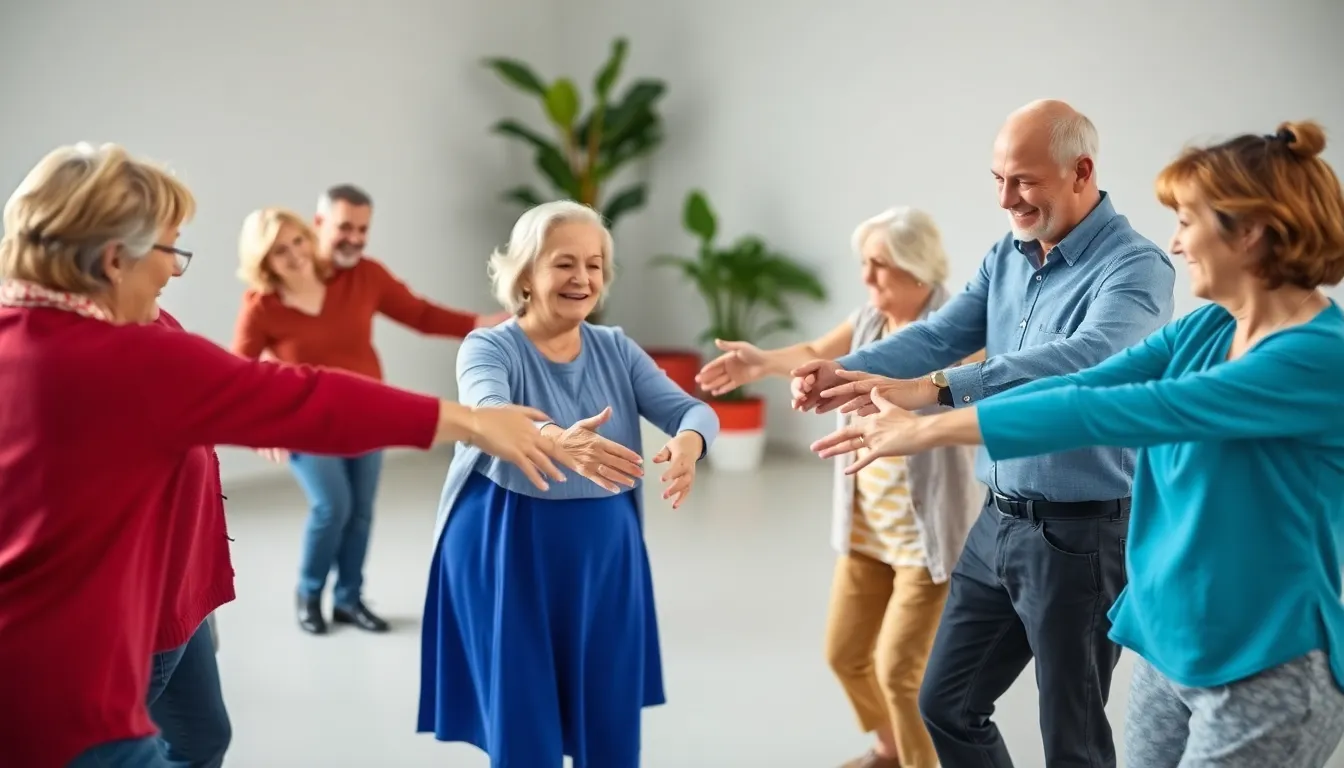
The Art of Dancing

📑 10 slides 👁 35 views 📅 1/29/2026
0.0 (0 ratings)

Introduction to Dancing

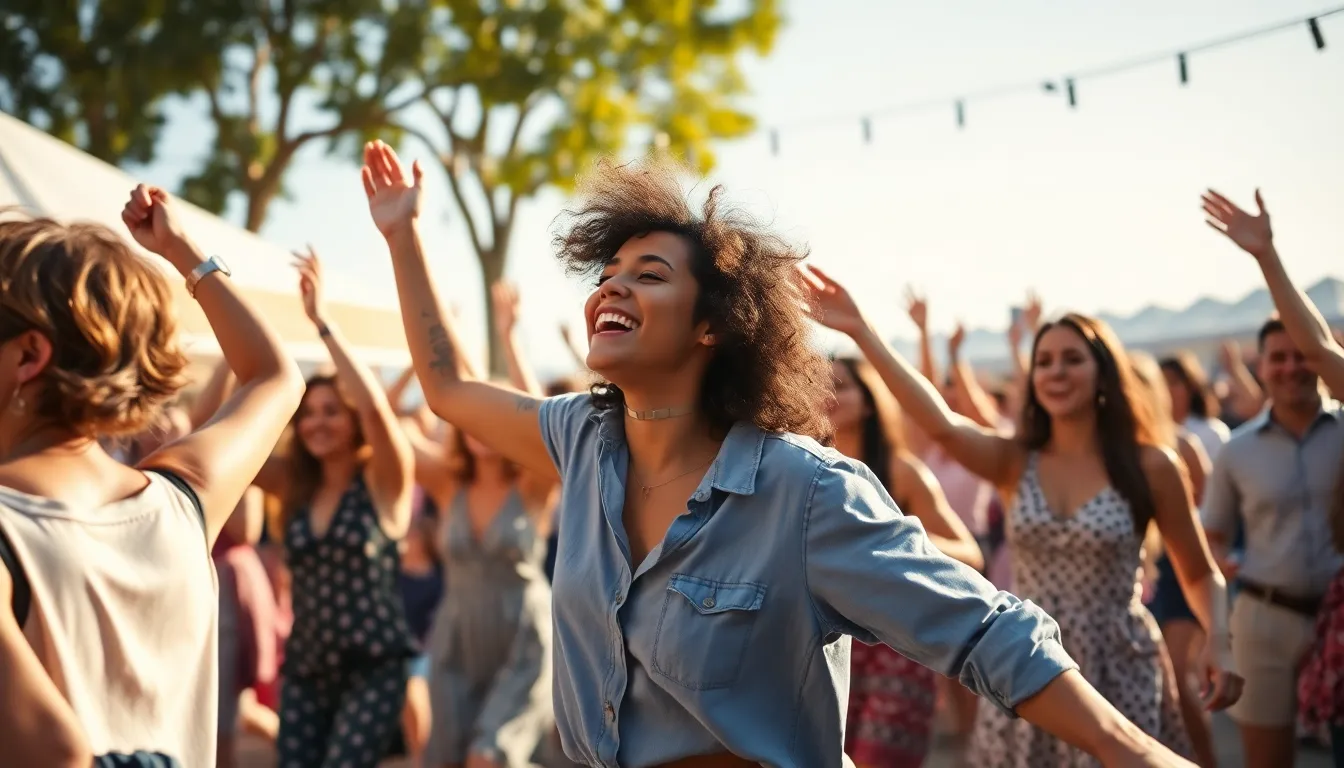
Dancing is a universal form of expression found in every culture.

Introduction to Dancing
2

History of Dance

  • Evidence of dance dates back to 9000-year-old cave paintings in India.
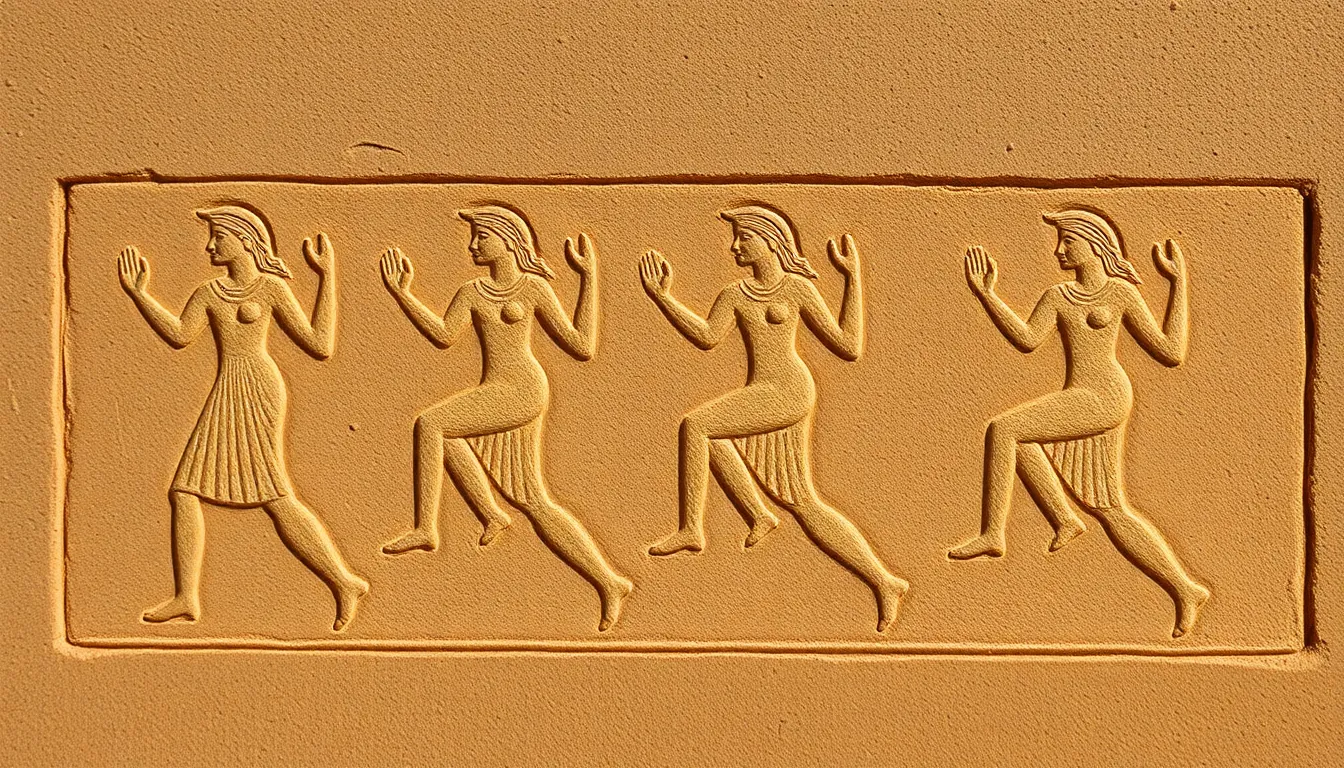
  • Ancient Egyptians used dance in religious ceremonies and celebrations.
  • Ballet originated in the Italian Renaissance courts of the 15th century.
  • Modern dance emerged in the late 19th century as a rebellion against ballet.
History of Dance
3

Popular Dance Styles

  • Ballet: Formalized technique with specific positions and French terminology.
  • Hip-hop: Street dance style that emerged in 1970s New York City.
  • Salsa: Energetic partner dance originating from Cuban son music.
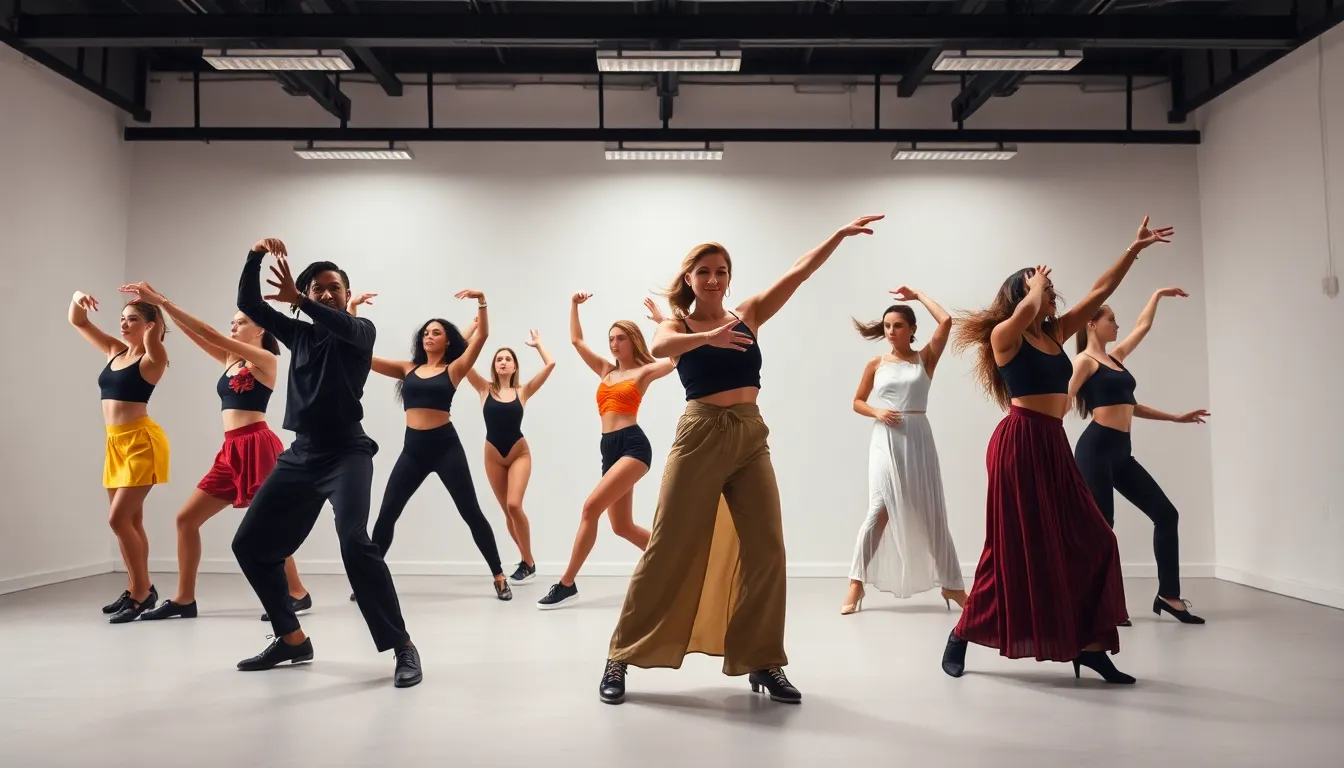
  • Contemporary: Fluid style blending ballet, modern, and jazz techniques.
Popular Dance Styles
4

Cultural Dances

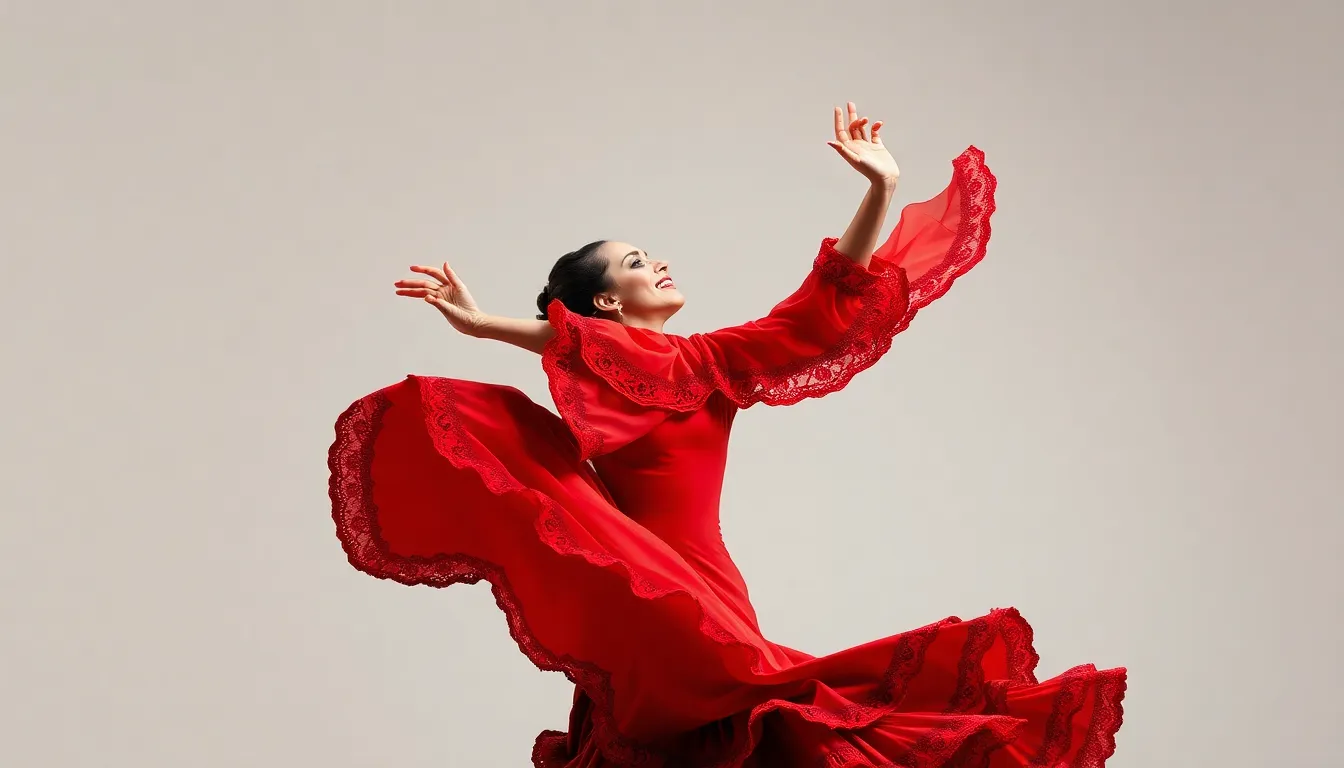
  • Flamenco: Passionate Spanish art form combining dance, guitar, and song.
  • Hula: Traditional Hawaiian dance that preserves stories and history.
  • Kathak: Classical Indian dance featuring intricate footwork and spins.
  • Capoeira: Brazilian martial art that incorporates dance and acrobatics.
Cultural Dances
5

Dance as Exercise

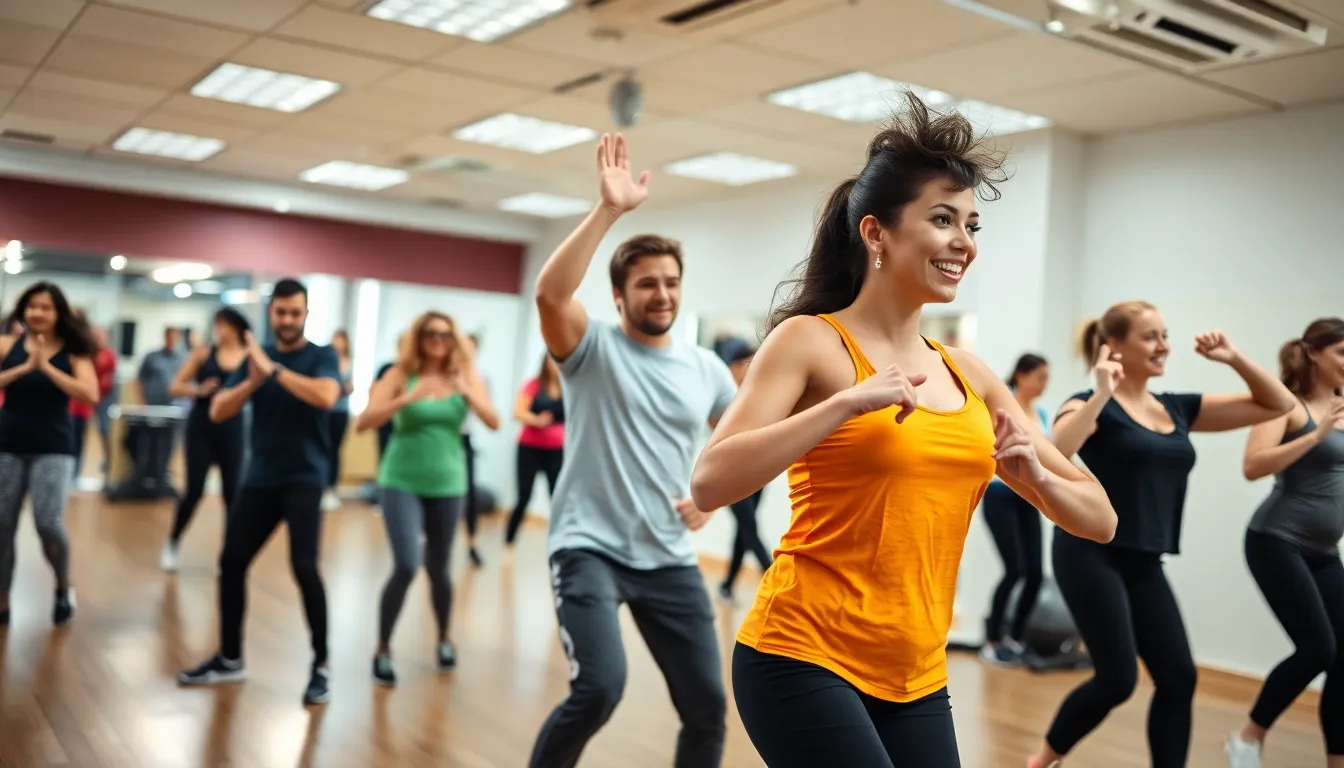
  • Zumba burns 400-600 calories per hour while improving coordination.
  • Ballet strengthens core muscles and improves posture alignment.
  • Swing dancing provides cardiovascular benefits similar to jogging.
  • Professional dancers often have the endurance of athletes.
Dance as Exercise
6

Dance and Mental Health

  • Dancing reduces stress by releasing endorphins, the body's natural painkillers.
  • Group dancing builds social connections and combats loneliness.
  • Movement therapy helps process trauma through nonverbal expression.
  • Learning choreography improves memory and cognitive flexibility.
Dance and Mental Health
7

Competitive Dancing

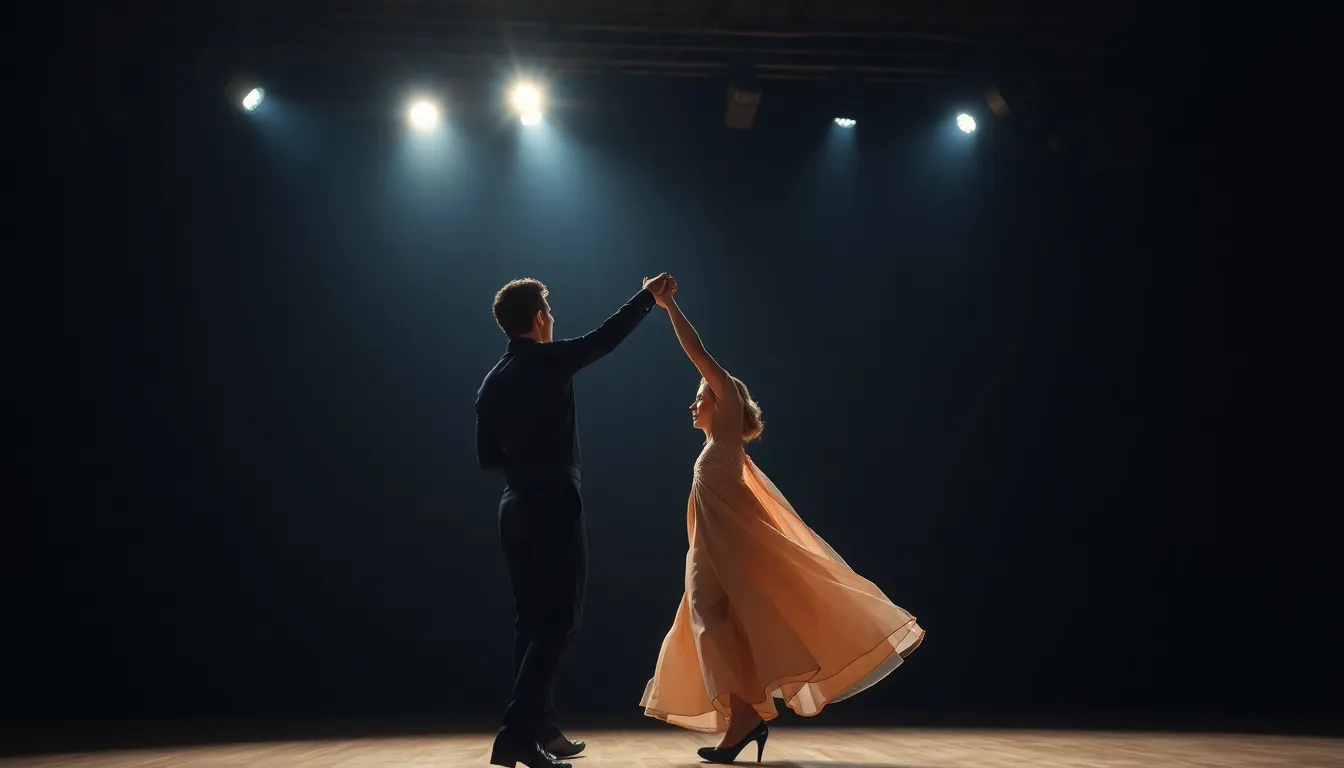
  • Ballroom competitions judge technique, musicality, and presentation.
  • Breakdancing battles feature acrobatic moves and creative improvisation.
  • DanceSport became an Olympic recognized sport in 1997.
  • TV shows like 'Dancing with the Stars' have popularized competitive dance.
Competitive Dancing
8

Dance in Technology

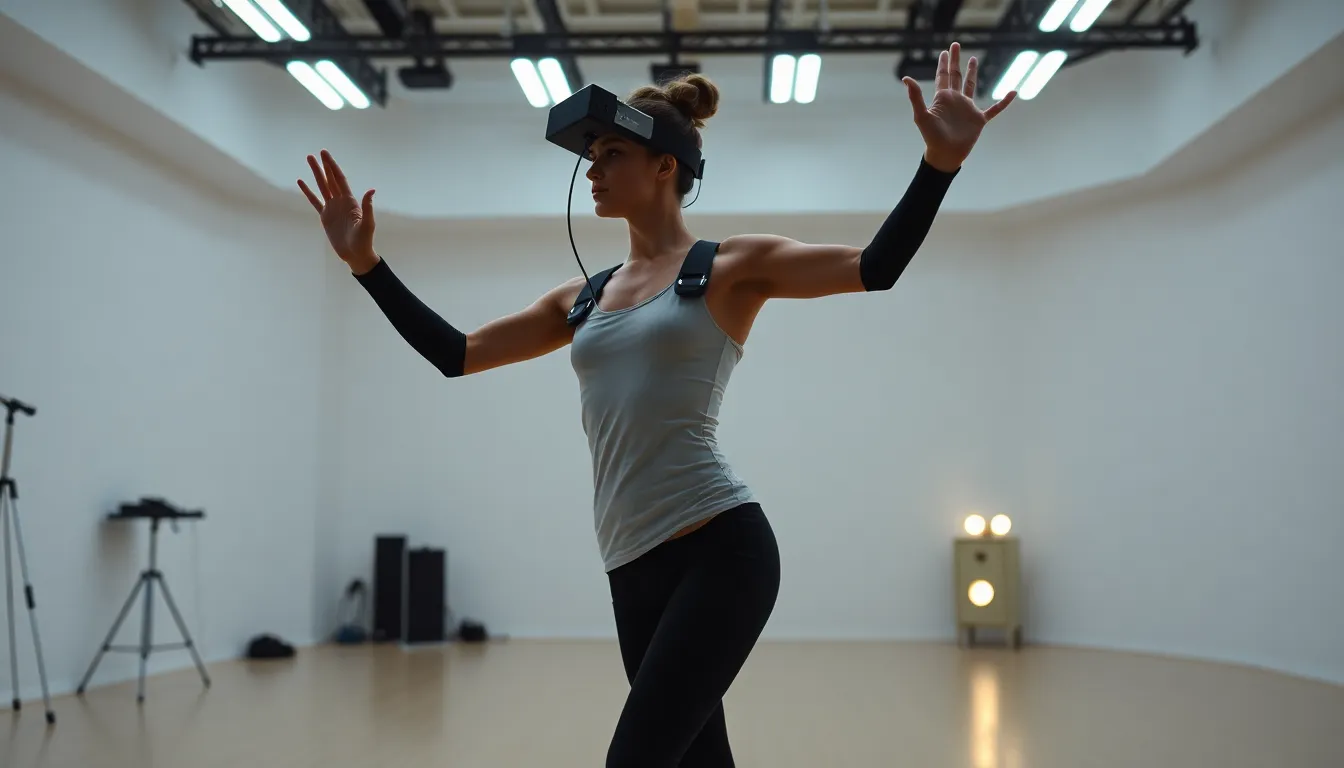
  • Motion capture suits digitize dancers' movements for animation.
  • VR dance games like Beat Saber combine gaming with physical activity.
  • AI choreography tools help create innovative movement sequences.
  • LED dance floors respond dynamically to dancers' movements.
Dance in Technology
9

Famous Dancers & Influence

  • Martha Graham revolutionized modern dance with contraction/release technique.
  • Michael Jackson popularized moonwalk and influenced pop dance globally.
  • Misty Copeland broke barriers as first African American principal at ABT.
  • Isadora Duncan pioneered free-flowing movements rejecting rigid ballet.
Famous Dancers & Influence
10

Conclusion: Why We Dance

  • Dancing connects us to culture, history, and our own bodies.
  • It offers physical health benefits while boosting mental wellbeing.
  • Available to all ages and abilities as both art and recreation.
  • Continues evolving while preserving traditional forms worldwide.
Conclusion: Why We Dance
1 / 10