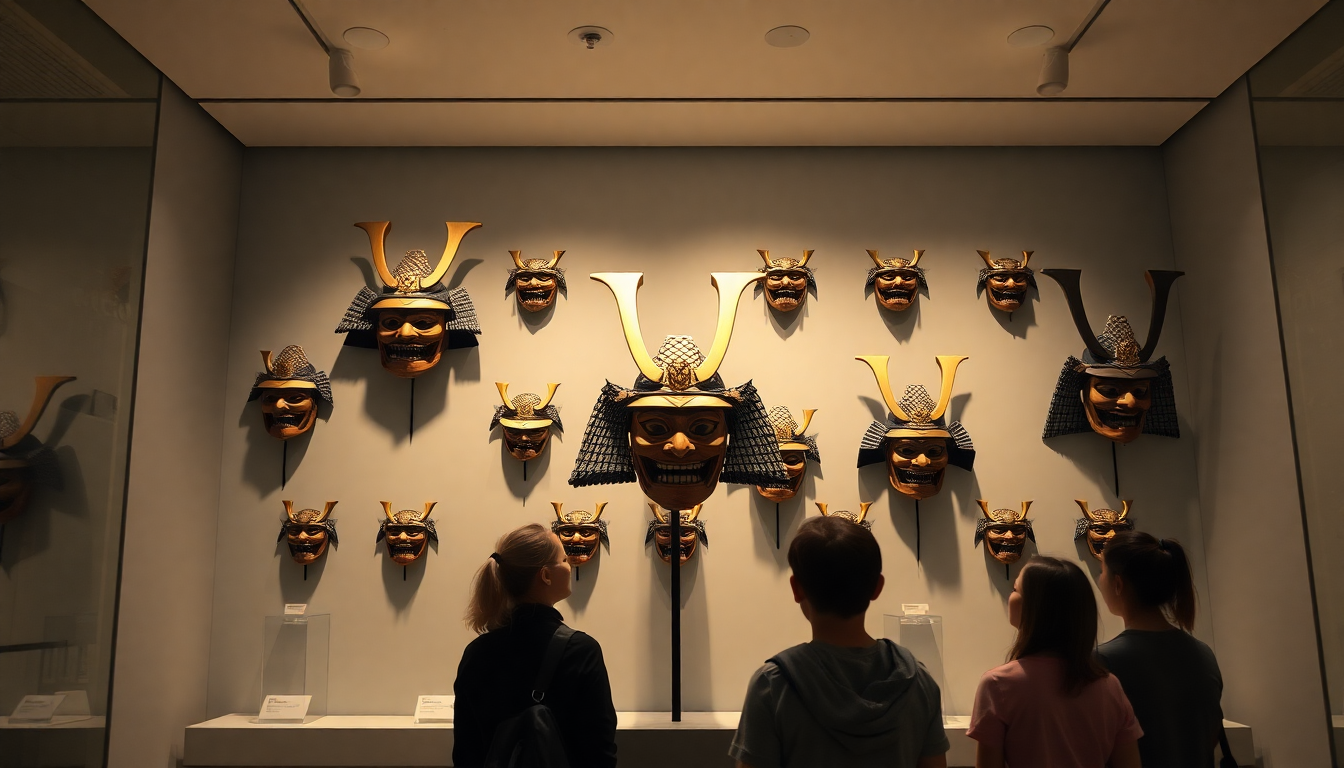
Ultra Realistic Samurai Masks from History
๐ 5 slides
๐ 19 views
๐
2/5/2026
Introduction to Samurai Masks
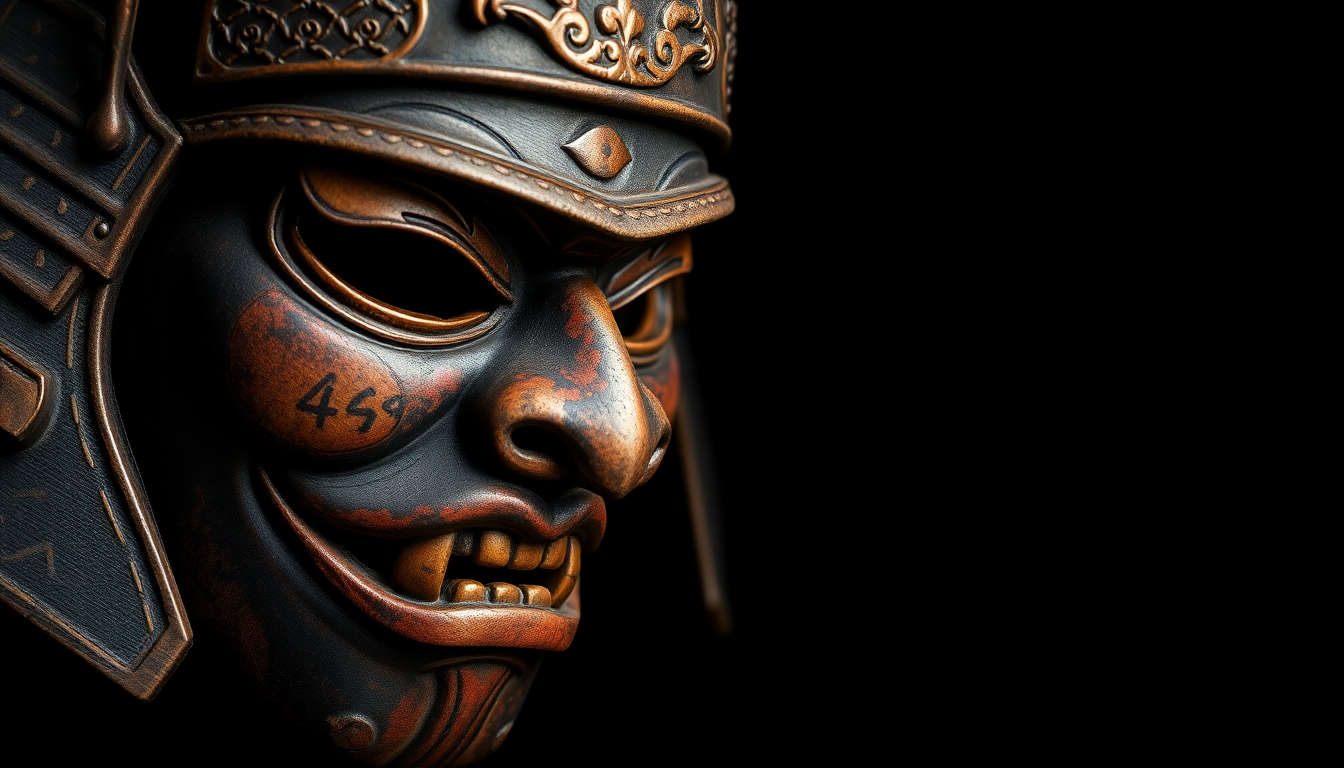
Samurai masks, or 'men-yoroi,' were designed to intimidate enemies and protect warriors.
2
Iconic Mask Designs
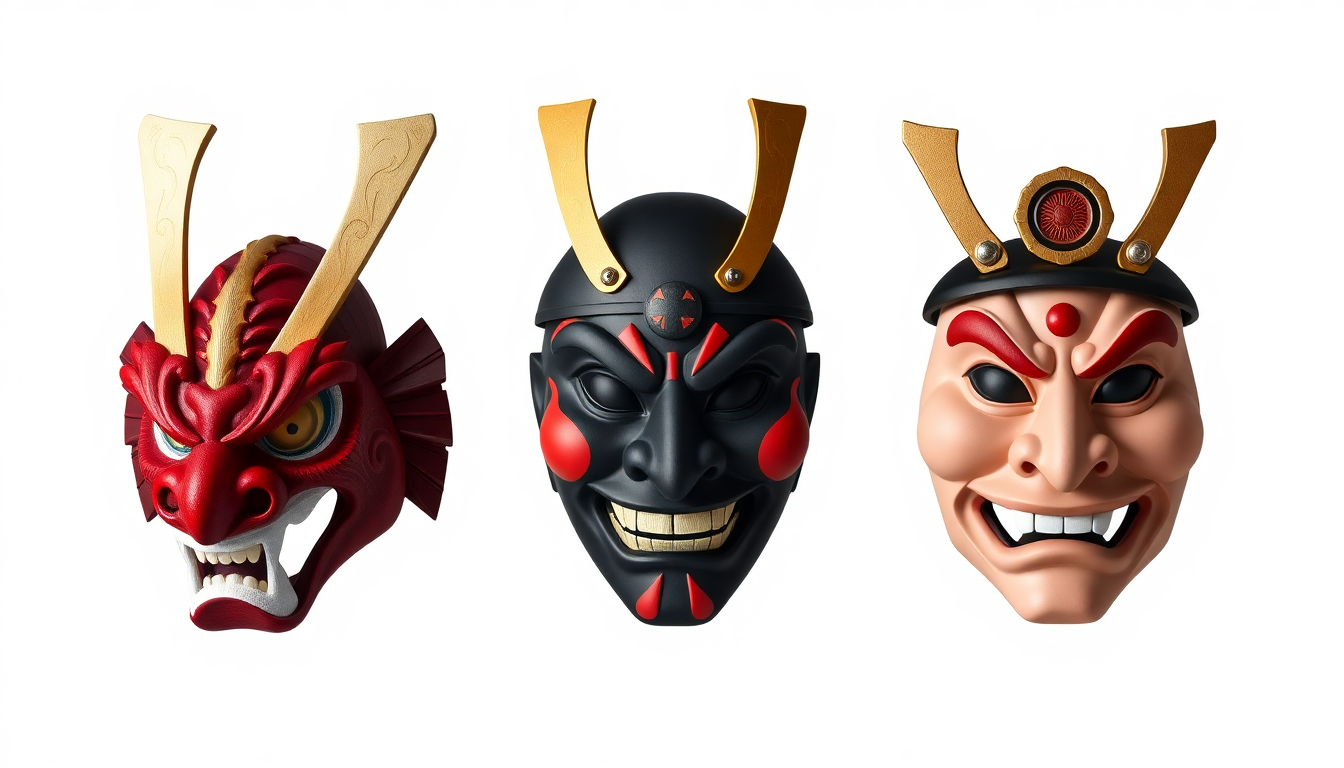
- The 'Tengu' mask featured a long nose and demonic face, symbolizing supernatural protection.
- 'Hannya' masks depicted vengeful spirits with horns, used in both battle and theater.
- Simpler 'Hoate' masks covered only the lower face, offering breathability during combat.
3
Materials and Craftsmanship
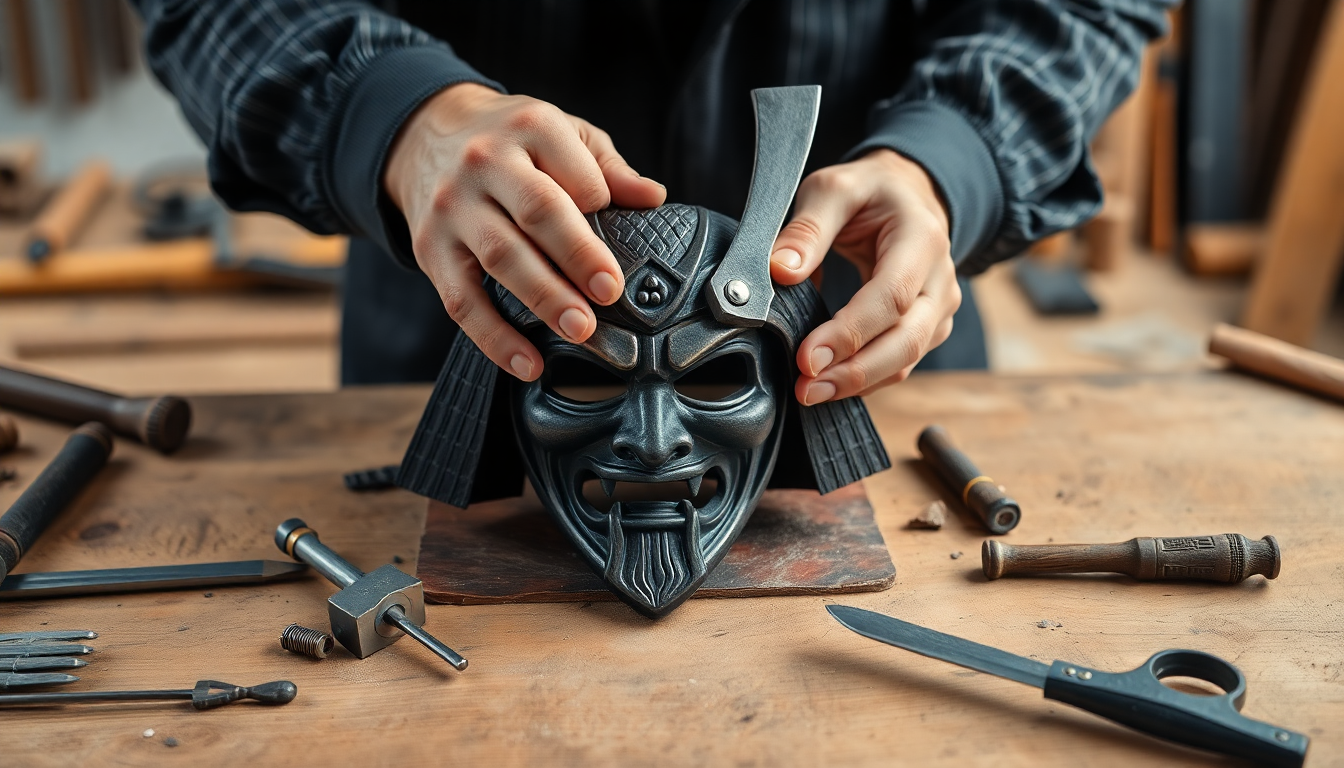
- Masks were often made from iron or leather, with lacquer for waterproofing and durability.
- Artisans used repoussรฉ technique to create raised designs, adding depth and realism.
- Gold leaf and pigments were applied for decorative elements, showcasing status and artistry.
4
Symbolism and Cultural Impact
- Masks represented warriors' ferocity and spiritual beliefs, often inspired by folklore.
- Different clans used unique designs to identify allies and foes on the battlefield.
- Today, masks are celebrated in festivals, martial arts, and as symbols of Japanese heritage.
5
Conclusion and Legacy
- Samurai masks blend artistry, function, and symbolism, reflecting Japan's warrior culture.
- Modern recreations honor traditional techniques while exploring new materials and styles.
- These masks remain iconic, inspiring art, film, and fashion worldwide.
1 / 5