International Migration and Refugee Challenges
📑 10 slides
👁 32 views
📅 1/28/2026
Introduction to Migration
Over 281 million people were international migrants in 2020, representing 3.6% of the global population.
2
Key Drivers of Migration
- Economic disparities between countries push people to seek better livelihoods.
- Conflict and violence force millions to flee their homes annually.
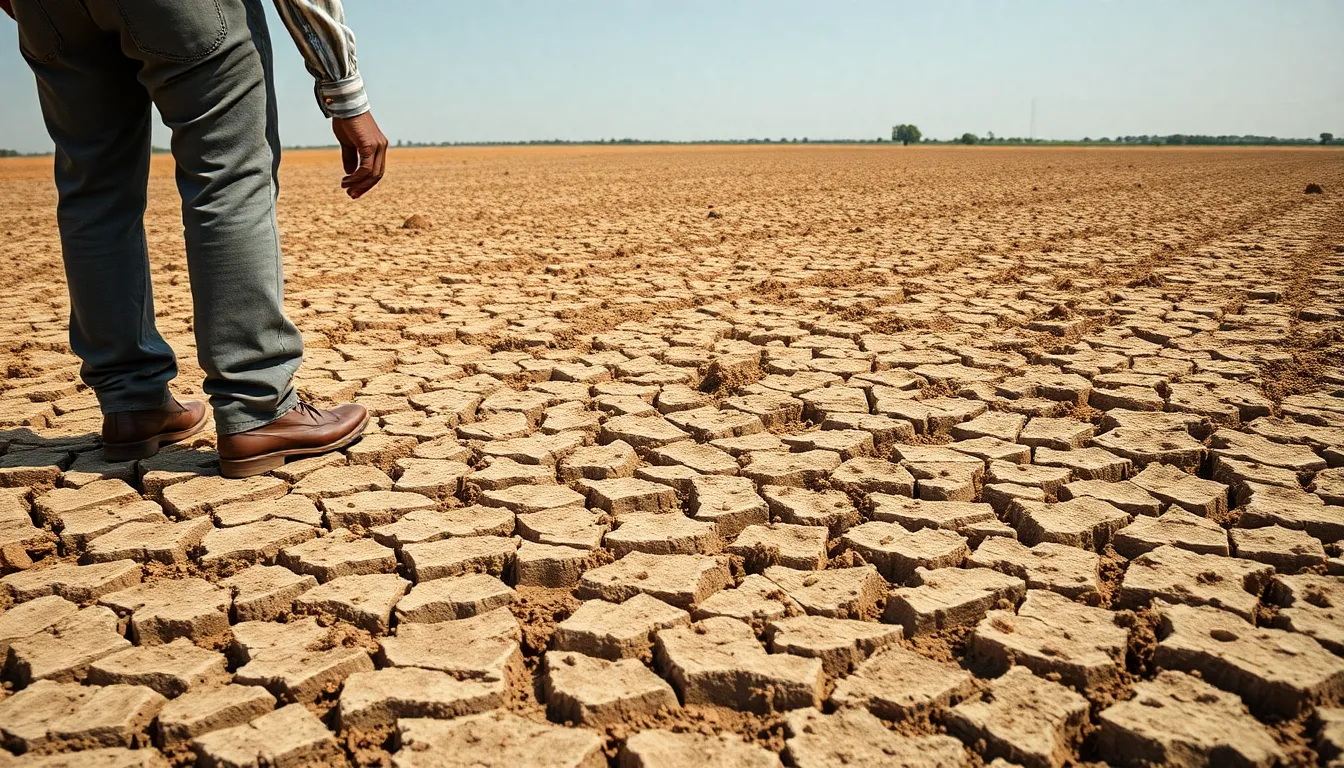
- Climate change is increasingly causing displacement due to natural disasters.
3
Global Refugee Crisis
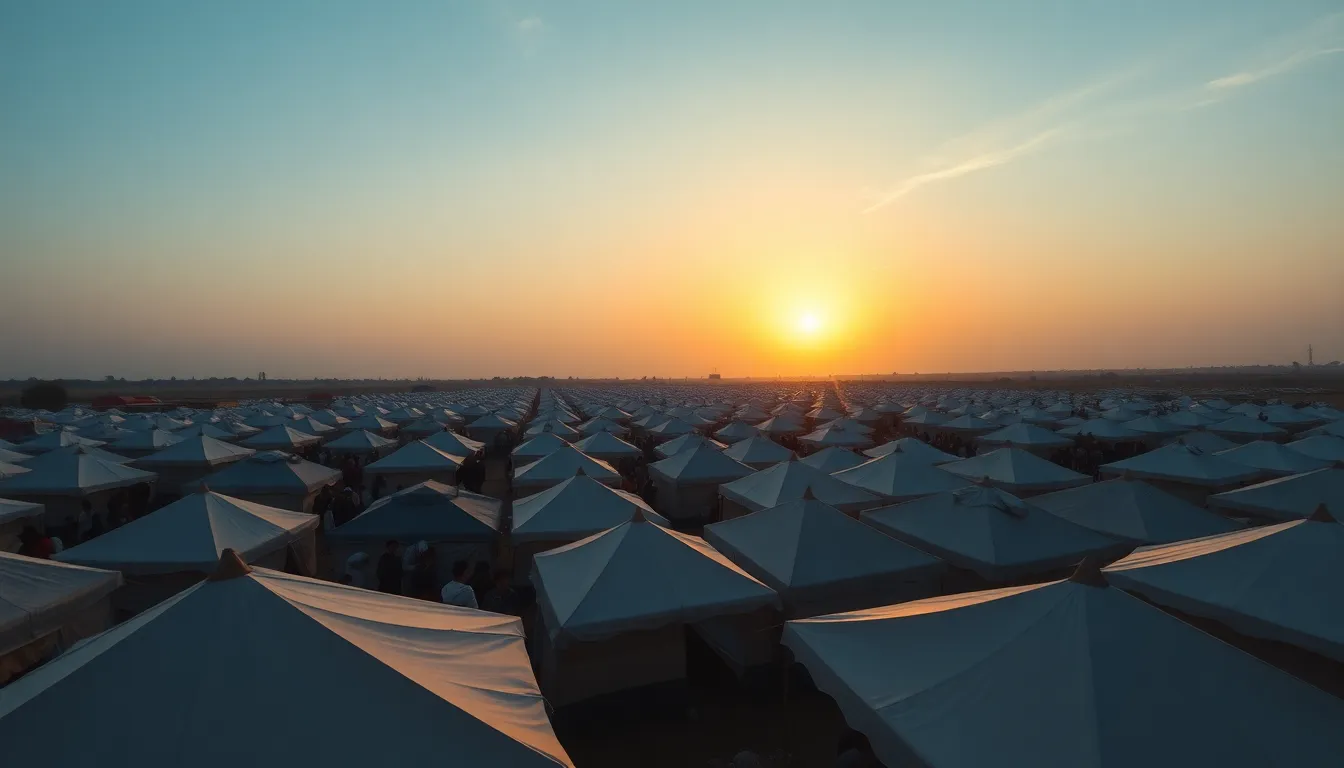
- Syria, Venezuela, and Afghanistan are top countries of origin for refugees.
- Turkey hosts the largest refugee population with 3.7 million people.
- 85% of refugees are hosted in developing countries.
4
Challenges for Host Nations
- Strain on infrastructure and public services like healthcare and education.
- Social tensions can arise between local populations and newcomers.
- Economic pressures from increased demand for jobs and housing.
5
Humanitarian Concerns
- Many refugees face dangerous journeys with risk of exploitation.
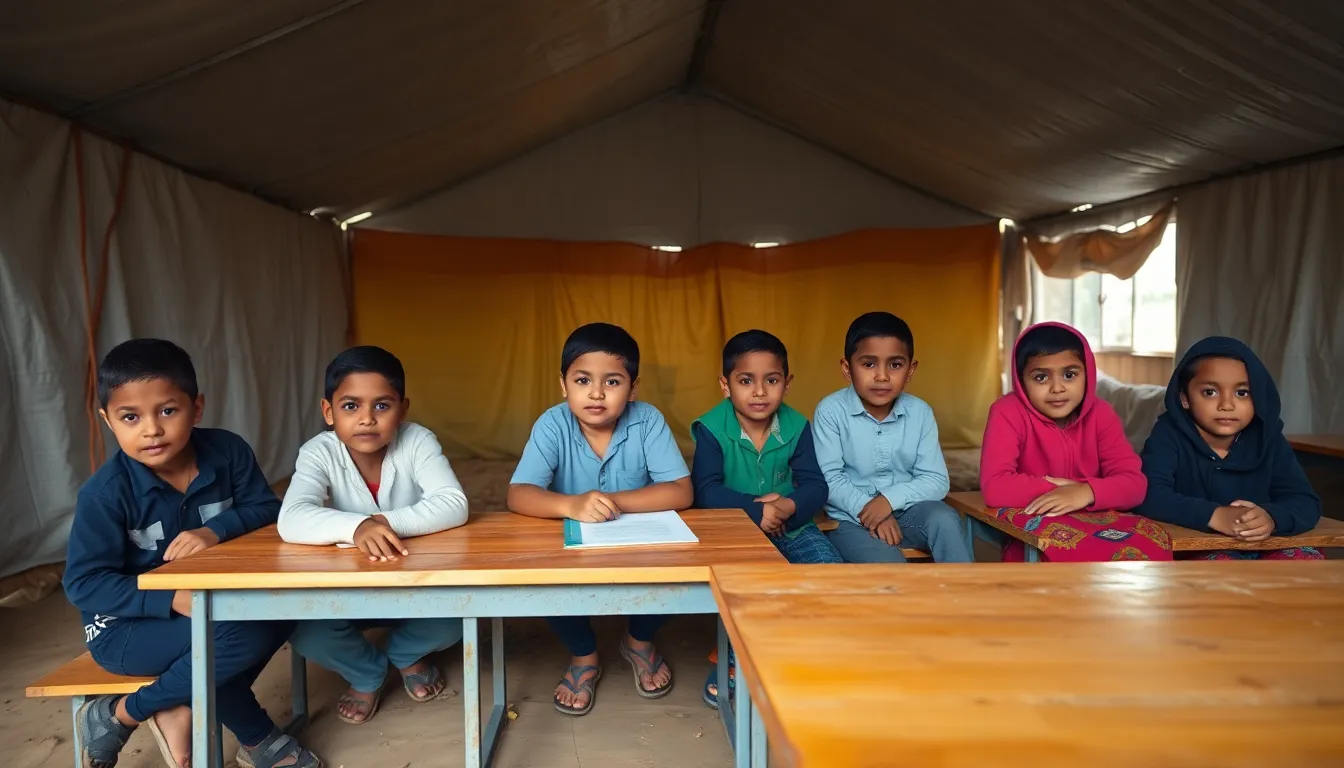
- Children make up over 40% of displaced populations globally.
- Limited access to education and healthcare in transit and host countries.
6
Climate Change Impact
- By 2050, up to 143 million may be displaced due to climate impacts.
- Small island nations face existential threats from rising sea levels.
- Droughts and crop failures force rural populations to urban areas.
7
Economic Migration Trends
- Migrants contribute $6.7 trillion to global GDP annually.
- Remittances to developing countries reached $540 billion in 2020.
- Skilled migration benefits both origin and destination countries.
8
Policy and Legal Frameworks
- The 1951 Refugee Convention defines refugee rights and protections.
- Many nations struggle with balancing border control and humanitarian obligations.
- Local integration vs. temporary protection remains a key debate.
9
Integration Solutions
- Language and vocational training programs improve employment prospects.
- Community-building initiatives foster social cohesion.
- Anti-discrimination laws protect migrant rights in host societies.
10
Conclusion and Way Forward
- Migration requires global cooperation and shared responsibility.
- Addressing root causes like conflict and poverty is essential.
- Balancing security concerns with humanitarian needs remains critical.
1 / 10