Differences Between Thrombosis and Embolic

📑 10 slides 👁 28 views 📅 1/31/2026
0.0 (0 ratings)

Introduction to Blood Clots

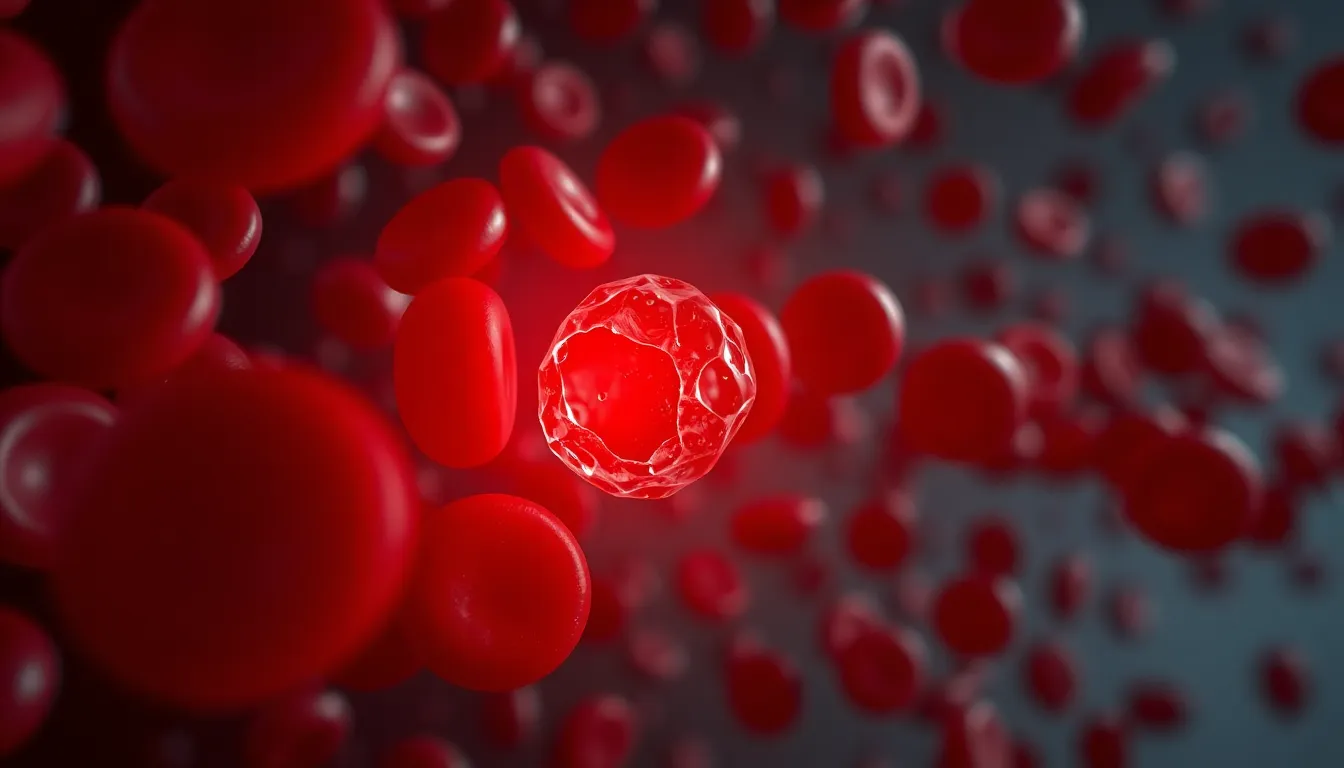
Blood clots are gel-like clumps formed to stop bleeding, but can cause harm when abnormal.

Introduction to Blood Clots
2

Thrombosis: Formation and Causes

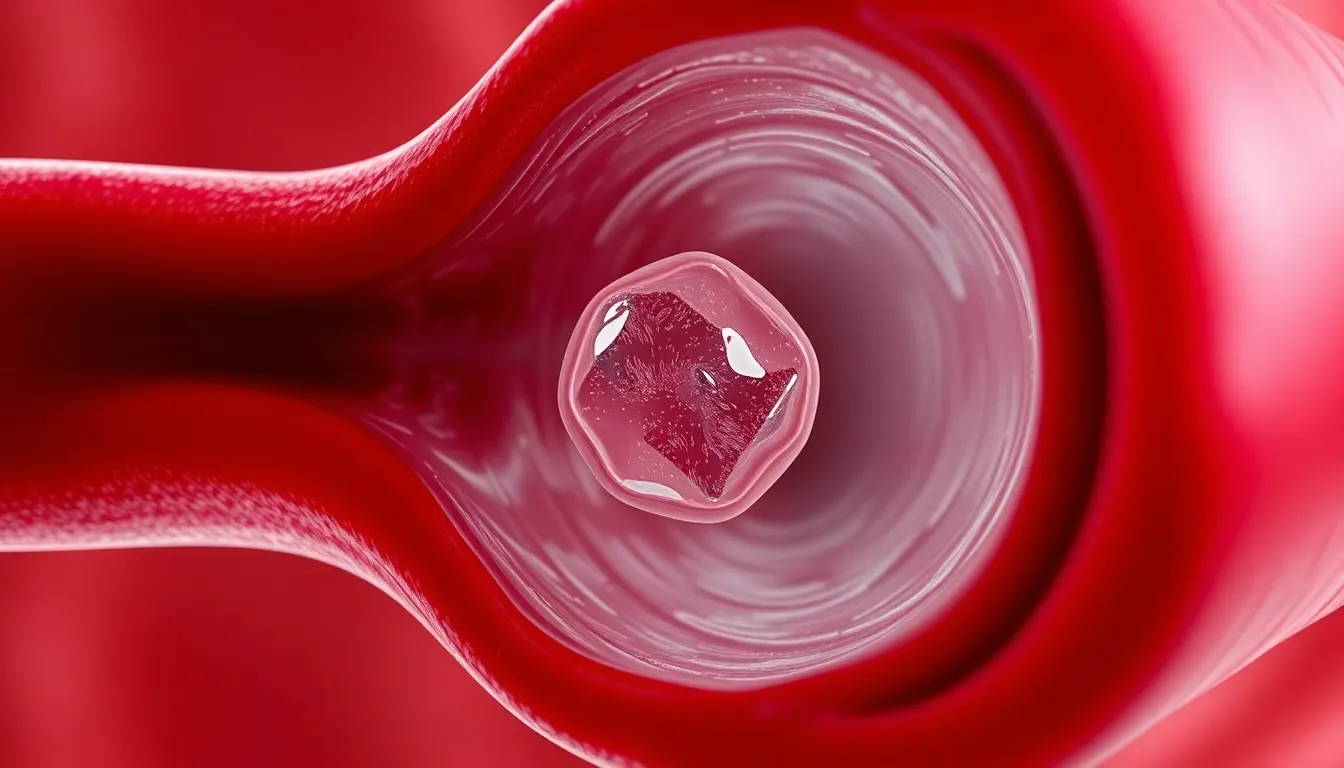
  • Thrombosis forms in intact vessels due to Virchow's triad: stasis, injury, hypercoagulability.
  • Common in deep veins (DVT) or arteries (coronary thrombosis).
  • Can lead to ischemia or infarction if untreated.
Thrombosis: Formation and Causes
3

Embolic: Types and Movement

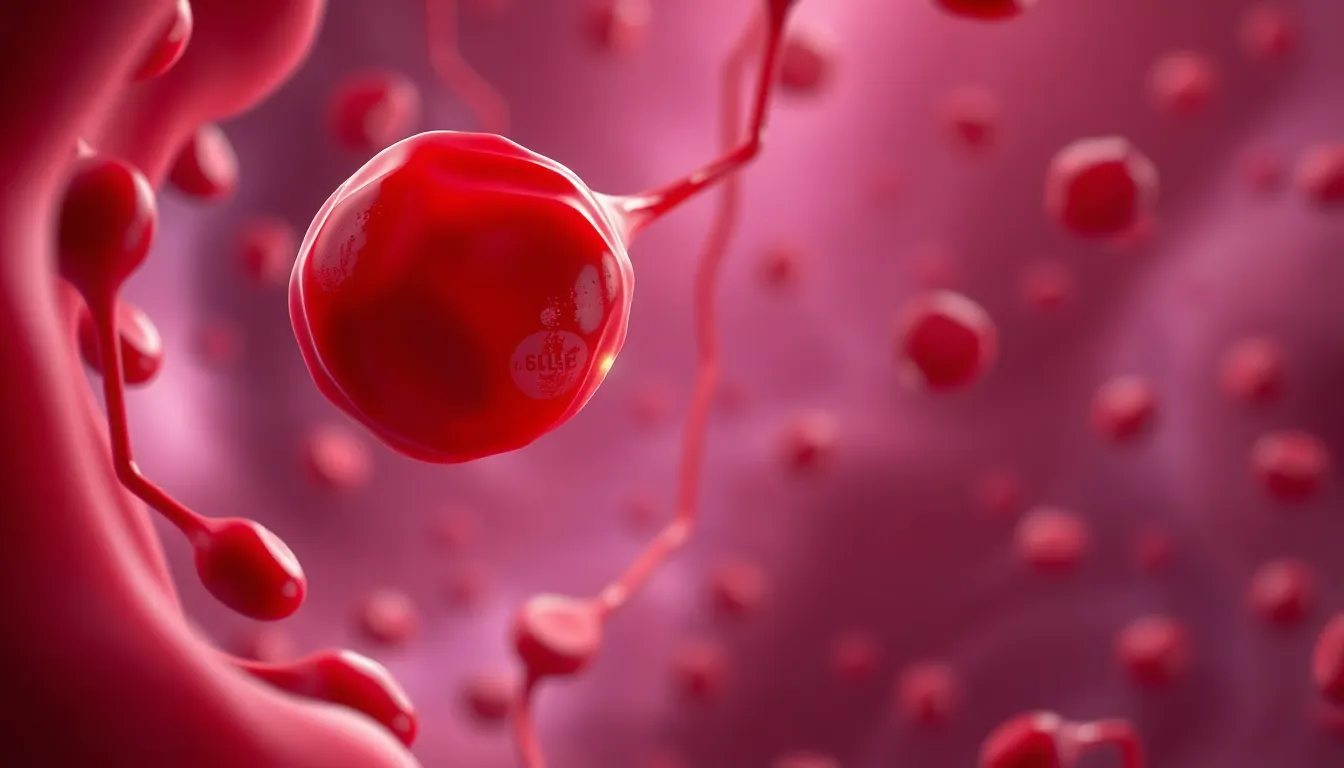
  • Embolic clots detach and travel, causing blockages elsewhere (e.g., pulmonary embolism).
  • Types: thromboemboli (from thrombosis), fat, air, or amniotic fluid emboli.
  • More dangerous due to sudden obstruction of critical vessels.
Embolic: Types and Movement
4

Virchow's Triad Explained

  • Three factors: endothelial injury, abnormal blood flow, hypercoagulability.
  • Essential for understanding thrombosis in living patients.
  • Postmortem clots lack these dynamics, forming differently.
Virchow's Triad Explained
5

Thrombosis in Living vs. Postmortem

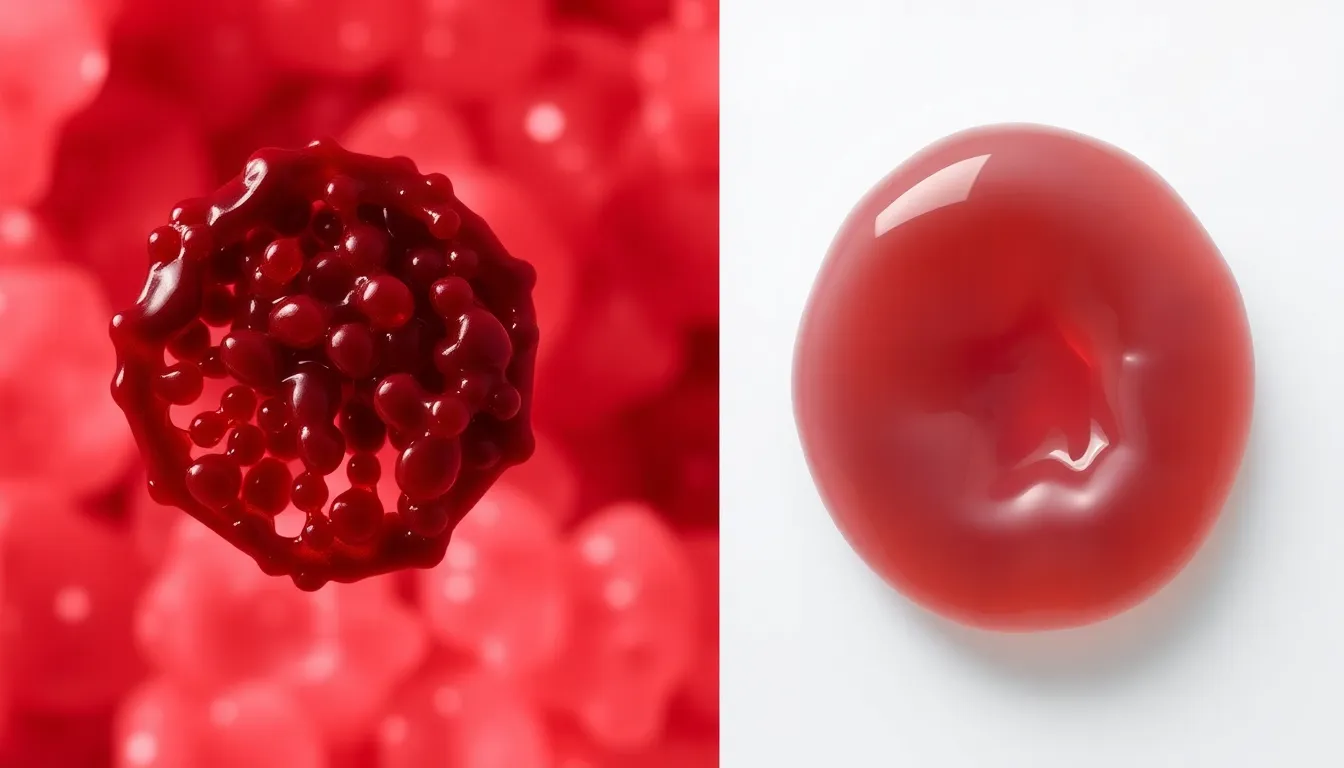
  • Living: clots are firm, attached, often layered (lines of Zahn).
  • Postmortem: clots are gelatinous, non-adherent, lack structure.
  • Distinguishing aids in forensic and clinical analyses.
Thrombosis in Living vs. Postmortem
6

Common Embolic Types

  • Thromboemboli: most common, originating from deep vein thrombosis.
  • Fat emboli: from bone fractures or trauma.
  • Air emboli: due to surgical or diving accidents.
Common Embolic Types
7

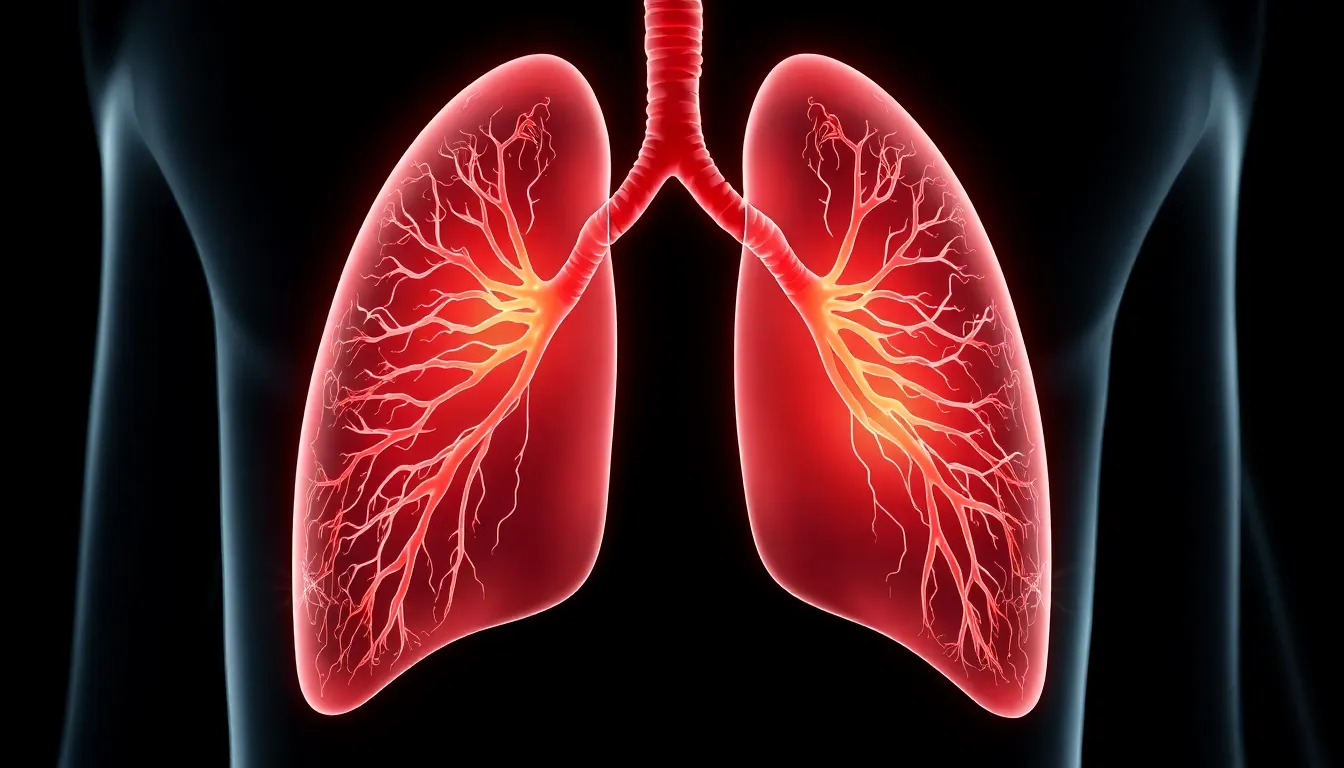
Pulmonary Embolism

  • Blockage in pulmonary arteries, often from leg thrombi.
  • Symptoms: sudden chest pain, shortness of breath, hypoxia.
  • Life-threatening; requires immediate intervention.
Pulmonary Embolism
8

Diagnostic Tools

  • Ultrasound (DVT), CT angiography (pulmonary embolism), D-dimer tests.
  • Postmortem: autopsy reveals clot morphology differences.
  • Accurate diagnosis prevents complications.
Diagnostic Tools
9

Prevention and Treatment

  • Anticoagulants (heparin, warfarin) for thrombosis and embolic risk.
  • Compression stockings, mobility to prevent stasis.
  • Surgical interventions (embolectomy) in severe cases.
Prevention and Treatment
10

Conclusion and Key Takeaways

  • Thrombosis and embolic differ in formation, movement, and risks.
  • Virchow's triad is pivotal for understanding thrombosis in living patients.
  • Postmortem clots lack clinical dynamics but aid forensic studies.
Conclusion and Key Takeaways
1 / 10