Lamarck’s Theory of Evolution

📑 5 slides 👁 12 views 📅 4/11/2026
0.0 (0 ratings)

Introduction to Lamarck

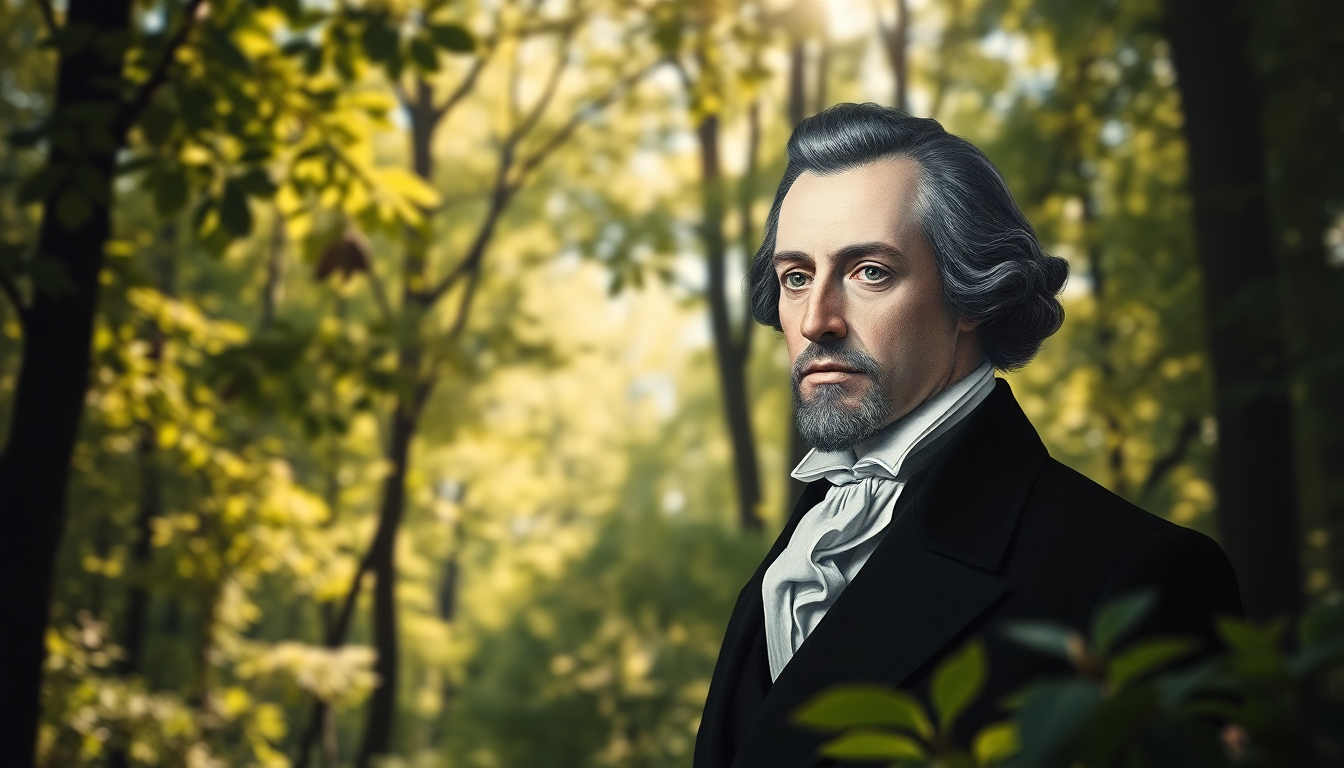
Jean-Baptiste Lamarck (1744–1829): French naturalist and early evolution theorist.

Introduction to Lamarck
2

Core Ideas of Lamarck’s Theory

  • Organisms change physically in response to environmental pressures.
  • Acquired traits (e.g., strengthened muscles) can be passed to offspring.
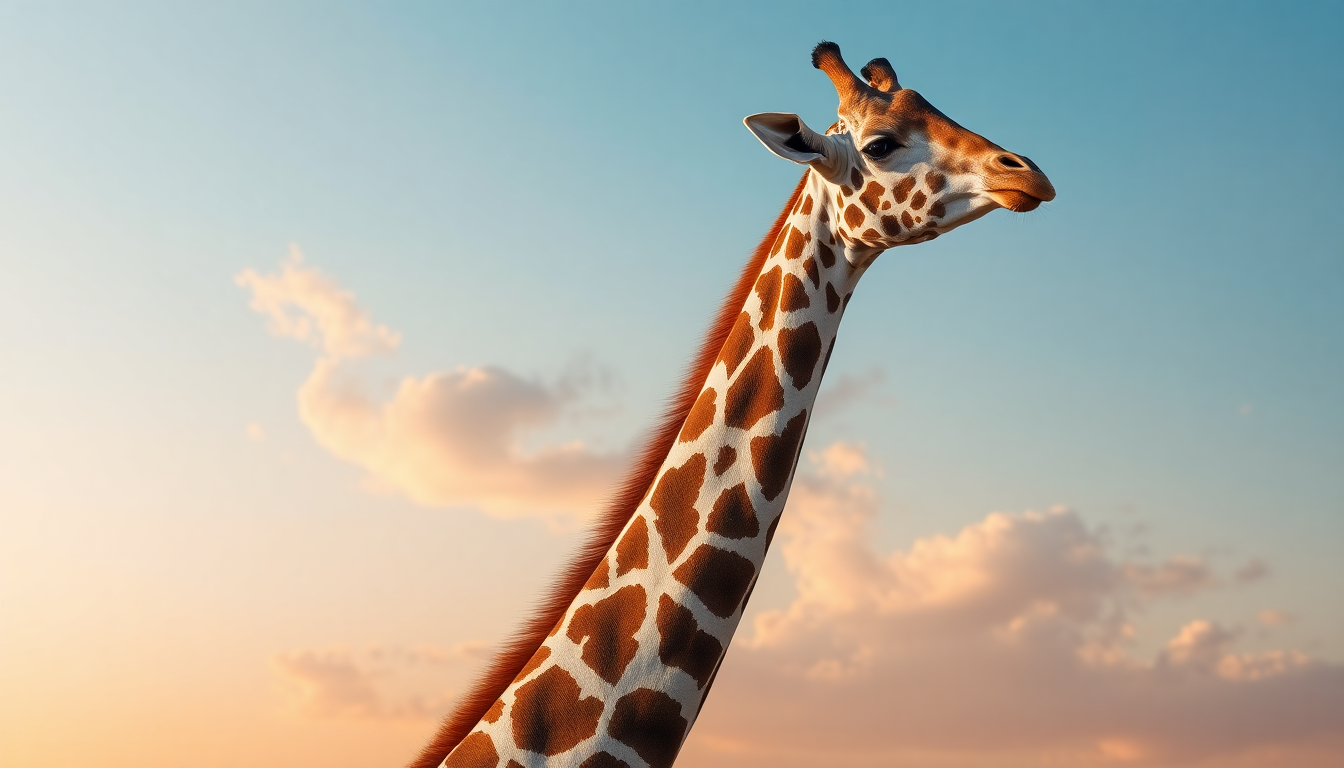
  • Example: Giraffes stretching necks for leaves led to longer-necked descendants.
  • Emphasized progressive complexity in species over time.
Core Ideas of Lamarck’s Theory
3

Examples of Lamarckism

  • Giraffes: Neck elongation due to habitual reaching for high foliage.
  • Aquatic birds: Webbed feet from repeated swimming motions.
  • Climbing plants: Tendrils strengthening with use over generations.
  • Critique: Modern genetics disproves inheritance of acquired traits.
Examples of Lamarckism
4

Strengths and Limitations

  • Strengths: First coherent theory linking environment to evolution.
  • Inspired later scientific work, including Darwin’s ideas.
  • Limitations: No genetic mechanism for trait inheritance.
  • Legacy: Foundation for evolutionary biology despite inaccuracies.
Strengths and Limitations
5

Conclusion and Legacy

  • Lamarck’s theory was groundbreaking for its time.
  • Highlighted dynamic interaction between organisms and environment.
  • Paved the way for modern evolutionary synthesis.
  • Reminds us of science’s iterative progress.
Conclusion and Legacy
1 / 5