Create a Project on Louis Sullivan
๐ 5 slides
๐ 13 views
๐
2/18/2026
Introduction to Louis Sullivan
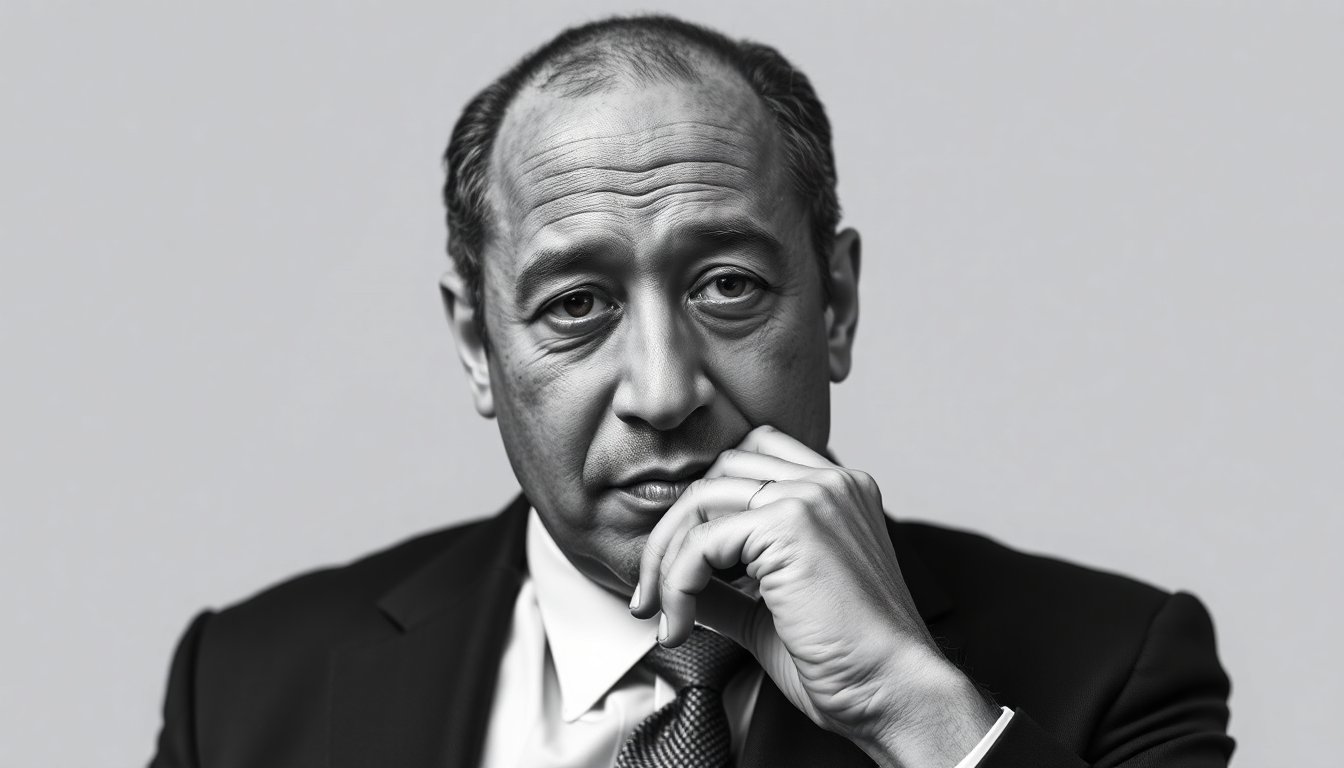
Louis Sullivan (1856-1924) was a pioneering American architect known as the 'father of skyscrapers'.
2
Sullivan's Architectural Style
- Sullivan's style blended organic ornamentation with structural innovation, creating unique facades.
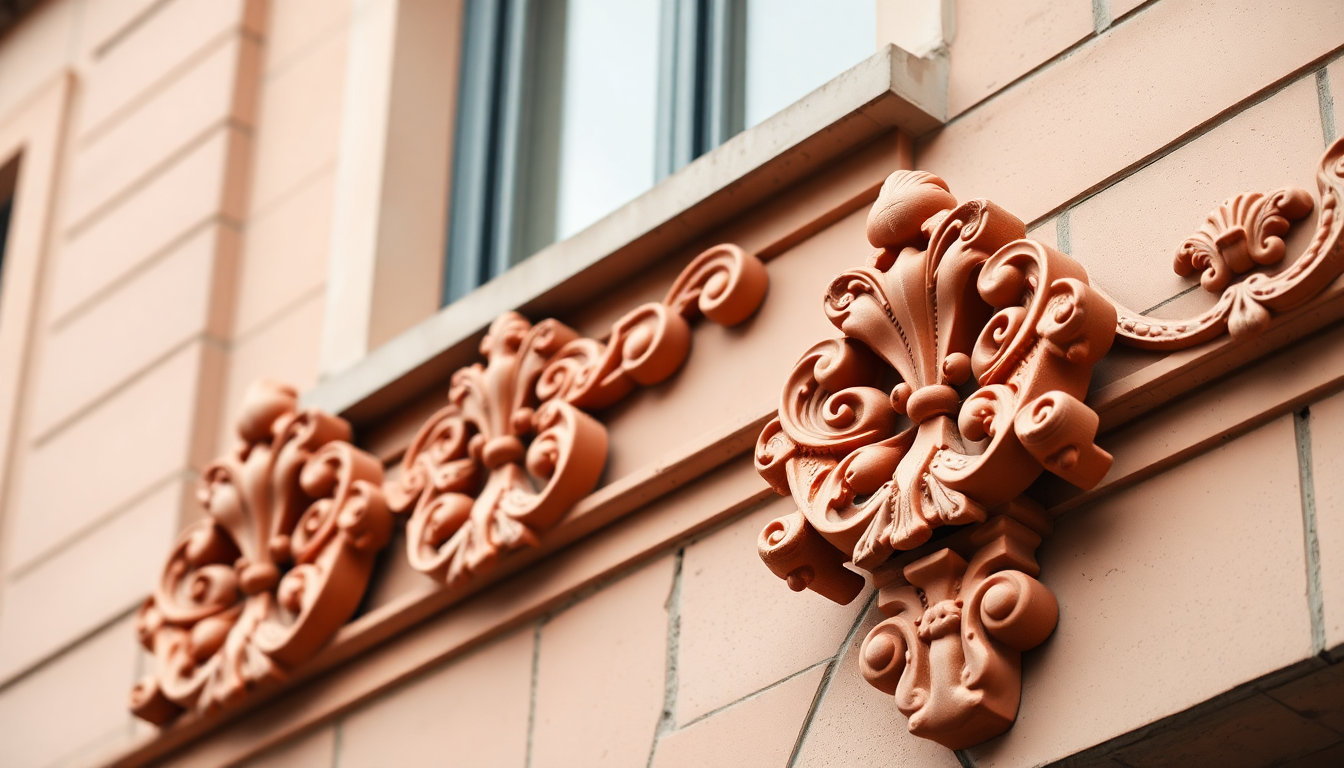
- He used terracotta detailing and geometric patterns to adorn his buildings.
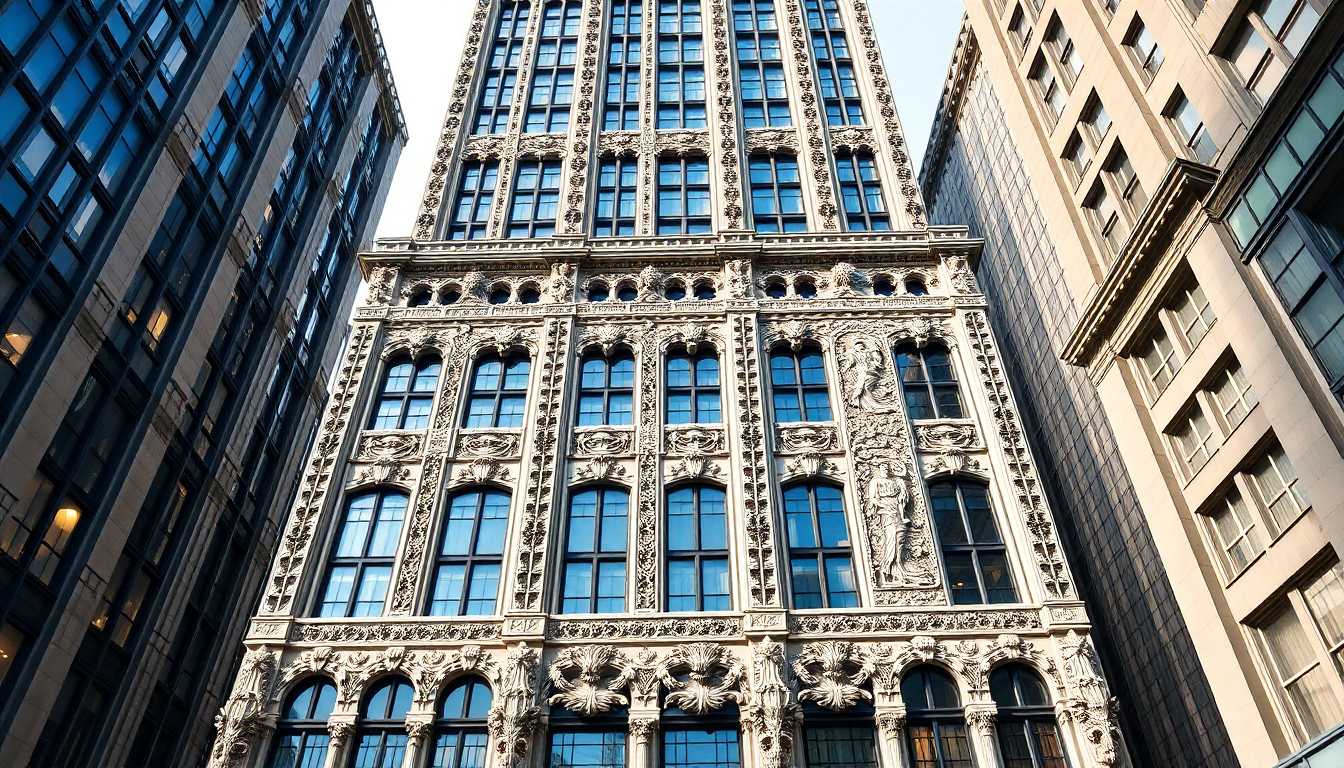
- His designs emphasized verticality, making skyscrapers appear taller and more elegant.
- The 'Chicago School' of architecture was heavily influenced by his principles.
3
Key Works and Landmarks
- The Wainwright Building (1891) in St. Louis is a prime example of early skyscraper design.
- The Guaranty Building (1896) features intricate terra-cotta detailing and a bold vertical emphasis.
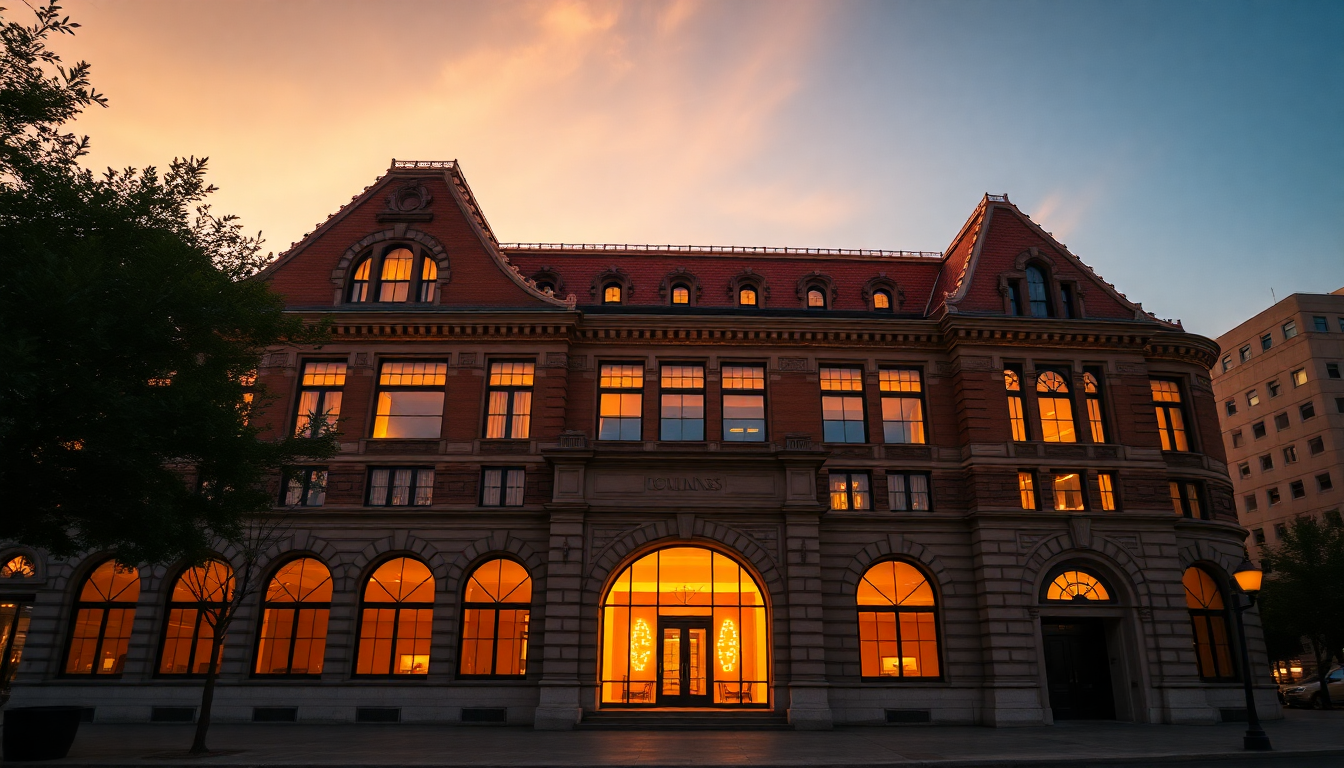
- Sullivanโs last major work, the National Farmers' Bank, showcases his small-town bank designs.
- Many of his buildings are now National Historic Landmarks.
4
Legacy and Influence
- Sullivan mentored Frank Lloyd Wright, who expanded on his ideas.
- His philosophy shaped modernist architecture, emphasizing functionality and simplicity.
- Many of his buildings were demolished, but preserved ones remain architectural treasures.
- Contemporary architects still study his integration of art and engineering.
5
Conclusion and Takeaways
- Louis Sullivan revolutionized architecture with his skyscraper designs and artistic detailing.
- His 'form follows function' principle remains foundational in design today.
- Preserving his works helps us appreciate the evolution of urban architecture.
- Studying Sullivan provides insights into blending aesthetics with structural innovation.
1 / 5