IoT Based Vehicle Horn & Noise Detection System
📑 10 slides
👁 37 views
📅 1/24/2026
Introduction
Project aims to reduce noise pollution using IoT
2
Problem Statement
- Noise pollution causes health issues & disturbances
- Manual monitoring is inefficient and inconsistent
- Modified vehicle exhausts exceed permissible noise levels
- Lack of automated systems for noise violation detection
3
System Architecture
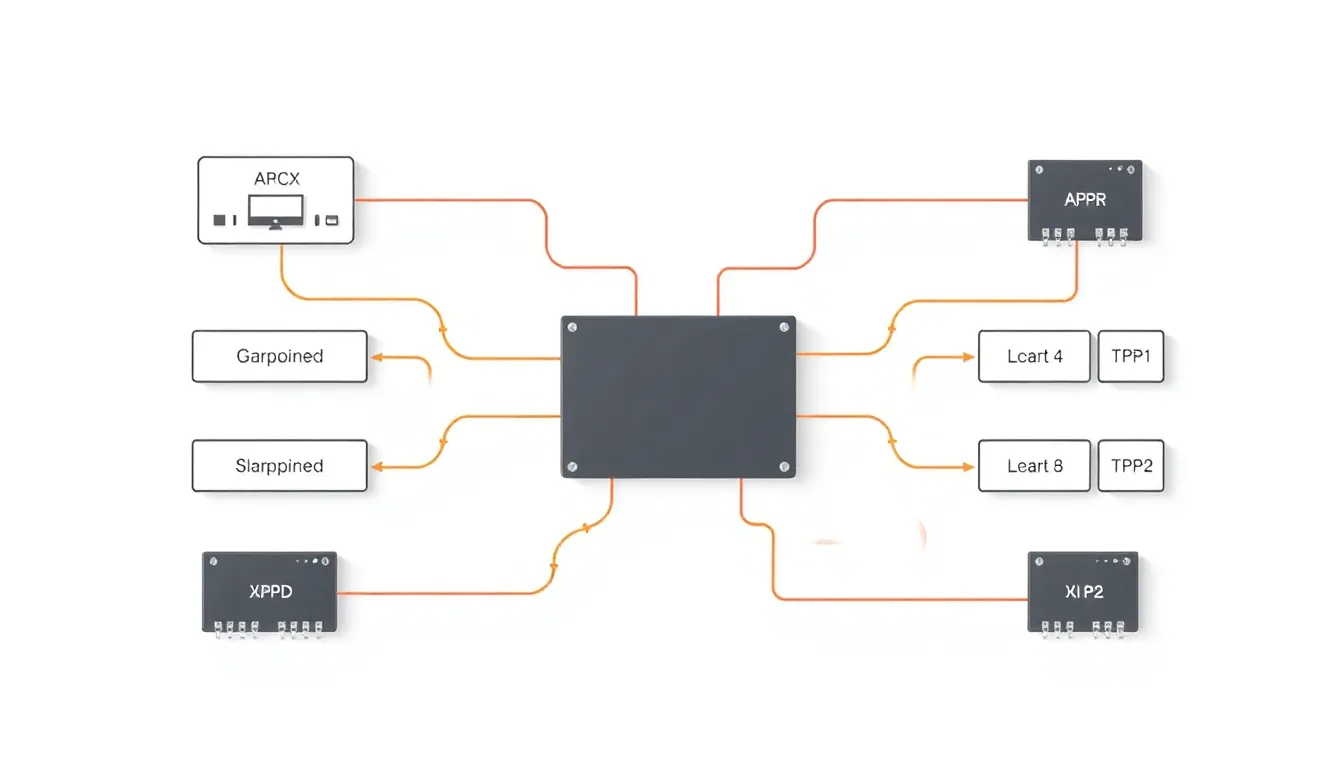
- Microcontroller (Arduino/RPi) processes sound input
- Sound sensor detects dB levels above threshold
- Buzzer and OLED display provide instant alerts
- IoT module sends data to cloud for monitoring
4
Key Components
- Sound sensor module (LM393 based)
- ESP8266 for WiFi connectivity
- 0.96" OLED display for warnings
- Active buzzer for audible alert
5
Working Principle
- Continuously monitors ambient sound levels
- Compares readings with preset noise threshold
- Triggers alerts when threshold is exceeded
- Stores violation data with timestamp for analysis
6
Threshold Calibration
- Adjustable for different locations (residential/commercial)
- Set slightly above normal traffic noise levels
- Complies with local noise pollution regulations
- Can be modified via simple code adjustment
7
Alert Mechanism
- Buzzer sounds for 5-10 seconds upon violation
- Display shows "NOISE VIOLATION DETECTED"
- Multiple violations trigger escalated alerts
- Optional SMS notification to authorities
8
IoT Integration
- Data logged to cloud platform (ThingSpeak/Blynk)
- Enables remote monitoring of noise hotspots
- Historical data for pattern analysis and reports
- Potential integration with traffic management systems
9
Applications
- Near schools, hospitals, and residential areas
- Traffic police enforcement of noise regulations
- Smart city infrastructure development
- Research on urban noise pollution patterns
10
Conclusion
- Effective solution for automated noise monitoring
- Low-cost implementation with basic components
- Scalable for city-wide deployment
- Contributes to smarter, quieter urban spaces
1 / 10