Blockchain Security: Protecting Decentralized Systems
📑 10 slides
👁 15 views
📅 1/21/2026
Introduction to Blockchain Security
Blockchain security ensures integrity, confidentiality, and availability of decentralized systems.
2
How Blockchain Works
- Blockchain uses distributed ledger technology (DLT) to record transactions.
- Consensus mechanisms like Proof of Work (PoW) validate transactions.
- Immutable blocks ensure tamper-proof records once added to the chain.
3
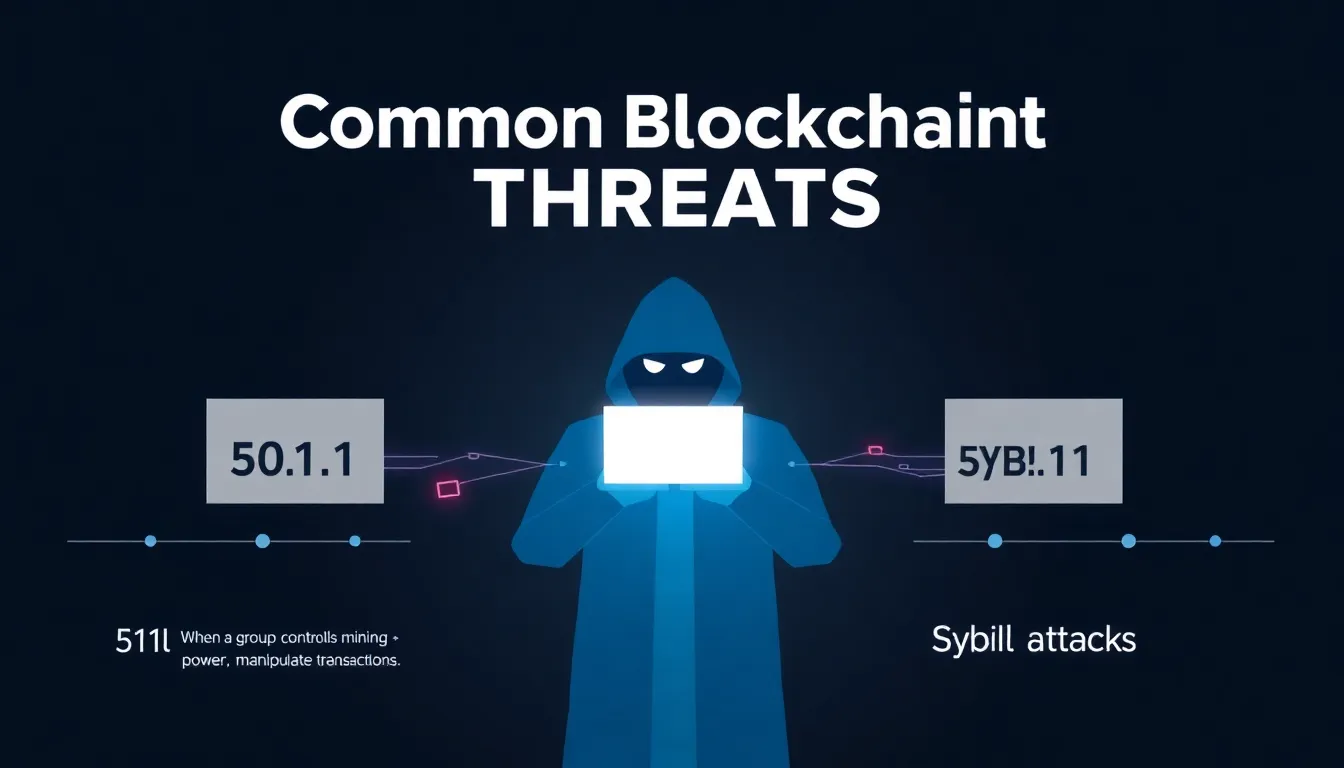
Common Blockchain Threats
- 51% attacks: When a group controls majority mining power to manipulate transactions.
- Sybil attacks: Fake identities flood the network to disrupt operations.
- Smart contract vulnerabilities: Bugs in code can be exploited for financial loss.
4
Cryptography in Blockchain
- Public-key cryptography secures transactions with digital signatures.
- Hash functions (SHA-256) ensure data integrity and block linking.
- Elliptic Curve Digital Signature Algorithm (ECDSA) verifies transaction authenticity.
5
Consensus Mechanism Security
- Proof of Work (PoW) requires computational effort to prevent spam.
- Proof of Stake (PoS) secures network by staking cryptocurrency.
- Delegated Proof of Stake (DPoS) uses elected validators for efficiency.
6
Smart Contract Security
- Smart contracts automate transactions but must be bug-free.
- Common vulnerabilities: Reentrancy, overflow/underflow, and timestamp dependence.
- Tools like MythX and Slither analyze smart contract code for risks.
7
Wallet Security Best Practices
- Use hardware wallets for offline private key storage.
- Never share recovery phrases and enable multi-factor authentication.
- Regularly update wallet software to patch vulnerabilities.
8
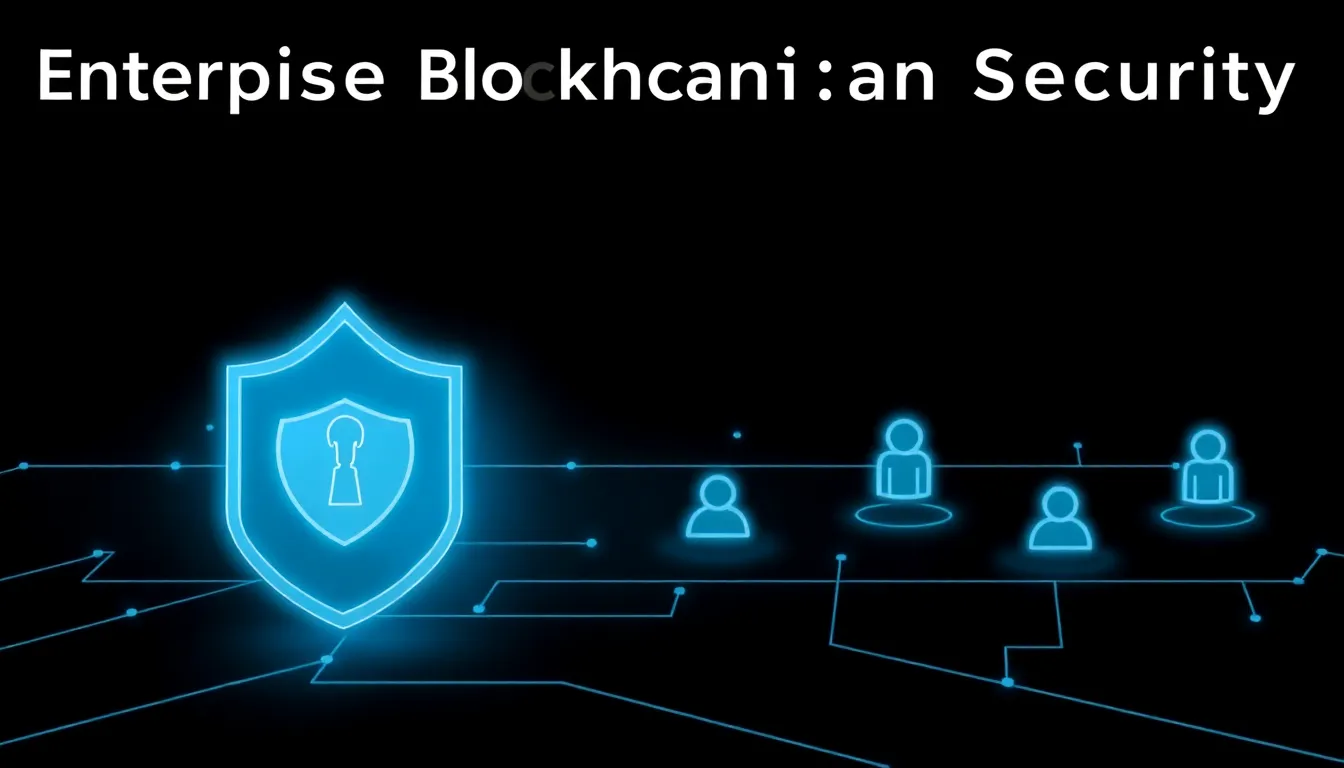
Enterprise Blockchain Security
- Permissioned blockchains (e.g., Hyperledger) control participant access.
- Role-based access control (RBAC) limits user permissions.
- Regular audits and penetration testing identify system weaknesses.
9
Future of Blockchain Security
- Quantum-resistant cryptography emerging to counter future threats.
- Zero-knowledge proofs enhance privacy without compromising security.
- AI-driven anomaly detection systems for real-time threat monitoring.
10
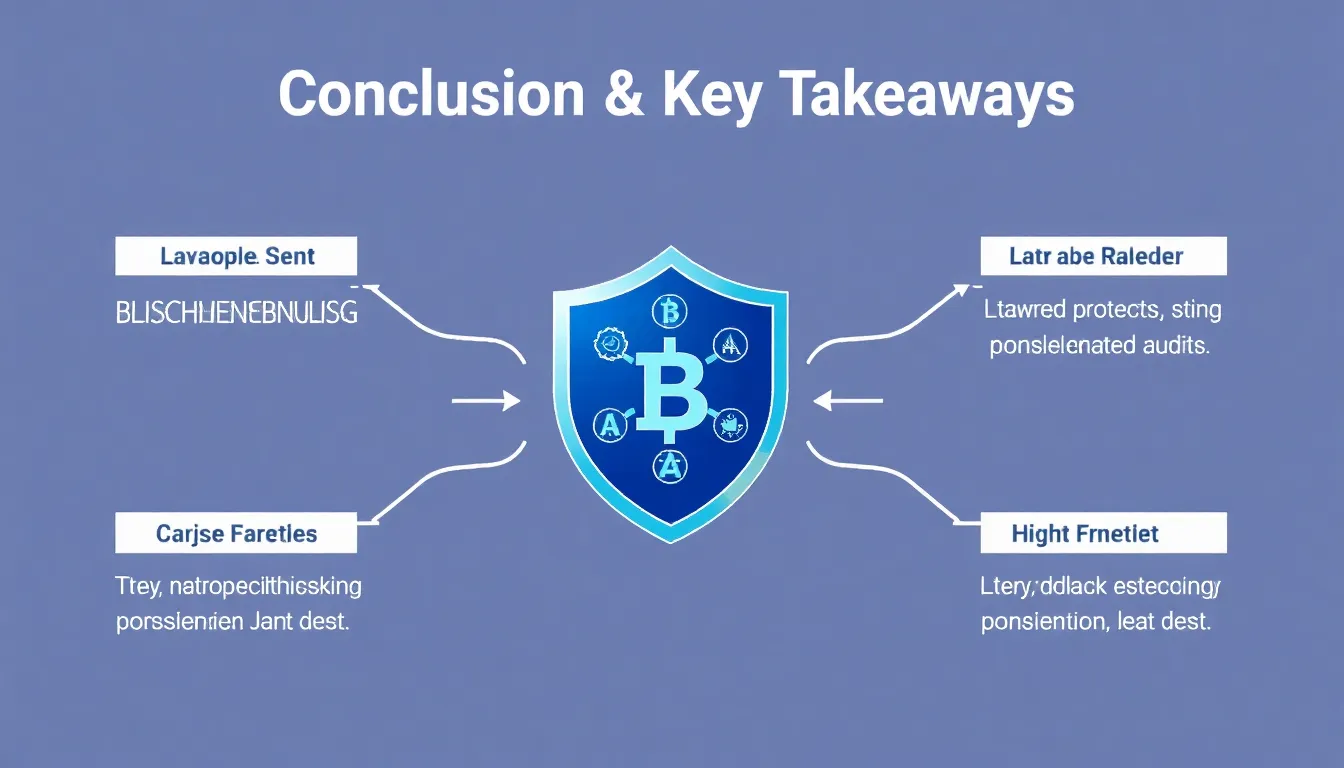
Conclusion & Key Takeaways
- Blockchain security requires layered protection: cryptography, consensus, and audits.
- Stay updated with evolving threats and security best practices.
- Decentralized systems are only as strong as their weakest link.
1 / 10