Global Positioning System (GPS)

📑 5 slides 👁 23 views 📅 2/6/2026
0.0 (0 ratings)

Introduction to GPS

GPS is a satellite-based navigation system providing location and time information globally.

Introduction to GPS
2

Components of GPS

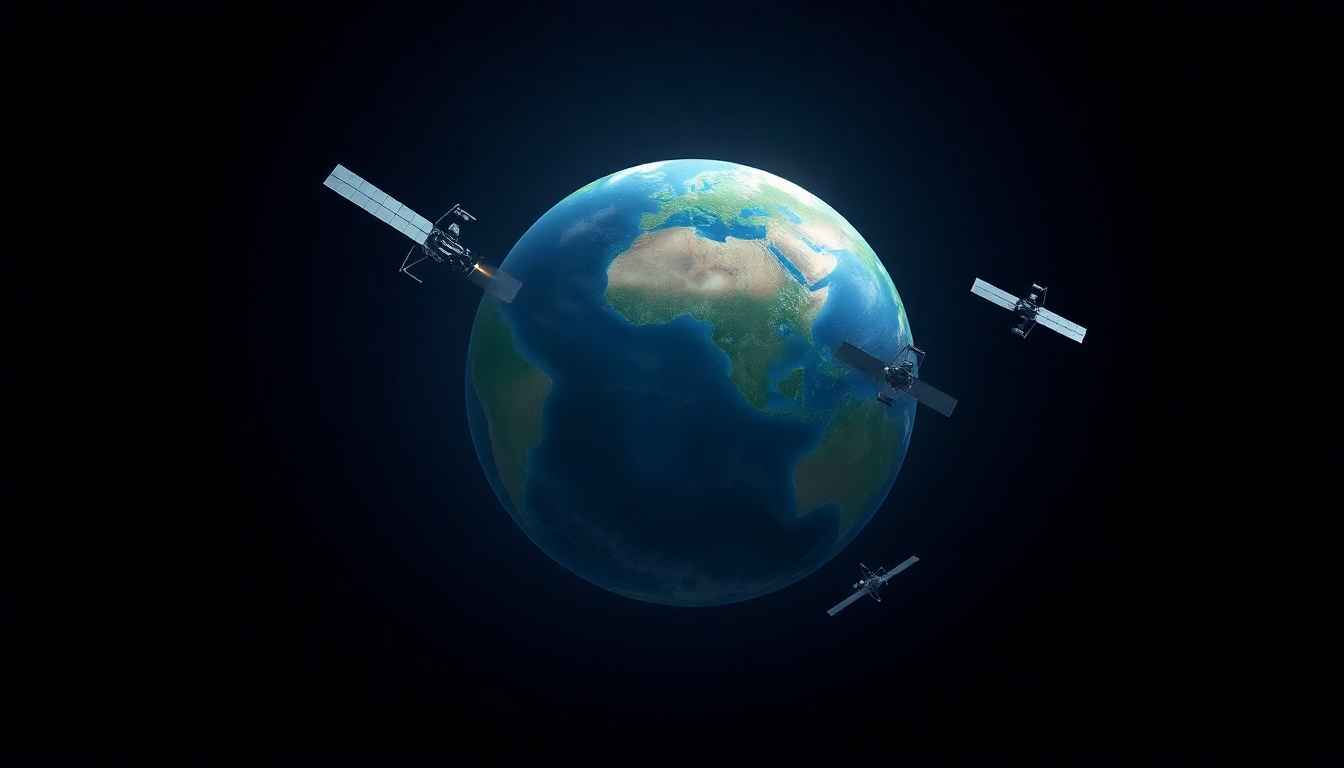
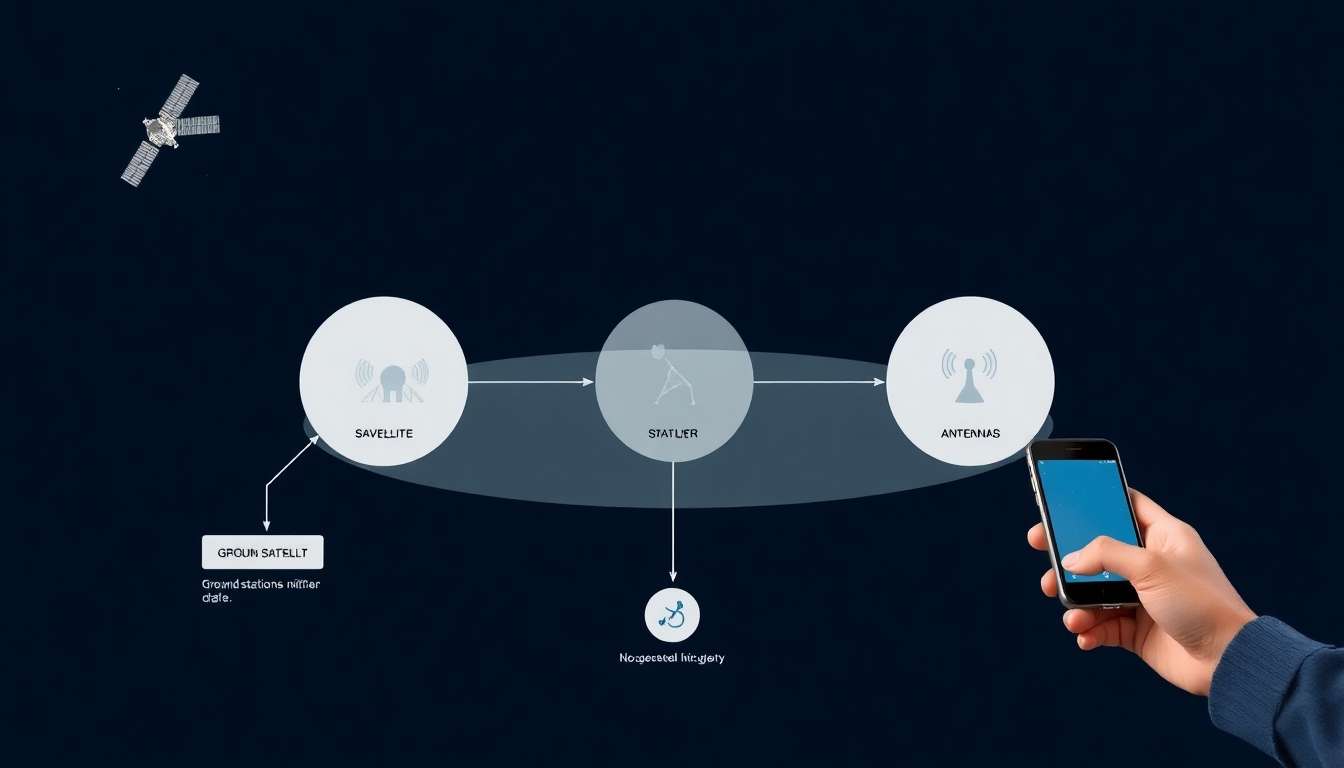
  • Space segment: 24+ satellites in medium Earth orbit, transmitting signals.
  • Control segment: Ground stations monitoring and maintaining satellite operations.
  • User segment: Devices like smartphones and car navigation systems receiving signals.
Components of GPS
3

How GPS Works

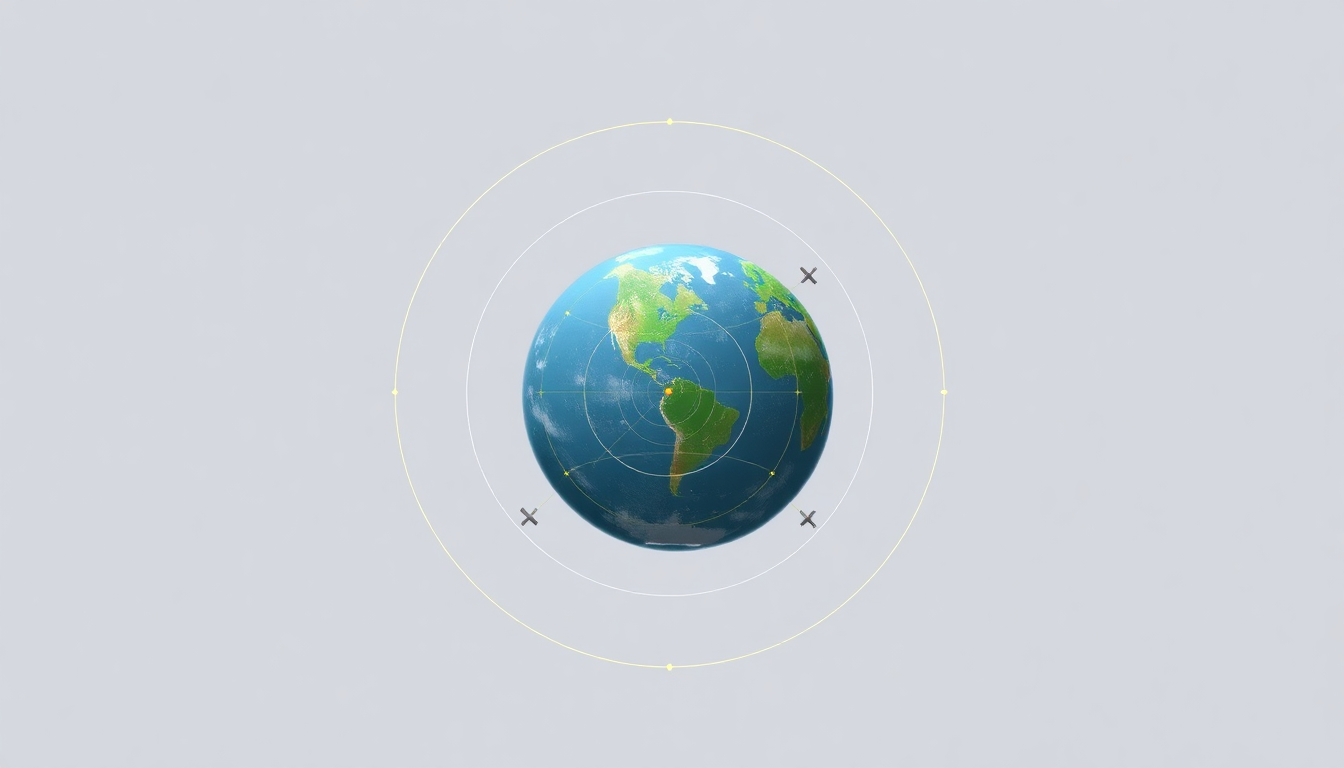
  • Uses trilateration: calculating distances from at least 4 satellites to determine position.
  • Satellites have atomic clocks for precise timing; signals travel at light speed.
  • Errors can occur due to atmospheric delays, satellite clock errors, or multi-path signals.
How GPS Works
4

Applications of GPS

  • Navigation: Car, aviation, and marine navigation systems rely on GPS.
  • Military: Used for missile guidance, troop movement, and reconnaissance.
  • Disaster management: Helps in tracking and coordinating relief efforts.
Applications of GPS
5

Future of GPS

  • Modern GNSS systems like Galileo (EU) and GLONASS (Russia) enhance global coverage.
  • Improvements include higher accuracy, better signal strength, and reduced errors.
  • Emerging uses in autonomous vehicles, IoT, and precision agriculture.
Future of GPS
1 / 5