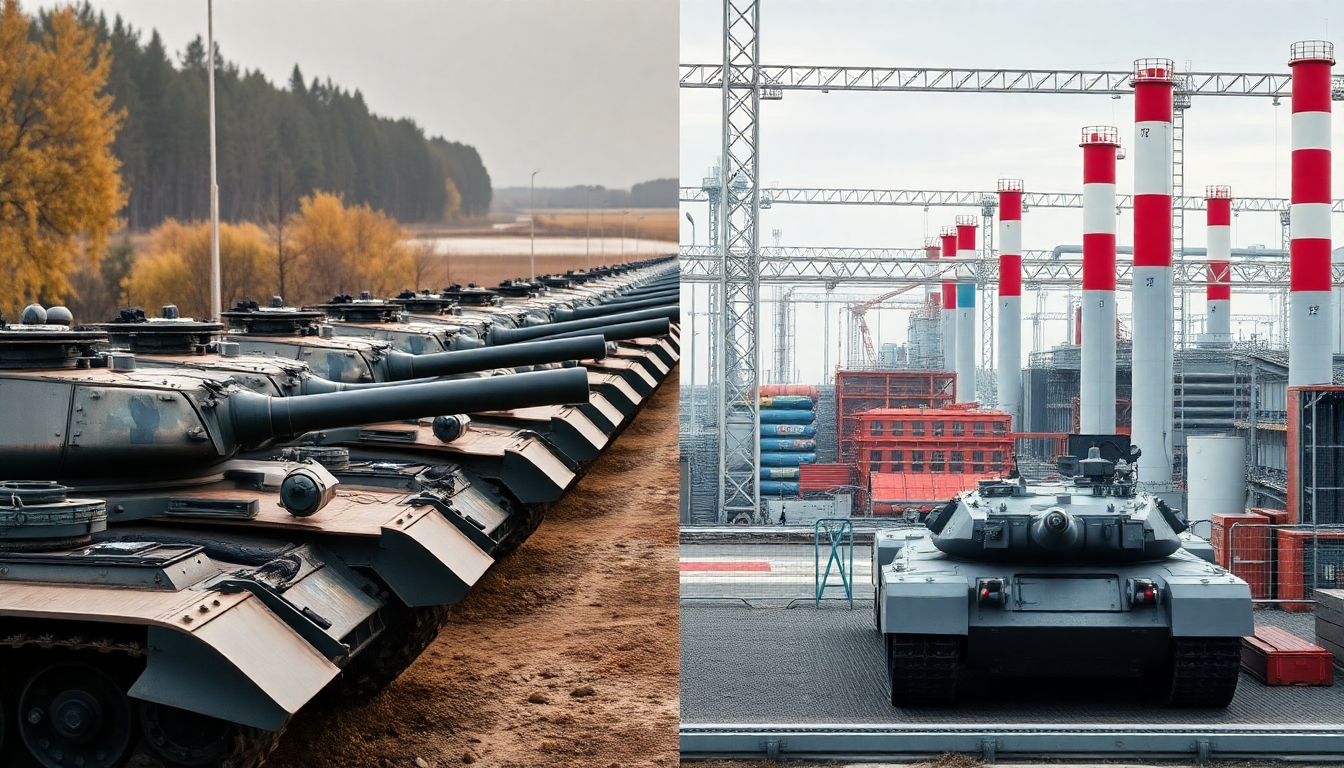
Economic Positions & Pre-War Strategies: Germany & Russia in WWII
📑 5 slides
👁 5 views
📅 3/1/2026
Overview: Pre-WWII Economic Context
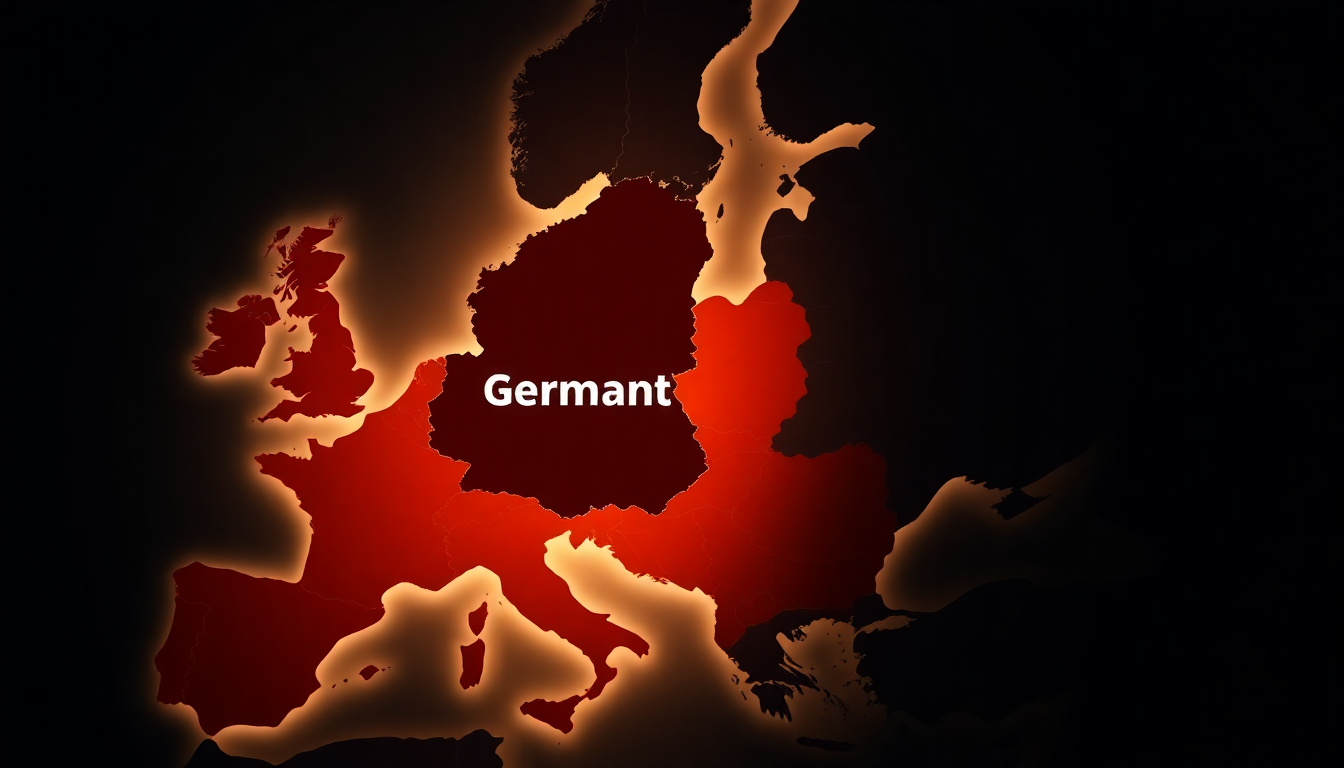
Germany's economy was recovering under Nazi policies, focusing on rearmament and autarky.
2
Germany's Economic Strategy Pre-WWII
- Nazi Germany implemented the Four-Year Plan (1936) to prepare for war, boosting arms production.
- Autarky policies reduced imports, while synthetic materials replaced scarce resources.
- Massive public works and militarization reduced unemployment but strained resources.
3
Russia's Economic Strategy Pre-WWII
- Stalin's Five-Year Plans focused on heavy industry, doubling steel and coal output by 1940.
- Collectivization aimed to increase agricultural output but caused severe famines in the 1930s.
- Military spending surged, with tank and aircraft production prioritized over consumer goods.
4
Military Preparations & Alliances
- Germany secretly rebuilt its military, violating the Treaty of Versailles by 1935.
- Russia signed the Molotov-Ribbentrop Pact (1939) to buy time for military readiness.
- Both nations expanded borders through invasions (Poland, Baltic states) before WWII.
5
Conclusion: Contrasting Paths to War
- Germany's aggressive rearmament and expansionism aimed at rapid conquest.
- Russia's focus was on industrial might and strategic delays to strengthen defenses.
- Both economies were militarized but with different long-term sustainability.
1 / 5