Exploring Industrial Arts: Objectives and Activities

📑 10 slides 👁 44 views 📅 1/31/2026
0.0 (0 ratings)

Introduction to Industrial Arts

Industrial Arts is practical education focusing on technical skills.

Introduction to Industrial Arts
2

Defining Industrial Arts

  • Industrial Arts involves crafting, building, and technical design.
  • It prepares students for careers in engineering, manufacturing, and design.
  • Integrates STEM principles with creative arts.
Defining Industrial Arts
3

Areas of Industrial Arts

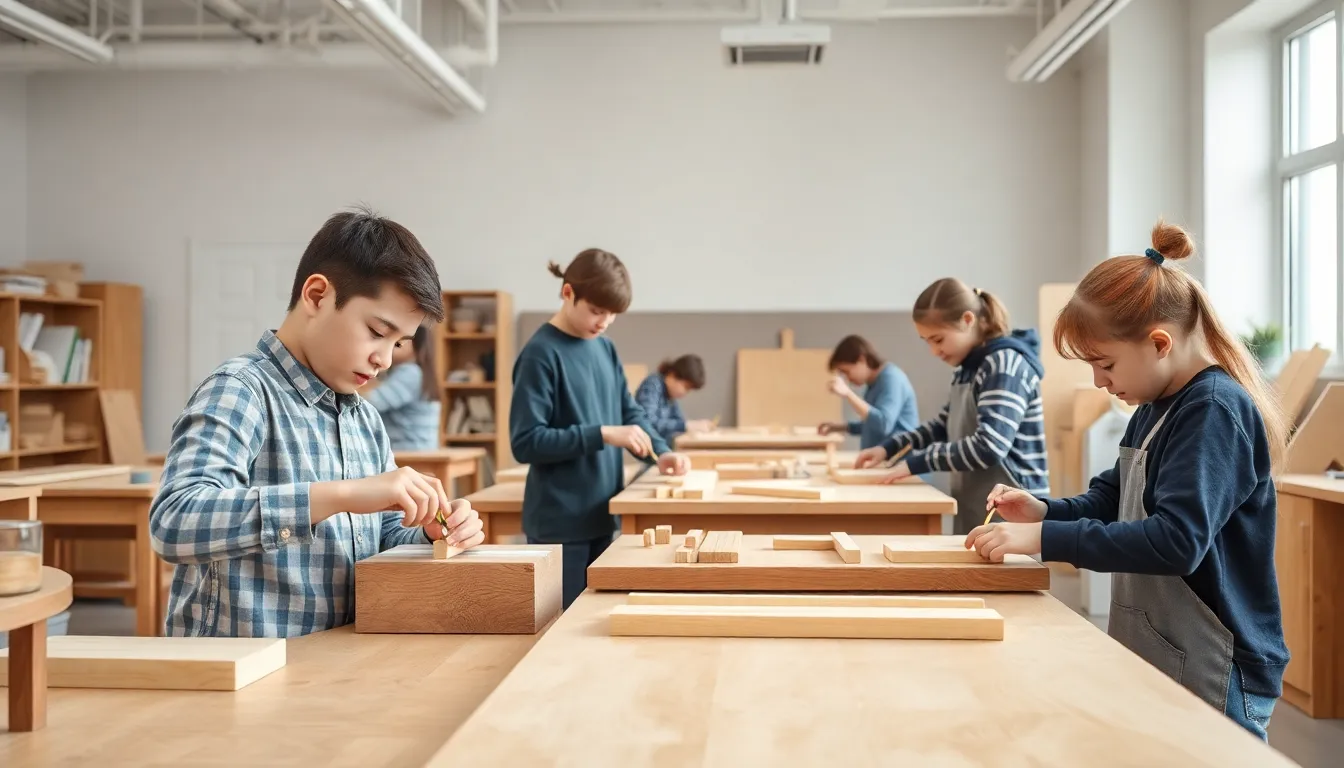
  • Woodworking: Crafting furniture and structures from wood.
  • Metalworking: Shaping and joining metals for tools and art.
  • Automotive: Basics of vehicle maintenance and repair.
Areas of Industrial Arts
4

Motivation in Industrial Arts

  • Hands-on projects increase engagement and retention.
  • Real-world applications motivate students to learn.
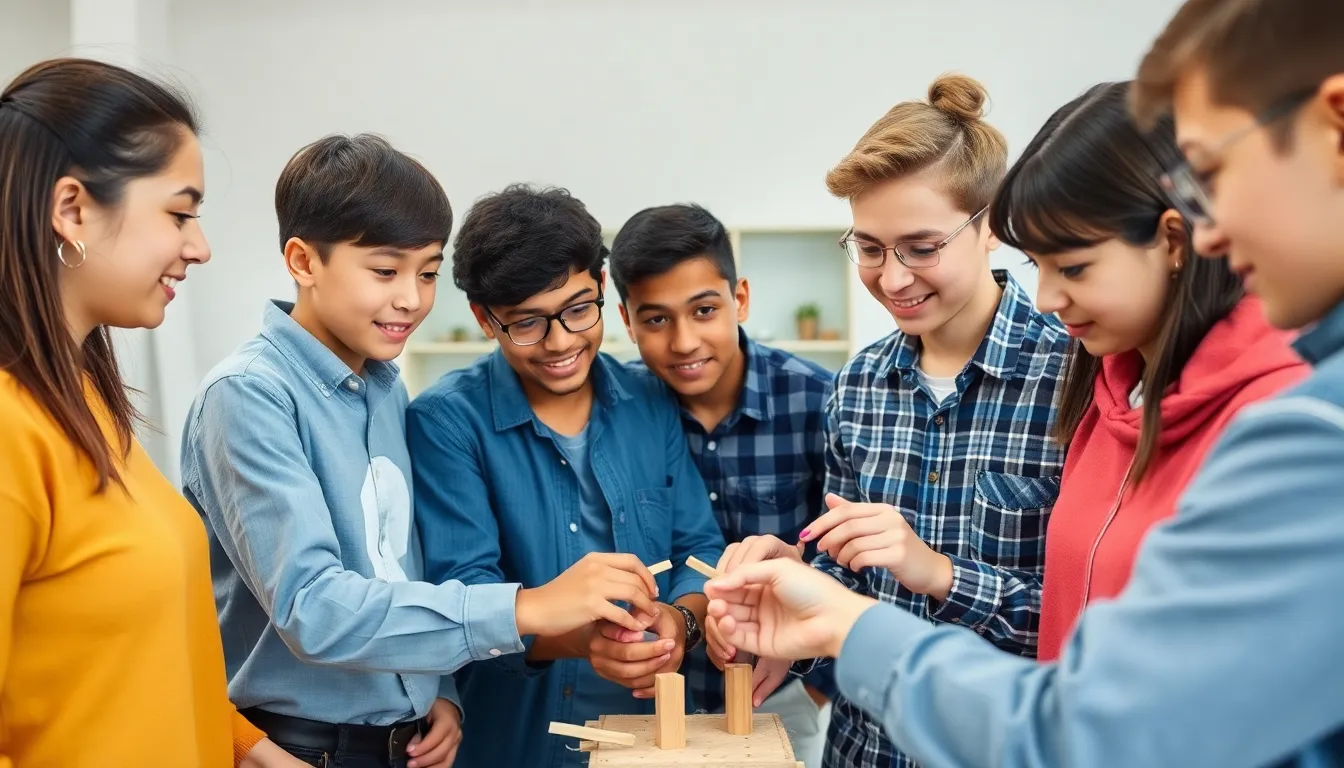
  • Encourages teamwork and individual creativity.
Motivation in Industrial Arts
5

Activities for Learning

  • Designing simple machines to understand mechanics.
  • Building models to explore architectural principles.
  • Crafting art pieces to merge creativity with function.
Activities for Learning
6

Worksheets and Resources

  • Step-by-step guides for project completion.
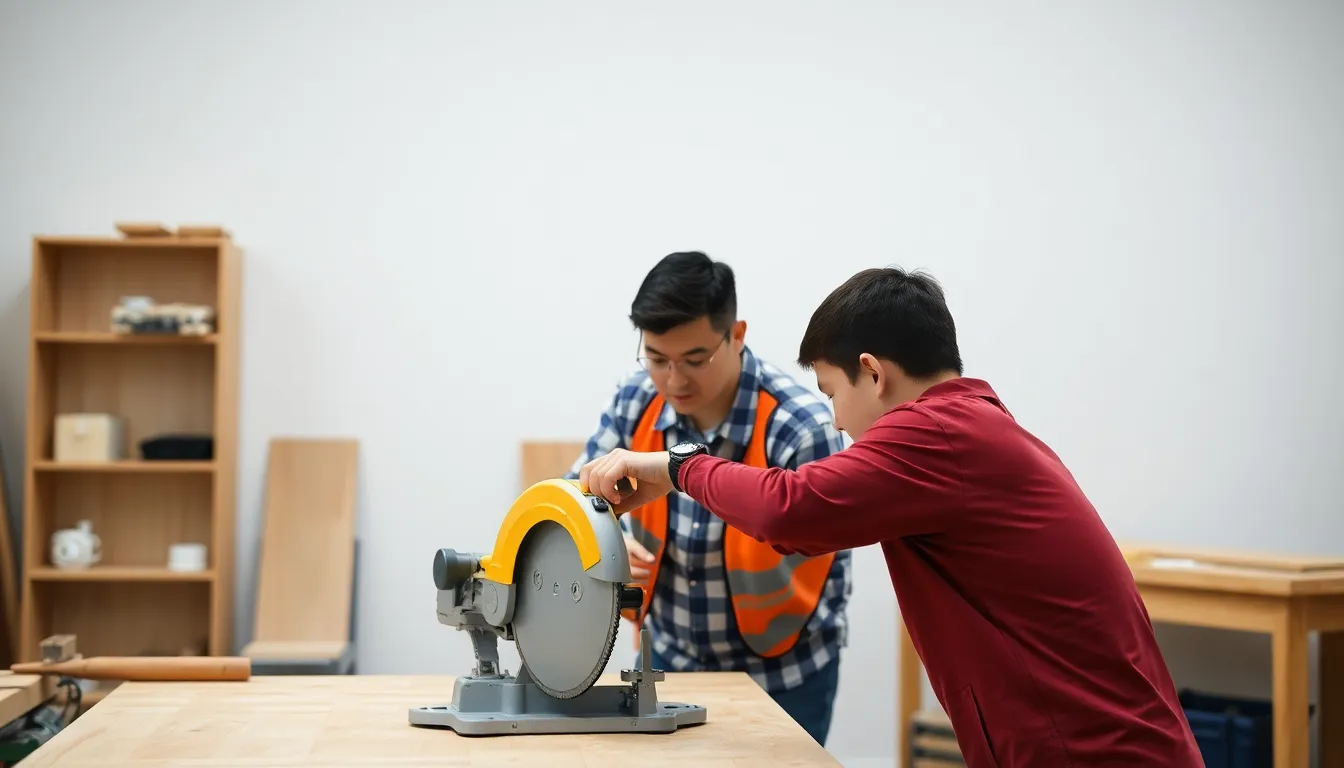
  • Safety checklists to ensure proper tool usage.
  • Design templates for planning constructions.
Worksheets and Resources
7

Formative Assessments

  • Skill demonstrations to evaluate practical abilities.
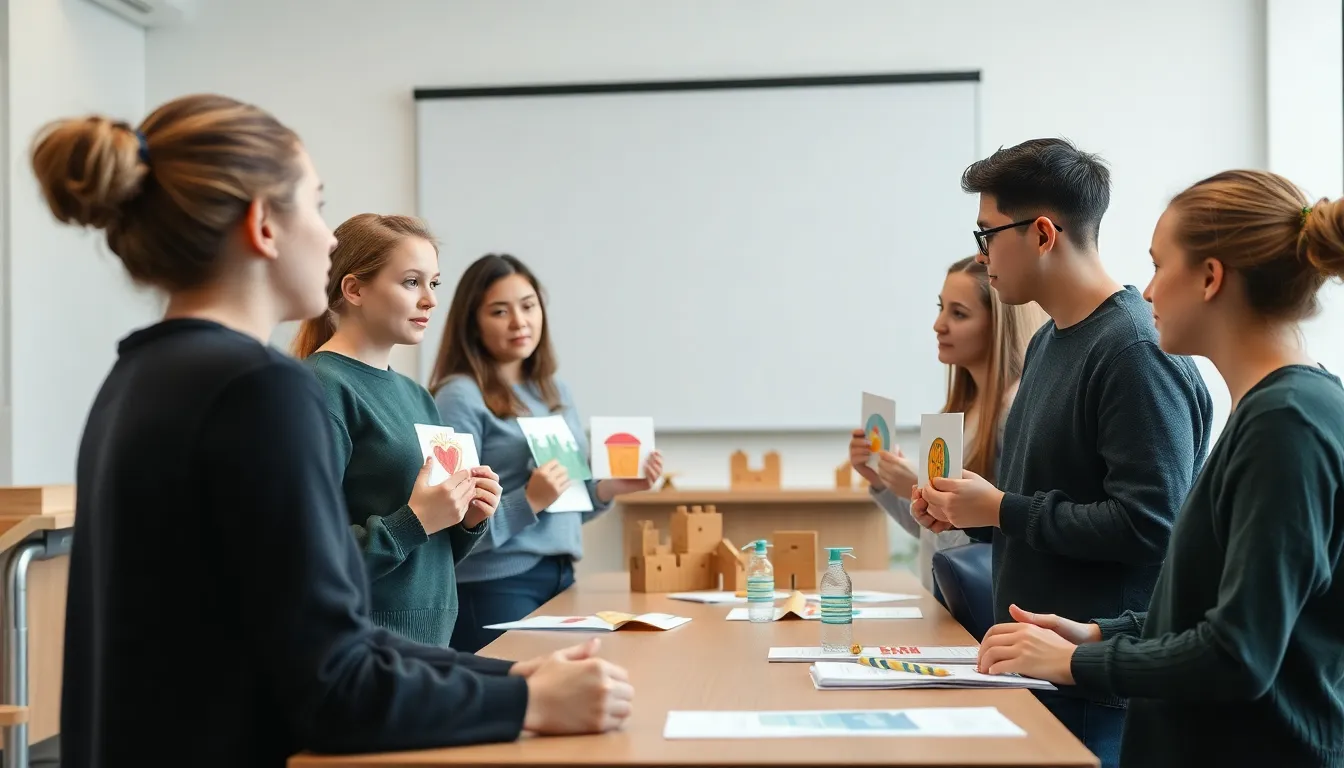
  • Project critiques to provide constructive feedback.
  • Quizzes on tool names and safety protocols.
Formative Assessments
8

Intervention Strategies

  • One-on-one tutorials for struggling students.
  • Peer mentoring to foster collaborative learning.
  • Adapted projects for varying skill levels.
Intervention Strategies
9

Homework Assignments

  • Researching historical tools and their evolution.
  • Sketching designs for future projects.
  • Reflective journals on project challenges and solutions.
Homework Assignments
10

Conclusion and Summary

  • Industrial Arts combines creativity, technical skills, and education.
  • Diverse areas offer multiple learning and career pathways.
  • Interactive methods enhance understanding and retention.
Conclusion and Summary
1 / 10