Stages of Deglutition

๐Ÿ“‘ 5 slides ๐Ÿ‘ 37 views ๐Ÿ“… 3/16/2026
0.0 (0 ratings)

Introduction to Deglutition

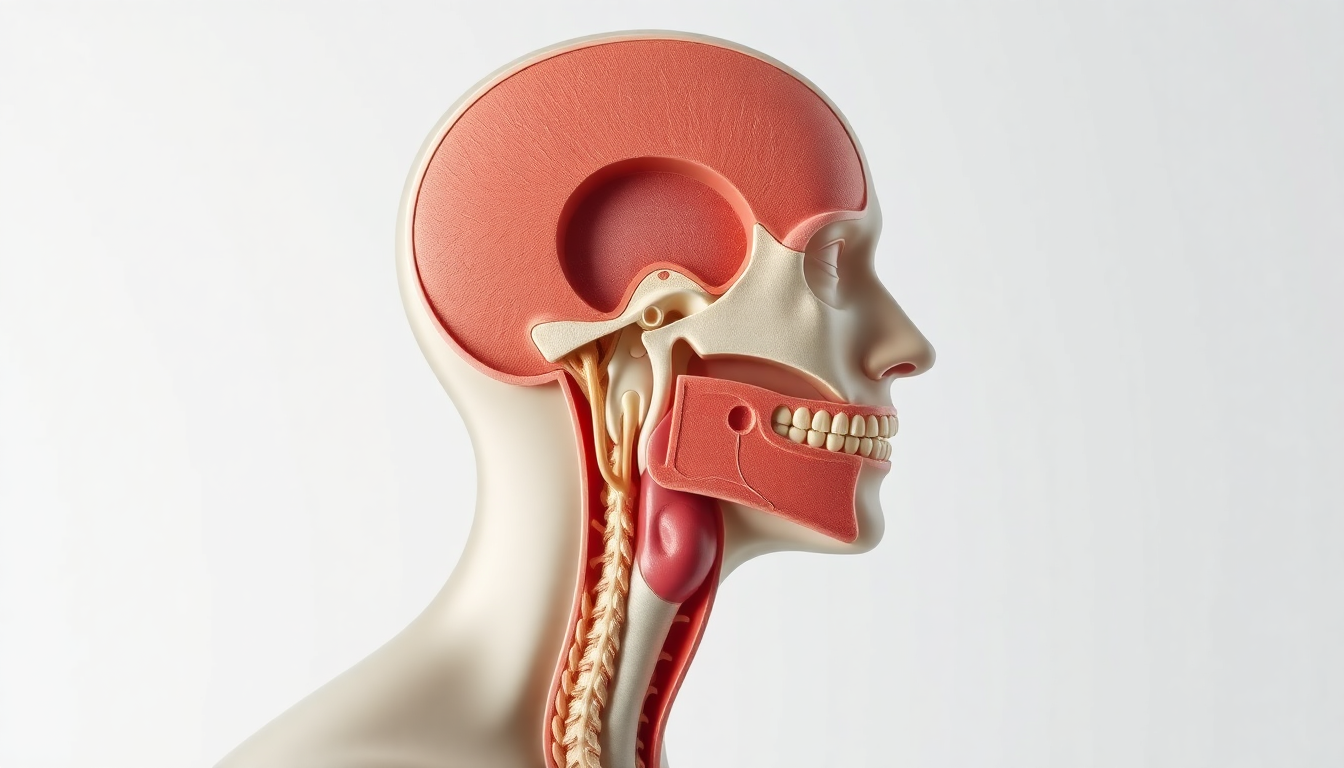
Deglutition is the process of swallowing food from mouth to stomach.

Introduction to Deglutition
2

Phases of Deglutition

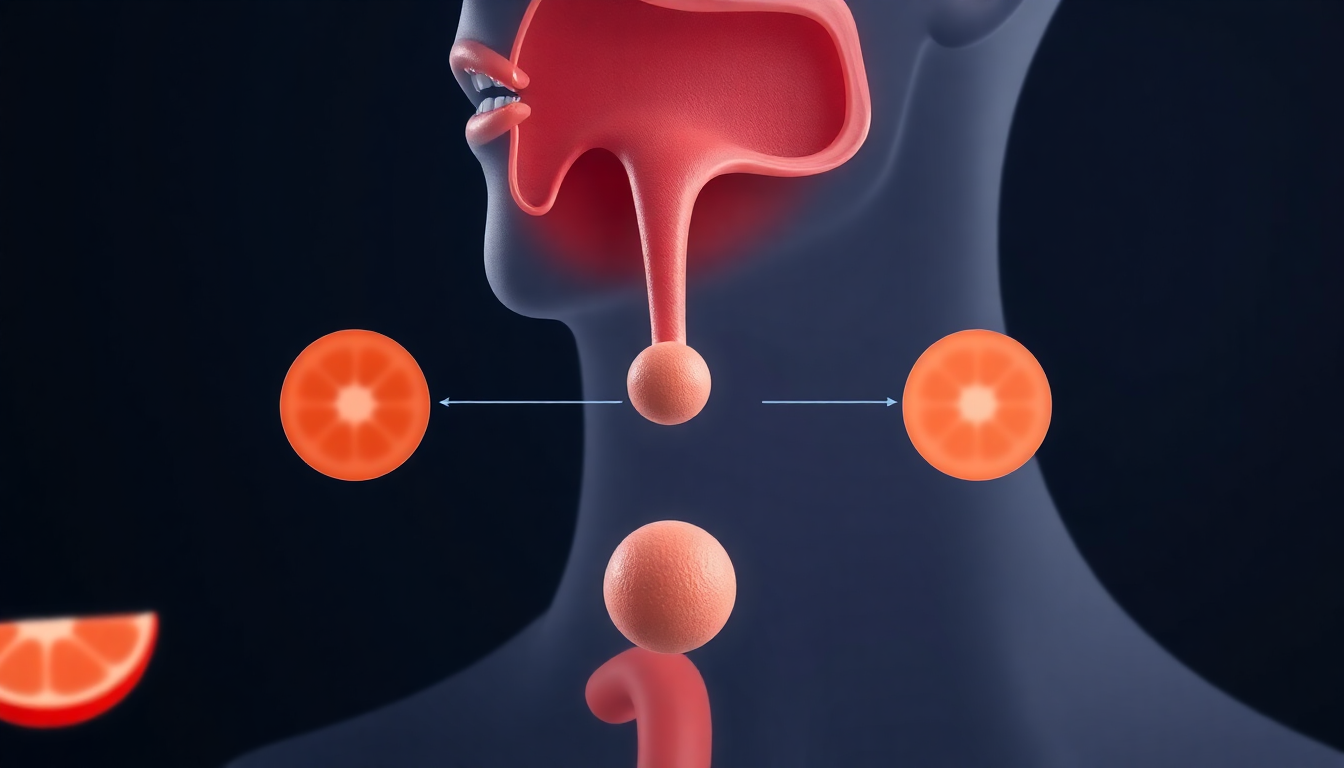
  • Oral phase: Voluntary control, tongue pushes bolus to pharynx.
  • Pharyngeal phase: Involuntary, triggers swallowing reflex.
  • Esophageal phase: Peristalsis moves bolus to stomach.
  • Upper and lower esophageal sphincters regulate passage.
Phases of Deglutition
3

Neural Control of Swallowing

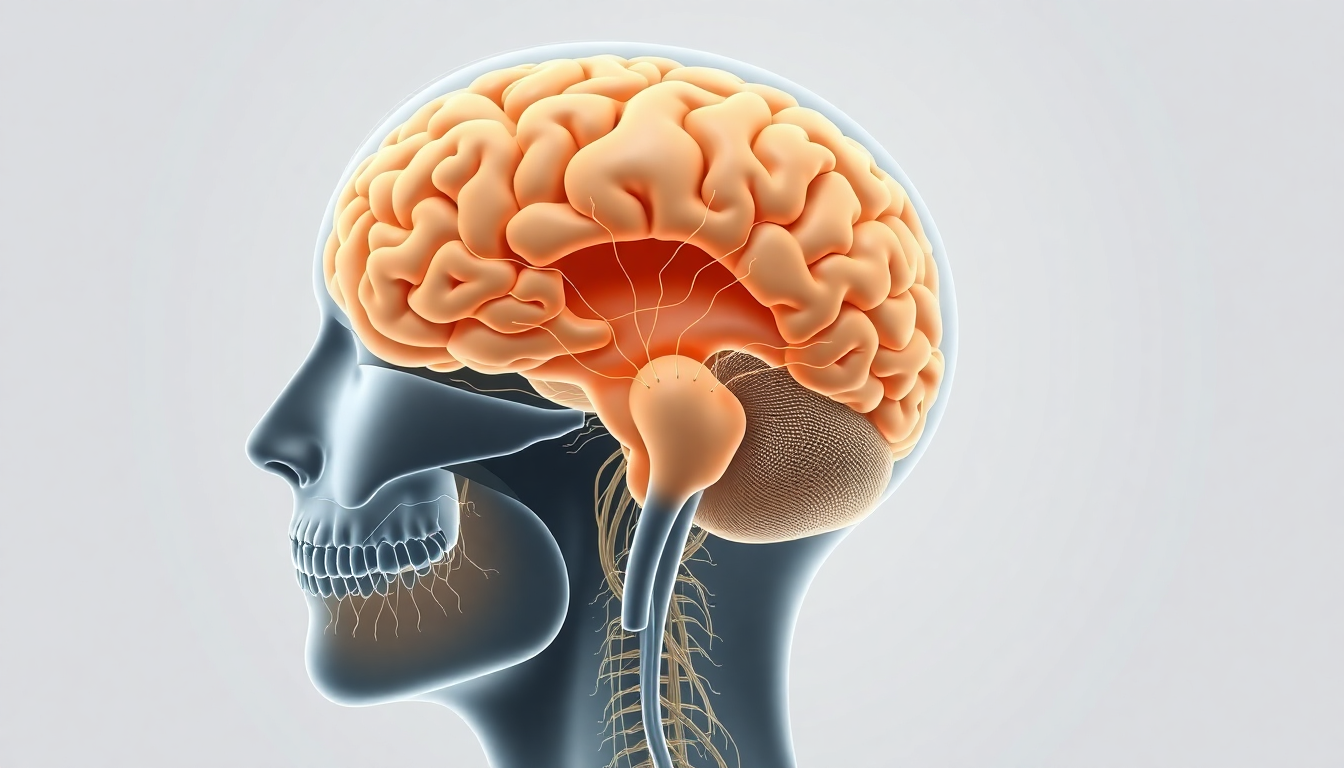
  • Swallowing center located in brainstem (medulla).
  • Cranial nerves V, VII, IX, X, XII control muscles.
  • Sensory feedback ensures safe bolus passage.
  • Reflex prevents aspiration by closing airways.
Neural Control of Swallowing
4

Clinical Correlations

  • Dysphagia: Difficulty swallowing due to neurological or structural issues.
  • Aspiration: Food/liquid enters airways, causing pneumonia.
  • Common in stroke, Parkinsonโ€™s, and esophageal disorders.
  • Diagnosis via videofluoroscopy or endoscopy.
Clinical Correlations
5

Summary and Conclusion

  • Deglutition involves oral, pharyngeal, and esophageal phases.
  • Neural control ensures coordination and safety.
  • Disorders like dysphagia require prompt diagnosis.
  • Understanding swallowing aids in clinical practice.
Summary and Conclusion
1 / 5