Stages of Deglutition

📑 5 slides 👁 47 views 📅 3/16/2026
0.0 (0 ratings)

Introduction to Deglutition

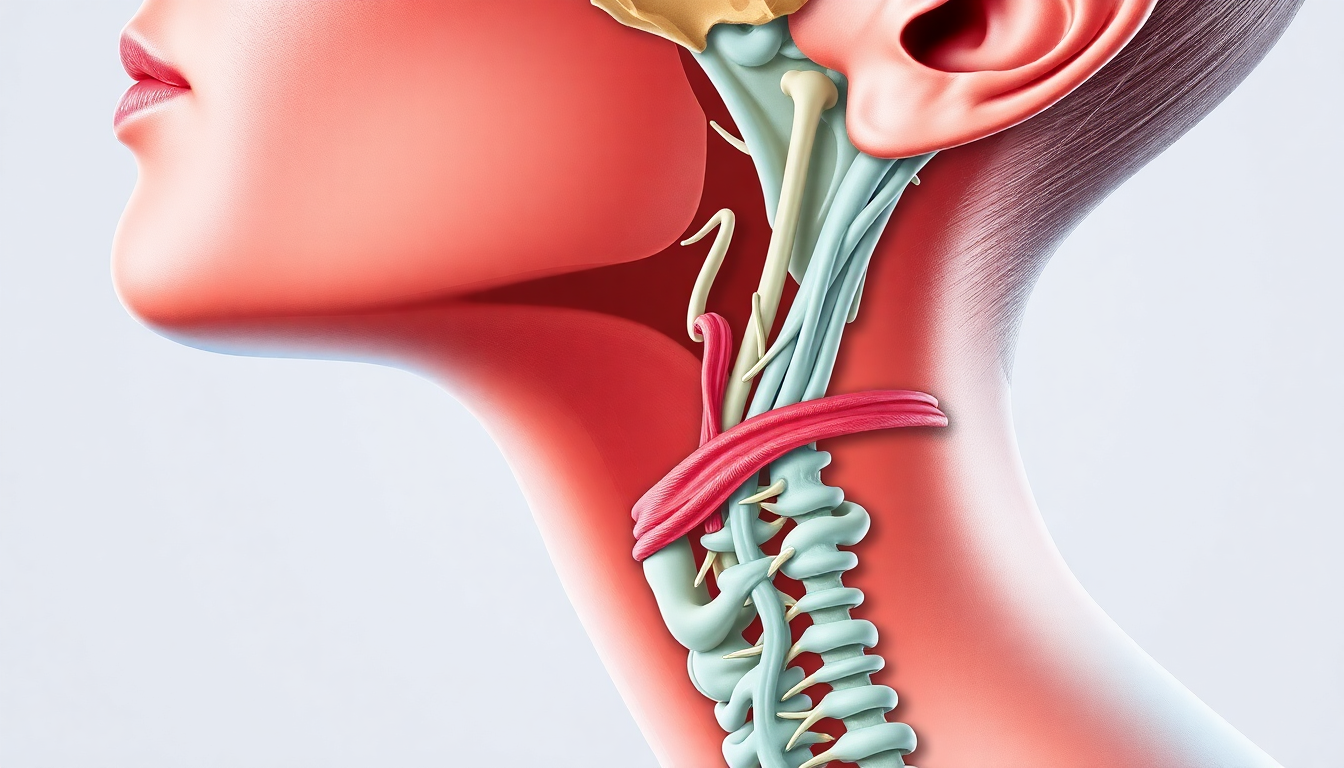
Deglutition is the process of swallowing food/liquid from mouth to stomach.

Introduction to Deglutition
2

Phases of Deglutition

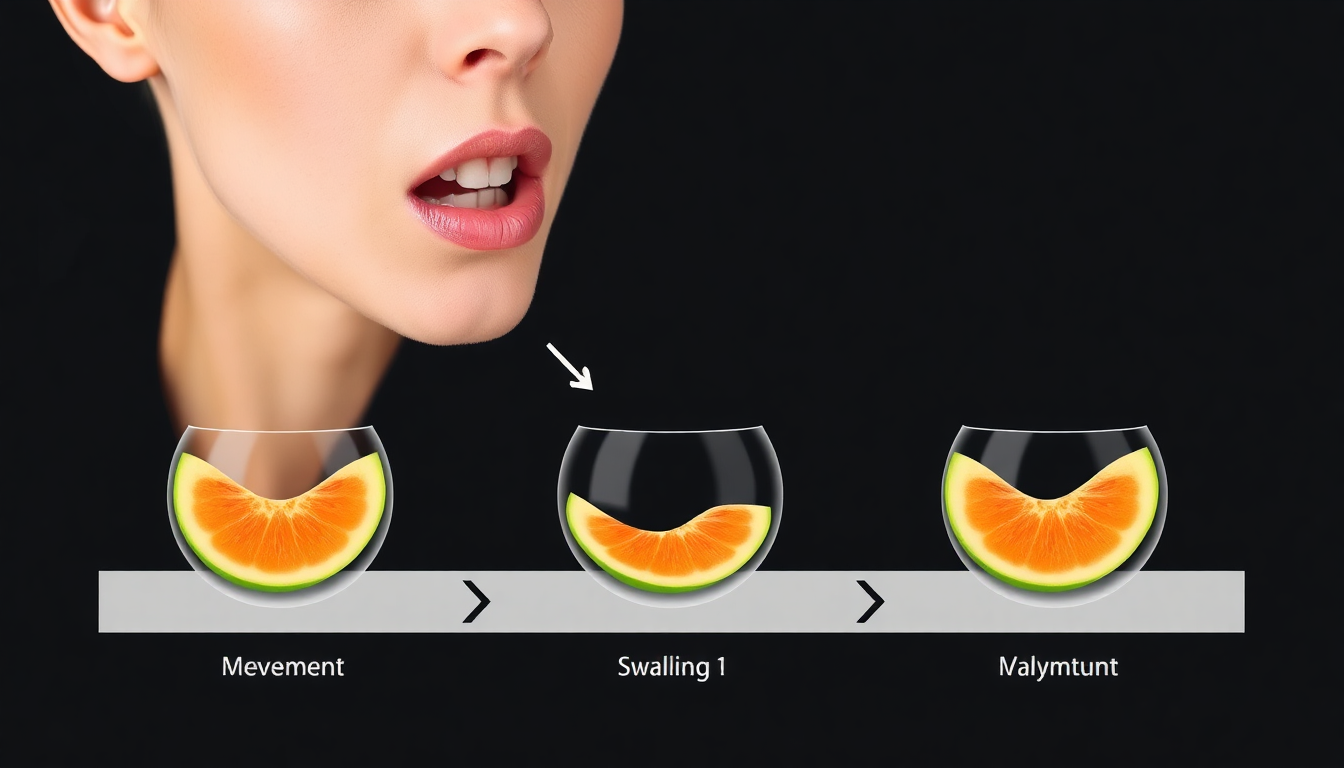
  • Oral preparatory: Food is chewed and mixed with saliva.
  • Oral phase: Tongue propels bolus toward pharynx.
  • Pharyngeal phase: Involuntary passage through pharynx.
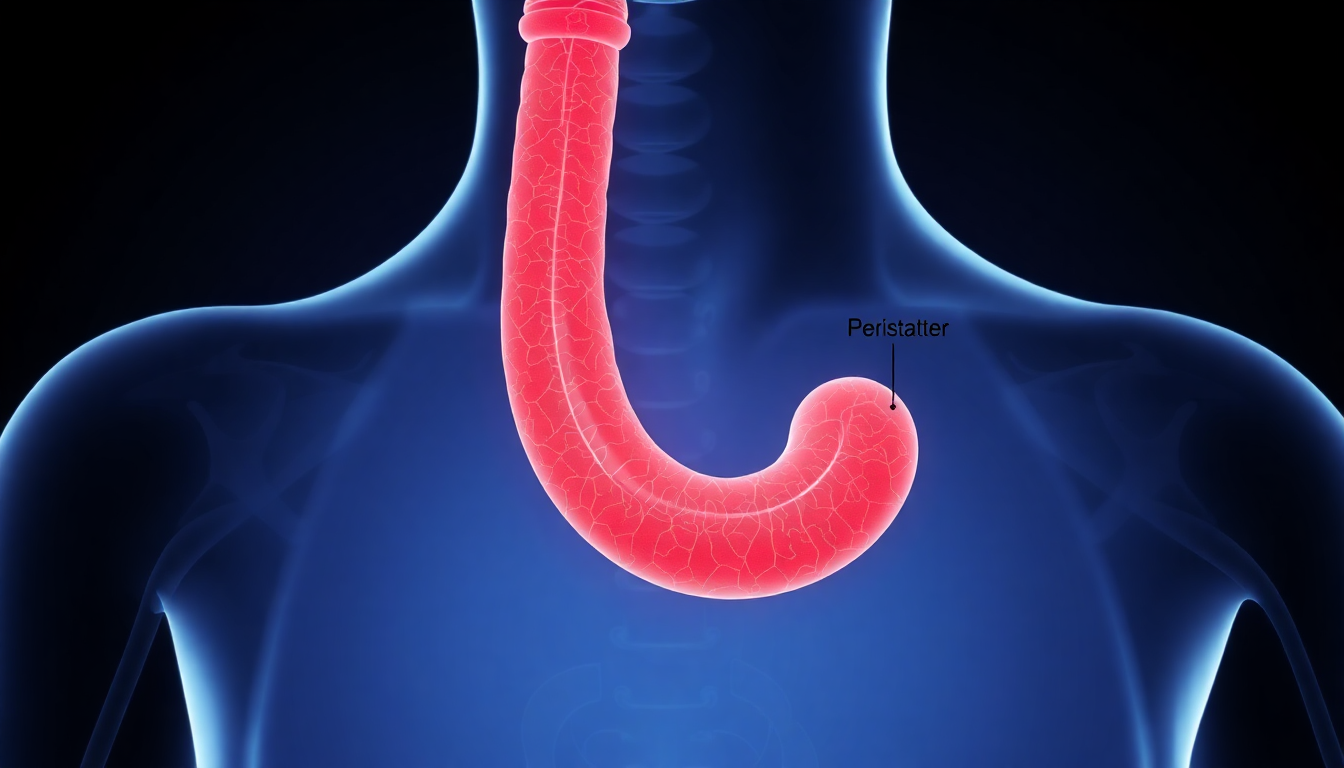
  • Esophageal phase: Bolus moves to stomach via peristalsis.
Phases of Deglutition
3

Neural Control of Swallowing

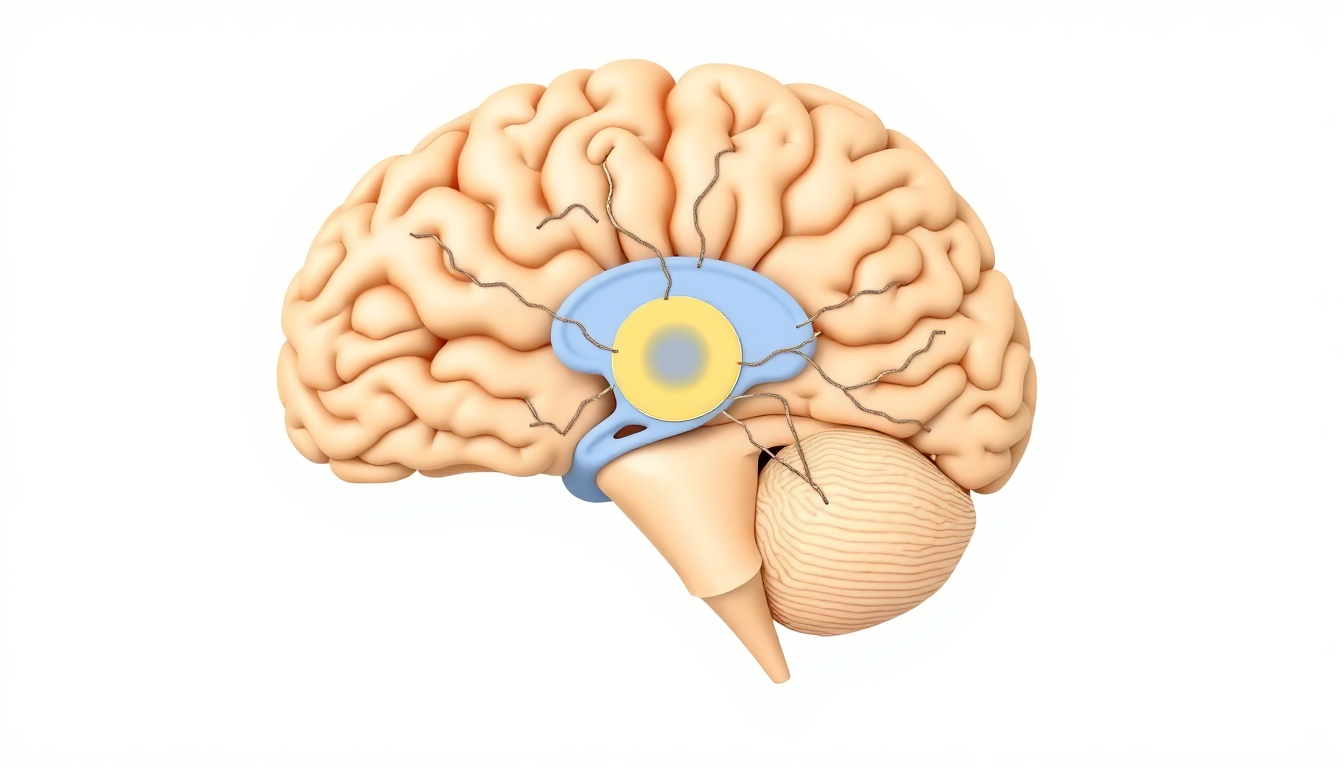
  • Swallowing center located in medulla and lower pons.
  • Cranial nerves V, VII, IX, X, XII control swallowing muscles.
  • Afferent signals trigger reflexive phases.
  • Coordinated by nucleus ambiguus and solitary tract.
Neural Control of Swallowing
4

Esophageal Mechanisms

  • Upper esophageal sphincter relaxes to allow bolus entry.
  • Primary peristalsis moves bolus downward.
  • Secondary peristalsis clears residual material.
  • Lower esophageal sphincter prevents gastric reflux.
Esophageal Mechanisms
5

Clinical Correlations

  • Dysphagia: Difficulty swallowing from neurological/muscular causes.
  • Aspiration: Food/liquid entering airway, causing pneumonia.
  • GERD: Lower sphincter dysfunction leads to acid reflux.
  • Diagnosis via videofluoroscopy or endoscopy.
Clinical Correlations
1 / 5