Proteins: Structure, Function, and Importance

📑 5 slides 👁 8 views 📅 2/26/2026
0.0 (0 ratings)

Introduction to Proteins

Proteins are macromolecules essential for life, composed of amino acids.

Introduction to Proteins
2

Protein Structure

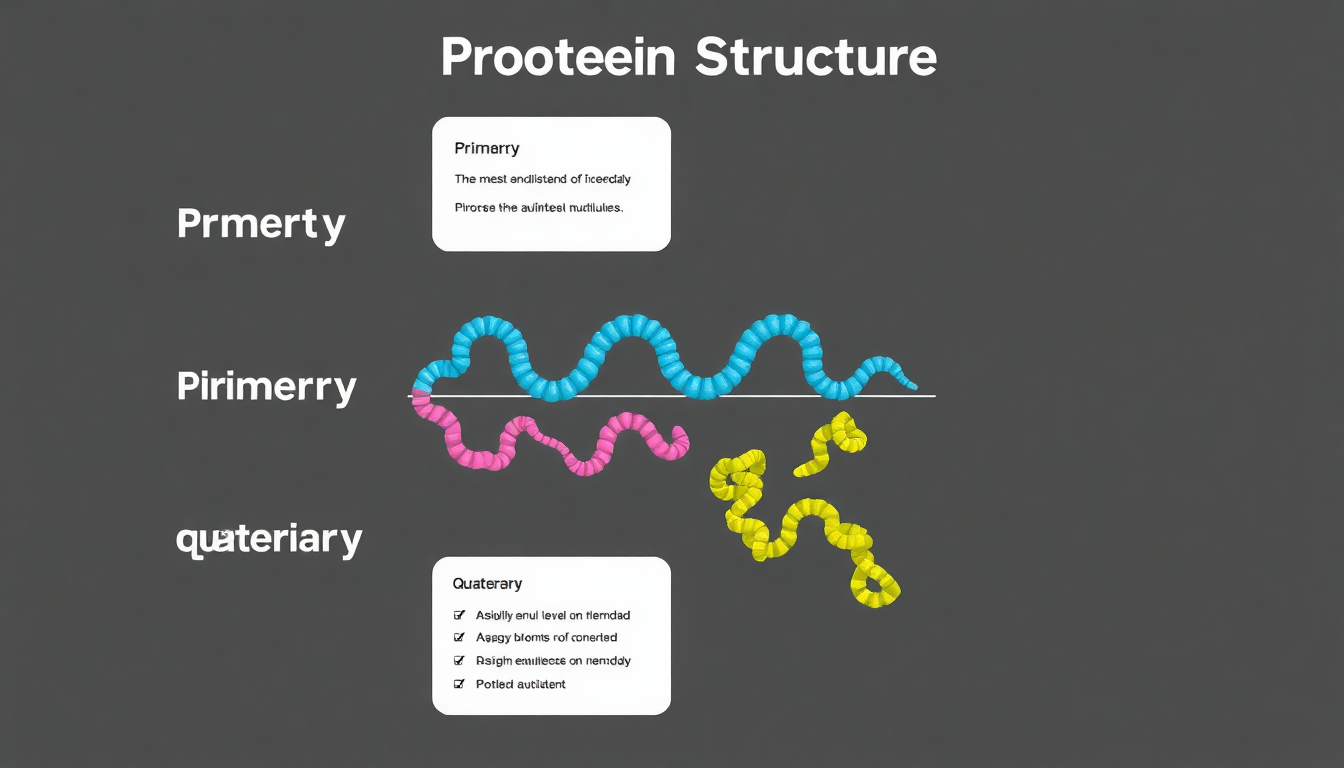
  • Primary structure: Linear sequence of amino acids linked by peptide bonds.
  • Secondary structure: Alpha-helices and beta-sheets formed by hydrogen bonding.
  • Tertiary structure: 3D shape stabilized by interactions between R-groups.
  • Quaternary structure: Multiple polypeptide chains assembled into a functional protein.
Protein Structure
3

Types of Proteins

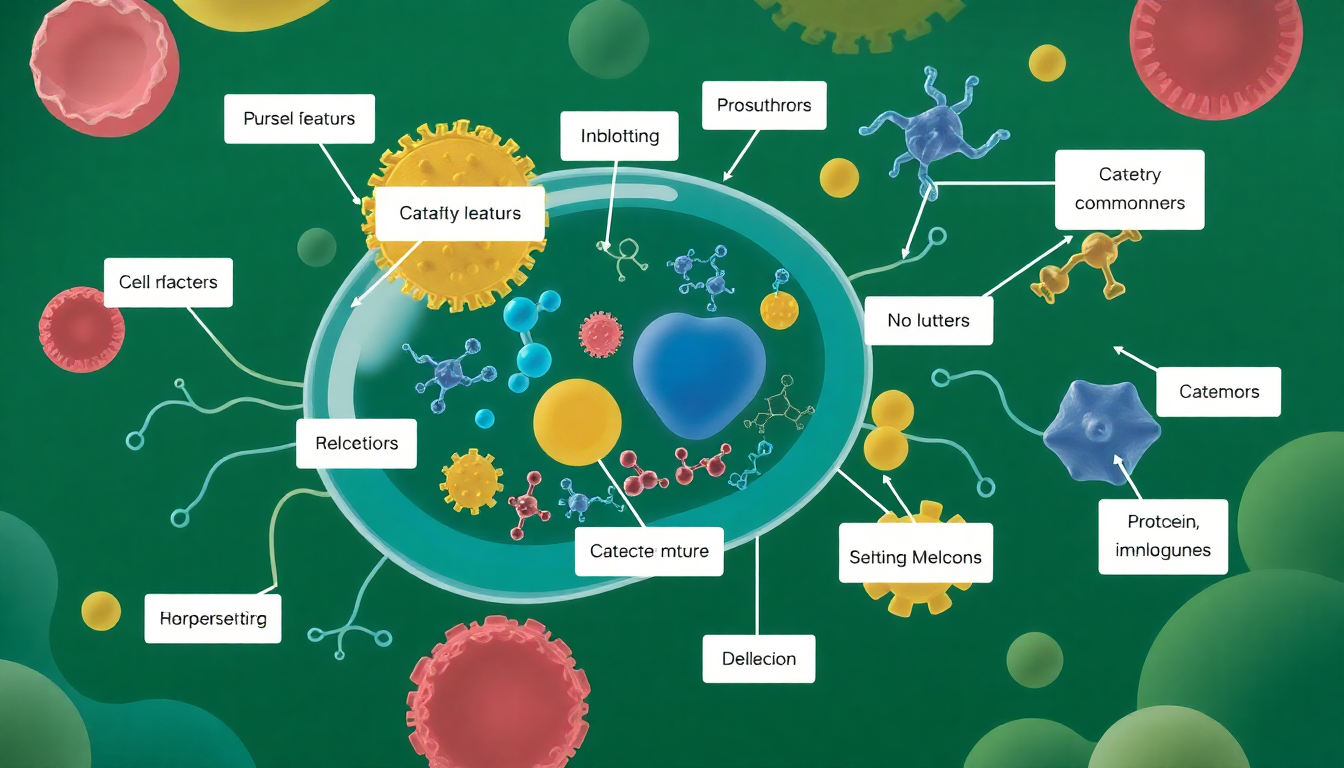
  • Enzymes: Catalyze biochemical reactions (e.g., digestive enzymes).
  • Structural proteins: Provide support (e.g., collagen in skin).
  • Transport proteins: Move molecules (e.g., hemoglobin carries oxygen).
  • Antibodies: Defend against pathogens (e.g., immunoglobulins).
Types of Proteins
4

Protein Functions

  • Catalysis: Speed up chemical reactions in cells.
  • Support: Maintain cell and tissue structure.
  • Transport: Carry molecules across membranes or in blood.
  • Defense: Protect against infections and diseases.
Protein Functions
5

Protein Sources & Importance

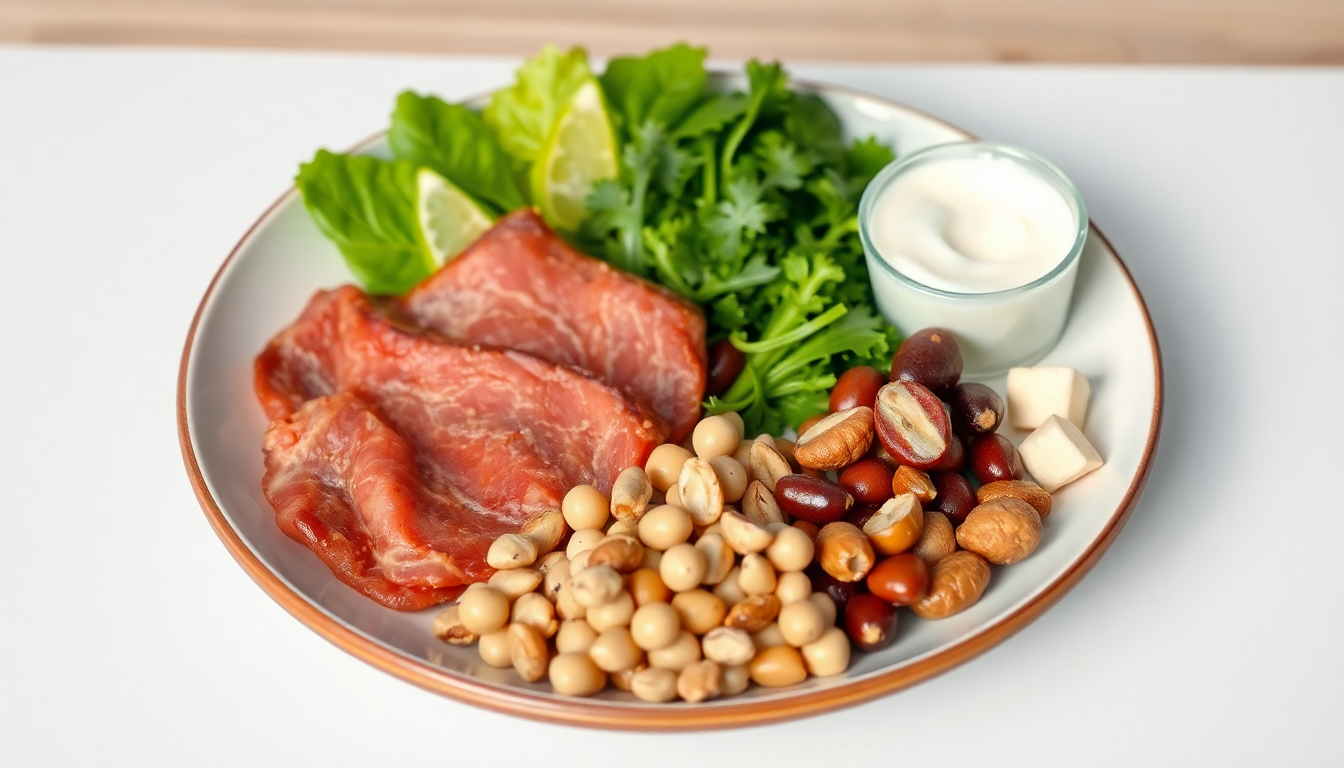
  • Animal sources: Meat, eggs, dairy; complete proteins with all essential amino acids.
  • Plant sources: Beans, nuts, grains; often require combining for complete proteins.
  • Proteins are crucial for muscle growth, tissue repair, and immune function.
  • A balanced diet ensures adequate protein intake for overall health.
Protein Sources & Importance
1 / 5