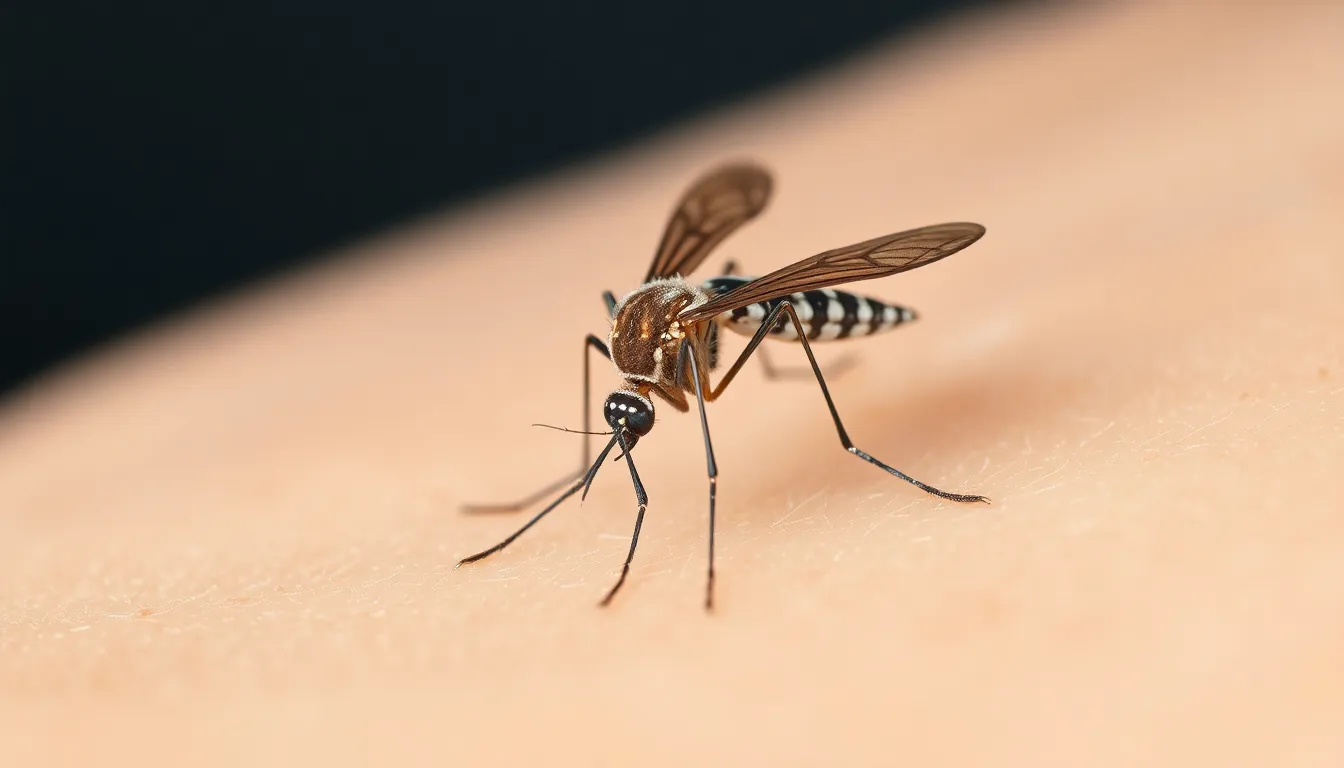
Dengue Awareness: Spread and Prevention
๐ 10 slides
๐ 42 views
๐
1/22/2026
Introduction to Dengue
Dengue is a mosquito-borne viral infection affecting millions globally.
2
How Dengue Spreads
- Transmitted by Aedes mosquitoes, primarily Aedes aegypti.
- Mosquitoes breed in stagnant water, common in urban areas.
- Infected humans can spread the virus to mosquitoes, continuing the cycle.
3
Symptoms of Dengue
- High fever (40ยฐC/104ยฐF) lasting 2-7 days.
- Severe headache, pain behind the eyes, and muscle/joint pain.
- Rash, nausea, and vomiting may also occur.
4
Severe Dengue Warning Signs
- Severe abdominal pain or persistent vomiting.
- Bleeding gums or nose, blood in vomit or stool.
- Rapid breathing, fatigue, and restlessness.
5
Prevent Mosquito Breeding
- Remove stagnant water from containers, tires, and flower pots.
- Cover water storage containers tightly to prevent access.
- Clean gutters and drains regularly to avoid water accumulation.
6
Personal Protection Measures
- Use mosquito repellents containing DEET or picaridin.
- Wear long-sleeved clothing and pants to reduce bites.
- Sleep under mosquito nets, especially during daytime naps.
7
Community Efforts
- Organize clean-up drives to eliminate breeding sites.
- Educate neighbors about dengue prevention methods.
- Support local health campaigns and vaccination programs.
8
Medical Treatment
- No specific antiviral treatment for dengue; focus on symptom relief.
- Stay hydrated and use acetaminophen for fever (avoid aspirin).
- Severe cases require hospitalization for fluid management.
9
Myths vs. Facts
- Myth: Dengue only affects poor areas. Fact: It can occur anywhere.
- Myth: Dengue is contagious. Fact: It spreads only via mosquitoes.
- Myth: Once infected, youโre immune. Fact: Multiple strains exist.
10
Conclusion: Stay Safe
- Prevention is keyโeliminate breeding sites and protect yourself.
- Early medical attention reduces severe dengue risks.
- Community involvement is crucial to control dengue spread.
1 / 10